





Self Billing Invoice Template Uk Overview
You're here, searching for a hair levels chart, a handy tool to help you understand your hair's characteristics. This chart is a simple yet effective way to visualize and assess your hair's thickness, density, and overall volume. It provides a quick reference, offering a snapshot of your hair's current state and a guide to track any changes over time. With various formats and standards, these charts offer a standardized way to measure and compare hair, ensuring an accurate and reliable assessment.
Understanding the Hair Levels Chart: Your Guide to Hair Volume
The hair levels chart is a handy tool to understand and categorize your hair's volume and thickness. It provides a simple, visual way to assess your hair's characteristics, which can be useful for styling, product selection, and even tracking hair growth progress. This chart typically uses a scale or a set of categories to describe hair volume, offering a quick reference for everyday use.
Comparing Hair Volume Standards: A Range of Options
There are various ways to categorize hair volume, and different charts may use different standards. Some common scales include a simple 1 to 10 scale, with 1 being the finest hair and 10 the thickest. Others might use a more detailed system, like a 1 to 20 scale, offering a broader range of options. Additionally, some charts might categorize hair into broad types, like "thin," "medium," and "thick," providing a more general overview.
Step-by-Step Guide: Using the Hair Levels Chart
- Start by gathering a small section of clean, dry hair, preferably from the top of your head.
- Hold the hair between your fingers and assess its thickness. Compare it to the visual representations or descriptions on your chosen hair levels chart.
- Match the thickness of your hair to the corresponding category or number on the chart. This will give you an idea of your hair's volume level.
- For a more precise assessment, you can count the number of hairs in the section you've gathered. This follicle count guide can provide additional insight into your hair's density.
Common Misconceptions and How to Avoid Them
One common mistake is assuming that the hair levels chart is a universal standard. While it provides a useful framework, it's important to note that hair characteristics can vary widely, and individual differences may not always fit neatly into these categories. Additionally, hair can change over time due to various factors, so regular assessments are beneficial. Always refer to the specific chart's instructions and consider any additional notes or explanations provided.
Factors Affecting Accuracy: Real-World Considerations
Several factors can influence the accuracy of your hair levels chart assessment. These include your hair's natural texture, whether it's curly, straight, or somewhere in between, as well as its overall health and condition. Environmental factors, such as humidity, can also temporarily affect your hair's volume and texture. It's essential to consider these variables when using the chart and to be aware that your hair's level may fluctuate. Regular assessments and a consistent approach will provide the most accurate results over time.
Hey there! We've covered a lot of ground in this post, and I hope it's given you a clear idea of how to navigate the hair levels chart and its various aspects. Remember, while the basics remain the same, there might be slight variations in the details, so always refer to the most relevant and up-to-date sources for your specific needs.
If you found this guide helpful, why not explore some of our other practical articles? We've got a range of topics that might just simplify your life, from organizing tips to handy reference guides. So, feel free to browse and discover more ways to make your daily routines a breeze!
Related: Find Your Perfect Jean Size with Our Chart
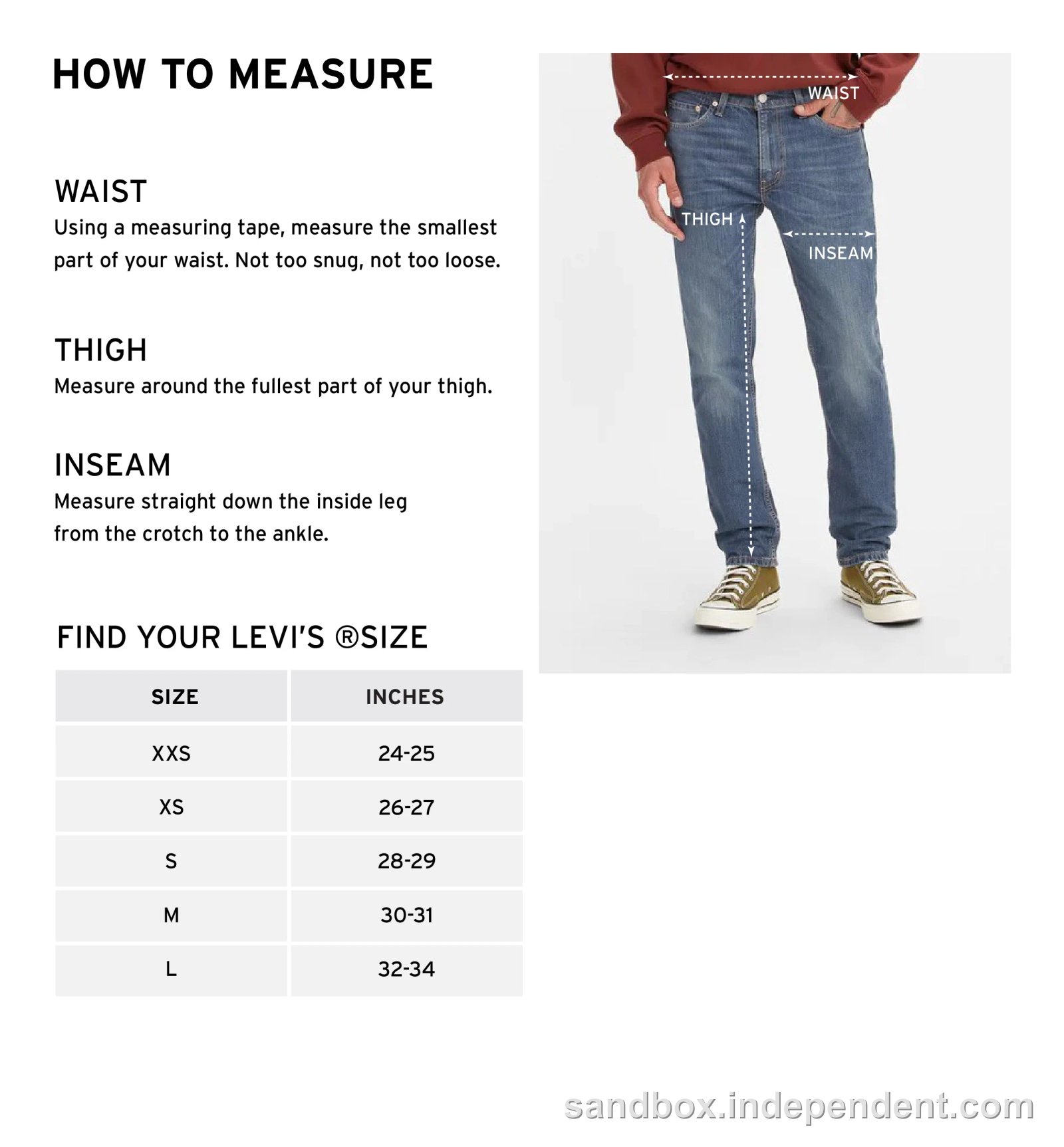
You've likely found yourself searching for a jean size chart at some point, whether it's to double-check a size before ordering online or to understand the measurements listed on a clothing tag. These charts are a handy tool, offering a quick reference for finding your perfect fit, and they can vary slightly depending on the brand and region. With a simple glance, you can navigate the world of denim sizing, ensuring you always get the right pair of jeans.
Understanding Size Charts: A Guide to Jean Sizing
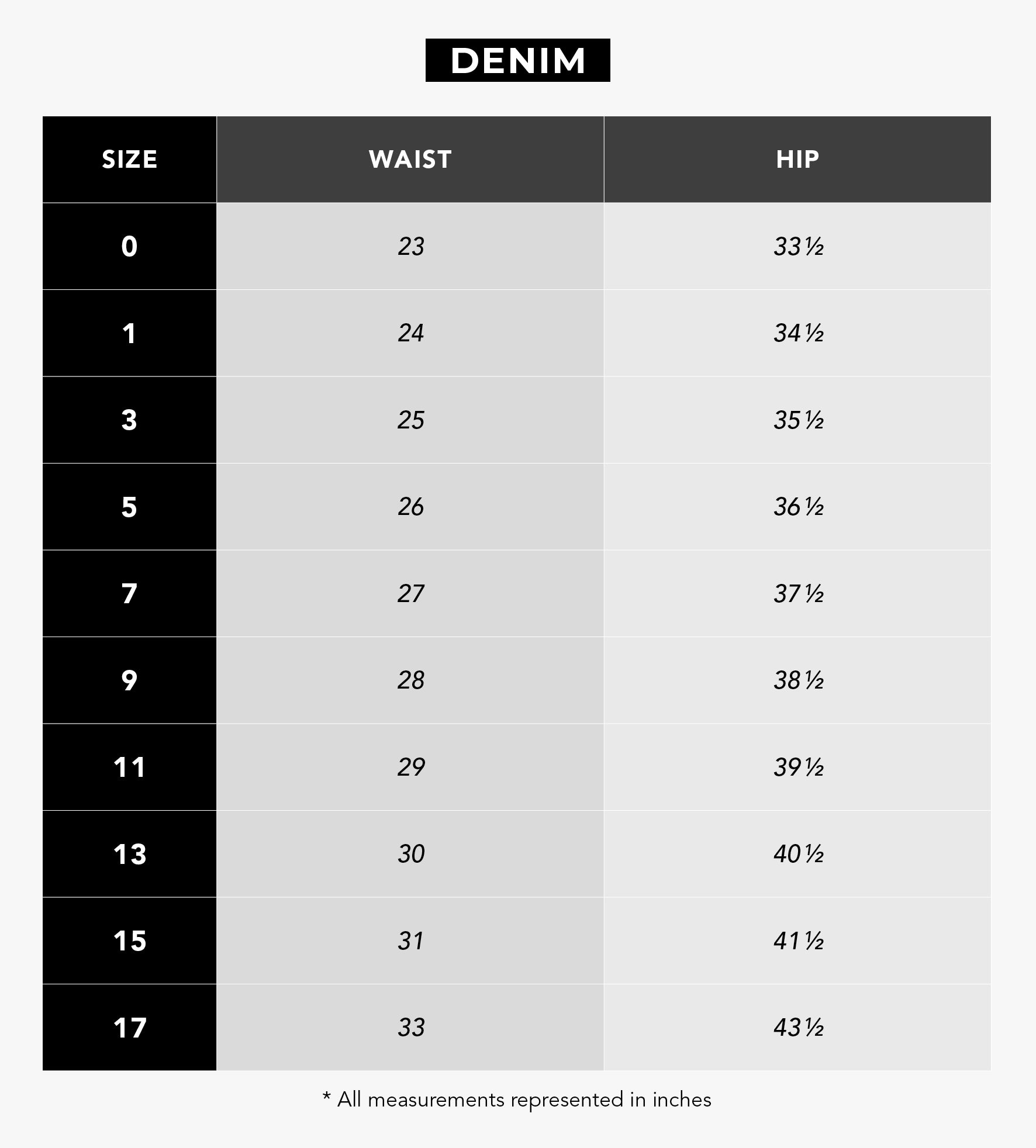
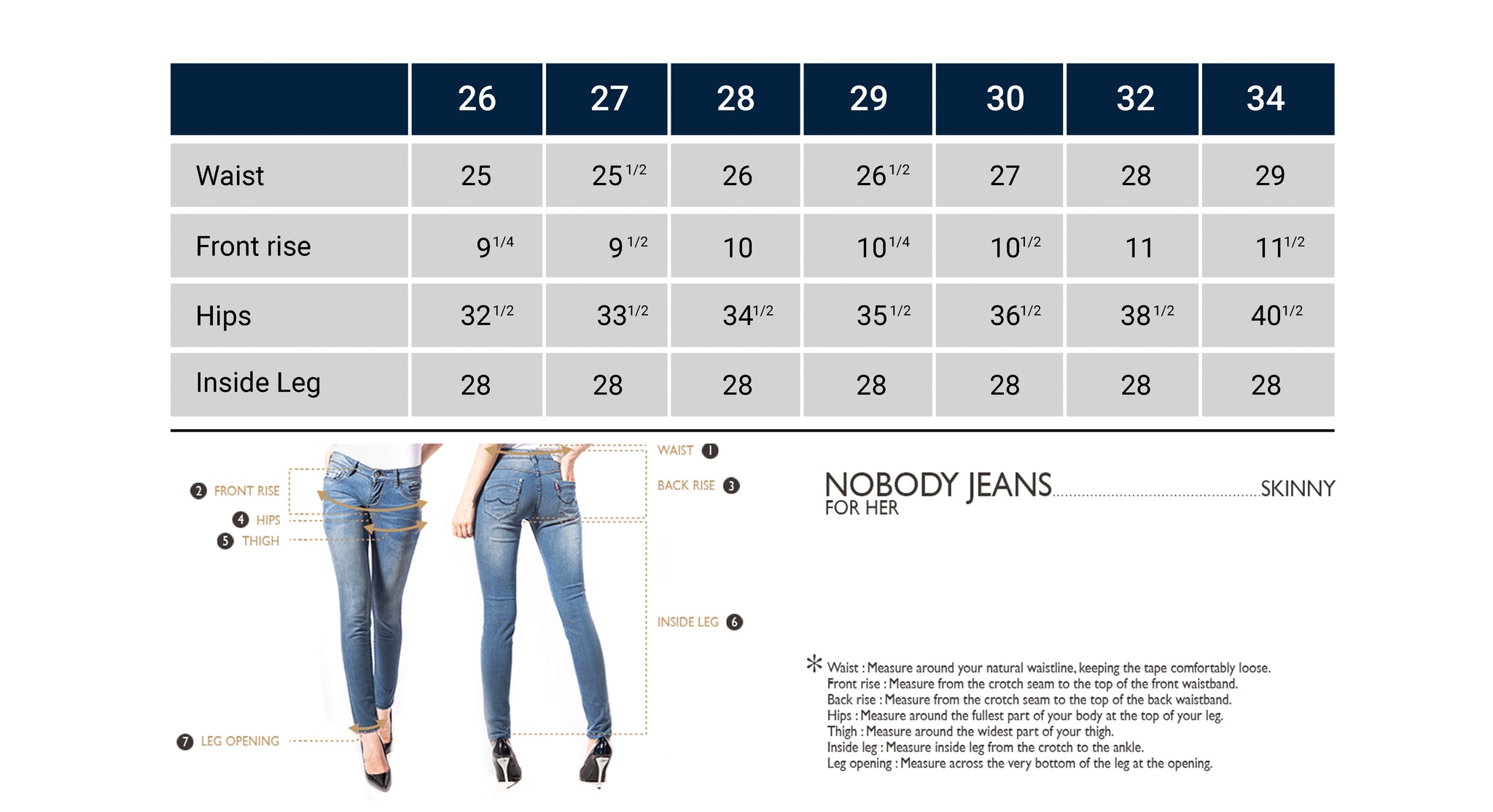
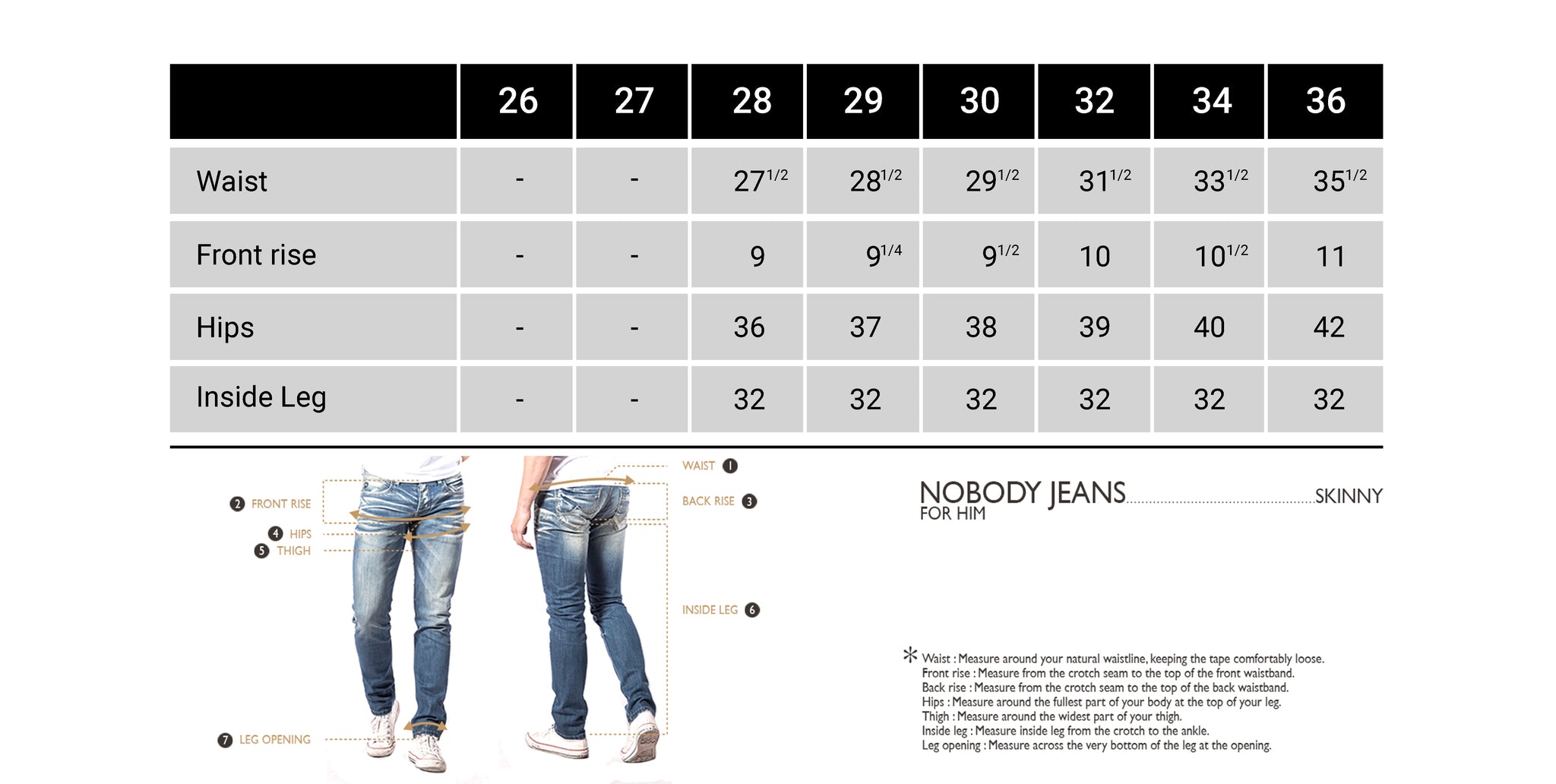
The jean size chart is a handy tool that simplifies the process of finding your perfect fit in denim. This chart provides a standardized way to determine your jean size, making it easier to shop for jeans, both in-store and online. It offers a quick reference for waist and hip measurements, ensuring you choose the right size for your body.
Comparing Standards and Formats
Jean size charts can vary depending on the region and manufacturer. The most common standards are the US and international (metric) systems, each with its own set of measurements and size labels. US sizes are often based on waist size, while international sizes may use a combination of waist and hip measurements. It's essential to know which standard a chart follows to ensure accurate sizing.
Step-by-Step Guide: Measuring for Jeans
To use a jean size chart accurately, follow these steps:
- Gather a measuring tape and stand in a comfortable position. Ensure the tape is straight and not twisted.
- Measure your waist at the narrowest point, usually just above your belly button. This is your waist size.
- Optionally, measure your hip at its widest point, typically around the hip bones. This measurement is crucial for a precise fit, especially for curvier figures.
- Refer to the jean size chart and locate your waist size. Some charts may also provide a hip size range for each waist size, ensuring a better fit.
- Choose the size that corresponds to your measurements. If your waist and hip measurements fall into different size categories, select the size that accommodates your hip measurement to ensure comfort and a flattering fit.
Avoiding Misreadings and Pitfalls
One common mistake is assuming all jean size charts are universal. Always check the standard and units used on the chart. For instance, a US size 8 may not align with an international size 8. Additionally, remember that jeans can stretch over time, so consider choosing a size that feels slightly snug initially.
Factors Affecting Accuracy
Several factors can influence the accuracy of a jean size chart. Firstly, body shape and proportions vary greatly, so a single chart may not cater to all body types. Secondly, denim fabric can stretch and shrink, especially with frequent wear and washing. To account for this, some charts provide a size range or suggest choosing a size down for a more tailored look. Lastly, manufacturing variations can lead to slight size discrepancies between brands. Always refer to the brand's size guide for specific tolerances.
Adapting the Chart for Your Needs
If you prefer a more tailored fit, consider using a pant size calculator or a detailed clothing size chart that considers multiple body measurements. These tools offer a precise fit by accounting for various body dimensions. Alternatively, for a quick and convenient option, stick to the standard jean size chart, which provides a good starting point for finding your size.
Well, there you have it! A comprehensive guide to jean sizes, covering all the bases and offering a practical solution for your sizing needs.
Remember, while this chart is a fantastic tool, it's always wise to double-check your specific requirements and context. Exact values can vary, so ensure you're using the right standards and measurements for your situation. With this guide, you're well-equipped to navigate the world of jean sizes confidently.
Consider bookmarking this page for future reference; it'll be a handy resource whenever you need to size up your denim game!
Related: How to use a sax finger chart?
You're probably here because you need a quick fix, a go-to guide for your saxophone journey. Well, the sax finger chart is your reliable companion on this path. It's a simple yet powerful tool, a map that translates those mysterious finger positions into beautiful music. Whether you're a beginner or a pro, this chart is a must-have, offering a standard fingering system that can vary slightly but is universally understood.
Understanding the Sax Finger Chart
The sax finger chart is your go-to guide for mastering saxophone finger placement. It's a visual representation, often in the form of a table or diagram, that shows you which fingers to place where to produce specific notes. Think of it as a map for your fingers on the saxophone. This chart is an essential tool for any sax player, whether you're a beginner or a pro.
Comparing Chart Formats and Standards
There are a few different types of sax finger charts, but the most common is the standard fingering system. This system is widely used and is based on the layout of the saxophone's keys and pads. It provides a clear, universal guide for players. However, there can be slight variations depending on the type of saxophone, such as alto sax fingerings or tenor sax fingerings, as well as regional differences in notation.
Using the Chart: A Step-by-Step Guide
To use the sax finger chart, follow these steps:
- Identify the note you want to play. This is usually indicated by a letter and an octave number, e.g., C4 or G#5.
- Locate the corresponding fingering on the chart. The chart will show you which keys to press and which fingers to use.
- Place your fingers on the saxophone according to the chart. Ensure a firm but relaxed grip, and pay attention to the positioning of each finger.
- Practice and memorize the fingerings for common notes. The more you practice, the more natural it will become.
- Explore alternative fingerings for advanced techniques. Some charts may include these, offering options for different sounds or easier playing.
Common Misreadings and How to Avoid Them
While the sax finger chart is a valuable tool, there are a few potential pitfalls to watch out for:
- Common Saxophone Fingerings can vary slightly between different sax models and manufacturers. Always double-check the specific fingerings for your instrument.
- Pay attention to octave indicators. Notes with the same letter but different octave numbers will have different fingerings.
- Some charts may use abbreviations or symbols. Familiarize yourself with these to avoid confusion.
- Remember that finger placement is just one aspect of playing. Breath control, embouchure, and technique also play crucial roles in producing the desired sound.
The sax finger chart is a powerful tool, but it's just one part of the learning process. With practice and patience, you'll master the art of finger placement and produce beautiful music on your saxophone.
Well, there you have it! A simple yet effective tool to keep at hand. The sax finger chart is a handy reference, offering a quick solution to those tricky finger placements.
Remember, while this guide provides a solid foundation, always consider your specific instrument and playing style. Exact values might vary, so it's worth double-checking to ensure you're covered.
Feel free to explore our other guides; we've got plenty of resources to enhance your musical journey!