








September Planner Sheet With Lines Overview
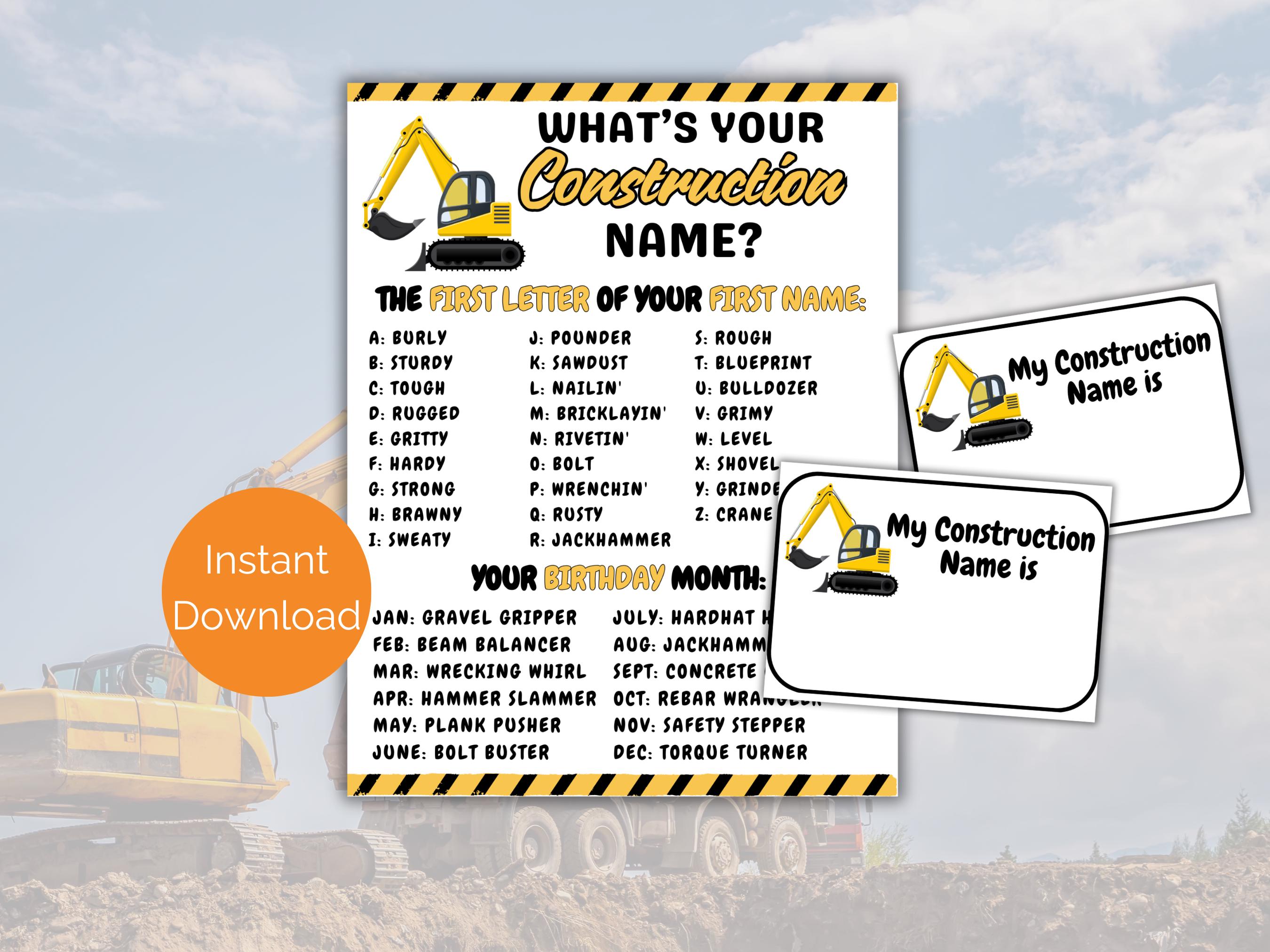
I was chatting with a friend the other day about their new business venture, and the topic of construction name ideas came up. It got me thinking about how important a good name is for any company, especially in the construction industry. So, let's explore this topic and uncover some insights!
Choosing a Name for Your Construction Business
When it comes to construction name ideas, it's all about finding something unique and memorable. Your business name is often the first impression you make on potential clients, so it's crucial to get it right. Think about what sets your company apart and try to capture that essence in a name. It could be a play on words, a nod to your expertise, or a simple, catchy phrase.
Consider the following factors:
- Simplicity: Keep it easy to remember and spell. Avoid long, complicated names that might be a mouthful.
- Relevance: Make sure your name reflects your construction services. It should give an idea of what you do.
- Uniqueness: Aim for something original. You don't want to be confused with another company, especially a competitor.
- Availability: Check if your desired name is available for registration and domain purchase. You don't want legal issues down the line.
Here are a few original name suggestions to get your creative juices flowing:
- Build-it-Right
- Hammer & Saw
- Constructive Solutions
- HomeCrafters
- BuildPro
- Skyrise Builders
Hiring a Contractor: What to Look For
When you're ready to hire a contractor for your construction project, the name of the company is just one piece of the puzzle. Here are some tips to help you find the right fit:
- Research: Look for companies with a solid reputation and positive reviews. Check online platforms and ask for referrals.
- Experience: Ensure the contractor has experience with projects similar to yours. Ask about their portfolio and previous work.
- Licensing and Insurance: Verify that the contractor is licensed and insured. This protects you and ensures they are legitimate.
- Quotes and Estimates: Get multiple quotes to compare pricing and services. Be cautious of extremely low bids, as they might indicate hidden costs or poor quality.
- Communication: Choose a contractor who communicates clearly and keeps you informed throughout the project.
Industry Tools and Resources
In the construction industry, tools like RSMeans can be incredibly valuable. RSMeans provides cost databases and estimating tools, helping contractors and businesses accurately estimate project costs. It's a useful resource for both large and small-scale projects.
Additionally, staying updated on industry trends and outlooks is essential. Construction companies often rely on cost indexes and escalation data to make informed decisions and provide accurate quotes to clients.
Final Thoughts
So, there you have it! Choosing a name for your construction business is an important step, but it's just one aspect of running a successful company. Remember to focus on the quality of your work, build a solid reputation, and provide excellent customer service.
If you're still brainstorming construction name ideas, take your time and consider the tips we've discussed. A great name can be a powerful asset, but it's just the beginning of your construction journey.
Related: Need the Torrid Size Chart? A Quick Guide?
Frustrated by the lack of clarity in size guides? You're not alone! Many of us have been there, staring at a Torrid size chart, wondering if the numbers align with our bodies. It's a common struggle, especially when shopping for plus-size clothing. But fear not! Understanding these charts is easier than you think.
The Torrid size guide, for instance, offers a simple solution. It provides a clear breakdown of measurements, ensuring you find the perfect fit. Whether you're after a Torrid dress size chart or a Torrid jeans size chart, the key is to take your time and measure accurately.
Understanding the Torrid Size Chart
The torrid size chart is your go-to guide for finding the perfect fit in Torrid clothing. It's a simple yet effective tool that helps you navigate their range of sizes and styles, ensuring you get a comfortable and flattering look every time.
Key Details and Categories
The chart provides a clear breakdown of measurements for different body parts, typically including bust, waist, hips, and inseam. These measurements are presented in a table format, with sizes ranging from 00 to 6X, covering a wide range of body types. The units used are inches, a standard measurement system. It's important to note that the chart is designed specifically for Torrid's clothing line, so it may differ from other size guides.
Step-by-Step Guide to Reading the Chart
Here's a simple process to follow when using the torrid size chart:
- Identify your body type and the specific item of clothing you're interested in.
- Locate the relevant size guide for that item on the chart.
- Measure your body according to the guide's instructions. Ensure you're measuring the right body parts accurately.
- Compare your measurements to the size chart. Find the size that most closely matches your measurements across all relevant body parts.
- If you fall between sizes, consider the fabric and style of the garment. Some fabrics have more give, and certain styles may be more forgiving.
- Don't forget to check the reviews and fit notes provided by Torrid and other customers. These can offer valuable insights into how the garment fits in real life.
Size Chart Variations and Differences
It's important to remember that size charts can vary across brands and even within a brand for different clothing types. Torrid clothing size charts may differ slightly for jeans compared to dresses or bras, as these items have unique fit requirements. Additionally, Torrid, like many brands, offers size guides for both US and international (metric) measurements, so ensure you're using the correct guide for your region.
Common Mistakes and How to Avoid Them
- Measuring inaccurately: Ensure you're using a flexible measuring tape and following the instructions precisely.
- Assuming sizes are universal: Remember, each brand's size chart is unique. Don't assume your Torrid size will be the same as another brand.
- Not considering fabric and style: The fit of a garment can vary significantly based on fabric and design.
- Neglecting to check reviews: Customer reviews often provide valuable insights into how an item fits in practice.
- Forgetting to account for personal preferences: If you prefer a looser fit, size up; if you like it snug, size down.
- Relying solely on the size chart: While the chart is a great guide, it's always a good idea to check the fit notes and reviews for a more accurate picture.
Hey there, I hope this guide has been helpful in understanding the Torrid size chart and its practical use. Remember, while the core principles remain the same, the exact details can differ slightly, so it's always good to refer to the specific chart you're using.
Don't hesitate to explore other guides on our site, where you'll find more tips and tricks to enhance your shopping experience and make informed choices. Happy shopping, and stay stylish!
Related: A Clear Guide to Praise Drum Charts
Frustrated by the lack of a quick reference guide? You're not alone. That's why the praise drum chart is an invaluable tool for any musician or enthusiast. This chart, a simple yet effective visual aid, offers a clear and concise way to understand and compare various aspects of praise drums. From drum size charts to tension and tuning, it provides a snapshot of essential information. With this chart, you can quickly grasp the differences and nuances, ensuring an accurate and efficient approach to your musical needs.
Understanding the Praise Drum Chart
The praise drum chart is an essential tool for musicians and enthusiasts, offering a visual representation of key specifications for african praise drums. It provides a quick reference guide to help you choose the right drum and ensure accurate tuning.
Key Details and Categories
This chart typically includes several crucial categories: drum size, measured in both diameter and depth; drumhead tension, which affects the sound and pitch; and tuning methods, offering different approaches to achieve the desired tone. It may also feature a range of standard drum sizes, providing a starting point for your selection.
Interpreting the Chart: A Step-by-Step Guide
- Begin by identifying the drum size you require. The praise drum chart will usually list common sizes, often in both inches and centimeters, to cater to different regions and preferences.
- Next, consider the desired tension and tuning method. These factors will influence the sound and playability of your drum. The chart will provide guidance on achieving the right tension and tuning for your chosen size.
- Follow the chart's recommendations for tuning and tension adjustments. This may involve using specific tools and techniques to achieve the desired sound.
- Finally, fine-tune your drum. The chart can guide you in making minor adjustments to achieve the perfect pitch and tone.
Variations and Differences
It's important to note that praise drum charts may vary depending on the standard or region. Here are some key factors that can cause variations:
- Drum size: While some charts provide a comprehensive list of standard sizes, others may focus on specific ranges or popular dimensions.
- Tuning methods: Different cultures and musical traditions may employ unique tuning techniques, which can result in varied recommendations on the chart.
- Regional preferences: The intended audience of the chart can influence the featured sizes and tuning methods.
Common Mistakes and How to Avoid Them
- Misinterpreting the chart: Ensure you understand the units and measurements used. Some charts may use imperial units (inches), while others opt for metric (centimeters).
- Neglecting drumhead tension: Tension is crucial for the sound and playability of your drum. Don't overlook the tension recommendations on the chart.
- Assuming universality: Remember that while praise drum charts provide valuable guidance, they may not cover every possible size or tuning method. Always double-check specific drum specifications if you require precise details.
- Overlooking regional variations: Be mindful of regional differences in drum sizes and tuning preferences. If you're working with a specific cultural tradition, ensure the chart aligns with those standards.
While this guide offers a comprehensive overview, it's worth noting that specific details may differ slightly based on your unique context or the source you're referencing. Remember, every resource has its own nuances, so it's always beneficial to cross-reference and adapt as needed.
Feel free to explore our other guides for more practical insights and tips. And when you need a quick refresh, don't forget to bookmark this page for easy access!