




Sheet Templates Altium Overview
You're here because you need a quick fix, a reliable reference, or a simple guide to help you choose the right rug size. Well, look no further! The rug sizes chart is your friend and a brilliant tool to have on hand. It's a straightforward, visual aid that takes the guesswork out of selecting the perfect rug dimensions.
This chart is a handy reference, offering a clear overview of standard rug sizes and their corresponding measurements. It's a simple yet effective way to ensure your rug fits the space beautifully, and it can even guide you on the best rug size for different room dimensions.
Rug Sizes Chart: A Practical Guide
Rug sizes charts are a handy reference tool for anyone looking to choose the right rug for their space. These charts provide a quick and easy way to visualize standard rug dimensions and help you make an informed decision. In this guide, we'll explore what these charts offer and how to use them effectively.
Key Details and Units
Rug sizes charts typically display a range of standard rug sizes, often in both imperial and metric units. You'll find measurements for length and width, allowing you to understand the dimensions of each rug size. The charts may also include categories or labels to differentiate between common rug types, such as runner rugs or large area rugs. It's important to note that these charts provide a general guide, and specific rug collections or manufacturers may have slight variations.
Reading the Chart and Choosing the Right Size
Using a rug sizes chart is straightforward. Here's a step-by-step guide:
- Identify the room or space where you want to place the rug. Consider the available floor area and any furniture arrangements.
- Refer to the chart and locate the section that matches your room's dimensions. For example, if your room is 12 feet by 10 feet, look for the corresponding size category.
- Within that category, you'll find various rug sizes. Choose a size that best fits your space, considering the amount of floor coverage you prefer.
- Take note of the rug's length and width measurements. These will help you visualize how the rug will look in your room.
- If you're purchasing online, ensure the rug's dimensions align with your chosen size. Some retailers may have slight variations, so double-check the exact measurements before ordering.
Variations and Differences
While rug sizes charts provide a standardized guide, variations can occur due to different standards and contexts. For instance, international or metric standards may have slightly different measurements compared to imperial units commonly used in certain regions. Additionally, manufacturers might offer custom sizes or have unique naming conventions for their rug collections. It's always a good idea to check the specific rug's measurements and any unique specifications provided by the manufacturer or retailer.
Common Mistakes and How to Avoid Them
When using a rug sizes chart, here are some common pitfalls to watch out for:
- Relying solely on the chart without considering your room's unique layout and furniture placement. Take the time to visualize how the rug will fit within your space.
- Assuming all rugs in a particular size category are identical. Different rug designs and materials may have slight variations in dimensions, so always check the specific rug's measurements.
- Forgetting to account for rug thickness. Thicker rugs may require slightly more floor space to accommodate their bulk.
- Neglecting to measure your room accurately. Take precise measurements to ensure the rug fits as intended.
By being mindful of these potential mistakes, you can ensure a successful rug selection process and achieve the perfect rug placement in your space.
Remember, when it comes to rug sizes, the exact measurements might differ slightly based on various factors. So, always double-check the specific standards or guidelines relevant to your project.
We hope this guide has been helpful! If you're keen to explore more practical tips and tricks, feel free to check out our other guides on a range of home improvement and design topics. Happy decorating!
Related: Understanding DVC Point Charts: A Simple Guide
You're likely here because you're seeking clarity on DVC point charts, a valuable tool for Disney Vacation Club members. These charts provide an overview of your DVC points, offering a quick reference for understanding your vacation ownership and the associated benefits. While the specific values and formats may vary, depending on your membership and region, the DVC point charts serve as a reliable guide to help you navigate and make the most of your Disney vacations.
Understanding the Chart: DVC Point Values
DVC point charts are a valuable tool for members of the Disney Vacation Club (DVC) to understand and manage their vacation ownership and resort points. These charts provide a clear overview of the point values assigned to different DVC resorts, allowing members to plan their vacations effectively. By referring to this chart, members can determine the cost of their desired accommodations and make informed decisions about their vacation plans.
Comparing Resort Point Values
The beauty of DVC point charts lies in their ability to standardize point values across various resorts. Each resort is assigned a specific point value, reflecting its popularity, location, and amenities. These point values are crucial for members as they determine the number of points required to book a stay. The chart typically displays resorts in a hierarchical manner, with the most sought-after destinations having higher point values. Members can easily compare and contrast the point requirements for different resorts, helping them choose the perfect vacation spot.
Step-by-Step Guide: Using DVC Point Charts
To make the most of DVC point charts, follow these simple steps:
- Identify your preferred DVC resort(s) and the desired dates for your vacation.
- Refer to the DVC point chart to find the point value associated with each resort during your chosen time frame.
- Calculate the total number of points needed for your stay, considering the length of your trip and the point values of the resorts.
- Check your DVC account balance to ensure you have sufficient points for your desired reservation.
- Proceed with booking your vacation, utilizing your DVC points effectively.
Avoiding Common Misunderstandings
While DVC point charts are straightforward, it's essential to be aware of potential pitfalls. One common misunderstanding is assuming that point values remain constant throughout the year. In reality, point values can fluctuate based on seasons and demand. Always check the specific dates you wish to travel, as point values may differ between peak and off-peak periods. Additionally, be mindful of any special events or promotions that could impact point values temporarily. Staying informed about these variations will ensure accurate planning.
Factors Affecting Point Value Accuracy
Several factors influence the accuracy of DVC point charts and their real-world application. Firstly, it's crucial to note that point values are subject to change, especially during peak travel seasons or for special events. Members should regularly update their knowledge of point values to ensure they are planning their vacations based on the most current information. Additionally, the availability of certain resorts and accommodations can impact point values, as popular options may require more points during high demand. Staying flexible and open to alternative choices can help members optimize their point usage.
DVC point charts are a handy tool, offering a quick and clear reference for your planning needs. Remember, these charts are a guide, and while they provide a great starting point, it's essential to tailor them to your unique situation.
So, take a moment to review your specific requirements and ensure the chart you choose aligns perfectly with your goals. Then, you'll be all set to make the most of your DVC points!
If you're keen to explore more, our site offers a wealth of resources to enhance your understanding. Why not check out some related guides and continue your learning journey?
Related: Unique Construction Names With Meaning Essential Guide
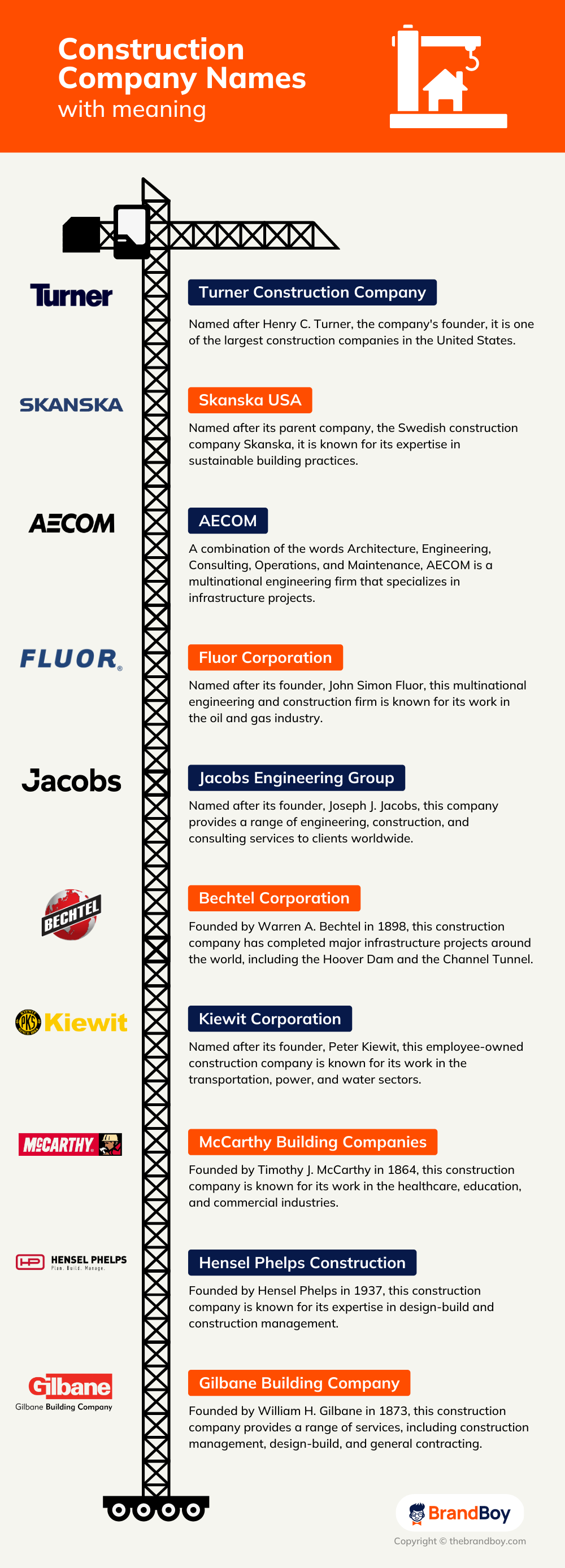
I was chatting with a friend recently, and we got onto the topic of unique construction names with meaning. It's something I've always found fascinating, how a name can capture the essence of a business and leave a lasting impression. So, I thought I'd share some thoughts and insights on this fun aspect of the construction world.
The Power of a Name
A unique and meaningful name for your construction business can set you apart from the competition. It's your first chance to make an impression and connect with potential clients. But what makes a good name? Well, it's a balance between creativity and practicality. You want something memorable, but it also needs to reflect your business's values and services.
Consider the tone and message you want to convey. Is your business focused on innovative, modern construction? Or do you specialize in traditional, heritage-style builds? The name should hint at your expertise and the unique value you bring to the table. It's a chance to showcase your personality and make a bold statement.
Naming Your Business
When brainstorming names, think about words and phrases that resonate with your brand. It could be a play on words, a nod to your location, or a reference to the services you offer. Get creative, but also ensure the name is easy to remember and pronounce. You don't want potential clients stumbling over your business name!
Here are a few original ideas to spark your imagination:
- Build-it-Bright
- Construct-a-Dream
- Hammer & Hive
- Modern Foundations
- Eco-Build Solutions
- The Bricklayer's Club
Remember, it's crucial to check the availability of your chosen name. You'll need to register it with local authorities and secure the domain name for your website. It's a good idea to consult a legal professional to ensure you're covering all the bases.
Standing Out in a Competitive Industry
The construction industry is bustling with businesses, both large and small. So, how do you make your company stand out? A unique and meaningful name is one way to differentiate yourself. It shows you've put thought into your brand and helps you build a strong identity.
Large construction firms often have well-established names that reflect their size and scope. They might incorporate their location or a reference to their long history. Smaller businesses, on the other hand, can use unique names to their advantage, showcasing their specialty and personality.
Finding the Right Contractor
When searching for a contractor, whether for a large-scale project or a home renovation, it's essential to do your research. A unique name can be a great conversation starter, but it's what's behind the name that matters most.
Ask for recommendations from friends and family, and check online reviews. Get quotes from several contractors and compare their services and prices. Don't be afraid to ask questions and ensure you understand the scope of the work and any potential additional costs. A good contractor will be transparent and happy to answer your queries.
Tools of the Trade
In the construction world, there are various tools and resources to help with estimating costs and managing projects. One such tool is RSMeans, a database that provides cost data for various construction projects. It's a valuable resource for both contractors and clients, offering insights into the potential costs of a build.
However, it's important to remember that these tools provide estimates, and the final cost can vary depending on factors like location, materials, and labor. Always get a detailed quote from your contractor and compare it with other estimates to ensure you're getting a fair price.
Final Thoughts
Choosing a unique and meaningful name for your construction business is an exciting step. It's a chance to showcase your creativity and leave a lasting impression. Remember to keep it practical and ensure your name reflects your brand's values and services. And when hiring a contractor, take the time to research and compare, ensuring you find the right fit for your project. Happy building!