


Shein Size Chart Template Overview
You're probably here because you need a quick answer, a simple guide to help you understand nipple size charts and their purpose. It's a common query, and these charts are more useful than you might think! They provide a straightforward way to measure and compare nipple sizes, often alongside other breast-related measurements. While the values may vary depending on the source, a nipple size chart can be a handy reference tool, especially when paired with a bra size guide or areola size chart.
Understanding the Nipple Size Chart
The nipple size chart is a handy reference tool that provides a standardized way to measure and categorize nipple sizes. It offers a simple and visual guide to help individuals understand their nipple dimensions and find the right products or solutions based on size. This chart is particularly useful for those seeking nipple piercings, nipple jewelry, or even nursing aids, as it ensures a comfortable and accurate fit.
Key Details and Categories
The nipple size chart typically displays nipple diameters, measured in millimeters (mm) or inches, depending on the standard being used. It categorizes nipples into size ranges, often with labels like "Small," "Medium," "Large," and so on. These categories provide a quick reference for individuals to identify their nipple size without the need for precise measurements.
Reading the Measurements: A Step-by-Step Guide
Start by locating the chart's measurement scale. This scale will typically run along one edge of the chart, indicating the nipple diameters in either mm or inches.
Next, identify the category labels. These labels, such as "Small," "Medium," or "Large," are usually positioned above or below the measurement scale, indicating the size range.
To determine your nipple size, measure the diameter of your nipple using a ruler or a specialized nipple gauge. Ensure you measure from the base of the nipple, where it meets the areola, to the tip.
Compare your measured diameter to the scale on the chart. Find the corresponding size category, and you've identified your nipple size!
Common Variations and Differences
It's important to note that nipple size charts may vary depending on the standard or region. For instance, a chart designed for the US market might use inches as the unit of measurement, while an international chart might use millimeters. Additionally, some charts may provide more detailed size categories, especially for specialized products like nipple jewelry, which require precise sizing.
Mistakes to Avoid
One common mistake is assuming that all nipple size charts are the same. Always check the units of measurement and the source of the chart to ensure it aligns with your needs. Another pitfall is relying solely on category labels without measuring your nipples. While categories provide a quick reference, precise measurements are essential for an accurate fit, especially for delicate items like piercings or jewelry.
Practical Tips for Accurate Results
When measuring your nipples, ensure you're in a relaxed state. Nipple size can vary slightly depending on factors like temperature and arousal, so it's best to measure when you're comfortable and at rest. If you're measuring for piercings or jewelry, consider consulting a professional piercer or a medical professional for guidance and to ensure you're using the correct techniques and tools.
Double-Checking and Edge Cases
While the nipple size chart provides a useful guide, it's not an exact science. Individual variations and unique anatomical features can sometimes fall outside standard size categories. In such cases, it's essential to consult a professional or the manufacturer's guidelines for specific products. They may provide additional sizing information or custom solutions to accommodate unique nipple sizes.
Hey there, we've covered a lot of ground on this topic, and I hope it's been helpful! Remember, when it comes to nipple size charts, the exact measurements can vary slightly depending on the source or standard you're using, so it's always good to double-check.
This guide aims to provide a straightforward reference, but every body is unique, and so are their measurements. So, if you ever need a quick reminder or want to explore other related topics, feel free to bookmark this page for future use. It's always handy to have these practical guides at your fingertips!
Related: Understand Wrist Size Chart: A Quick Guide
You're probably here because you need a quick answer, and the wrist size chart is a handy tool for just that. It's a simple yet effective way to get accurate measurements, whether you're sizing up for a new watch or jewelry. This chart, a sizing guide, provides a reliable reference, and it's worth noting that the values may vary slightly depending on your region or the brand's standards.
Understanding the Wrist Size Chart
A wrist size chart is a handy tool that helps you determine the right size for various accessories like watches, bracelets, and even medical equipment. It's a simple yet effective guide, often presented as a table or diagram, that provides a quick reference for wrist measurements.
Key Details and Units
The wrist size chart typically includes two main columns: wrist circumference and corresponding size categories. The wrist circumference is measured in centimeters (cm) or inches, depending on the standard being used. You'll find a range of values, usually from around 12 cm to 22 cm, with each value representing a specific wrist size. Alongside these measurements, you'll see size categories, often labeled with letters or numbers, which indicate the appropriate accessory size.
How to Read and Apply the Chart
Using the wrist size chart is straightforward:
Measure your wrist circumference. This is done by wrapping a flexible tape measure around your wrist at the point where you'd wear a watch or bracelet. Ensure the tape is snug but not too tight.
Locate your measurement on the chart. Find the value that matches your wrist circumference.
Determine your size category. The chart will provide a letter or number corresponding to your measurement. This is your size category.
Select the right accessory. When shopping for watches, bracelets, or other wrist-worn items, refer to the size category you've identified. Most manufacturers will provide a size guide, ensuring you choose the perfect fit.
Variations and Differences
It's important to note that wrist size charts may vary slightly depending on the standard or region. Some charts might use different units of measurement, like millimeters (mm) or even a combination of cm and inches. Additionally, certain manufacturers or brands might have their own unique sizing systems, so always double-check the specific guidelines provided by the brand you're interested in.
Common Mistakes and How to Avoid Them
When using a wrist size chart, one common mistake is measuring your wrist incorrectly. Ensure you follow the instructions precisely to get an accurate reading. Another pitfall is assuming all charts are universal. Always check the units and standards used on the chart to ensure it aligns with your needs. Additionally, be aware that some accessories, like medical equipment, might require more precise measurements, so always refer to the specific guidelines provided. Finally, remember that wrist sizes can change slightly throughout the day due to factors like temperature and activity levels, so consider measuring at different times for the most accurate result.
Hey there! I hope this guide has been helpful in understanding wrist size charts and their practical use. Remember, while the basics remain the same, exact values can vary, so always double-check your source.
Don't forget to bookmark this page for future reference. It's a handy tool to have at your fingertips, and you never know when you might need to measure a wrist or two!
Related: Understanding the HRV Chart by Age
You're here because you want a quick insight into that HRV chart by age you've been looking at. It's a handy tool, right? A simple chart can offer a lot of insight, and when it comes to HRV, these visual references are key.
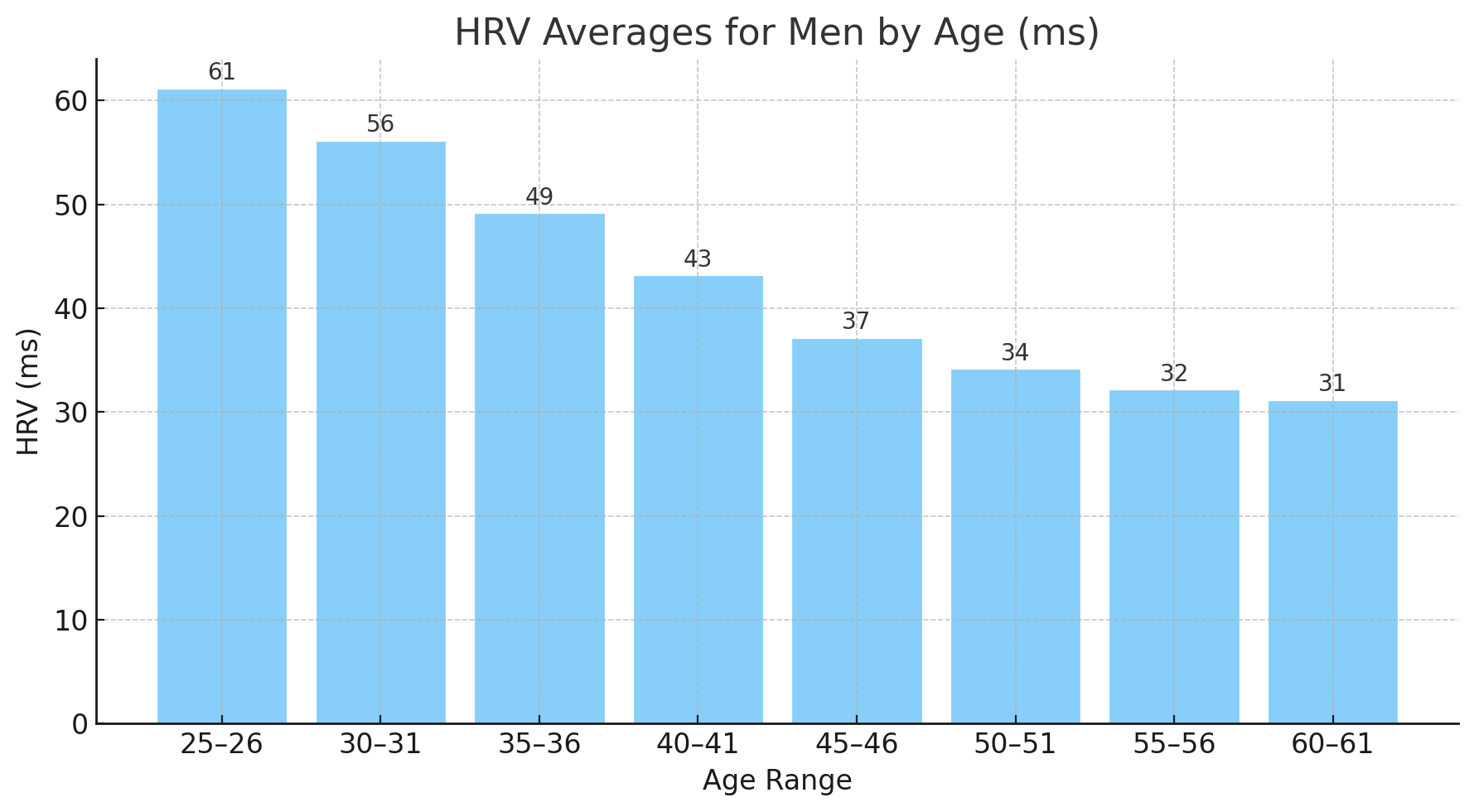
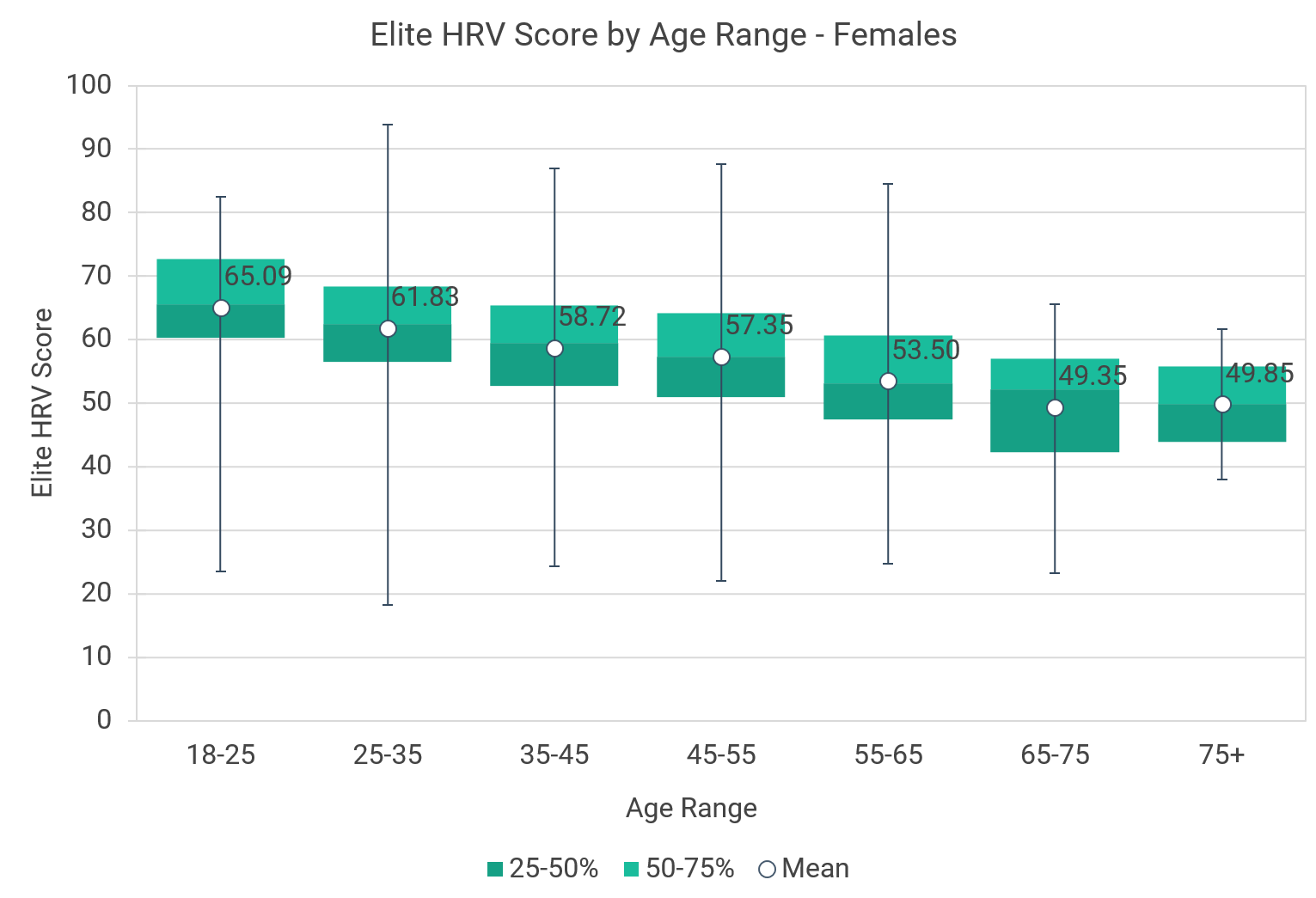
The age-based chart is a great starting point, but did you know there are also charts for gender, fitness level, and activity? These charts can vary slightly, so it's good to keep an eye out for any specific details that might be relevant to you.
Understanding HRV Charts: An Overview
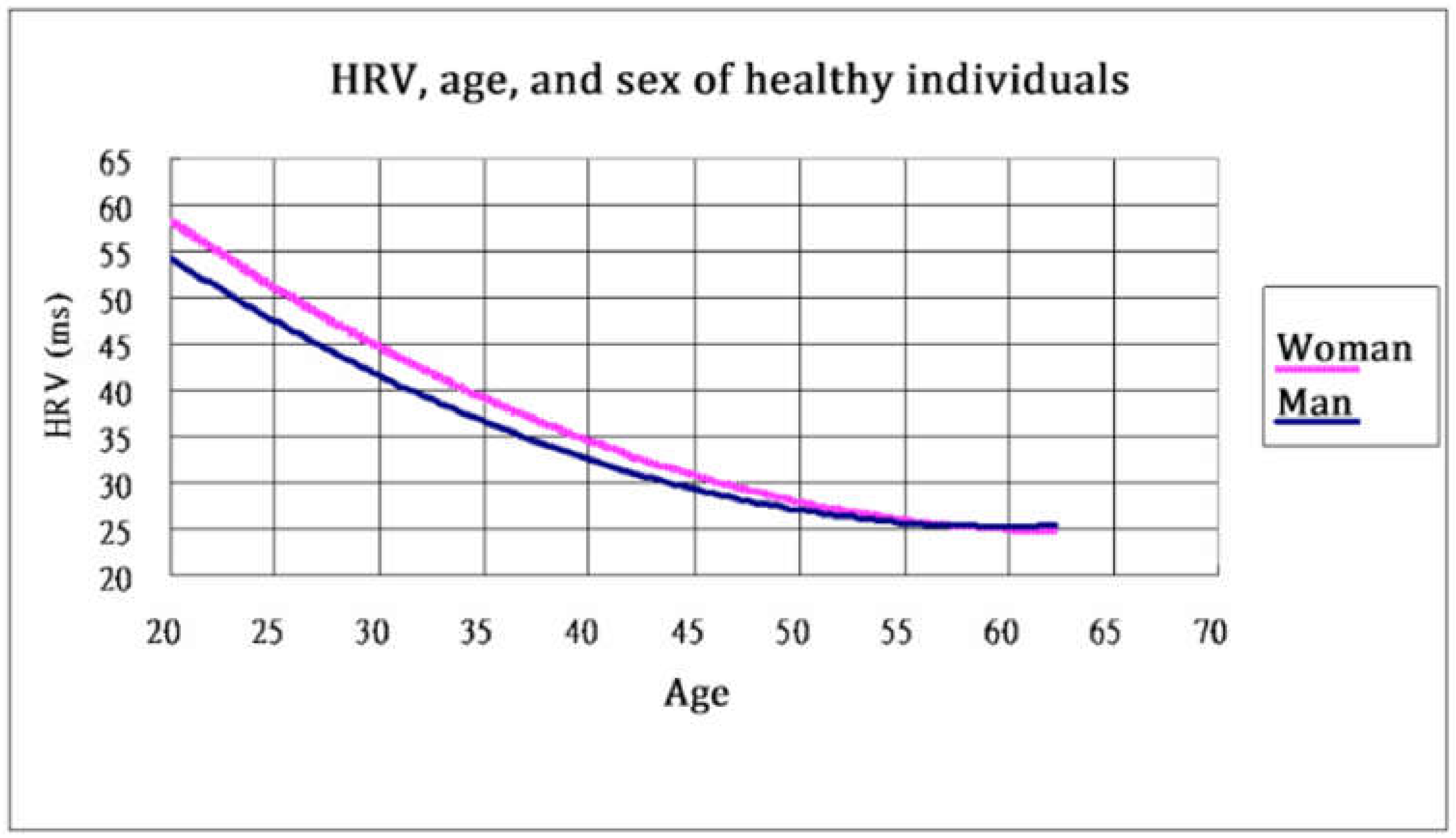
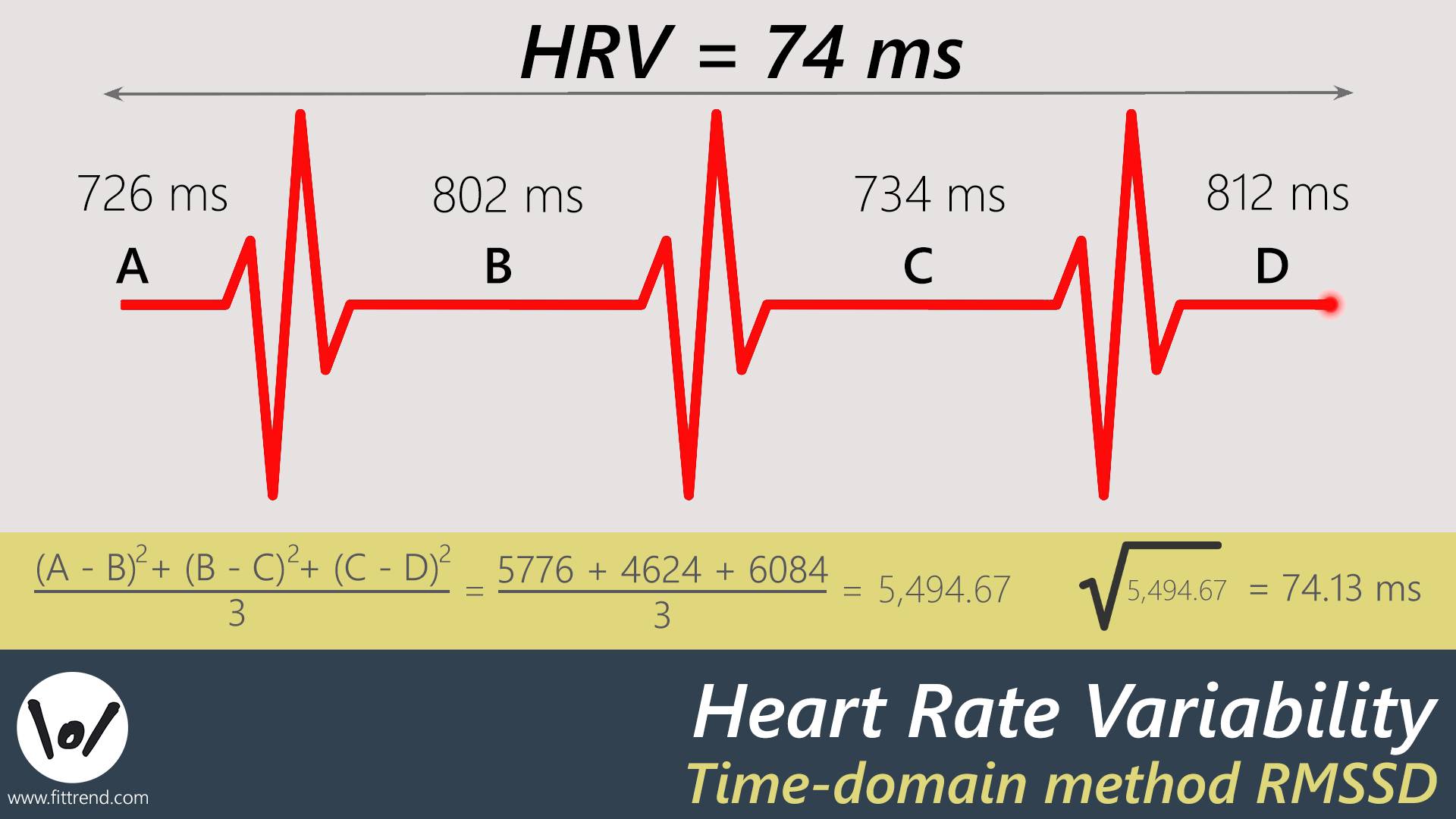
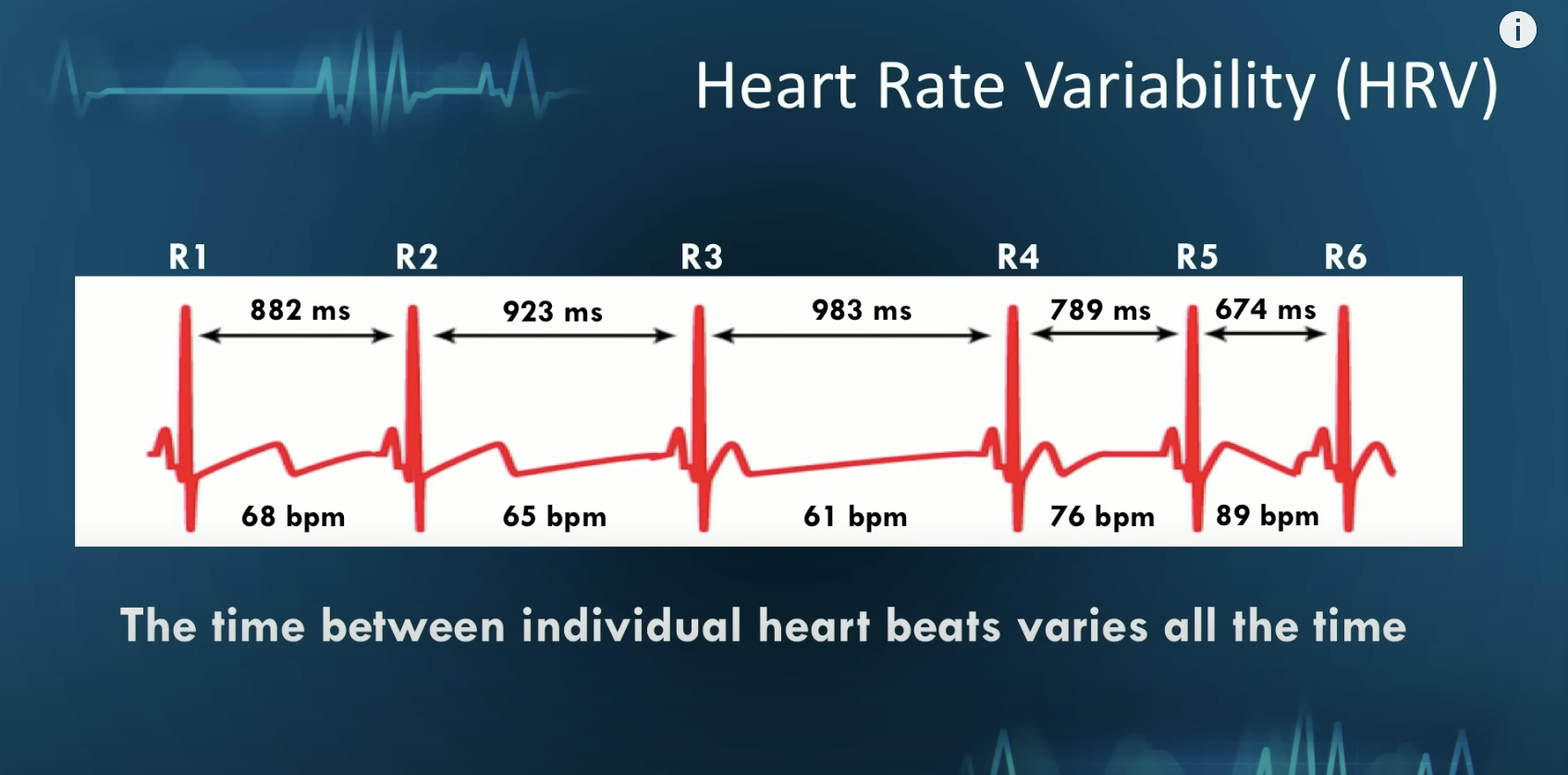
An HRV chart by age is a valuable tool to assess your heart rate variability, which is a measure of the time interval between heartbeats. This chart provides insights into your overall health and fitness level. It's like having a personal guide to understand your body's response to various factors.
Comparing HRV Chart Standards and Categories
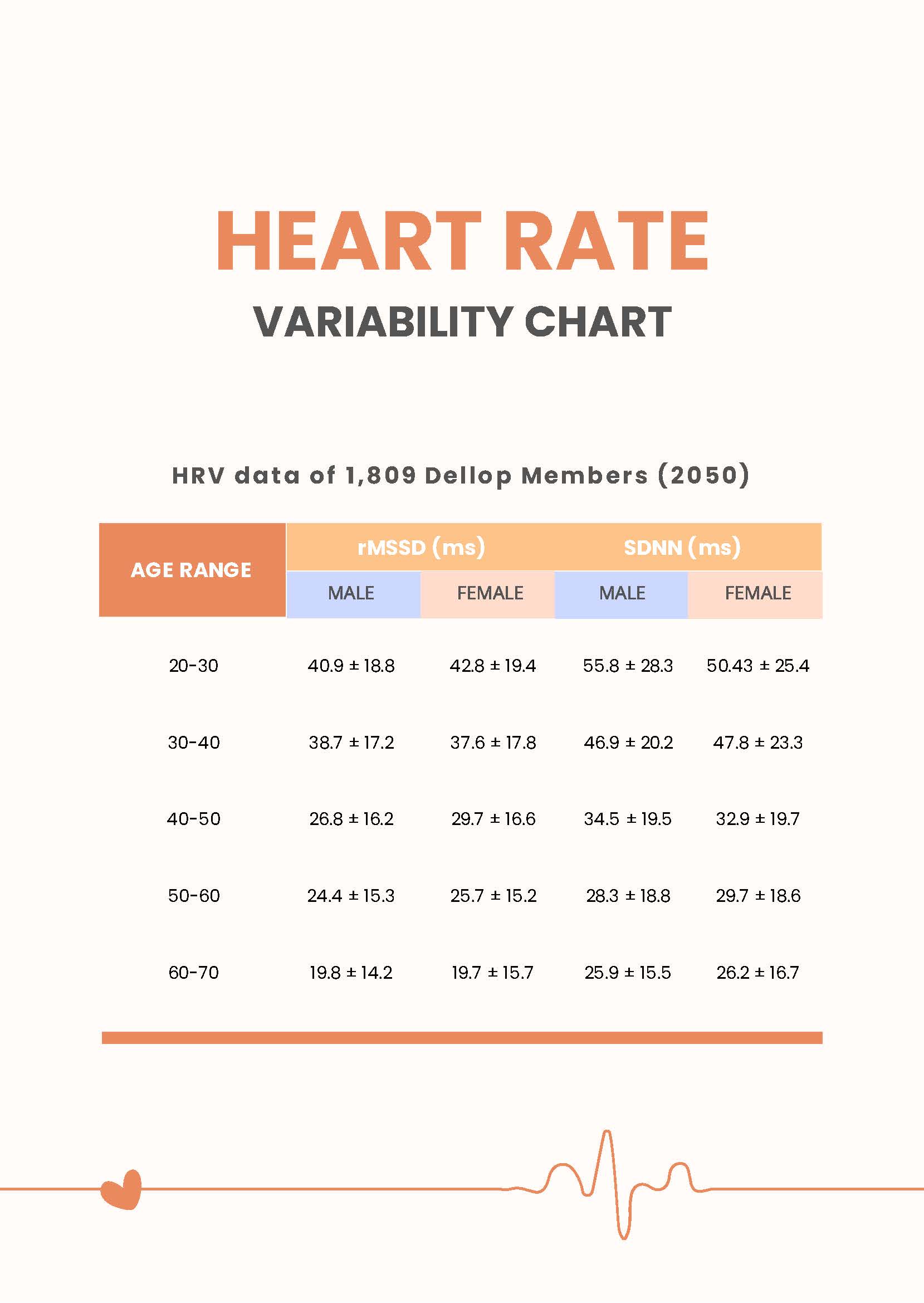
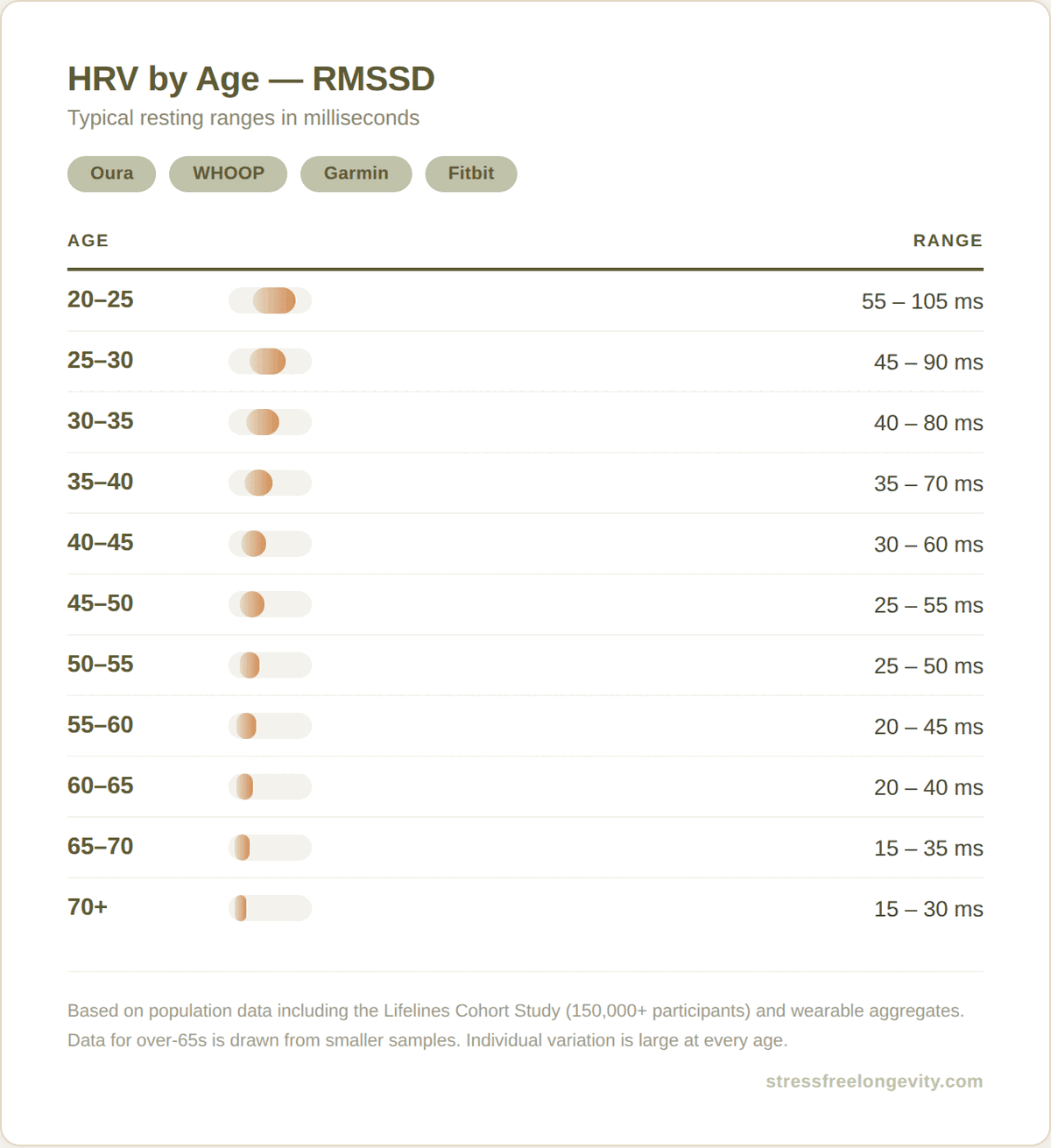
When you look at an HRV chart by age, you'll notice different categories or color-coded sections. These represent various age groups, typically in 10-year intervals, such as 20-29, 30-39, and so on. Each category has specific ranges or values associated with it. For instance, the chart might show optimal HRV values for different ages, helping you understand where you stand.
Step-by-Step Guide to Reading an HRV Chart Accurately
Identify your age group: Start by finding the category or color that matches your age range. This is your reference point.
Check the values: Within your age group, you'll see a range of numbers. These represent the typical HRV values for people of your age. Compare your own HRV measurement to this range.
Interpret the results: If your HRV value falls within the optimal range for your age group, it's a good sign! It indicates your heart is functioning efficiently and your overall health is on track. If your value is lower, it might suggest room for improvement, and you can take steps to enhance your cardiovascular health.
Common Misreadings and How to Avoid Them
It's important to remember that HRV charts by age are general guidelines. Individual variations exist, so don't panic if your HRV value is slightly outside the optimal range. Factors like gender, fitness level, and activity can also influence HRV. For instance, highly active individuals might have different HRV patterns. Always consider these factors when interpreting your HRV chart.
Factors Affecting HRV Chart Accuracy and Real-World Use
Several factors can impact the accuracy of your HRV chart reading. First, ensure you're using the correct chart for your region or standard. Some charts might use different units or ranges, so double-check the specifications. Additionally, your lifestyle choices, such as diet, exercise, and stress levels, can significantly affect your HRV. For instance, regular exercise tends to improve HRV. Lastly, remember that HRV charts provide a snapshot of your health. Consistent monitoring over time is key to understanding your body's trends and making informed decisions about your well-being.
Hey there! I hope this guide has been helpful and given you a clear understanding of HRV charts and their use. Remember, while we've covered the basics, there are always some nuances to consider. Exact details might vary slightly, so it's good to keep an open mind and adapt as needed.
Feel free to explore our other guides for more practical tips and insights. And don't forget to bookmark this page for future reference—it's a handy tool to have at your fingertips!