







Siemens Z Planner Overview
Many people often overlook the importance of understanding a roof pitch chart and its role in roofing projects. It's a simple yet powerful tool, often underestimated, but it can make a huge difference!
A roof pitch chart is your guide to determining the slope or incline of your roof, offering a clear visual representation. While values may vary, this chart ensures you get the right measurements, whether you're a DIY enthusiast or a professional. It's an essential step to ensure your roof is built or repaired correctly.
Understanding Roof Pitch Charts
A roof pitch chart is a handy tool that helps you visualize and understand the slope or incline of a roof. It provides a simple way to measure and categorize roof angles, which is crucial for various construction and design purposes.
Key Details and Categories
The chart typically displays roof slope values, often in degrees, along with a corresponding pitch ratio. The pitch ratio is a simple way to describe the steepness of the roof, usually given as a fraction or a ratio of rise to run. For example, a 4:12 pitch ratio means the roof rises 4 inches for every 12 inches of horizontal run.
How to Read and Apply the Chart
To use the roof pitch chart, you'll need to measure the roof's slope or angle. This can be done using a simple tool like a level or a more advanced device like a laser distance meter with an angle measurement feature. Once you have the angle, you can find it on the chart and read the corresponding pitch ratio.
Here's a step-by-step guide:
- Measure the roof angle: Place your tool on the roof surface and measure the angle relative to the horizontal plane.
- Locate the angle on the chart: Find the angle value on the chart, which often has a scale or a series of angles listed.
- Read the pitch ratio: Next to the angle, you'll see the pitch ratio, which tells you the steepness of the roof.
- Use the pitch ratio: This ratio is essential for various calculations and considerations, such as determining the amount of roofing material needed, the pitch of gutters, or the structural integrity of the roof.
Variations and Differences
It's important to note that roof pitch charts can vary depending on the standard being used. Different regions and industries may have their own conventions for measuring and categorizing roof slopes. For example, some charts may use different units or have slightly different categories. It's crucial to ensure you are using the right chart for your specific context and region.
Common Mistakes and How to Avoid Them
One common mistake is assuming all roof pitch charts are the same. Always double-check the units and categories used in the chart to ensure accuracy. Another pitfall is misinterpreting the pitch ratio. Remember, the pitch ratio is a simple representation of the roof's steepness, but it doesn't provide all the information about the roof's design.
Practical Tips for Accurate Results
When measuring roof angles, ensure you are measuring the correct surface. Some roofs may have multiple slopes or complex designs, so it's essential to measure the specific area you are interested in. Additionally, consider the roof's orientation and ensure your measurements are consistent with the chart's orientation.
Double-Checking and Handling Exceptions
While roof pitch charts are valuable, they may not cover every possible scenario. For unique or complex roof designs, it's best to consult an expert or refer to detailed specifications. Always double-check critical measurements and consider seeking professional advice for precise results, especially for safety-critical applications.
Hey there! I hope this roof pitch chart guide has been helpful and easy to follow. Remember, while the basics remain the same, the exact details might shift a bit based on your specific project and the standards you're working with.
Feel free to explore our other guides for more practical tips and tricks. We've got a range of topics to help you with all your DIY and home improvement projects. Happy building!
Related: Understanding the Tattoo Hurt Chart
A tattoo hurt chart is a valuable resource for anyone considering body art, offering a visual representation of the potential pain levels associated with different tattoo placements. This guide aims to demystify the process, providing an overview of how these charts work and what they can tell you.
The tattoo hurt chart is a simple yet effective tool, often presented as a table or diagram, which rates various body parts based on their pain sensitivity during the tattooing process. While the exact values may vary, depending on individual pain tolerance and the artist's technique, it serves as a useful reference point, helping you make an informed decision about your tattoo journey.
A Guide to Tattoo Pain: Understanding the Hurt Chart
The tattoo hurt chart is a valuable tool for anyone considering body art, providing an insight into the relative pain levels associated with different tattoo placements. This chart serves as a reference, offering a visual representation of pain intensity to help individuals make informed decisions about their tattoo journey.
Comparing Pain Levels: The Tattoo Pain Index
The tattoo pain index is a standardized scale that rates the pain associated with various body parts. It categorizes pain levels from mild to severe, considering factors such as skin sensitivity and nerve density. The chart typically uses a numerical scale, with higher numbers indicating greater pain. For example, a rating of 5 might represent moderate pain, while a 10 signifies an intense, uncomfortable experience.
How to Use the Tattoo Hurt Chart: A Step-by-Step Guide
Identify the Body Part: Start by locating the specific area on your body where you plan to get tattooed. Different body parts have varying pain thresholds due to their unique anatomical characteristics.
Consult the Chart: Refer to the tattoo hurt chart to find the corresponding body part. Each body part is assigned a pain rating, providing an indication of the expected discomfort.
Interpret the Scale: Understand the scale's range and what each number signifies. A rating of 3 might indicate a mild discomfort, suitable for those new to tattoos, while a 7 could suggest a more challenging experience.
Consider Personal Factors: Remember that pain perception is subjective. Your personal pain threshold and tolerance play a significant role. Some individuals may find a certain rating more bearable than others.
Discuss with Your Artist: Share your concerns and expectations with your tattoo artist. They can offer insights based on their experience and provide techniques to manage pain effectively during the process.
Common Misconceptions and Pitfalls
While the tattoo hurt chart is a valuable guide, it's essential to be aware of potential misconceptions. Firstly, pain perception varies greatly among individuals, so the chart should be used as a general reference rather than an absolute indicator. Additionally, the chart may not account for all variables, such as the complexity of the design or the artist's technique. It's crucial to have open communication with your artist to ensure a comfortable and enjoyable tattoo experience.
In summary, the tattoo hurt chart is a practical tool to navigate the pain associated with different tattoo placements. By understanding the scale, considering personal factors, and seeking professional advice, you can make informed decisions and embrace the tattoo journey with confidence.
Tattooing is an art, and like any art form, it comes with its own set of considerations. Remember that every experience is unique, and the pain threshold can vary from person to person. The chart provides a general guide, but your personal journey may differ slightly.
Feel free to explore other guides on our site to deepen your understanding and make informed choices. We've got you covered with various resources to ensure your tattoo experience is as enjoyable and comfortable as possible. Happy inking!
Related: Names For Concrete Business Essential Tips
I was thinking about starting a names for concrete business the other day, you know, something to do with construction and building. It got me wondering about the right name, something that would stand out and be memorable. So, I did some research and here's what I found...
Choosing a Name for Your Concrete Business
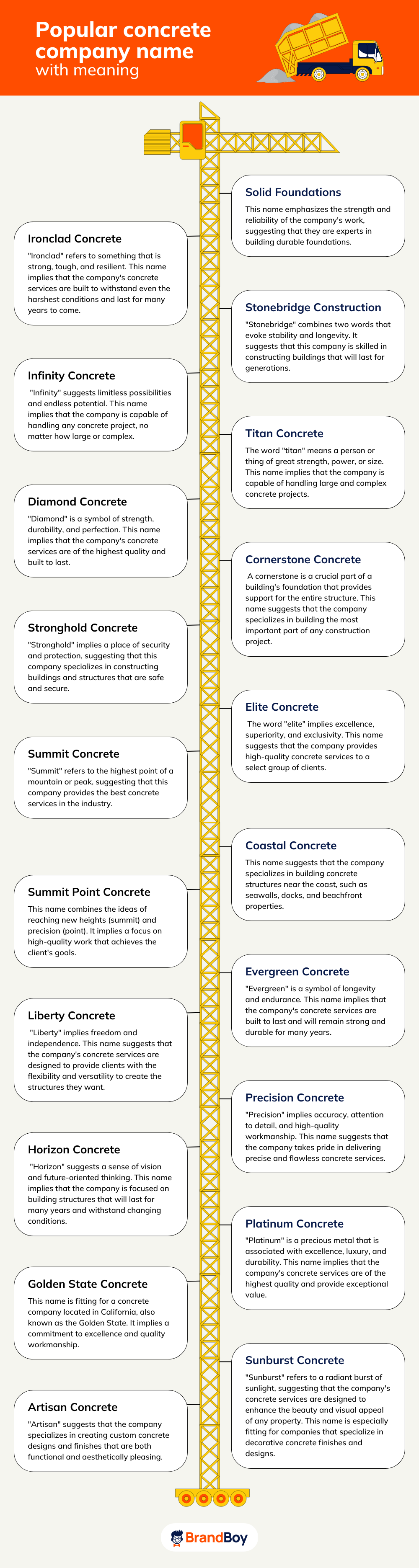
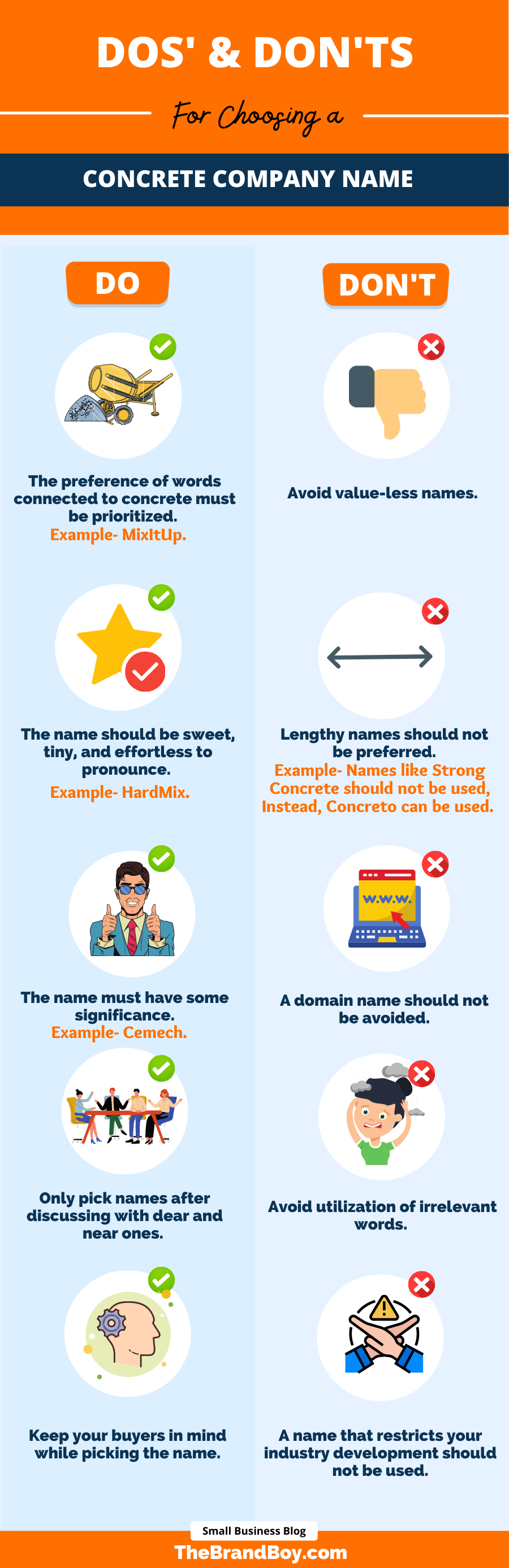
When it comes to naming your concrete business, you want something that reflects the strength and durability of the industry. A name that is catchy and easy to remember will help your business stick in people's minds. Consider words like "solid", "foundation", or "build" to convey a sense of stability and reliability.
What Makes a Good Name?
A good name for a concrete business should be unique and not too generic. Avoid common terms like "construction" or "builders" as these can be used by many different companies. Instead, focus on creating a name that is specific to your business and the services you offer. You could also consider using a play on words or a clever combination of words to make your business name memorable.
Example Names
Here are a few ideas to get you started:
- Solid Foundations
- Rock-Solid Builders
- Concrete Creations
- Build-It-Right
- Stronghold Construction
- Everlast Builders
Remember, these are just a few suggestions, and you can always get creative and come up with your own unique name.
Registering Your Business Name
Once you've settled on a name, you'll need to check its availability and register it. This process varies depending on your location, so it's best to contact your local business registration office or check their website for guidance. You'll also want to secure a domain name for your website and any social media handles to ensure your online presence is consistent.
Hiring a Contractor
If you're hiring a contractor for your project, whether it's a home renovation or a new build, it's important to do your research. Check their qualifications, experience, and references. Ask for a detailed quote, including a breakdown of costs, and compare it with other quotes to ensure you're getting a fair price. Don't be afraid to ask questions and seek clarity on any aspects of the quote you don't understand.
The Cost of Renovations
Renovation costs can vary greatly depending on the scope of the project, the materials used, and the location. It's always a good idea to get multiple quotes from different contractors to compare prices and ensure you're getting a competitive rate. Remember, the cheapest quote might not always be the best option, so consider the quality of the work and the reputation of the contractor too.
Industry Tools and Resources
There are various tools and resources available to help with construction and remodeling projects. RSMeans, for example, is a popular cost database used by professionals to estimate project costs. It provides accurate data on materials, labor, and other construction-related expenses. These tools can be beneficial for both contractors and homeowners to ensure projects stay on budget.
Construction Jobs and Salaries
The construction industry offers a range of job roles, from general contractors and estimators to specialized tradespeople. Salaries can vary depending on experience, qualifications, and the specific role. If you're looking for construction jobs, online job boards and local employment agencies are great places to start your search.
So, there you have it! A few insights into the world of names for concrete business. It's an exciting industry to be a part of, and with the right name and approach, you can build a successful business. Good luck!