






Simone Lutgert Gomez Overview
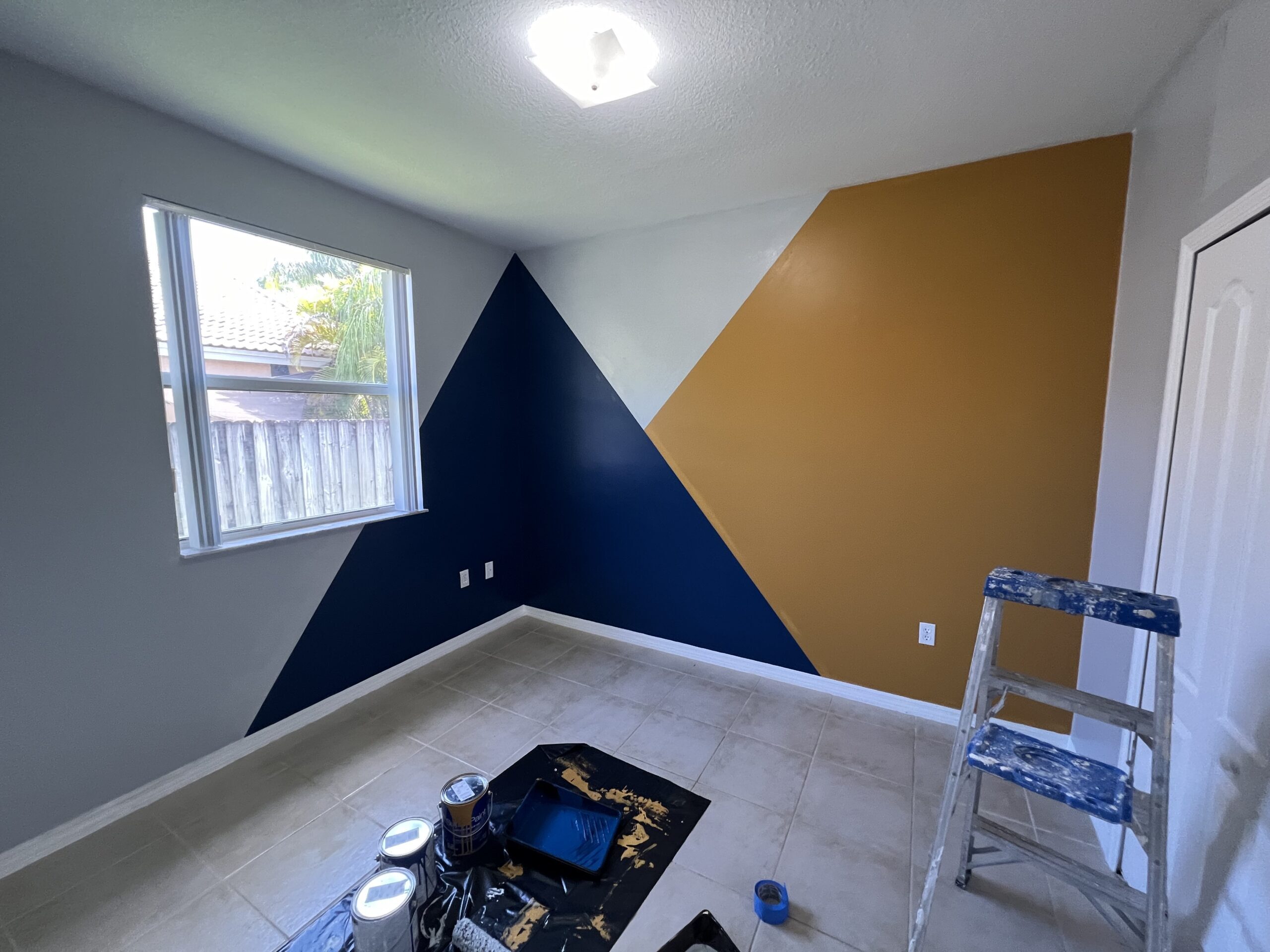
I'm getting ready to tackle a how to remodel painting project and it's a bit daunting. I mean, where do I even start? I've never done this before and I want to make sure I do it right. So, I've been doing some research and I've learned a few things that I think might help others in a similar situation.
Understanding the Process
How to remodel painting is a specific type of home remodeling project that involves updating the look and feel of a room or space through a fresh coat of paint. It's a great way to transform a space without a major renovation, and it can be a fun and creative process. But, it's important to know what you're getting into and how to navigate the world of painting contractors and costs.
The first step is to assess the scope of your project. Consider the size of the space, the number of rooms, and the type of paint you want to use. This will impact the overall cost and the time it takes to complete the job. You'll also need to decide if you want to tackle the project yourself or hire a professional.
Hiring a Contractor
If you decide to hire a contractor, there are a few things to keep in mind. First, get multiple quotes. Compare prices, but also consider the quality of the work and the reputation of the company. Check online reviews and ask for references. A good contractor will be transparent about their process and pricing.
When comparing quotes, look for a detailed breakdown of the costs. This should include labor, materials, and any additional services like preparation work or special finishes. Make sure the quotes are for the same scope of work so you can make an apples-to-apples comparison.
Company Names and Reputation
The construction and remodeling industry is full of companies with unique names. A good company name should be memorable, easy to spell and pronounce, and reflect the nature of the business. It's also important to check the availability of the name and secure the relevant domain and local business registrations.
Some example names could be:
- Brushstroke Builders
- Colorful Creations
- Fresh Coat Pros
- Paint Perfect Pros
- Wall Wizards
- The Paint Pros
Construction Jobs and Salaries
The construction industry offers a range of jobs, from general contractors to estimators and project managers. Salaries can vary depending on experience, location, and the size of the company. It's a diverse industry with opportunities for growth and specialization. Many construction companies post job openings on their websites, and there are also dedicated construction job boards online.
Industry Tools and Data
Tools like RSMeans provide valuable data for the construction industry. They offer cost databases and escalation tools that help contractors and estimators calculate and manage project costs. This data is essential for accurate quotes and project planning. It ensures that costs are estimated correctly and that projects are profitable.
Large vs. Small Companies
The construction industry is diverse, with both large and small companies. Large companies often have more resources, allowing them to take on bigger projects and offer a wider range of services. They may also have more specialized staff. Small companies, on the other hand, can offer a more personalized service and may be more flexible in their approach.
Final Thoughts
How to remodel painting is a great way to update your home, and with the right approach, it can be a smooth and satisfying process. Remember to do your research, get multiple quotes, and choose a contractor who suits your needs and budget. It's a fun project that can really transform a space, so enjoy the process and the results!
Related: Find Your Perfect Puma Size: A Quick Guide
A common pitfall when using a Puma size chart is assuming that one standard size fits all. This is a mistake many of us have made, and it's an easy trap to fall into, especially with the variety of sizing systems out there. The Puma size chart, a simple yet essential tool, offers a reliable guide to ensure you find the perfect fit for your Puma gear. It's a quick reference, but one that can make a big difference in your comfort and confidence.
Understanding the Puma Size Chart: Your Guide to Perfect Fit
The Puma size chart is a valuable tool for anyone looking to purchase Puma footwear or apparel. It provides a clear and concise guide to help you find your ideal size, ensuring a comfortable and well-fitted product. This chart is designed to offer a standardized sizing system, making it easier for customers to navigate Puma's range.
Comparing Size Standards: International vs. US
Puma size charts typically follow two main standards: the international or metric system and the US sizing system. These charts provide conversions between the two, ensuring a seamless shopping experience for customers worldwide. The international system uses centimeters (cm) for length measurements, while the US system relies on numerical sizes.
Step-by-Step Guide to Using the Puma Size Chart
To accurately use the Puma size chart, follow these simple steps:
Identify the type of product you wish to purchase. Puma's size charts cater to various items, including shoes, clothing, and accessories.
Locate the specific size chart for your chosen product. Puma provides separate charts for men's, women's, and kids' sizes, ensuring an accurate fit for all.
Measure your body or feet, depending on the product. For shoes, measure your foot length accurately, ensuring you stand up straight and measure both feet, as sizes may vary slightly.
Refer to the size chart and find your measurement. The chart will provide a range of sizes with corresponding measurements. Choose the size that aligns with your measurement, ensuring a comfortable fit.
Consider any additional fit preferences. Puma's size charts offer guidance on whether a particular style runs small, large, or true to size. This information helps you make an informed decision.
Common Misreadings and How to Avoid Them
While the Puma size chart is straightforward, a few common misreadings can occur:
Shoe size variations: Shoe sizes can vary slightly between brands, so always refer to Puma's specific chart. Don't assume your usual size will fit perfectly.
Clothing size differences: Clothing sizes can be influenced by various factors, such as style, fabric, and fit preferences. Puma's size guide offers helpful tips to ensure an accurate fit.
Kids' sizes: Children's growth can be rapid, so regular measurements are essential. Puma's kids' size chart provides age and height ranges to help you choose the right size.
Remember, while the Puma size chart is a valuable tool, it's always a good idea to double-check specific product details and customer reviews for any unique sizing considerations.
While every effort has been made to ensure the accuracy of this guide, it's important to note that exact details can differ slightly depending on the specific product or brand you're dealing with. Puma's size charts are a great starting point, but always double-check with the manufacturer's guidelines for the most precise fit.
Remember, this is a handy reference, so feel free to bookmark this page for future use. It's a quick and easy way to ensure you're getting the right size, and it's always good to have these practical guides on hand. For more helpful tips and tricks, be sure to explore our other guides too!
Related: Understand the Wire Color Chart: A Quick Guide
You've likely found yourself here because you're seeking a simple, reliable guide to understanding wire color charts and their applications. Whether you're an electrician, a DIY enthusiast, or simply tackling a home wiring project, these charts are an essential tool for accurate identification and safe electrical work. While the values and formats may vary depending on your region and the specific standards followed, the wire color chart remains a universal reference, offering a clear and consistent way to identify wire functions and characteristics.
Understanding the Wire Color Chart: A Practical Guide
The wire color chart is an essential tool for anyone working with electrical wiring, providing a quick reference to identify and understand the purpose of different wire colors. This chart serves as a visual guide, offering a simple yet effective way to navigate the complex world of electrical systems.
Comparing Color Patterns and Standards
Various color patterns and standards exist, and it's crucial to know which one applies to your specific context. The most common standard is the wire color code, which is widely used in North America. This standard assigns colors to indicate the function of each wire, such as hot, neutral, and ground. Other regions may follow different conventions, so it's important to be aware of these variations.
Step-by-Step Guide to Using the Chart
Here's a simple process to utilize the wire color chart effectively:
- Identify the standard or region-specific chart that applies to your wiring system. This ensures accuracy and safety.
- Locate the specific wire you want to identify on the chart. Look for the color and, if available, any additional markings or stripes.
- Refer to the chart's legend or key to interpret the color's meaning. It will provide information about the wire's function, such as voltage level or conductor type.
- Cross-reference the chart with any additional information or specifications provided by the manufacturer or relevant standards. This step ensures you have a complete understanding of the wire's purpose and any specific requirements.
Troubleshooting Misreadings and Pitfalls
Misinterpreting wire colors can lead to serious safety hazards. Always double-check your readings and consider these common pitfalls:
- Faded or discolored wires: Over time, exposure to elements can cause wires to change color. Ensure you are referring to the current and accurate color of the wire.
- Multiple standards: Be aware of different standards and their variations. For example, the voltage color code may differ between countries or regions.
- Manufacturer-specific codes: Some manufacturers use unique color codes for specific applications. Always refer to the relevant documentation or consult an expert if needed.
Factors Affecting Accuracy and Real-World Use
Several factors can influence the accuracy of the wire color chart and its practical application:
- Age and condition of wiring: Older wiring may have faded or damaged insulation, making color identification challenging.
- Custom installations: In some cases, wires may be custom-colored or marked, especially in specialized industrial applications.
- International variations: As mentioned, different countries and regions have their own standards and color codes. Always verify the applicable standard for your location.
- Safety considerations: Always prioritize safety when working with electrical systems. If in doubt, consult a qualified electrician or refer to official guidelines.
Adapting the Chart for Specific Needs
The wire color chart can be adapted to suit various needs and applications. Here are some considerations:
- Custom charts: If you work with specialized wiring or have unique requirements, creating a custom chart or color-coding system can be beneficial. Ensure it is well-documented and shared with relevant personnel.
- Color-coding consistency: Maintain consistency in your color-coding practices to avoid confusion. This is especially important in large-scale projects or when multiple teams are involved.
- Refer to industry guidelines: For specific industries or applications, there may be established guidelines or best practices for wire color-coding. Follow these recommendations to ensure compliance and safety.
While the wire color chart is a valuable tool, it's important to remember that variations exist. Exact details may differ slightly between different standards or sources, so it's always a good idea to double-check and ensure you're using the right reference for your specific needs.
Feel free to explore our other guides for more practical tips and insights. We've got a range of topics covered, so you can find the information you need to tackle any project with confidence.