







Simple Invoice Order Printer Overview
A jacket size chart is a handy tool to ensure you get the perfect fit when shopping for outerwear. This guide will navigate you through the process of understanding and utilizing these charts effectively. Whether you're seeking a coat size chart or a jacket sizing guide, this reference covers the basics to help you find your ideal size. While values may vary across different brands and standards, a clear jacket size chart can provide a reliable starting point for your measurements.
Understanding Jacket Size Charts
A jacket size chart is a valuable tool for anyone looking to purchase a jacket that fits perfectly. It provides a standardized guide to help you determine your ideal size based on various measurements. This chart is an essential reference, ensuring you make an informed choice and avoid common sizing pitfalls.
Key Details and Categories
The jacket size chart typically includes measurements such as chest circumference, sleeve length, and sometimes waist or hip measurements, depending on the style of the jacket. These measurements are presented in a clear, tabular format, often with columns indicating different sizes and rows for each measurement type. The chart may also provide guidance on how to measure these body parts accurately. It's important to note that the units of measurement can vary; some charts use inches, while others use centimeters. Always check the units before taking measurements.
Step-by-Step Guide: Reading and Applying the Chart
To use a jacket size chart effectively, follow these steps:
- Gather the necessary measuring tools, such as a flexible tape measure. Ensure it's suitable for measuring both your body and the jacket.
- Take accurate measurements of your body. Measure your chest circumference at the fullest part of your chest, ensuring the tape is not too tight or too loose. For sleeve length, measure from the center of the back of your neck to the desired sleeve length.
- Refer to the jacket size chart and locate the size that best matches your measurements. Look for the size where your chest circumference and sleeve length (or other relevant measurements) fall within the specified range.
- If your measurements fall between two sizes, consider the fit you prefer. If you want a looser fit, choose the larger size; for a more tailored look, opt for the smaller size.
- Check the jacket's specific sizing guidelines, if available. Some brands or styles may have unique sizing recommendations or variations.
Variations and Differences Across Standards
Jacket size charts can vary depending on several factors. One significant factor is the region or country of origin. International size standards can differ, with variations between the US, Europe, and other regions. For instance, a size 'M' in the US may not correspond to the same size in Europe. Additionally, different manufacturers may have their own sizing systems, which can lead to slight variations even within the same region. It's crucial to be aware of these differences and refer to the specific jacket size chart provided by the brand or retailer.
Common Mistakes and How to Avoid Them
One common mistake is assuming that all jacket size charts are universal. Always check the specific chart for the brand or style you're interested in. Another pitfall is measuring yourself incorrectly. Ensure you follow the guidelines provided on the chart for accurate measurements. Avoid estimating or guessing your size, as this can lead to an ill-fitting jacket. Lastly, be mindful of the style and cut of the jacket. Some jackets, like tailored blazers, may require more precise measurements compared to casual, loose-fitting styles.
Practical Tips for Accurate Results
To ensure an accurate fit, consider the following tips:
- Measure yourself regularly, as your body shape can change over time.
- Take measurements at the same time of day, as body shape can vary slightly throughout the day.
- If you're between sizes, consider the fabric and stretchiness of the jacket material. A more flexible fabric may allow for a slightly looser fit.
- Don't be afraid to try on multiple sizes, especially if you're shopping online. Many retailers offer easy return policies.
- Pay attention to the jacket's intended fit. Some jackets are designed to be oversized or fitted, and this can impact your sizing choice.
Double-Check and Handle Exceptions
While jacket size charts provide a great starting point, there are some exceptions to consider:
- If you have a unique body shape or specific fit preferences, you may need to adjust the standard measurements. For example, if you have a broad chest and narrow shoulders, you might need to choose a size based on your chest measurement, even if it means the sleeve length is slightly longer.
- Certain jacket styles, like puffer jackets or down-filled coats, may have different sizing considerations due to the bulkiness of the insulation. In such cases, it's essential to check the brand's specific sizing guidelines.
- Always refer to the product description and reviews for additional sizing insights. Sometimes, customers provide valuable feedback on the fit and sizing of a particular jacket.
Remember, while this chart provides a comprehensive guide, it's always wise to confirm the specific requirements for your intended use. Exact values can vary, so double-check the standards or guidelines relevant to your context.
Consider bookmarking this page for future reference; it's a handy tool to have at your fingertips when you need a quick reminder on jacket sizing. Stay organized, and happy measuring!
Related: Understanding bo7 Steam Charts: A Simple Guide
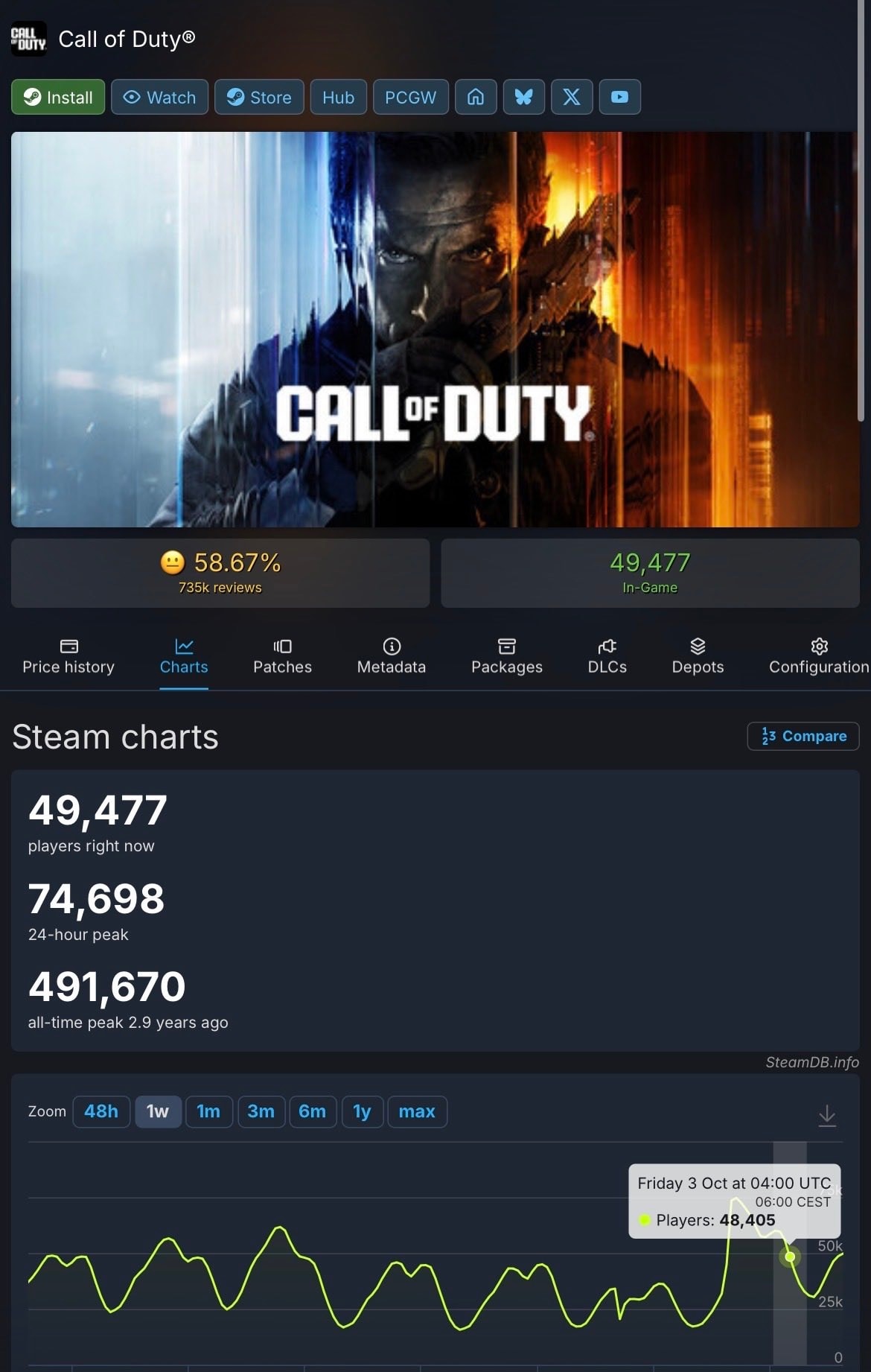
You're probably familiar with the term "bo7 steam charts" and are seeking a straightforward guide to understanding them. These charts offer a quick glimpse into the world of gaming analytics, providing valuable insights into player counts and game popularity. Bo7 steam charts can vary depending on several factors, so it's essential to know how to interpret them accurately. With a simple reference like this, you can gain a better understanding of steam game charts and the data they present.
Understanding Bo7 Steam Charts: A Practical Guide
The Bo7 Steam Charts are a valuable resource for gamers and industry professionals alike, offering insights into the popularity and performance of games on the Steam platform. This guide will help you navigate and interpret these charts effectively.
Key Details and Categories
Bo7 Steam Charts typically display data on a daily, weekly, or monthly basis, providing a snapshot of a game's player count and engagement over time. The charts often feature a range of categories, including:
- Player Count: This represents the number of active players for a specific game during the chosen time frame.
- Peak Players: The highest recorded player count for a game within the selected period.
- Average Players: The mean player count, calculated by averaging the daily player numbers.
- Concurrent Players: A measure of the maximum number of players online simultaneously.
- Game Popularity: A ranking or index indicating a game's overall popularity relative to others.
Interpreting the Data: A Step-by-Step Guide
To read and understand Bo7 Steam Charts, follow these steps:
- Identify the Time Frame: Determine whether the chart represents daily, weekly, or monthly data. This context is crucial for interpreting the trends.
- Locate the Game: Find the specific game you're interested in on the chart. Each game is typically represented by a unique line or color.
- Examine the Player Count: Pay attention to the scale of the chart. The y-axis often represents the player count, with higher values indicating greater popularity.
- Analyze Trends: Look for patterns over time. Is the player count consistently high, or does it fluctuate? Are there any significant spikes or drops?
- Compare Games: If the chart includes multiple games, compare their trajectories. This can provide insights into relative popularity and market trends.
- Consider Peak and Average Players: Note the difference between peak and average players. A game with a high peak but low average may indicate a dedicated fan base with sporadic playtimes.
- Interpret Concurrent Players: Concurrent players offer insights into a game's ability to sustain a large player base simultaneously. Higher concurrent numbers suggest a more engaging or multiplayer-focused game.
Variations and Differences Across Standards
It's important to note that Bo7 Steam Charts can vary depending on the standard or context. Here are some key factors that may influence the data:
- Game Genre: Different genres may have varying player retention rates and engagement patterns.
- Release Date: Newer games may experience a surge in players initially, while older games might have a more stable player base.
- Seasonal Trends: Certain games may see increased popularity during specific times of the year, such as holiday periods or special events.
- Platform Exclusivity: Games exclusive to Steam may have different player counts compared to those available on multiple platforms.
- Regional Differences: Player demographics and preferences can vary across regions, impacting game popularity.
Common Mistakes and How to Avoid Them
When interpreting Bo7 Steam Charts, avoid these common pitfalls:
- Assuming Direct Correlation: Player count alone doesn't always reflect a game's quality or success. Other factors like marketing, reviews, and player engagement should be considered.
- Ignoring Context: Always consider the time frame and any external factors that may influence player behavior.
- Overlooking Game Specifics: Each game has unique characteristics. Understand the game's genre, target audience, and release strategy to interpret the data accurately.
- Relying Solely on Charts: While Bo7 Steam Charts provide valuable insights, they are just one piece of the puzzle. Combine them with other analytics and industry knowledge for a comprehensive understanding.
- Failing to Update: Charts represent a snapshot in time. Regularly check for updates to ensure you have the latest data.
Hey there! I hope this guide has given you a clear understanding of the Bo7 Steam Charts and how to use them effectively. Remember, while the basics remain consistent, there might be slight variations in the exact details depending on the context and your specific needs.
Feel free to explore our other guides; we've got a range of practical resources to help you navigate various topics with ease. Happy learning, and keep those charts organized!
Related: A Simple Guide to Solar Return Chart Reading
A solar return chart is a valuable tool, a snapshot of your astrological year, offering insights and a unique perspective. This guide will navigate you through the basics, ensuring you grasp the fundamentals of reading and interpreting these charts.
The solar return chart, or solar revolution chart, provides a detailed map, varying slightly depending on your region and the astrological tradition you follow. It's an essential resource for chart reading and solar return analysis, offering a fresh perspective on your year ahead.
Understanding the Solar Return Chart: An Overview
The solar return chart is a powerful tool used in astrology to provide insights into a person's upcoming year. It offers a snapshot of the celestial positions at the precise moment of your birth, calculated for the date and location of your solar return anniversary. This chart is like a personalized map, guiding you through the potential themes and challenges of the year ahead.
Comparing Solar Return Chart Formats and Standards
There are two primary methods for calculating a solar return chart: the sidereal solar return and the tropical solar return. The sidereal method uses the actual position of the Sun among the stars, while the tropical method aligns with the seasonal changes. Both methods have their adherents, and the choice often depends on personal preference and the astrological tradition followed.
Step-by-Step Guide to Reading Your Solar Return Chart
To interpret your solar return chart, follow these steps:
Identify the house placements: Each house represents a specific area of life, such as career, relationships, or personal growth. The planets' positions within these houses indicate the focus and potential challenges or opportunities in each life area.
Analyze planet transits: Note the positions of the planets in your solar return chart compared to your natal chart. These transits highlight areas of life where you may experience significant growth, challenges, or transformations.
Interpret the aspects: Aspects are the angular relationships between planets. They reveal the dynamic interactions and energies at play. For example, a harmonious aspect like a trine suggests ease and flow, while a challenging aspect like a square indicates potential obstacles and the need for adaptation.
Consider the chart's overall energy: Look at the overall balance of elements (fire, earth, air, water) and modalities (cardinal, fixed, mutable) in your solar return chart. This gives an overview of the predominant energies and themes for the year.
Common Misinterpretations and How to Avoid Them
A common mistake is to focus solely on the negative aspects or transits in a solar return chart. While challenges are part of the journey, it's important to remember that these aspects also offer opportunities for growth and transformation. Balance your interpretation by considering the positive aspects and the potential for personal development.
Factors Affecting the Accuracy of Solar Return Analysis
The accuracy of your solar return chart interpretation depends on several factors:
Location: The chart is calculated for a specific geographic location, so if you travel frequently, your solar return may vary depending on where you spend your birthday.
Time zone: The precise time of your birth is crucial. Even a small variation in the time zone can impact the chart's interpretation.
Personal evolution: As you grow and change, your chart may reflect these shifts. Your interpretation should consider your current life circumstances and personal growth.
Adapting the Solar Return Chart for Specific Needs
The solar return chart can be tailored to specific areas of interest. For example, you can create a focused chart for your career by emphasizing the houses and planets associated with work and professional life. This allows for a more detailed analysis of the opportunities and challenges in that specific realm. Similarly, you can create charts for relationships, health, or creative pursuits, providing a deeper understanding of the year's potential in those areas.
Hey there, fellow explorers! We've covered a lot of ground in this guide, and I hope it's given you a clear path to navigate the world of solar return charts. Remember, the specifics might differ slightly, as each chart has its unique nuances.
Feel free to explore more of our guides; we've got a range of topics to help you on your path to mastering these practical tools. Happy reading and learning!