










Simple Invoice With Logo Overview
A dental chart dog is a handy tool for anyone dealing with canine dental health. It's a simple yet effective visual guide, offering a quick reference to understand a dog's teeth. This guide will walk you through the basics, covering what these charts reveal and how to interpret them accurately.
You'll find these charts useful for identifying teeth, understanding their development, and even getting insights into common dental issues. While the specifics may vary slightly depending on the source, the core information remains consistent, providing a reliable framework for dog owners and professionals alike.
What is a Dental Chart Dog?
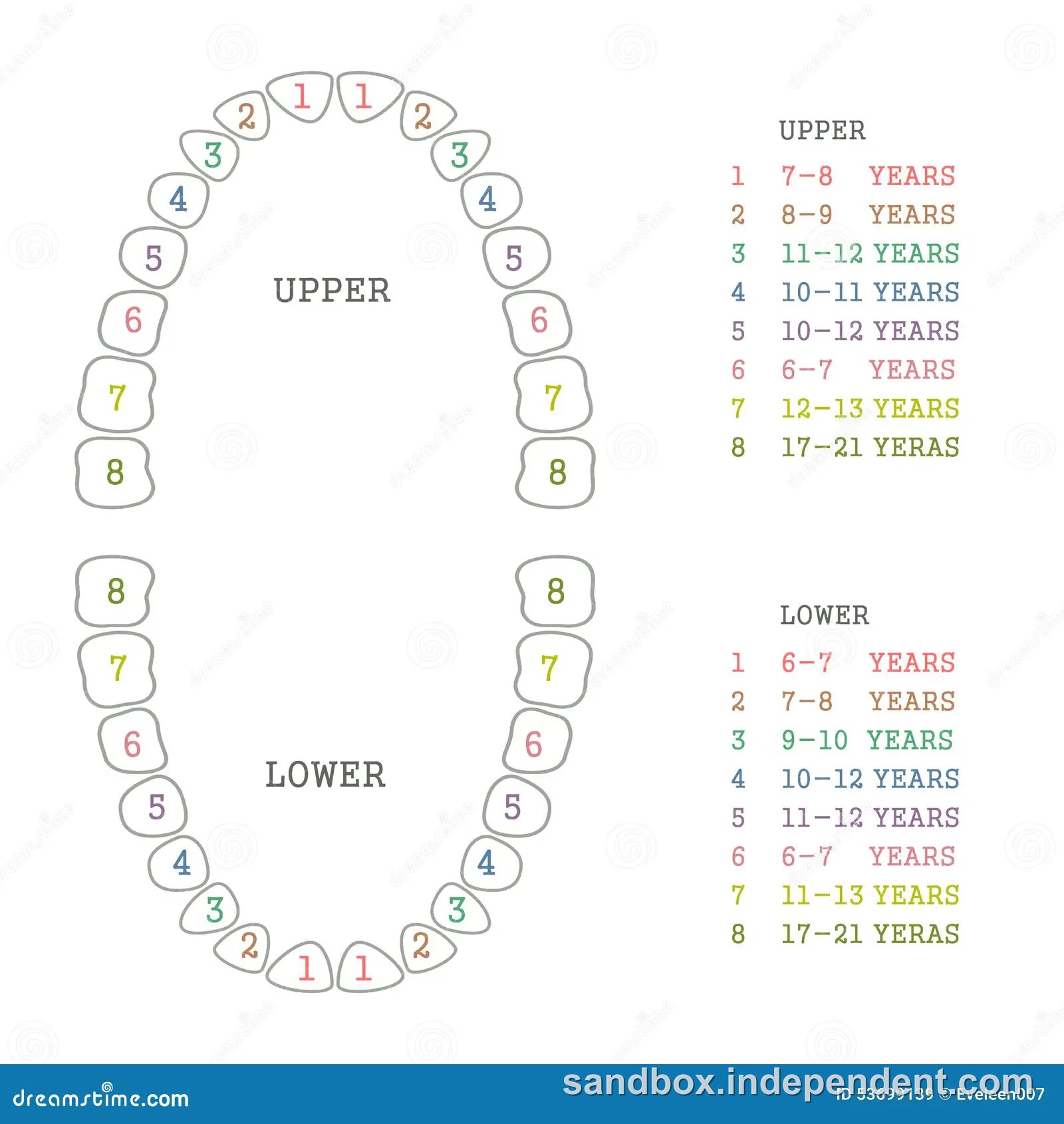
A dental chart dog is a reference tool used by veterinarians and dog owners to understand and identify a dog's teeth. It provides a visual representation, often in the form of a diagram or table, that helps locate and name each tooth in a dog's mouth. This chart is an essential guide for anyone involved in canine dental care, offering a quick and easy way to identify teeth and their positions.
Key Details and Categories
The dental chart dog typically displays a comprehensive layout of a dog's dentition, including both permanent and deciduous (baby) teeth. It often follows a standard tooth notation system, which uses specific symbols or letters to represent different teeth. For instance, 'I' might represent incisors, 'C' for canines, and 'PM' for premolars. Additionally, the chart may include information on the tooth's position in the mouth, its side (left or right), and sometimes even its specific quadrant. It's important to note that while there are international standards, slight variations in notation and layout may exist between different veterinary organizations or regions.
How to Read and Apply the Chart
Reading a dental chart dog is straightforward:
- Identify the tooth symbol or notation on the chart. For example, 'I' for incisors.
- Locate the corresponding tooth in your dog's mouth based on the chart's visual guide or written description.
- Note any issues or abnormalities, such as missing, damaged, or misaligned teeth, and compare them to the standard layout on the chart.
- Record the findings for future reference or to share with your veterinarian.
Variations and Differences
Variations in dental chart dog standards can occur due to several factors. Different veterinary associations or regions may have their own specific tooth notation systems and layouts. Additionally, the chart's design might vary depending on the breed of dog it is intended for, as tooth structure and positioning can differ between breeds. For instance, a chart designed for a small breed like a Chihuahua might have a different layout compared to one for a large breed like a Great Dane. It's crucial to ensure you are using the correct chart for your dog's breed and that you understand the specific notation system it employs.
Common Mistakes and How to Avoid Them
One common mistake is using the wrong dental chart dog for your dog's breed, which can lead to incorrect tooth identification. Always ensure you have the appropriate chart for your dog's breed and that you understand the specific notation system it uses. Another pitfall is failing to account for individual variations within a breed. While charts provide a standard layout, individual dogs may have slightly different tooth positions or structures. Regular dental check-ups with a veterinarian can help identify and address any abnormalities. Finally, remember that dental chart dogs are tools for identification and reference. They should not replace professional veterinary advice or treatment. If you notice any dental issues, consult a veterinarian for proper diagnosis and care.
Well, there you have it! A handy dental chart dog guide to keep things simple and clear. Remember, when it comes to these charts, it's important to ensure you're using the right one for your specific needs. Exact values and details can vary, so always double-check the relevant standards or guidelines for your context.
Consider bookmarking this page for future reference. It's a quick and easy way to ensure you have the right info at your fingertips when you need it most. Happy charting!
Related: Understand My ARH Chart: A Simple Guide
You've landed here because you're seeking a quick solution, right? Well, you're in the right place. My arh chart is your new best friend, a handy reference guide that will save you time and effort. It's a simple yet powerful tool, offering a visual representation of important data, and it's an easy way to keep track of things. Whether you're a pro or a beginner, this chart reading technique is accessible and practical. With my arh chart, you'll find standard measurements presented clearly, and it's a great visual aid to have on hand.
Understanding the My ARH Chart: A Quick Overview
The My ARH Chart is a valuable visual aid that provides a simple yet effective way to understand and interpret data. It offers a quick reference for various measurements and can be customized to suit different needs. This chart is an essential tool for anyone looking to streamline their understanding of specific scales and standards.
Comparing My ARH Chart with Other Options
While there are various charts and reference tables available, My ARH Chart stands out for its versatility and ease of use. It covers a wide range of measurements, making it a practical choice for everyday applications. Unlike other charts, it offers a clear, standardized format, ensuring consistency and accuracy.
Step-by-Step Guide to Using My ARH Chart
- Identify the category or measurement you need to reference. This could be length, weight, or any other specific parameter.
- Locate the relevant section on the chart. Each section is clearly labeled, making it easy to find the information you require.
- Read the values or categories provided. The chart offers a range of options, ensuring you can find the precise measurement you need.
- Interpret the data. Depending on your application, you can use the values to make informed decisions or calculations.
- Customize if needed. My ARH Chart allows for adjustments to suit specific requirements. You can add notes or create your own categories for a personalized experience.
Avoiding Common Mistakes and Ensuring Accuracy
To ensure you get the most out of My ARH Chart, it's important to be aware of potential pitfalls. Always double-check the units and ensure they align with your specific needs. Different regions and industries may have varying standards, so it's crucial to verify the correct measurements. Additionally, pay attention to the scale and ensure you're interpreting the data accurately. A small mistake in reading the chart can lead to significant errors.
Getting the Most Accurate Results with My ARH Chart
For the best results, keep your My ARH Chart up-to-date. Regularly check for any new standards or updates to ensure you're working with the latest information. Consider creating a digital version or a physical copy for easy access. Additionally, share your chart with colleagues or peers to promote consistency and accurate interpretation. By following these tips, you can make the most of this practical tool and enhance your understanding of various measurements and scales.
Well, there you have it! A simple, step-by-step guide to creating your own 'My ARH Chart'. Remember, the key is to adapt and personalize it to your needs, so take some time to ensure it fits your context perfectly.
Feel free to explore other guides on our site; we've got a range of practical resources to help you tackle various tasks and projects. Happy charting!
Related: Flute Notes Chart: A Simple Guide
You're here, perhaps with your flute in hand, seeking a simple, reliable guide to navigate the world of flute notes. A flute notes chart is your trusted companion, offering a clear and concise visual representation of the notes you can produce. This chart, a valuable tool for musicians, presents the standard flute note range and beyond, with details that can vary depending on your instrument and playing style. It's a quick reference, ensuring you stay on track and play with precision.
The Flute Notes Chart: A Visual Guide
The flute notes chart is a valuable tool for flute players, offering a visual representation of the notes produced by the instrument. It provides a quick reference for understanding the relationship between finger positions and the corresponding musical notes. This chart is an essential guide for beginners and experienced flutists alike.
Key Details and Prerequisites
Before delving into the chart, it's important to understand some basic concepts. The flute notes chart typically displays the standard flute note range, which covers the notes from the lowest to the highest pitch achievable on a flute. It uses a combination of finger positions, or flute fingering, to represent different notes. The chart often includes common flute scales and note names, providing a comprehensive overview.
Understanding and Reading the Chart: A Step-by-Step Guide
The flute notes chart usually features a grid-like structure, with finger positions represented horizontally and note names or pitches vertically. Each intersection represents a specific note.
Locate the starting point, which is often marked as "C" or "Do." This is the reference point for all other notes. From there, you can identify the finger positions required to play each note.
Pay attention to the alternate fingerings indicated on the chart. These are alternative ways to produce the same note, offering options for players to adjust their technique or achieve a desired sound.
Practice reading the chart by identifying a specific note and finding its corresponding finger position. Then, try playing that note on your flute to reinforce the connection between the visual representation and the actual sound.
As you become more familiar with the chart, you can use it to explore different scales and musical phrases. The chart serves as a roadmap, guiding you through the finger positions needed to play various melodies.
Variations and Differences: Factors to Consider
While the flute notes chart provides a standardized reference, variations can occur due to several factors:
Standard flute note range can differ slightly between different flute models or types. Always check the specific range for your flute.
The chart may not account for all possible fingerings or techniques. Some advanced players might discover unique fingerings not commonly used.
Pitch chart accuracy can be influenced by factors like flute quality, player technique, and environmental conditions.
Different regions or manufacturers might use slightly different standards for note frequencies or labels.
The chart is a guide, but practical exercises and experience are essential for mastering the flute.
Remember, the flute notes chart is a valuable tool, but it's important to verify specific details and tolerances for your flute and playing style. With practice and familiarity, it becomes an indispensable reference for your musical journey.
Flute notes are a fascinating subject, and this chart is a great tool to have in your musical arsenal. Remember, while the fundamentals remain consistent, the exact details can vary slightly depending on the standard or context. So, if you're keen to explore more, our site offers a range of guides and resources to satisfy your curiosity. Dive into the world of music theory and discover the endless possibilities!