


Skate Steam Charts A4 Overview
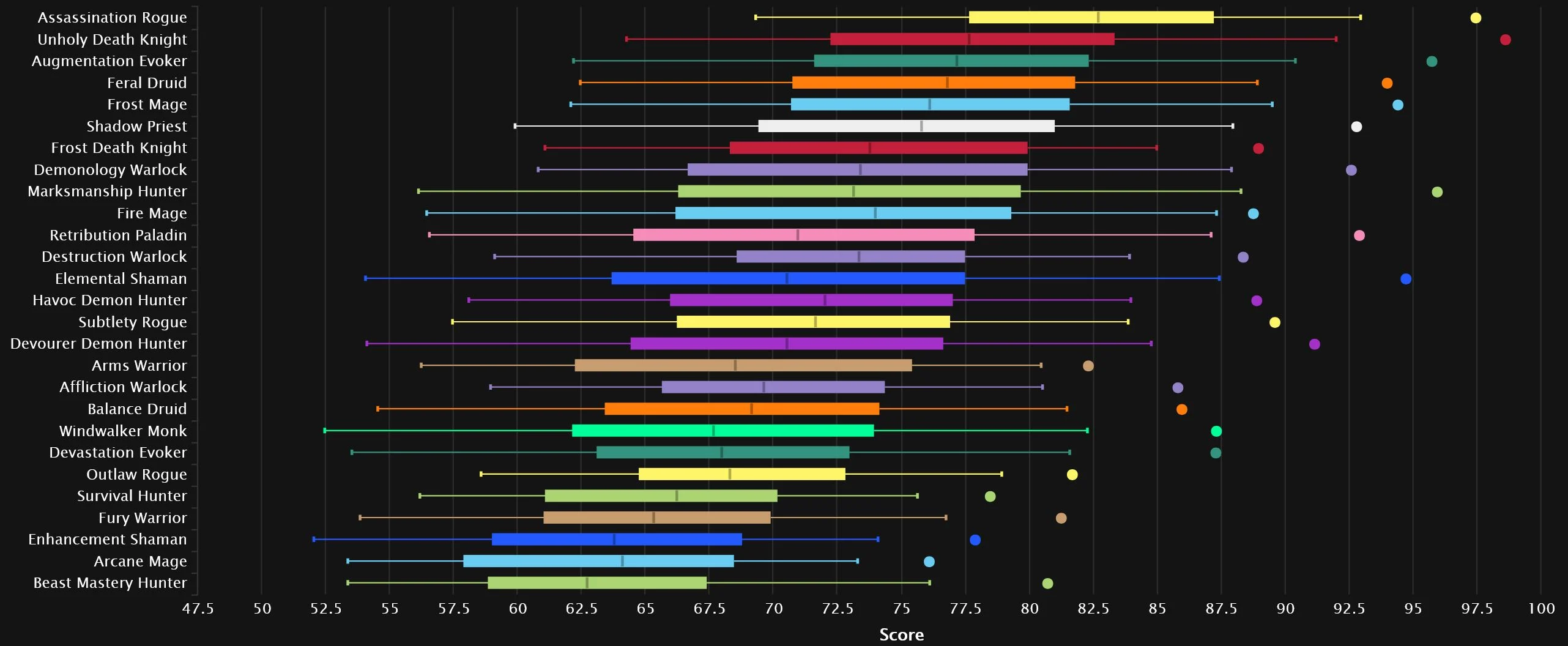
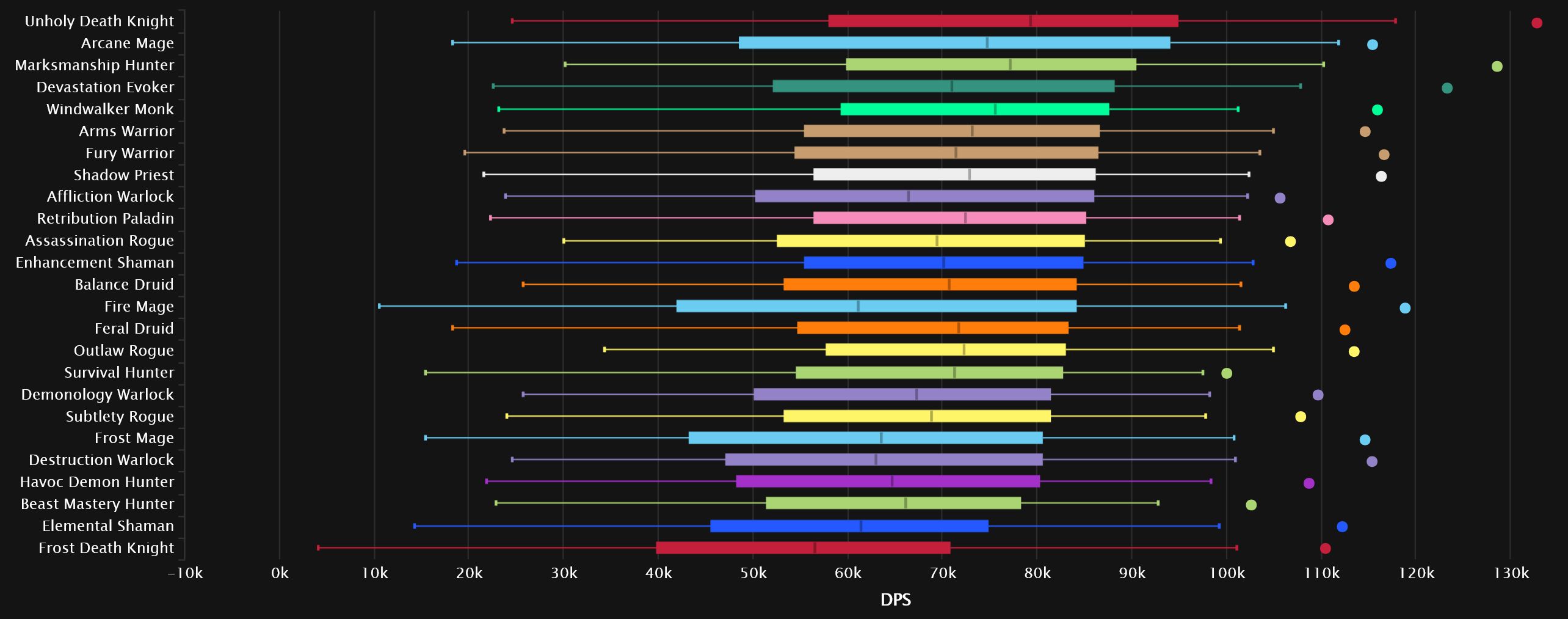
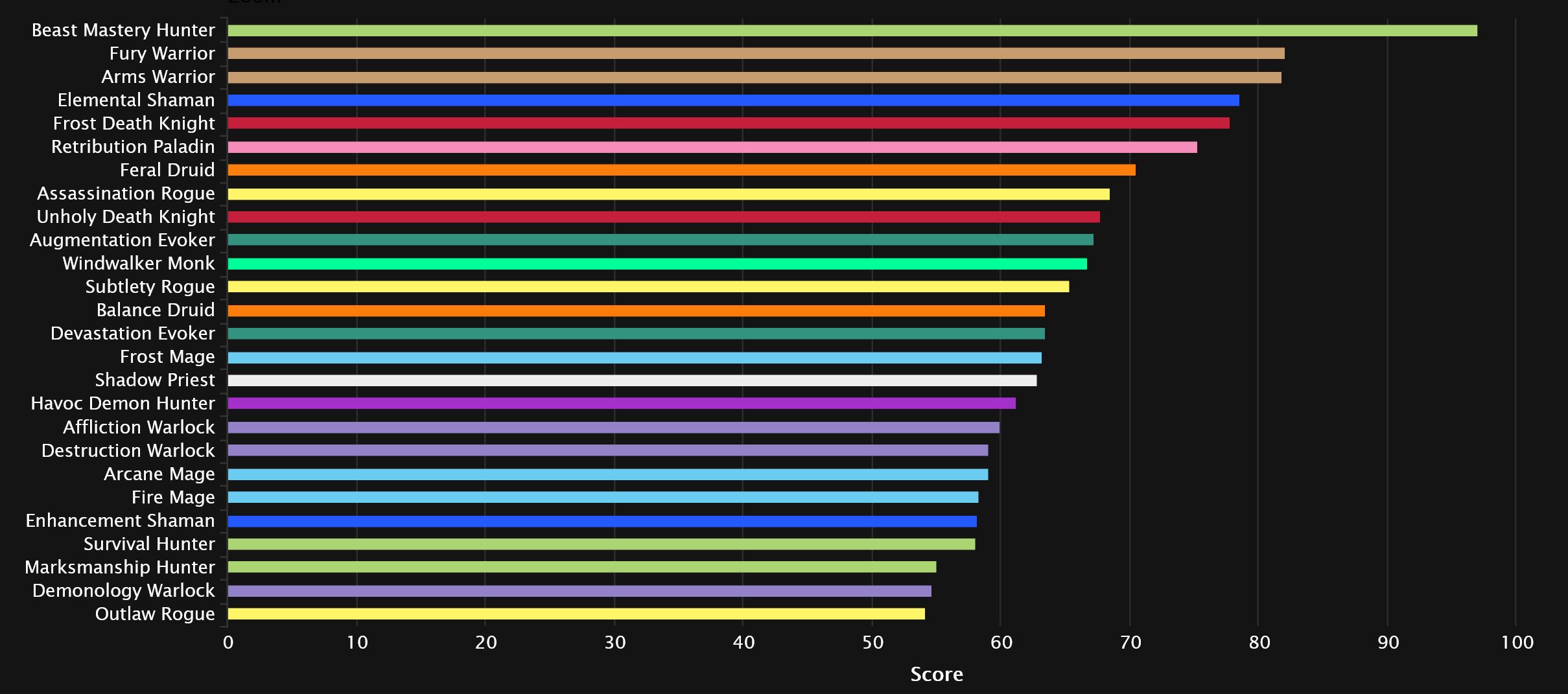
"Dps charts wow" is a handy tool for any World of Warcraft player looking to maximize their damage output. This guide will break down the ins and outs of these charts, helping you understand their purpose and how to utilize them effectively. From dps charts wow to dps meters wow, we'll cover it all, ensuring you have the knowledge to make informed decisions about your character's performance.
Understanding DPS Charts in World of Warcraft
DPS charts in World of Warcraft are a visual representation of a player's damage output. These charts provide a snapshot of a player's performance and can be a valuable tool for analyzing and improving their gameplay.
Key Details and Metrics
The DPS chart typically displays two main categories: damage dealt and damage per second (DPS). The damage dealt category shows the total damage a player inflicts on enemies, while the DPS category focuses on the average damage output over time. These values are usually measured in game-specific units, such as damage per hit or per spell cast.
Interpreting the Data: A Step-by-Step Guide
To read a DPS chart accurately, follow these steps:
Start by identifying the player's name or character on the chart. This ensures you are analyzing the correct data.
Locate the damage dealt column. This value represents the cumulative damage inflicted during the encounter. Compare it to other players' damage to gauge your performance.
Move on to the DPS column. Here, you'll find the average damage output per second. This metric is crucial for understanding your sustained damage over time. Compare your DPS to the group's average to assess your contribution.
Some charts may also provide additional details, such as damage taken or healing done. These metrics offer a more holistic view of your performance and can be valuable for specific roles or strategies.
Variations and Differences
It's important to note that DPS charts can vary depending on the encounter, raid composition, and strategy employed. Different boss fights and game modes may require unique approaches, affecting the damage output and thus the DPS values. Additionally, the gear and talents chosen by players can significantly impact their performance, leading to variations in DPS charts.
Common Mistakes and How to Avoid Them
When interpreting DPS charts, avoid these common pitfalls:
Misinterpreting the data: Ensure you understand the units and categories used in the chart. Misreading the damage dealt as DPS or vice versa can lead to incorrect conclusions.
Comparing apples to oranges: Be mindful of the context. Comparing your DPS to a player with a different class, spec, or gear level may not provide an accurate assessment. Focus on relative performance within your group.
Overlooking other factors: Remember that DPS is just one aspect of gameplay. Consider other contributions, such as crowd control, utility, and survival skills, which are equally important in a raid or dungeon setting.
Practical Tips for Accurate Results
To make the most of DPS charts wow, consider these best practices:
Consistency is key: Focus on maintaining a steady DPS throughout the encounter. Avoid burst damage followed by periods of low output, as it can impact your overall performance.
Optimize your rotation: Study your class's optimal rotation and ensure you are executing it effectively. Practice and refine your skills to maximize your damage output.
Gear and talent choices: Pay attention to your gear and talent selections. Ensure they align with your class's DPS specialization and consider the encounter's specific mechanics.
Learn from others: Compare your performance to top players or guilds. Analyze their strategies and techniques to identify areas for improvement.
By understanding and utilizing DPS charts wow, you can gain valuable insights into your gameplay, identify areas for growth, and contribute more effectively to your group's success in World of Warcraft.
Hey there, fellow Wow players! I hope this guide has given you a solid understanding of DPS charts and their practical uses. Remember, while the basics remain the same, exact details might shift a little depending on your specific context or the standards you're working with.
So, keep this page bookmarked for future reference, and feel free to explore our other guides for more helpful tips and tricks. Happy charting, and may your DPS always be through the roof!
Related: Understand Depth Charts NFL: A Simple Guide
A common misconception about depth charts NFL is that they are merely a list of players; however, these charts are so much more than that. They provide a strategic overview, offering a unique insight into a team's tactics and player hierarchy. Depth charts NFL serve as a concise reference, allowing fans and analysts to quickly grasp a team's depth and potential, especially in specific positions.
Understanding Depth Charts: An Overview
A depth chart in the NFL is a valuable tool that provides an organized, visual representation of a team's roster. It offers a snapshot of the players' positions and their hierarchy within the team, giving coaches, players, and fans a clear understanding of the team's structure. This chart is an essential reference for strategizing and making informed decisions.
Comparing Depth Chart Formats and Standards
The depth chart follows a standardized format, typically arranged by position groups. Each position group is further organized with the starters at the top, followed by backups, and sometimes even further depth players. The chart may also include injury status indicators or notes about player availability. The NFL depth chart is a consistent tool, ensuring a clear and comparable view of team rosters across the league.
Reading a Depth Chart: A Step-by-Step Guide
To read a depth chart, start by identifying the position groups. These are usually labeled clearly, such as "Offensive Line," "Running Backs," or "Defensive Backs." Within each group, the players are listed in a hierarchical order. The starters, or the first-choice players, are at the top, followed by the backups, who are often listed in the order of their experience or skill level. Pay attention to any notes or symbols indicating injuries or special circumstances. These can provide valuable insights into a player's availability and the team's strategy.
Common Misreadings and How to Avoid Them
One common mistake is assuming that the depth chart is a strict hierarchy, where the second player listed is always the direct backup. While this is often the case, it's important to note that coaches may have specific strategies and plans. For instance, a team might have a veteran player listed as a backup, but they could be used in a rotational role or for specific packages. Additionally, injury situations can lead to unexpected changes, so always consider the latest updates and news to ensure an accurate interpretation.
Key Factors Affecting Depth Chart Accuracy
- Injury Status: Player injuries can significantly impact the depth chart. When a starter is injured, the backup steps up, and this can cause a ripple effect, moving players further down the depth chart into starting roles.
- Player Performance: The depth chart is a living document, and player performance can cause fluctuations. A player's impressive performance may see them rise up the chart, while a struggling player might find themselves demoted.
- Team Strategy: Coaches may have long-term plans and strategies, which can influence the depth chart. For instance, a team might want to develop a young player, so they might be listed higher on the chart to ensure they get more playing time.
Adapting Depth Charts for Specific Needs
While the standard depth chart format is consistent, teams and analysts may adapt it for their specific needs. Some teams might create more detailed charts, including additional notes on player strengths, weaknesses, or specific roles. Analysts might create depth charts that focus on specific scenarios, such as a "Red Zone" depth chart, which highlights the players most likely to be used in short-yardage situations. These adaptations ensure that the depth chart remains a versatile and valuable tool for various users.
Depth charts are a handy tool, offering a quick reference and a clear overview. It's important to remember that while they provide a valuable snapshot, they are just one part of the puzzle.
As you've seen, there are various factors and considerations to keep in mind when working with depth charts. Always ensure you're using the right format and data for your specific needs. Double-check the sources and standards you're referencing to ensure accuracy and relevance.
Feel free to explore our other guides and resources for more insights and practical tips. We've got a range of topics covered, so you can find the information you need to stay informed and make the most of your reference tools.
Related: Understand Verb Anchor Charts Easily
Many folks new to verb anchor charts might think they're just for kids or a basic tool. But these charts are powerful, offering a quick, visual way to grasp verb tenses and forms. A verb anchor chart is an essential reference, a simple yet effective diagram that ensures your verb usage is spot on. It's a handy tool to have, and its format can vary, offering a tailored verb guide for different needs.
Understanding the Verb Anchor Chart
The verb anchor chart is a handy tool that provides a visual representation of verbs and their various forms and tenses. It's like a map for verb usage, guiding you through the different ways verbs can be expressed. This chart is a reference point, offering a clear and organized layout to enhance your understanding and application of verbs.
Key Details and Categories
The verb chart typically includes columns representing different verb tenses, such as present, past, and future, along with their progressive and perfect forms. Each row contains a verb, often listed alphabetically, with its corresponding forms in the respective tense columns. You'll find regular verbs following a consistent pattern, while irregular verbs stand out with their unique forms. The chart may also indicate the verb's type, like action or linking verbs, and provide examples of usage.
Reading and Applying the Chart
To use the verb anchor chart effectively, follow these steps:
Identify the verb you wish to explore. Let's say you're interested in the verb "run."
Locate "run" on the chart. You'll find it listed under the present, past, and future tense columns.
Read across the row to see the different forms. For "run," you'll see "runs" (present), "ran" (past), and "will run" (future).
If you need to use a progressive tense, look for the "-ing" form. In this case, it's "running."
For perfect tenses, check the "have/has" and "had" columns. So, "has run" and "had run" are the perfect tenses for "run."
By following this simple process, you can quickly find the correct verb form for your sentence, ensuring accurate and consistent verb usage.
Variations and Differences
It's important to note that verb charts can vary based on the standard or context. Different regions or styles may have slight variations in verb forms or tenses. Here are some key factors that can cause these variations:
Regional differences: Verb usage can vary between countries or even within regions. For example, British English and American English have some distinct verb forms.
Style guides: Various style guides, like APA or MLA, may have specific preferences for verb tenses or forms, especially in academic writing.
Contextual usage: The verb's function in a sentence, such as whether it's an action or linking verb, can impact its form.
Irregular verbs: These verbs don't follow the typical patterns, so they require special attention and memorization.
Common Mistakes and How to Avoid Them
When using a verb diagram or chart, it's easy to make mistakes if you're not careful. Here are some common pitfalls to watch out for:
Misreading the chart: Always double-check the verb's tense and form. Mistakes can happen when you confuse past and present tenses, for instance.
Neglecting context: Remember that verb forms can change based on the sentence's context. Ensure you choose the right form for your specific usage.
Relying solely on the chart: While the chart is a great tool, it's not exhaustive. Some verbs have unique forms or usages that may not be covered. Always refer to additional resources or examples when in doubt.
Ignoring regional variations: Be mindful of regional differences, especially if your audience is from a different region. Ensure your verb usage aligns with their expectations.
By being aware of these potential issues and taking a careful, contextual approach, you can ensure accurate and effective verb usage in your writing.
So, there you have it! A handy verb anchor chart can be an incredibly useful tool to have in your kit. It's a simple yet effective way to keep your language skills sharp and ensure you're using verbs accurately.
Remember, while this guide offers a general overview, it's always wise to double-check any specific requirements or context-related nuances. Every situation is unique, and language can be a tricky beast!
Feel free to explore our other guides; we've got plenty of resources to help you master various language-related topics. Happy learning, and keep those verbs in check!