


Ski Height Chart Blank Overview
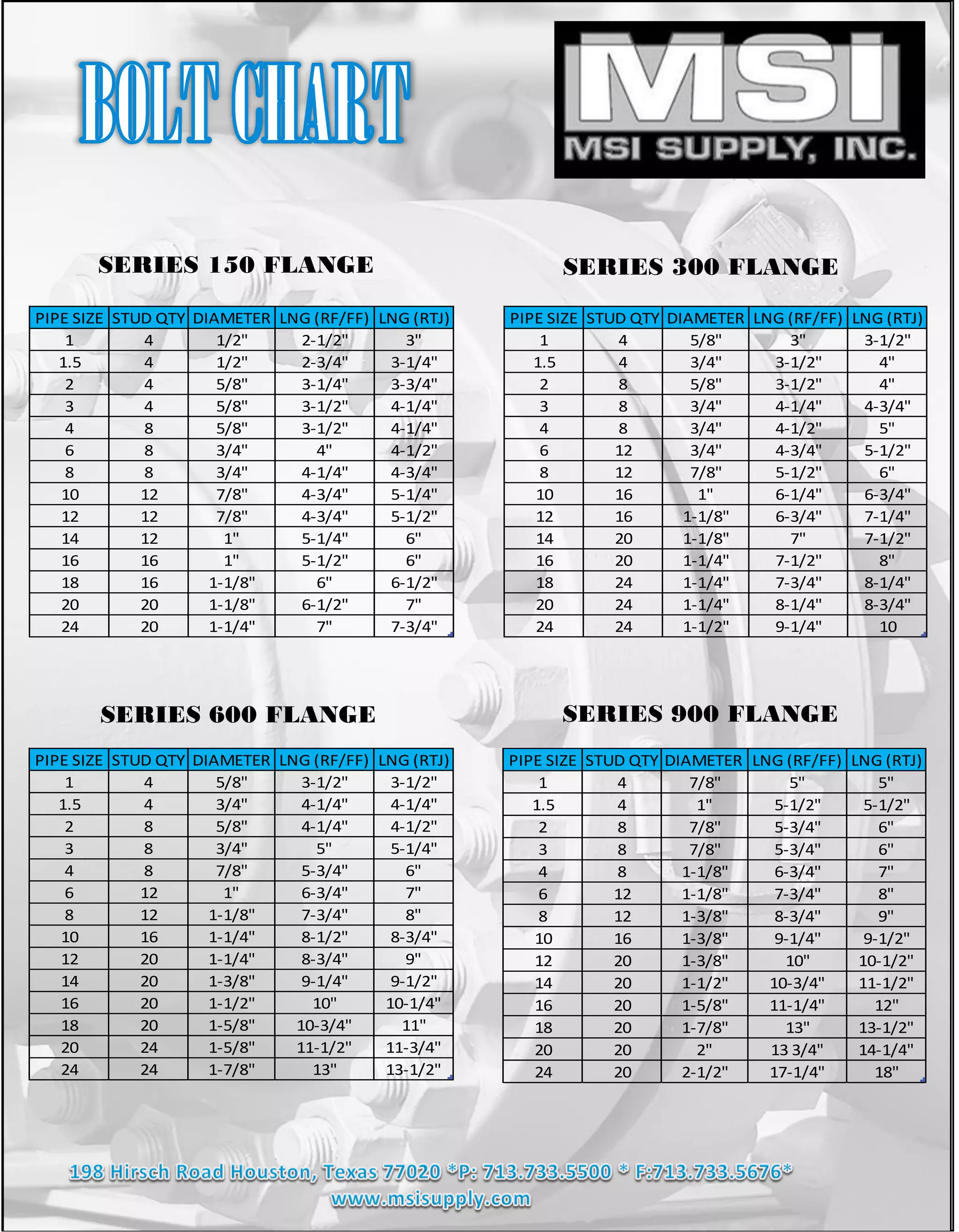
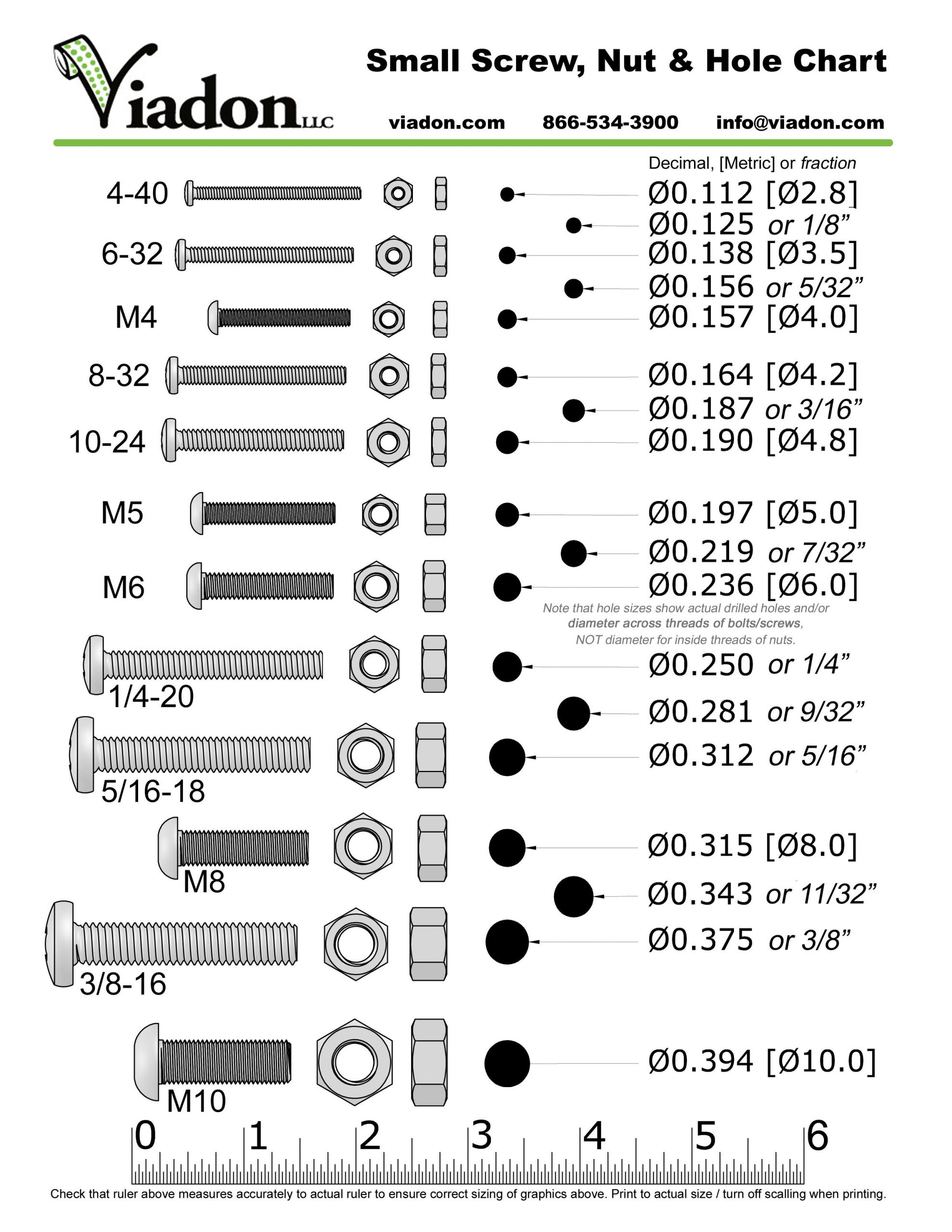
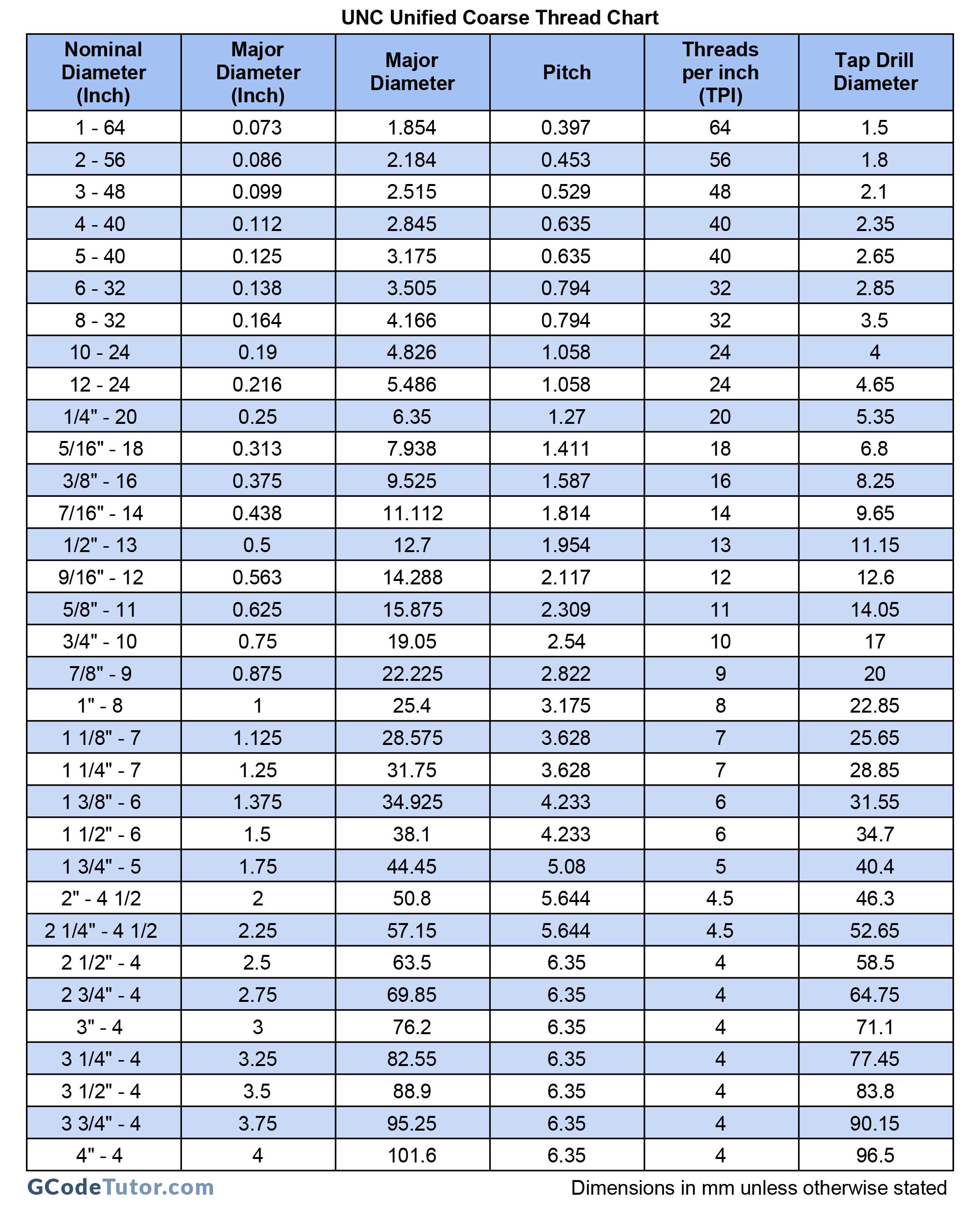
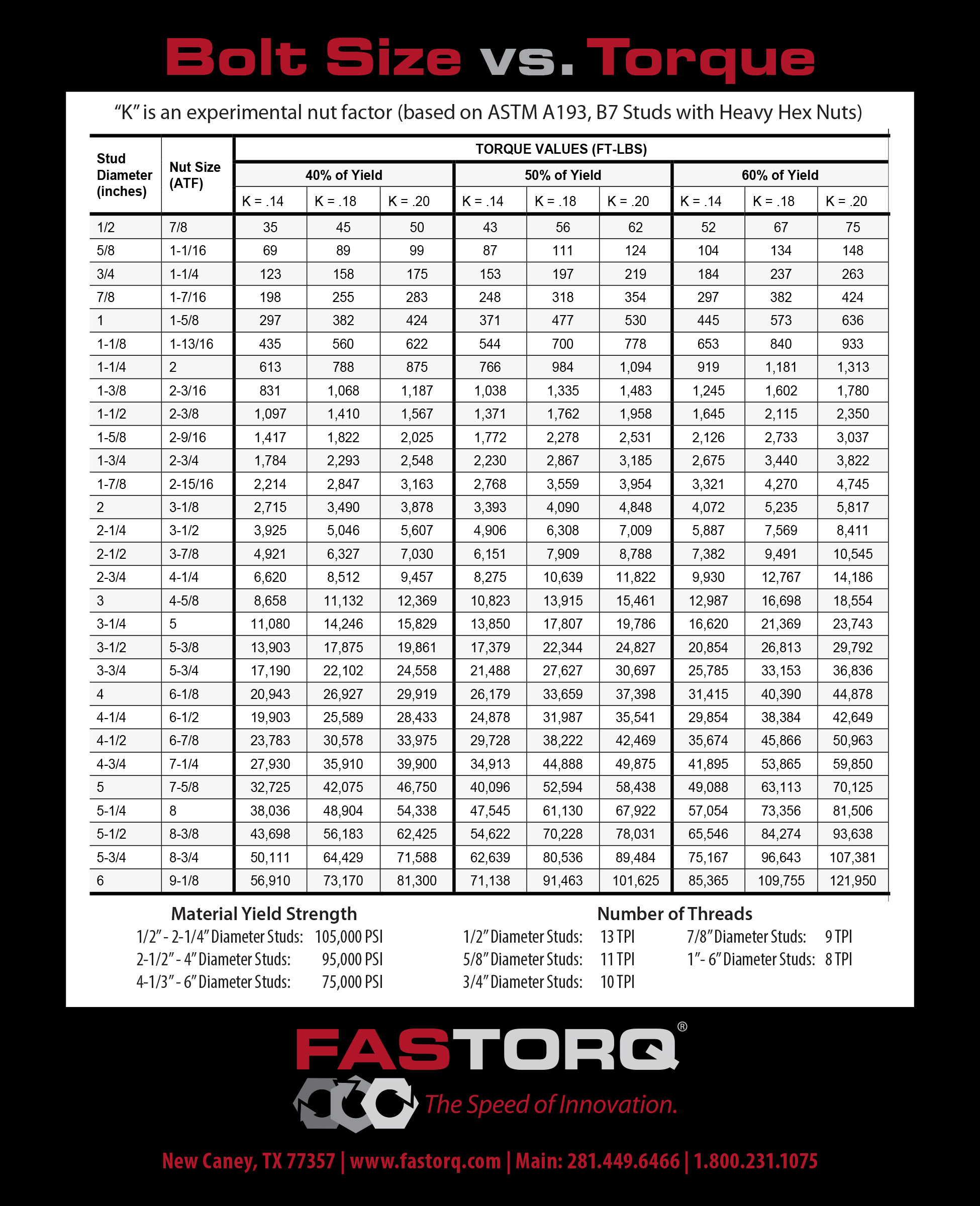
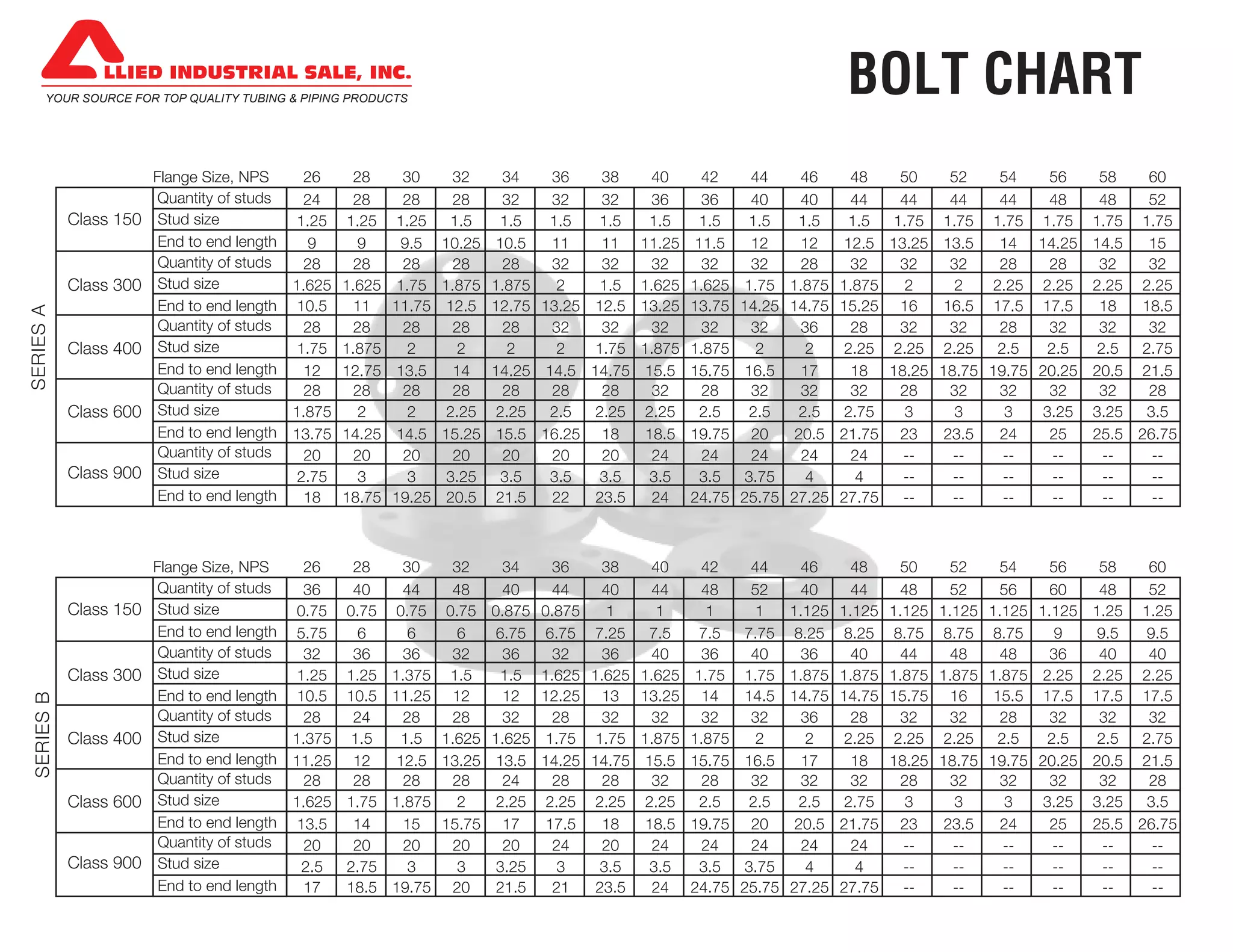
A bolt size chart is a handy tool for anyone working with bolts and fasteners. It's a simple yet effective way to ensure you're using the right size and type of bolt for your project. This guide will cover the basics of reading and using a bolt size chart, so you can tackle any fastening task with confidence.
These charts provide a quick reference for bolt dimensions, including length, diameter, and thread pitch. While the values may vary depending on the standard and region, a good chart will offer a clear and organized layout, making it easy to identify the bolt you need.
Understanding Bolt Size Charts
Bolt size charts are your practical guide to choosing the right bolt for any project. These charts provide a quick reference to help you match the bolt's size and specifications to your needs. It's like having a map to navigate the world of fasteners!
Key Details and Units
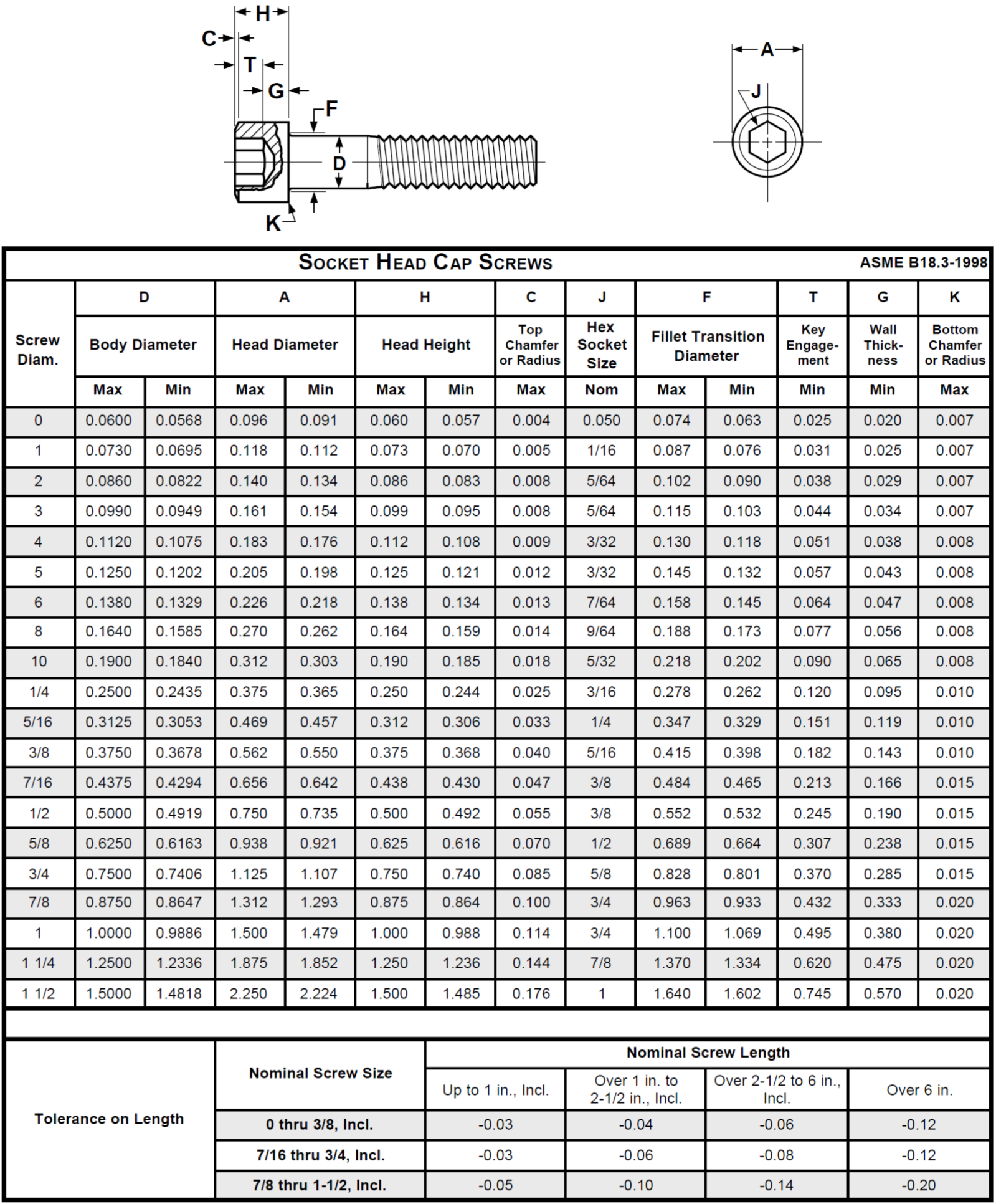
A bolt size chart typically includes essential information such as the bolt's diameter, length, thread pitch, and head type. These charts often follow specific standards, like the metric or imperial systems, so you'll find different charts for different regions and industries. The units used can vary, so it's crucial to know whether you're dealing with millimeters or inches.
Reading and Applying the Chart: A Step-by-Step Guide
- Start by identifying the bolt's primary purpose and the material it will fasten. This helps narrow down the options.
- Locate the diameter column on the chart. This is usually the first critical factor. Match the required diameter with the chart's values.
- Next, consider the length. The chart will provide a range of lengths for each diameter. Choose the length that best suits your project's needs.
- Thread pitch is the distance between threads. Different materials and applications may require specific thread pitches. Refer to the chart to select the appropriate pitch.
- Finally, identify the head type. Common head types include hex, socket cap, and flat. The chart will guide you on the available head types for your chosen diameter and length.
Variations and Differences
Bolt size charts can vary depending on the standard and the intended use. For instance, metric bolt sizes may have different thread pitches compared to imperial bolt standards. Additionally, specialized bolts for unique applications might have custom dimensions not found on standard charts. Always refer to the specific chart relevant to your project's needs.
Common Mistakes and How to Avoid Them
One common mistake is assuming all bolts are created equal. Different materials and applications require specific bolt dimensions. Always refer to the bolt size chart for the correct specifications. Another pitfall is ignoring the thread pitch. Using the wrong thread pitch can lead to stripped threads or poor fastening. Take the time to understand and select the right pitch.
Practical Tips for Accurate Results
When using a bolt size chart, always double-check the units. Mistakes can happen when converting between metric and imperial systems. Additionally, pay attention to the thread class, which indicates the thread's tolerance and fit. Using the wrong class can impact the bolt's performance and durability.
Double-Checking and Handling Exceptions
While bolt size charts are incredibly useful, they might not cover every edge case. For unique or specialized applications, it's best to consult the manufacturer's specifications. These can provide precise details and tolerances to ensure the bolt's performance and safety. Always err on the side of caution and double-check when dealing with critical applications.
Hey there! We've covered a lot of ground with this bolt size chart, and I hope it's given you a clear understanding of the basics. Remember, while the fundamentals remain the same, exact details might shift a little based on your specific situation or the standard you're working with.
So, the next time you're tackling a project and need a quick reference, feel free to bookmark this page. It's a handy tool to have in your back pocket, and you never know when you might need to size up those bolts!
Related: A Beginner's Guide to TCU Depth Chart
A tcu depth chart is a handy tool for any sports fan or enthusiast, offering a quick glimpse into the team's lineup and player positions. This guide will break down the essentials, ensuring you can read and understand these charts like a pro.
The depth chart is a simple yet effective way to visualize the team's structure. It displays the starter positions and provides insights into the tcu roster, offering a clear picture of the football depth chart and the team's lineup strategy. While formats may vary, the core purpose remains the same: to provide a reliable reference.
Understanding the TCU Depth Chart: A Practical Overview
The TCU depth chart is a valuable tool for any sports enthusiast, especially when it comes to football. It provides an organized view of a team's player lineup, giving you insights into their positions and rankings. Think of it as a roadmap to the team's strategy!
Comparing Common Positions and Player Rankings
The depth chart categorizes players based on their roles and skills. It typically lists offensive and defensive positions, with starters and backups clearly indicated. For instance, you'll find quarterbacks, running backs, wide receivers, and more, each with their own depth of talent.
Step-by-Step Guide to Reading the TCU Depth Chart
- Start by identifying the main positions on the chart. These are usually the core roles like quarterback, running back, and so on.
- Next, focus on the starters. They are often listed first and are the players who will begin the game.
- Look for the backups. These are the players who can step in if needed, and they are usually listed in order of their skill level or experience.
- Pay attention to the depth. A well-balanced chart will show a good spread of talent, ensuring the team has options and flexibility.
Avoiding Misreadings and Pitfalls
One common mistake is assuming the depth chart is set in stone. In reality, it can change frequently due to injuries, performance, or strategic decisions. Always check the latest version to ensure you have accurate information. Additionally, remember that the chart is a guide, and actual game-time decisions may vary.
Factors Affecting Accuracy and Real-World Use
The accuracy of the TCU depth chart depends on various factors. Firstly, it is influenced by the team's coaching staff and their strategic choices. Secondly, player performance and health can lead to adjustments. Lastly, external factors like weather or opponent strategies might impact the chart's effectiveness. It's essential to consider these variables when interpreting the chart.
Hey there! We've covered a lot of ground, but remember, every depth chart is unique, and the specifics can differ. It's always a good idea to tailor it to your needs and the context you're working with.
Feel free to explore our other guides; we've got a bunch of practical tips and tricks to help you navigate various topics. Happy learning, and don't hesitate to dive into more resources!
Related: Find Your Perfect Fit: The Levi Size Chart Guide
You're here because you need a quick solution, right? Well, if you're looking for a bold and reliable way to find your perfect Levi's fit, the Levi size chart is your go-to tool. It's a simple yet effective guide, offering a visual representation of sizes and measurements, making it easy to navigate. With just a glance, you can ensure you're getting the right size, whether it's for yourself or a gift. This chart is a handy reference, especially when you're in a rush and need a quick sizing solution.
Understanding the Levi Size Chart
The levi size chart is your go-to guide for finding the perfect fit in Levi's jeans and clothing. It's a simple tool to ensure you get the right size, whether you're shopping online or in-store. This chart provides measurements and size categories to help you choose the best fit for your body.
Standard Sizing Options
Levi's size chart follows a standard sizing system, typically based on waist size and inseam length. This means you'll find consistent sizing across their products, making it easier to find your fit. The chart usually includes categories like waist size (in inches or centimeters), inseam length, and sometimes additional measurements like hip and thigh circumference.
How to Use the Levi Size Chart: A Step-by-Step Guide
- Identify your waist size. This is the most critical measurement for jeans. Measure your waist at the point where you usually wear your pants, keeping the tape measure snug but not tight.
- Determine your inseam length. This is the distance from your crotch to the hem of your pants. You can measure this while wearing well-fitting pants or by standing against a wall and measuring the distance from your crotch to the floor.
- Refer to the levi size chart. Find your waist size and inseam length on the chart. The chart will provide you with the corresponding size, typically in numerical or alphabetical categories.
- Consider other measurements. If the chart offers additional measurements like hip or thigh circumference, you can use these to ensure an even better fit.
Common Misreadings and How to Avoid Them
One common mistake is assuming all brands use the same sizing standards. While Levi's size chart is consistent within their brand, sizes may vary across different brands and styles. Always double-check the specific size guide for the item you're interested in. Additionally, be mindful of the units used. Some charts may use inches, while others use centimeters. Ensure you're comparing like with like.
Factors Affecting Size Variations
Several factors can influence the accuracy of your size determination. First, body shape varies, and the chart provides a general guide. Second, the fit you prefer (e.g., slim, regular, or relaxed) can affect the size you choose. Lastly, the fabric and stretchiness of the material can impact the fit, so consider the fabric type when using the chart. Remember, the levi size chart is a helpful tool, but it's always a good idea to try on clothing to ensure the perfect fit.
Hey there! We hope you found this guide on the Levi size chart helpful and that it's made your sizing quest a little easier. Remember, when it comes to size charts, exact details can differ slightly, so always double-check the source and standard you're using.
We've got a bunch of other guides on various topics, so feel free to explore and discover more practical tips and tricks. Happy reading, and we hope to see you around!