


Ski Height Chart Sheet Overview
Frustrated by the hunt for the perfect piano chords chart? You're not alone. Whether you're a beginner or an experienced player, having a reliable and easy-to-read chart is essential for quick reference and practice. A good piano chords chart should be your go-to resource, offering a clear layout of chord structures, from basic major and minor chords to more complex progressions.
Understanding Chord Symbols
A piano chords chart is a handy reference tool for musicians, especially pianists. It's like a map that shows you the layout of different chords and their components. This chart is a great way to quickly grasp the basics of chord construction and progressions. The symbols on the chart represent the notes that make up each chord, and by understanding these symbols, you can easily build and play various chords on the piano.
Common Chord Progressions and Formats
There are several standard chord progressions and formats used in music. The piano chords chart typically includes major and minor chords, which are the most common. These chords are represented by symbols like C, Dm, G7, and so on. The chart might also feature more complex chords like suspended chords (Csus) or added-note chords (Cadd9). Each symbol gives you a snapshot of the notes that create that specific chord.
Reading Chord Charts: A Step-by-Step Guide
When reading a piano chords chart, follow these steps:
- Identify the chord symbol you want to play.
- Locate the symbol on the chart and find the corresponding notes.
- Place your fingers on the piano keys according to the chart's diagram.
- Play the chord and listen to its unique sound.
For example, if you see the symbol C, you'll find it represents the notes C, E, and G. Place your fingers on these keys, and you've just played a C major chord!
Avoiding Misreadings and Pitfalls
While piano chords charts are incredibly useful, it's important to be aware of a few potential pitfalls:
- Variations: Different charts may use slightly different symbols or notations. Always double-check the specific chart's key or legend to ensure you're interpreting the symbols correctly.
- Complex Chords: Some chords, especially those with added notes or extensions, can have multiple variations. Be sure to explore all the possible fingerings to find the one that works best for you.
- Practice: Reading chord charts takes practice. Start with simple major and minor chords, and gradually work your way up to more complex progressions.
Remember, a piano chords chart is a valuable tool, but it's just one part of your musical journey. Keep exploring, practicing, and enjoying the beautiful world of music and chord progressions!
Hey there, fellow music enthusiasts! We've covered a lot of ground in this blog post, and I hope it's given you a solid foundation to start exploring piano chords. Remember, the specifics might differ slightly based on your needs and the context, so feel free to adapt and make it your own.
If you're keen to dive deeper into the world of music theory and practice, why not check out some of our other guides? We've got a whole range of topics to explore, from basic music theory to more advanced techniques. It's a great way to keep learning and growing as a musician, so take a look and see what piques your interest!
Related: How to Read a Flute Finger Chart Easily
Many beginners in the flute world often assume that a flute finger chart is some mysterious, complex tool, but it's actually a simple and incredibly useful reference guide. This chart is your go-to resource, offering a clear visual representation of finger placements for different notes. It's like having a secret code to unlock the flute's potential, and it's much easier to grasp than you might think! While there are variations in fingerings across different flute types and styles, the basic concept remains the same.
The Flute Finger Chart: A Visual Guide to Playing the Flute
The flute finger chart is an essential tool for any flute player, offering a visual representation of the finger positions needed to produce different notes. This chart serves as a quick reference, helping players navigate the complex world of flute fingerings. It's like a map for your fingers, guiding you to the right spots to create beautiful music.
Key Details and Categories
Before diving into the chart, it's crucial to understand some basics. The flute finger chart typically displays finger positions for a standard transverse flute, which is the most common type. It shows the placement of fingers on the flute's keys, with each key corresponding to a specific note. The chart often includes a legend or key, explaining the symbols or colors used to represent different fingers. You'll find categories for the left and right hands, as well as specific finger positions for each note.
Reading and Applying the Chart: A Step-by-Step Guide
Start by familiarizing yourself with the chart's layout. Identify the sections for the left and right hands, and understand the symbols or colors used to represent each finger.
Locate the note you want to play on the chart. Each note will have a corresponding finger position, indicated by the symbols or colors.
Place your fingers on the flute's keys according to the chart. Ensure a comfortable and relaxed hand position, with your fingers curved slightly and resting on the keys.
Practice moving between different notes, following the finger positions on the chart. Pay attention to the transitions and ensure a smooth flow between notes.
As you become more familiar with the chart, you can start experimenting with different fingerings for the same note. Some notes have multiple fingerings, offering variations in tone or ease of playing.
Understanding Variations and Differences
It's important to note that flute finger charts can vary slightly depending on the standard or region. While the basic finger positions remain consistent, there might be minor differences in the exact placement or the inclusion of alternative fingerings. Additionally, some charts might cater to specific flute models or styles, so it's essential to choose a chart that aligns with your flute type.
Common Mistakes and How to Avoid Them
One common mistake is relying solely on the chart without developing a sense of muscle memory. It's crucial to practice regularly, internalizing the finger positions and their corresponding notes. Another pitfall is neglecting proper hand and finger placement. Ensure your hands are positioned comfortably and naturally, avoiding tension or strain. Additionally, be mindful of the angle and pressure applied to the keys, as this can affect the sound and accuracy of your playing. Finally, always refer to the chart as a guide, but don't be afraid to explore and experiment with your own fingerings to find what works best for your playing style.
Well, there you have it! A flute finger chart is a handy tool to have in your musical arsenal. Remember, the specifics might shift a little based on your instrument and the context, so always double-check and adapt as needed.
Feel free to explore our other guides for more musical adventures and tips. We've got a whole collection of resources to keep your musical journey exciting and informative!
Related: Unravel the Rodent Poop Chart: A Simple Guide
Many people tend to overlook the importance of a rodent poop chart, assuming it's a trivial matter. However, this chart is a valuable tool with a simple yet effective purpose.
It offers a straightforward way to identify and understand rodent droppings, which can be crucial for various reasons. While the values and formats may vary depending on your region or specific needs, the rodent poop chart provides a reliable guide to help you make informed decisions and take appropriate actions.
Understanding the Rodent Poop Chart: A Practical Guide
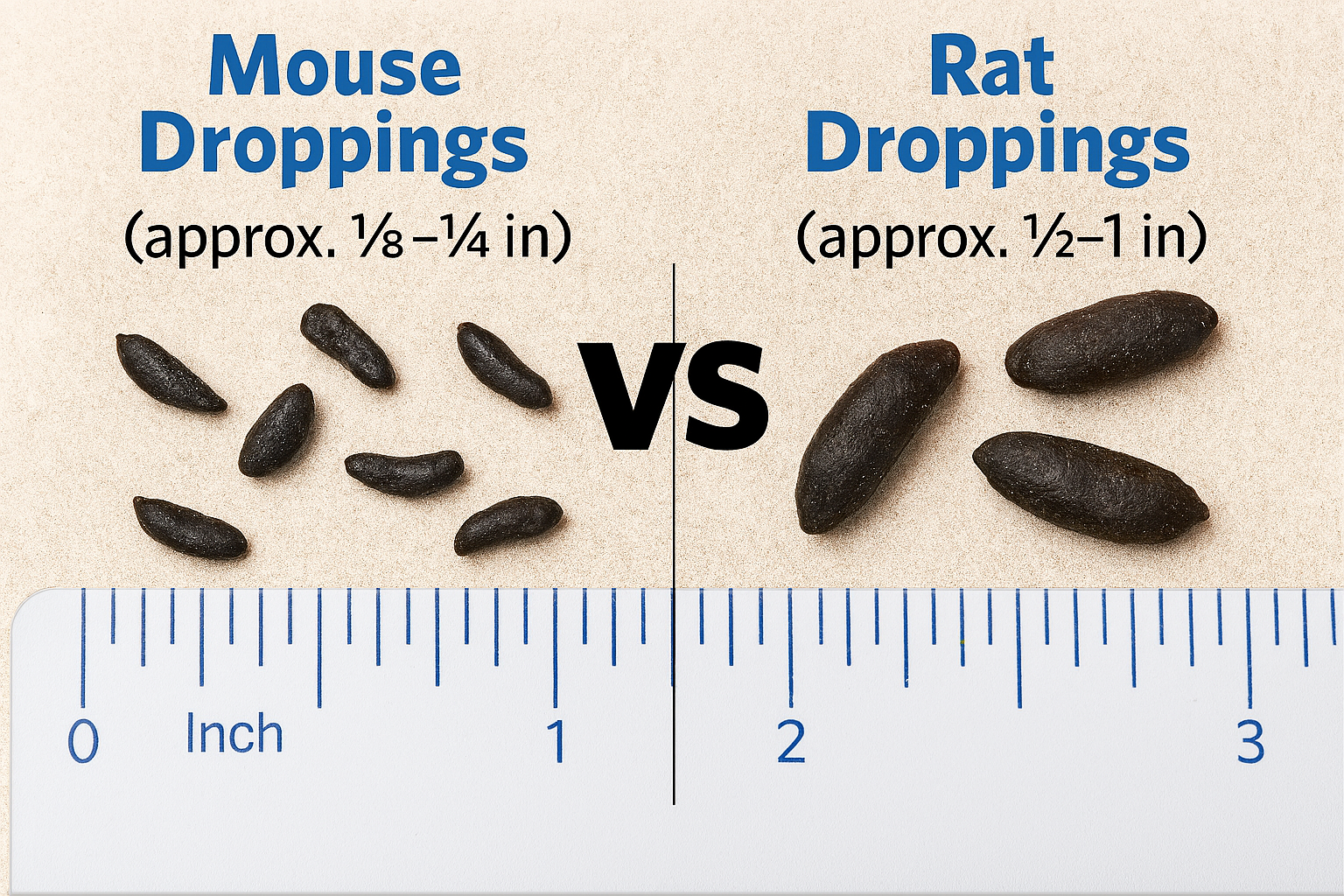
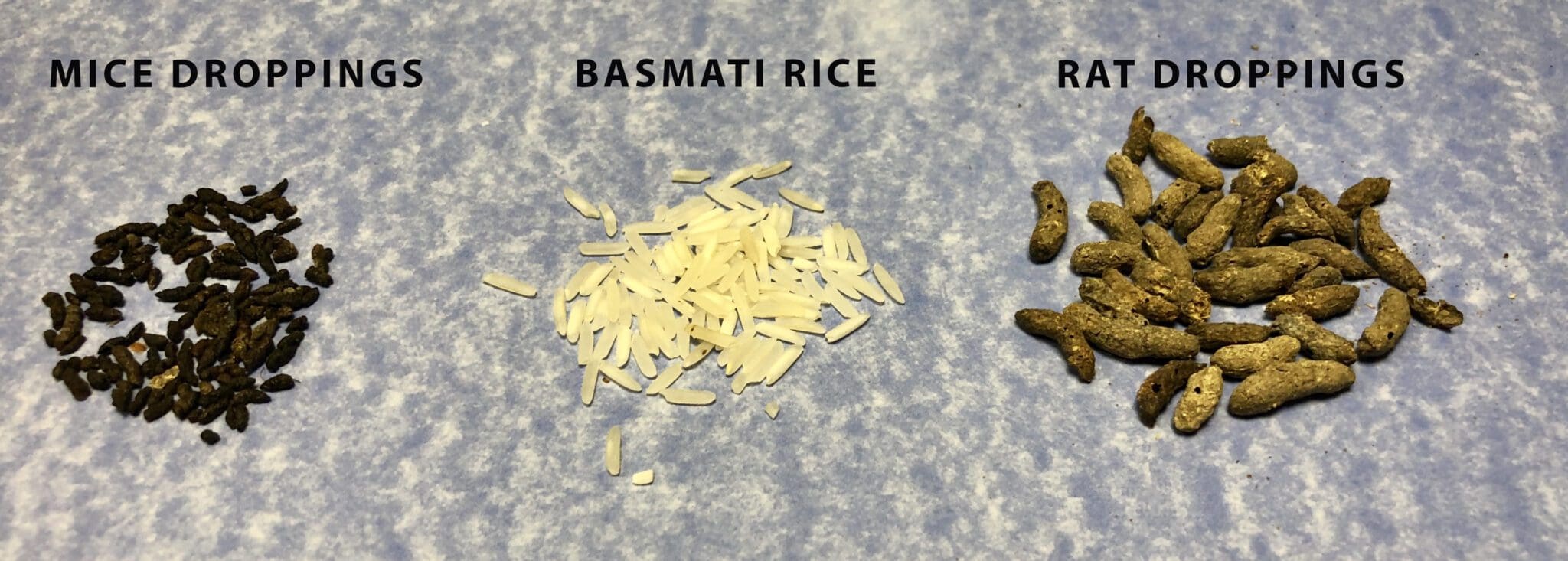
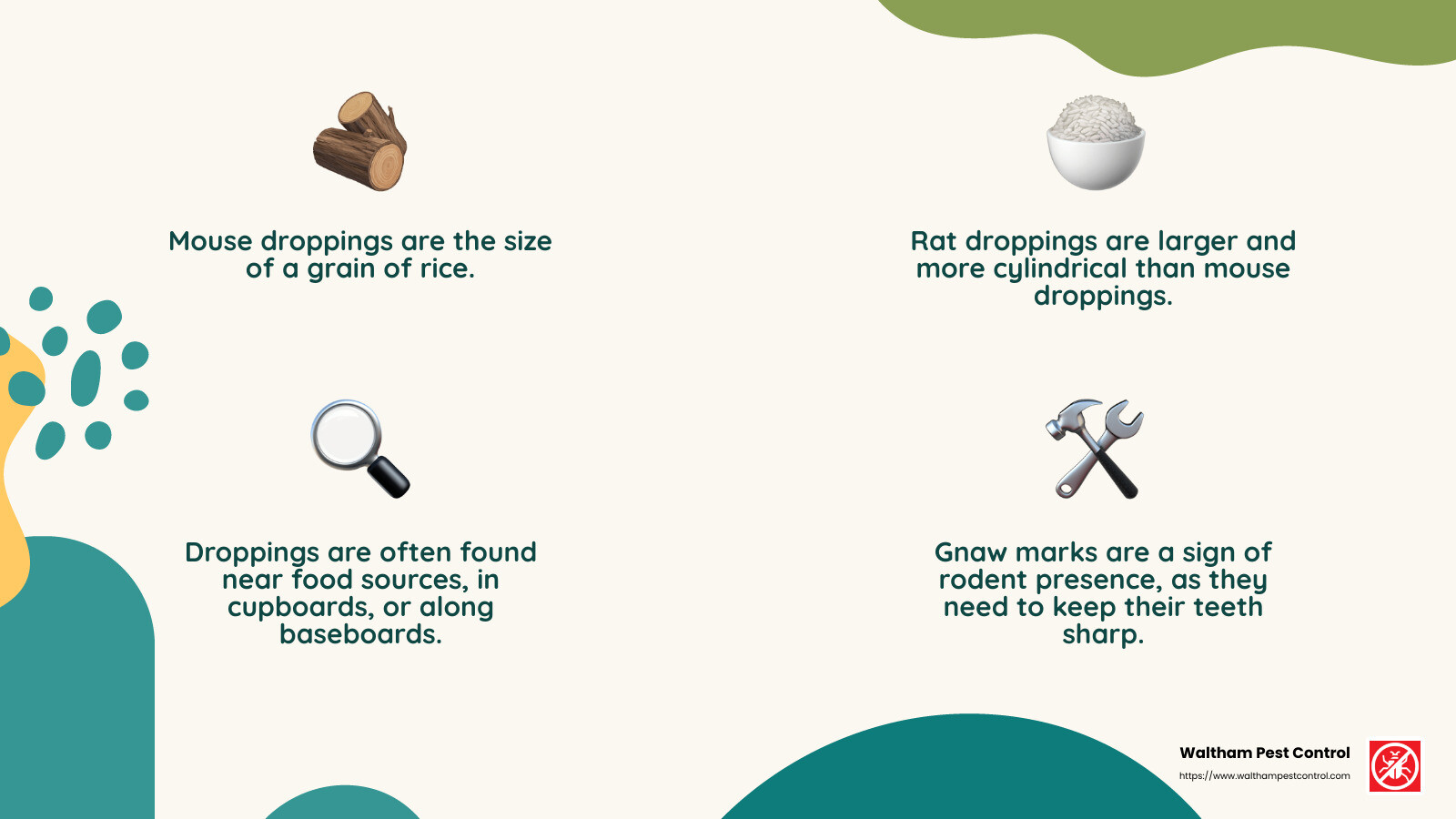
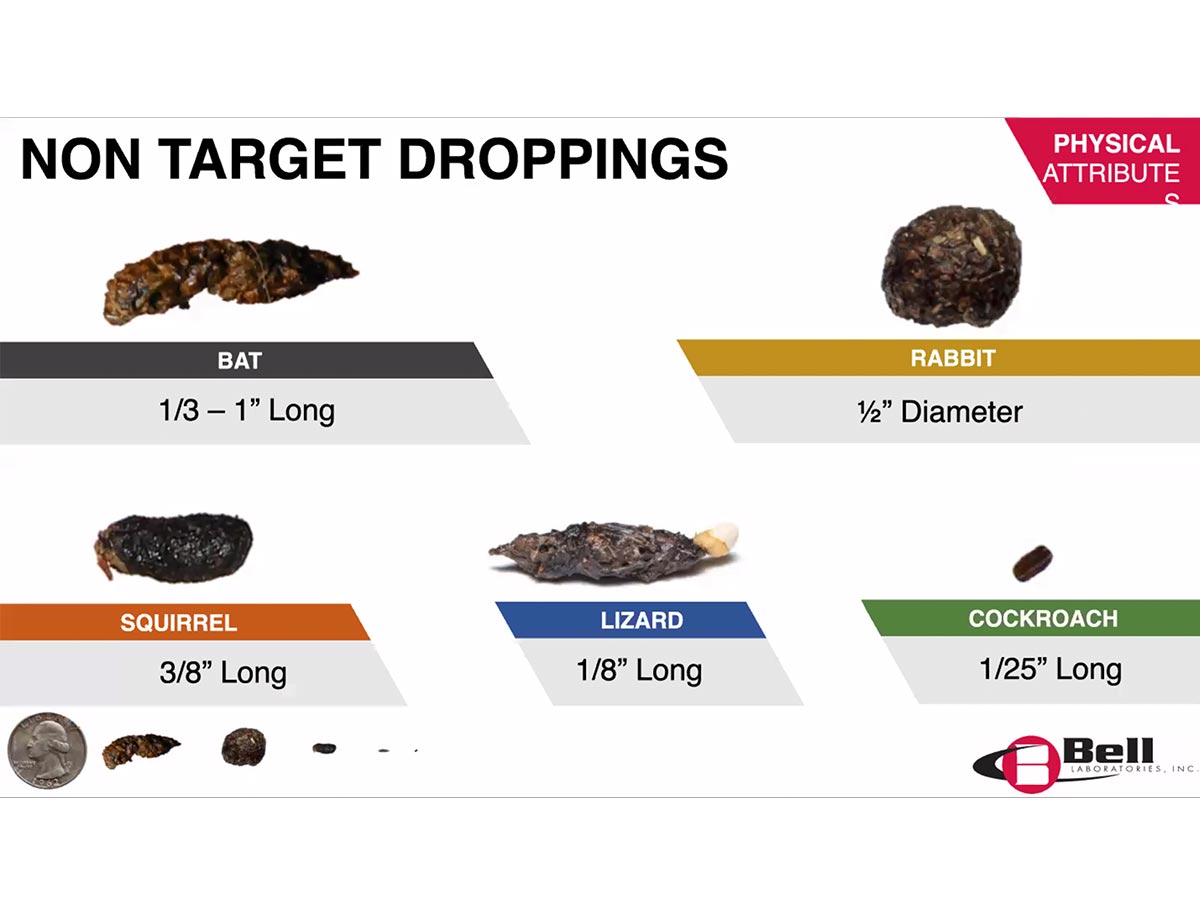
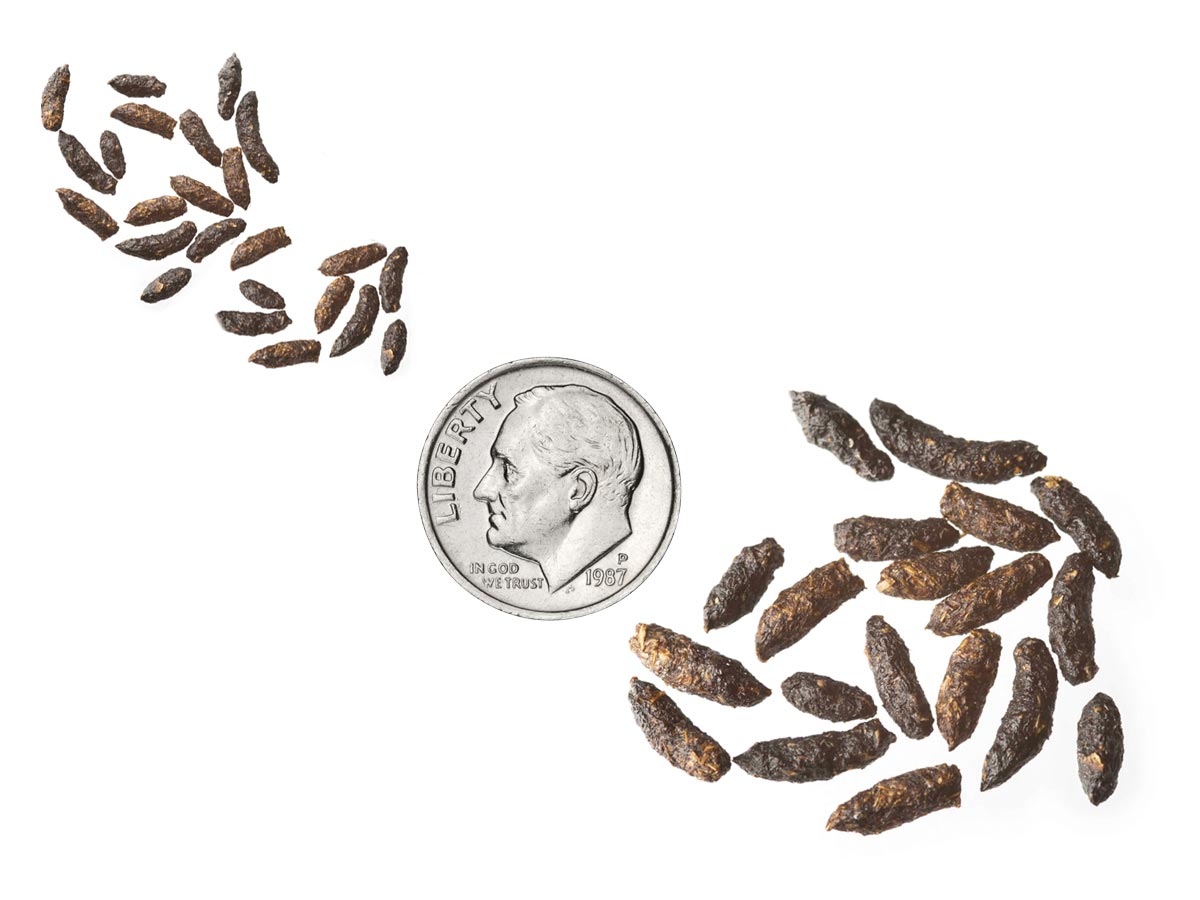
The rodent poop chart is a handy tool for identifying and distinguishing between different types of rodent droppings. It provides a visual reference guide, often in the form of a chart or table, to help you accurately identify the type of rodent you may be dealing with based on their waste. This chart is particularly useful for pest control, wildlife enthusiasts, and anyone curious about the rodents in their environment.
Key Details and Categories
The rodent poop chart typically includes visual representations of various rodent droppings, often displayed as images or drawings. These visual aids show the size, shape, and color of the droppings, which are crucial for accurate identification. The chart may also provide additional information such as the average length and width of the droppings, helping to further narrow down the specific rodent species. It's important to note that while the chart offers a comprehensive guide, there can be slight variations in droppings due to factors like diet and environment.
Reading the Chart: A Step-by-Step Guide
To use the rodent poop chart effectively, follow these steps:
Observe the droppings you want to identify. Take note of their overall size, shape, and color. Are they long and thin, or more rounded? What shade of brown or black are they?
Compare your observations to the chart. Look for droppings that match or closely resemble the ones you found. Pay attention to the provided measurements and visual cues.
Consider the context. The chart may provide additional information, such as common habitats or dietary preferences, to help narrow down the species. For instance, if you find droppings in a rural area with access to grains, it could indicate a different rodent than if you found them in an urban setting with more varied food sources.
Confirm your findings. Once you've identified a potential match, double-check the species' characteristics and behavior to ensure a correct identification.
Variations and Differences: Why It Matters
While the rodent poop chart is a valuable resource, it's important to understand that droppings can vary due to various factors. Diet plays a significant role; a rodent's diet can affect the size and color of their droppings. Additionally, environmental conditions can impact droppings, as rodents in different habitats may have access to varying food sources. It's also worth noting that while the chart provides standard measurements, there can be slight variations between individuals of the same species. Therefore, it's essential to consider these factors when using the chart and to consult additional resources for a more accurate identification if needed.
Hey there, fellow rodent enthusiasts! We hope this guide has given you a clear understanding of the rodent poop chart and its practical uses. Remember, while the basics remain the same, exact details can differ slightly, so always refer to the most relevant and up-to-date sources for your specific needs.
If you're keen to explore more, why not check out our other guides on related topics? We've got a whole range of fun and informative content to keep you entertained and educated. Happy reading!