

Ski Size Chart Black And White Overview
Many folks tend to overlook the steak cooking chart as a simple, basic tool, but it's a powerful guide that can transform your steak game. This chart is your secret weapon, a quick reference to ensure your steaks are cooked to perfection every time.
It's a straightforward, visual representation of the ideal cooking times and internal temperatures for different steak doneness levels. From rare to well done, the chart offers a reliable roadmap, ensuring your steak is cooked just the way you like it.
The Steak Cooking Chart: Your Guide to Steak Perfection
The steak cooking chart is a handy reference tool for anyone wanting to cook the perfect steak. It provides a visual guide to help you achieve your desired level of doneness, from rare to well done. This chart is a simple yet effective way to ensure your steak turns out just right every time.
Key Details and Categories
The steak cooking chart typically displays two key pieces of information: cooking time and internal temperature. These are the two critical factors in determining the doneness of your steak. The chart usually presents these values in a table format, with cooking times on one axis and corresponding internal temperatures on the other. It's important to note that the chart may vary slightly depending on the standard used, so be sure to refer to a reliable source for accurate measurements.
How to Use the Steak Cooking Chart
Using the steak cooking chart is straightforward. First, decide on your preferred doneness: rare, medium-rare, medium, medium-well, or well-done. Each category has a recommended cooking time and a target internal temperature range. For example, a rare steak might have a cooking time of 3-4 minutes per side and an internal temperature of 125-130°F (52-54°C). Follow these steps for a perfect steak:
- Preheat your cooking surface (grill, pan, or oven) to the desired temperature.
- Place your steak on the preheated surface and cook for the recommended time.
- Flip the steak and repeat the cooking process for the other side.
- Use a meat thermometer to check the internal temperature. Ensure it is inserted into the thickest part of the steak, away from any bone.
- Once the steak reaches the desired temperature, remove it from the heat and let it rest for a few minutes before serving.
Understanding Variations
While the steak cooking chart provides a great starting point, there can be variations and differences in the outcomes. Factors such as the thickness of the steak, the type of cut, and the cooking method can all influence the final result. Thicker steaks may require longer cooking times, and different cuts of meat may have varying internal temperature ranges for the same doneness. It's essential to consider these factors and adjust your cooking technique accordingly.
Common Mistakes and How to Avoid Them
One common mistake is relying solely on cooking time without checking the internal temperature. Every steak is unique, and factors like thickness and initial temperature can affect cooking times. Always use a meat thermometer to ensure accuracy. Another mistake is overcooking the steak. It's easy to go from medium-rare to well done in a matter of minutes, so be mindful of the cooking time and check the temperature regularly.
Practical Tips for Perfect Results
To achieve the best results, consider these tips:
- Ensure your steak is at room temperature before cooking. This helps it cook more evenly.
- Use a good-quality meat thermometer for accurate temperature readings.
- Rest your steak properly after cooking. This allows the juices to redistribute, resulting in a juicier steak.
- Experiment with different cooking methods and techniques to find your preferred style.
- Practice makes perfect! The more you use the steak cooking chart, the easier it will be to achieve consistent results.
The steak cooking chart is a valuable tool for any steak enthusiast, offering a simple and reliable guide to cooking the perfect steak. With a little practice and attention to detail, you'll be serving up delicious, mouth-watering steaks every time!
Well, there you have it! A handy steak cooking chart to guide you through the perfect steak experience. Remember, it's a great starting point, but always consider your personal preferences and the specific cut of meat you're working with.
Exact values and cooking times can vary slightly, so it's a good idea to keep an eye on your steak and trust your instincts. Now you're equipped with the knowledge to create steak magic! Don't forget to bookmark this page for future steak adventures; it's a quick and easy reference to have on hand.
Related: How do I choose the right ski size?
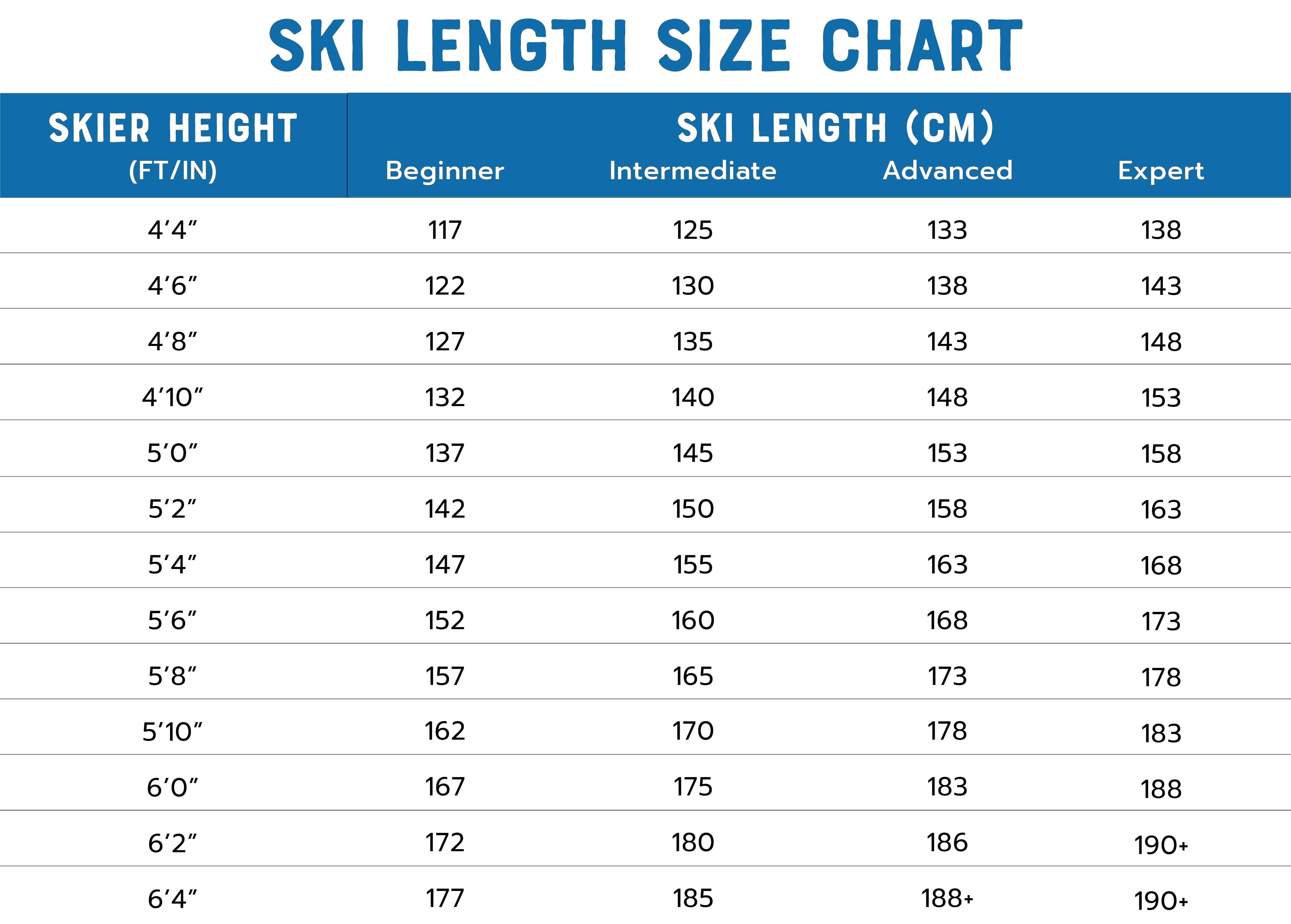
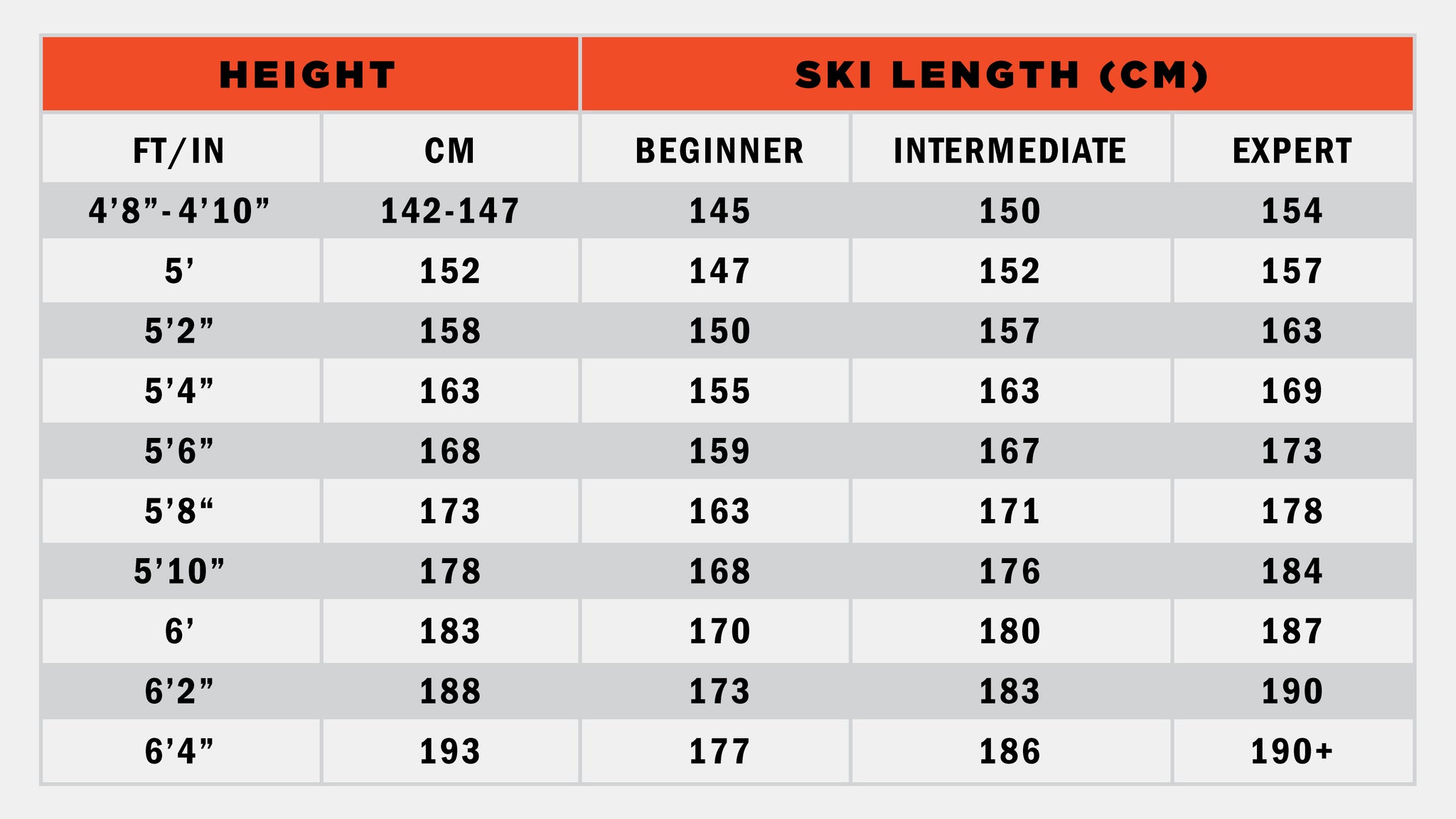
Many skiers, especially beginners, often assume that ski size is a one-size-fits-all affair, but that's not the case! A ski size chart is your go-to tool for finding the perfect ski length for your needs. It's a simple yet effective reference, offering a clear guide to help you choose the right skis.
While it may seem straightforward, there are a few variables to consider. These charts can vary slightly depending on factors like your skill level and the type of skiing you enjoy. So, it's a good idea to explore the different charts and guides available to ensure you get the most accurate recommendation.
Ski Size Chart: Your Practical Guide
A ski size chart is a handy tool that simplifies the process of choosing the right ski length for your needs. It's a reference guide that considers your height, weight, and skill level to recommend an appropriate ski size. Using a ski size chart is an easy way to ensure you get skis that are comfortable and suitable for your abilities.
Key Details: Understanding the Basics
The chart typically provides recommendations for ski lengths based on your height and weight. It may also consider your skiing experience, with different categories for beginners, intermediates, and advanced skiers. The units used are usually in centimeters (cm) for ski length and metric measurements for height and weight. It's important to note that these charts are general guides and may vary slightly depending on the specific ski brand or model you're interested in.
Reading the Chart: A Step-by-Step Guide
- Start by finding your height on the chart. This is usually the primary factor considered.
- Look for the recommended ski length range corresponding to your height. This range often has a minimum and maximum length, giving you some flexibility.
- Consider your weight and skill level. The chart might have different recommendations for lighter or heavier individuals, and separate guidance for beginners versus more experienced skiers.
- Choose a ski length within the recommended range that aligns with your preferences and the type of skiing you enjoy. If you're a beginner, you might opt for the shorter end of the range for better control. Advanced skiers might lean towards the longer end for more speed and stability.
Variations and Differences: Why They Matter
Ski size charts can vary slightly between different brands and models. This is because skis are designed with specific purposes in mind, such as racing, freestyle, or all-mountain skiing. These variations ensure that the ski's performance matches your intended use. Additionally, some charts might offer more detailed recommendations based on your skiing style or the terrain you typically ski on. It's always a good idea to check the manufacturer's specific guidelines for their ski size recommendations.
Common Mistakes and How to Avoid Them
One of the most common mistakes is relying solely on your height to determine ski length. While height is a key factor, it's not the only one. Your weight and skill level also play a role. Another pitfall is ignoring the recommended ranges and opting for skis that are too long or too short. This can affect your control and overall skiing experience. Always aim for a ski length within the recommended range for your height, weight, and skill level.
Practical Tips for Accurate Results
If you're still unsure about which ski length to choose, consider renting a few different sizes to try them out on the slopes. This hands-on approach can help you understand how different lengths feel and perform. Additionally, consulting with a ski shop expert can provide valuable insights tailored to your needs. They can guide you through the process and offer recommendations based on your preferences and skiing goals.
Double-Checking and Handling Exceptions
While ski size charts are a great starting point, it's important to remember that they are general guidelines. If you have specific requirements or preferences, it's always a good idea to double-check with the manufacturer's specifications or consult an expert. For instance, if you have a unique body type or ski in a very specialized discipline, you might need to adjust the recommended ski length accordingly. Always ensure you're comfortable with your ski choice and that it aligns with your skiing aspirations.
Well, that's all for now on this ski size chart guide. We've covered a lot of ground, and I hope it's given you a clear idea of how to approach this topic. Remember, it's always a good idea to check the specific requirements and standards for your ski gear, as exact values can vary.
Don't forget to double-check the fine print and ensure you're getting the right size for your needs. With that in mind, feel free to explore our other guides and resources. We've got plenty of practical tips and tricks to share, so keep learning and stay tuned!
Related: What is the Redken Color Chart?
You're likely here because you're seeking clarity on the Redken color chart, a valuable resource for anyone wanting to navigate hair color options effectively. This chart is your go-to guide, offering a simple yet comprehensive overview of Redken's color range. It provides an easy-to-understand visual representation, ensuring you can make informed choices about your hair color journey.
Understanding the Redken Color Chart
The Redken color chart is a comprehensive guide to their hair color range, offering a visual representation of the various shades and tones available. It provides a standardized way to choose and mix colors, ensuring consistent results. This chart is an essential tool for professionals and enthusiasts alike, offering a clear reference for achieving desired hair colors.
Standard Color Notation: Comparing Options
The Redken color chart follows a simple and intuitive system. Each color is represented by a unique code, typically a combination of letters and numbers. For example, the code "GG" represents a specific shade of golden blonde. This notation allows for easy identification and mixing of colors. The chart also displays the intensity and tone of each color, helping users choose the right shade for their desired look.
Practical Application Tips: Step-by-Step Guide
To use the Redken color chart effectively, follow these steps:
- Identify your desired color family. The chart is organized into sections, making it easy to navigate.
- Choose the specific shade within that family. Consider the natural hair color and the desired level of lift or deposit.
- Note the color code and intensity. This information is crucial for accurate mixing.
- Follow the recommended mixing ratios and application techniques provided by Redken.
- Test a small strand to ensure the desired result before full application.
Common Misreadings and Pitfalls
While the Redken color chart is straightforward, there are a few potential pitfalls to avoid:
- Ensure you are using the correct chart for your region or standard. Redken may offer different charts for various markets.
- Pay attention to the color intensity and tone. A slight variation in these can lead to significantly different results.
- Be aware of the natural hair color and its impact on the final result. Pre-lightening or pre-pigmentation may be necessary for certain shades.
- Always refer to the Redken color wheel or swatches for a more visual representation of the final color.
- Remember, practice and experience are key to mastering color application.
Remember, while this guide offers a comprehensive overview, it's always beneficial to cross-reference with your specific needs. The Redken color chart is a versatile tool, but its application may vary depending on your unique circumstances.
Feel free to explore our other guides for a deeper understanding of hair care and styling. We've got plenty of resources to help you navigate the world of hair coloring and beyond!