

Ski Size Chart Letter Size Overview
You've likely landed here with a specific goal: to find a clear, concise deer feeding chart that offers reliable information at a glance. This chart is your go-to resource, a simple yet powerful tool for understanding deer nutrition and feeding practices. It provides a quick reference, ensuring you can make informed decisions about deer diet and care. While the exact values and formats may vary, depending on factors like region and specific needs, the deer feeding chart serves as an essential guide, offering insights into deer nutrition and the seasonal changes in their diet.
Understanding the Deer Feeding Chart
The deer feeding chart is a valuable tool for anyone managing deer populations or interested in their nutrition. It provides a comprehensive overview of the dietary needs of deer, offering insights into their feeding habits and requirements. This chart is designed to simplify the process of understanding deer nutrition and ensuring their proper care.
Comparing Chart Formats and Standards
There are various formats and standards for deer feeding charts, often influenced by regional differences and specific use cases. These charts typically present information on the nutritional composition of deer diets, including the percentage of protein, fiber, and other essential nutrients. They may also provide guidelines on the recommended daily intake and the types of forage available during different seasons.
Step-by-Step Guide to Using the Chart
To utilize the deer feeding chart effectively, follow these steps:
Identify the age and weight of the deer you are caring for. This information is crucial as nutritional requirements vary based on these factors.
Locate the relevant section on the chart that corresponds to the deer's age and weight. The chart often has distinct categories for fawns, yearlings, and adult deer.
Read the nutritional values and guidelines provided for each category. Pay attention to the recommended daily intake and the types of forage suggested.
Adjust the feeding plan based on the chart's recommendations. Ensure a balanced diet by providing the right proportion of protein, fiber, and other nutrients.
Monitor the deer's health and behavior. If any issues arise, consult an expert or adjust the feeding plan accordingly.
Avoiding Common Misinterpretations
It's essential to note that deer feeding charts provide general guidelines, and individual deer may have unique needs. Here are some common misinterpretations to avoid:
Assuming that the chart covers all scenarios: Always consider the specific context and environment in which the deer are living. Factors like weather, habitat, and available forage may require adjustments to the feeding plan.
Neglecting individual variations: Each deer is unique, and their nutritional needs can vary. Keep a close eye on their health and behavior to ensure they are receiving adequate nutrition.
Overlooking seasonal changes: Deer's dietary requirements often change with the seasons. The chart should be used as a dynamic tool, adapting to the changing needs of deer throughout the year.
Factors Affecting Accuracy and Real-World Application
When using a deer feeding chart, keep in mind the following key factors that can influence its accuracy and practical application:
Forage availability: The type and amount of forage available in a deer's habitat can greatly impact their diet. Ensure you understand the local forage options and their nutritional value.
Weather conditions: Extreme weather events can affect the nutritional content of forage. Be prepared to adjust feeding plans during droughts, floods, or other weather-related challenges.
Deer diet composition: While the chart provides a guide, deer may have preferences for certain foods. Observe their feeding habits and adjust the diet accordingly.
Special considerations: Pregnant or nursing does, as well as injured or sick deer, may have unique nutritional needs. Consult experts for specialized feeding plans in such cases.
Remember, while the deer feeding chart is a valuable resource, it should be used flexibly and adapted to the specific needs of the deer in your care. Regular monitoring and expert advice can ensure the health and well-being of these magnificent animals.
Remember, every deer and its needs are unique, so while this chart provides a fantastic starting point, you may need to make small adjustments to find the perfect feeding routine for your furry friends. It's all about finding that sweet spot!
We've got a whole library of practical guides just like this one, covering various topics to help you navigate the wonderful world of wildlife care. So, feel free to explore and discover more tips and tricks to enhance your outdoor adventures and make the most of your time with nature's creatures. Happy reading and happy feeding!
Related: Uncover the Perfect Rug Size: A Quick Guide
You're here because you need a quick fix, a reliable reference, or a simple guide to help you choose the right rug size. Well, look no further! The rug sizes chart is your friend and a brilliant tool to have on hand. It's a straightforward, visual aid that takes the guesswork out of selecting the perfect rug dimensions.
This chart is a handy reference, offering a clear overview of standard rug sizes and their corresponding measurements. It's a simple yet effective way to ensure your rug fits the space beautifully, and it can even guide you on the best rug size for different room dimensions.
Rug Sizes Chart: A Practical Guide
Rug sizes charts are a handy reference tool for anyone looking to choose the right rug for their space. These charts provide a quick and easy way to visualize standard rug dimensions and help you make an informed decision. In this guide, we'll explore what these charts offer and how to use them effectively.
Key Details and Units
Rug sizes charts typically display a range of standard rug sizes, often in both imperial and metric units. You'll find measurements for length and width, allowing you to understand the dimensions of each rug size. The charts may also include categories or labels to differentiate between common rug types, such as runner rugs or large area rugs. It's important to note that these charts provide a general guide, and specific rug collections or manufacturers may have slight variations.
Reading the Chart and Choosing the Right Size
Using a rug sizes chart is straightforward. Here's a step-by-step guide:
- Identify the room or space where you want to place the rug. Consider the available floor area and any furniture arrangements.
- Refer to the chart and locate the section that matches your room's dimensions. For example, if your room is 12 feet by 10 feet, look for the corresponding size category.
- Within that category, you'll find various rug sizes. Choose a size that best fits your space, considering the amount of floor coverage you prefer.
- Take note of the rug's length and width measurements. These will help you visualize how the rug will look in your room.
- If you're purchasing online, ensure the rug's dimensions align with your chosen size. Some retailers may have slight variations, so double-check the exact measurements before ordering.
Variations and Differences
While rug sizes charts provide a standardized guide, variations can occur due to different standards and contexts. For instance, international or metric standards may have slightly different measurements compared to imperial units commonly used in certain regions. Additionally, manufacturers might offer custom sizes or have unique naming conventions for their rug collections. It's always a good idea to check the specific rug's measurements and any unique specifications provided by the manufacturer or retailer.
Common Mistakes and How to Avoid Them
When using a rug sizes chart, here are some common pitfalls to watch out for:
- Relying solely on the chart without considering your room's unique layout and furniture placement. Take the time to visualize how the rug will fit within your space.
- Assuming all rugs in a particular size category are identical. Different rug designs and materials may have slight variations in dimensions, so always check the specific rug's measurements.
- Forgetting to account for rug thickness. Thicker rugs may require slightly more floor space to accommodate their bulk.
- Neglecting to measure your room accurately. Take precise measurements to ensure the rug fits as intended.
By being mindful of these potential mistakes, you can ensure a successful rug selection process and achieve the perfect rug placement in your space.
Remember, when it comes to rug sizes, the exact measurements might differ slightly based on various factors. So, always double-check the specific standards or guidelines relevant to your project.
We hope this guide has been helpful! If you're keen to explore more practical tips and tricks, feel free to check out our other guides on a range of home improvement and design topics. Happy decorating!
Related: Need a Boot Size Chart? Get Accurate Sizing Here
Many people overlook the importance of a simple boot size chart, assuming it's just a basic guide. But, it's a common pitfall to think that one size fits all, and this is where the chart becomes crucial. A boot size chart is your go-to tool, offering a quick and accurate way to find your perfect fit. It's not just about shoe size; it considers foot measurements and provides a reliable reference for various brands and international sizing standards.
Boot Size Chart Explained
A boot size chart is your go-to guide for finding the perfect fit for your feet. It's a handy tool that helps you understand the standard sizing systems used for boots, ensuring you get the right size every time. These charts are especially useful when shopping online or comparing different brands, as they provide a consistent reference point.
Understanding the Key Details
Before diving into the chart, let's cover some basics. Boot size charts typically display two key measurements: length and width. Length is measured in either centimeters (cm) or US sizes, and it represents the overall size of your foot. Width, on the other hand, is often indicated by letters (e.g., A, B, C) or a scale (e.g., narrow, medium, wide). It's important to note that the width scale may vary slightly between brands, so always check the specific chart for clarity.
How to Read and Use the Boot Size Chart
Using a boot size chart is straightforward:
Measure your foot length: Take an accurate measurement of your foot, following the guidelines provided on the chart. This ensures you get the right length.
Find your length category: Locate your foot length on the chart. It will typically be divided into categories, such as men's, women's, and kids' sizes, with corresponding length ranges.
Check the width: Once you've identified your length category, look for the width options available within that range. Choose the width that best suits your foot shape and comfort preferences.
Convert if needed: If the chart uses a different sizing system than you're familiar with, don't worry! Most charts provide conversion guides, allowing you to easily translate between US, UK, and EU sizes, or even cm to US size conversions.
Variations and Differences
One of the challenges with boot size charts is the variation between different standards and brands. While many brands adhere to international sizing standards, some may have slightly different measurements or use unique width scales. This is especially true for specialty boots, like hiking or skiing boots, which may have unique fit requirements. Always double-check the specific brand's sizing guide to ensure an accurate fit.
Common Mistakes and How to Avoid Them
A common mistake is assuming that all boot size charts are the same. Different charts may have slight variations, so always refer to the chart provided by the brand or retailer you're purchasing from. Another pitfall is relying solely on your usual shoe size. Boot sizes can vary, so it's best to measure your foot each time to ensure an accurate fit. Lastly, don't forget to consider the width! A boot that's too narrow or wide can cause discomfort and affect your overall experience.
Tips for Accurate Measurements and Best Practices
To ensure the most accurate results when using a boot size chart, consider these tips:
Measure your foot at the end of the day when it's slightly swollen, as this is often the time when your feet are at their largest.
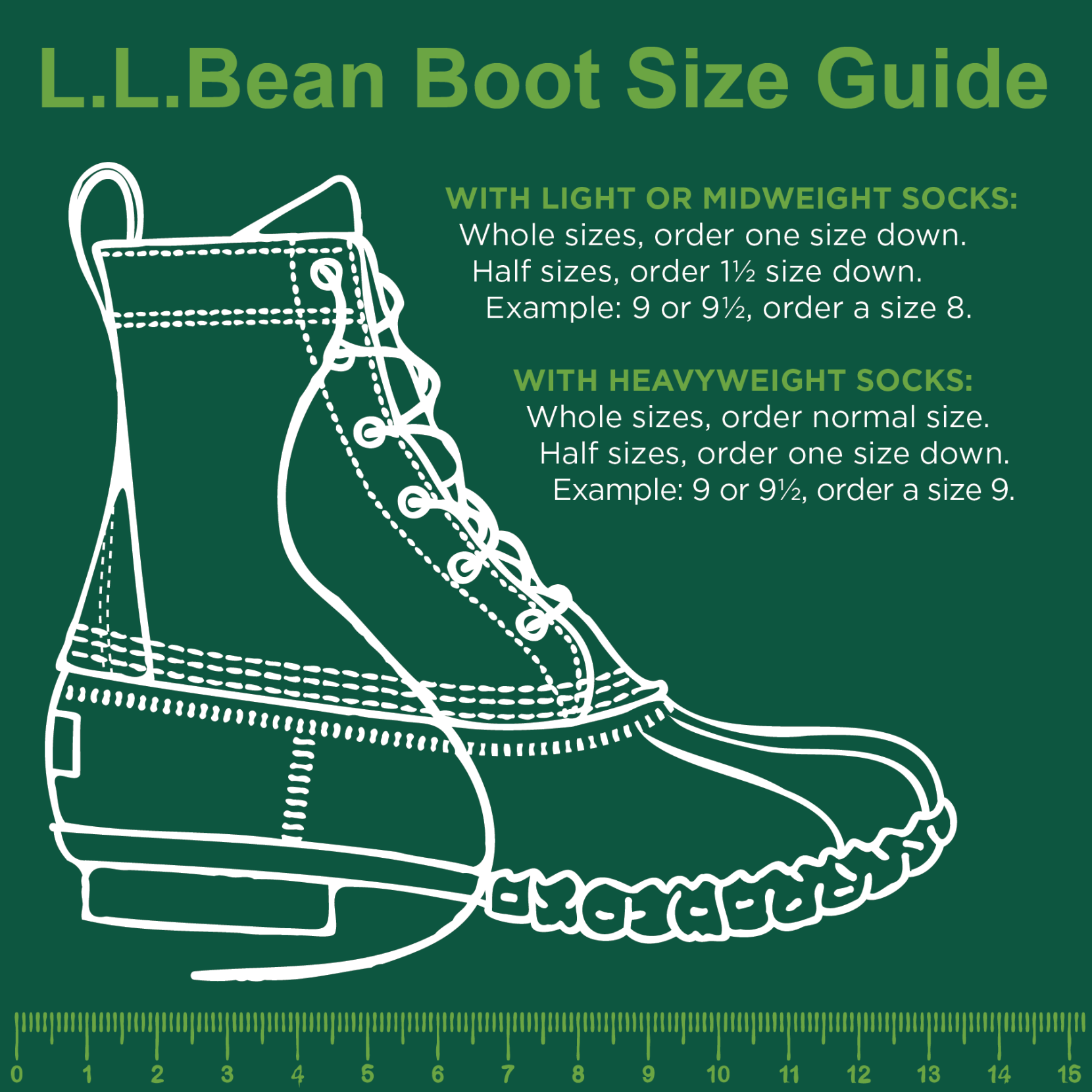
If you're between sizes, err on the side of a slightly larger size. A tight fit can be uncomfortable and restrict blood flow, while a slightly larger size can be adjusted with the right sock thickness.
When trying on boots, wear the same type of socks you plan to wear with them. This ensures a true representation of the fit.
Consider the type of boot and its intended use. Some boots, like work boots, may require a different fit than casual boots, so be mindful of the activity and choose accordingly.
Remember, while boot size charts are a valuable tool, they are just a guide. Always trust your comfort and fit preferences, and don't hesitate to seek advice from experts or customer support if you need further assistance. Happy shopping and happy trails!
Well, there you have it! A boot size chart is a handy tool, but remember, it's a guide, and exact values may differ slightly between standards. Always double-check your specific needs and the manufacturer's guidelines to ensure a perfect fit.
This chart is a quick reference, so bookmark this page, and you'll always have it at your fingertips when you need to find the right boot size. Happy measuring, and may your feet always be comfortable!