

Skin Tone Chart A4 Overview
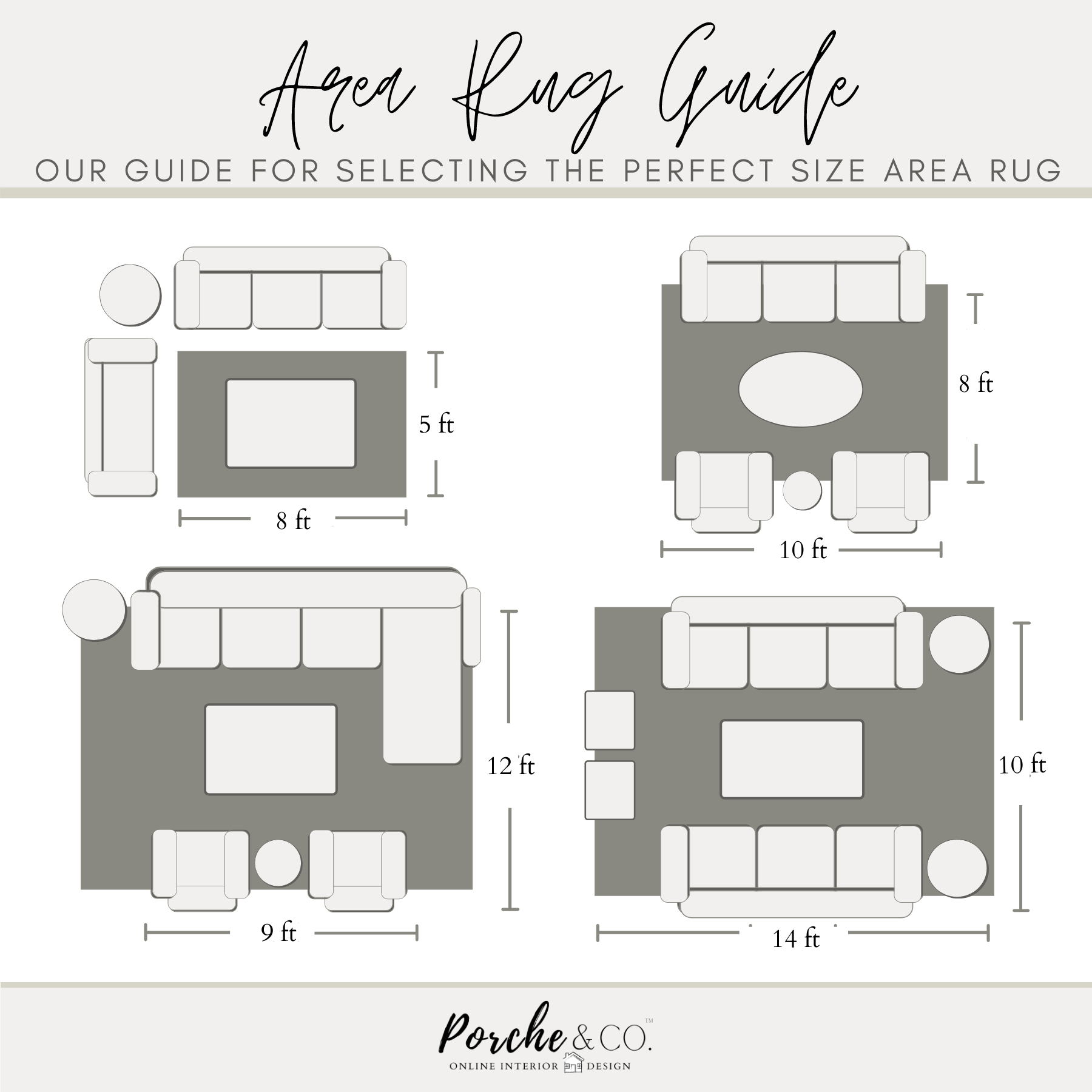
Many folks assume that a rug size chart is an exact science, with one standard size fitting all rooms. However, it's actually a flexible tool, offering a range of options to suit your space. A quick glance at this chart will show you the variety of rug sizes available, and it's an easy way to visualize how different dimensions can work in your home. Whether you're after a rug size guide, carpet dimensions, or floor covering measurements, this chart is a simple, effective starting point.
Understanding the Chart: A Quick Overview
A rug size chart is a handy tool to help you choose the right rug for your space. It provides a visual representation of standard rug sizes, making it easy to visualize and compare different dimensions. This chart is a practical guide for anyone looking to add a rug to their home, offering a simple way to ensure the rug fits the intended area perfectly.
Standard vs. Non-Standard Sizes: A Comparison
While most rugs come in standard sizes, there are also non-standard or custom-made options. The rug size chart typically covers a range of common sizes, such as 5x8, 8x10, and 9x12 feet, which are popular choices for various rooms. Non-standard sizes offer more flexibility but may require a bit more effort to find the perfect fit.
Step-by-Step Guide: Using the Chart Effectively
To use the rug size chart accurately, follow these simple steps:
- Identify the area you want to cover with the rug. Measure the length and width of this space to get an idea of the rug size you need.
- Refer to the chart and locate the closest standard size that fits your measurements. For example, if your space is 6x9 feet, a 5x8 or 8x10 rug might be suitable.
- Consider the layout and furniture arrangement. The chart provides a guide, but you may need to adjust based on your specific room setup.
- Take note of the rug's shape. Some charts also indicate whether the rug is rectangular, square, or runner-shaped, helping you choose the right fit for your space.
Common Misreadings and How to Avoid Them
One common mistake is assuming that the chart provides exact measurements for every rug. While it offers a great starting point, it's important to remember that rug sizes can vary slightly. Always double-check the exact dimensions of the rug you're interested in to ensure a perfect fit. Another potential pitfall is ignoring the scale of the room. A large rug in a small room can make the space feel cramped, so always consider the overall balance and proportion.
Key Factors Affecting Accuracy and Real-World Use
- Room Size: The size of the room plays a crucial role in choosing the right rug. A larger room can accommodate bigger rugs, while smaller spaces may require more careful consideration to avoid overcrowding.
- Furniture Arrangement: The placement of furniture can impact the rug size and shape needed. Consider leaving a border of floor space around the rug to create a balanced look.
- Rug Shape: Different shapes, like runners or round rugs, serve specific purposes and fit different spaces. The rug size chart often includes these variations to guide your selection.
- Tolerances: Rug sizes can have slight variations, so it's essential to check the manufacturer's specifications to ensure the rug meets your expectations.
Adapting the Chart: Choosing the Right Format
The rug size chart can be adapted to suit your needs. If you're looking for a specific size, some charts offer a search function or filters to narrow down options. Additionally, metric and imperial measurements are often available, catering to different regions and preferences. For unique spaces, consider using a custom rug size chart or consulting an expert to ensure a perfect fit.
Well, there you have it! A comprehensive guide to rug size charts and their practical uses. We've covered a lot of ground, from understanding the different options to avoiding common pitfalls.
Remember, when it comes to choosing the right rug size, it's essential to consider your unique space and needs. So, take a moment to double-check your measurements and specific requirements before making any final decisions. This guide should be a handy reference, but it's always good to ensure you've got the right fit for your room.
Consider bookmarking this page for future rug adventures; you never know when you might need a quick refresh on finding the perfect rug size!
Related: How to use a sax finger chart?
You're probably here because you need a quick fix, a go-to guide for your saxophone journey. Well, the sax finger chart is your reliable companion on this path. It's a simple yet powerful tool, a map that translates those mysterious finger positions into beautiful music. Whether you're a beginner or a pro, this chart is a must-have, offering a standard fingering system that can vary slightly but is universally understood.
Understanding the Sax Finger Chart
The sax finger chart is your go-to guide for mastering saxophone finger placement. It's a visual representation, often in the form of a table or diagram, that shows you which fingers to place where to produce specific notes. Think of it as a map for your fingers on the saxophone. This chart is an essential tool for any sax player, whether you're a beginner or a pro.
Comparing Chart Formats and Standards
There are a few different types of sax finger charts, but the most common is the standard fingering system. This system is widely used and is based on the layout of the saxophone's keys and pads. It provides a clear, universal guide for players. However, there can be slight variations depending on the type of saxophone, such as alto sax fingerings or tenor sax fingerings, as well as regional differences in notation.
Using the Chart: A Step-by-Step Guide
To use the sax finger chart, follow these steps:
- Identify the note you want to play. This is usually indicated by a letter and an octave number, e.g., C4 or G#5.
- Locate the corresponding fingering on the chart. The chart will show you which keys to press and which fingers to use.
- Place your fingers on the saxophone according to the chart. Ensure a firm but relaxed grip, and pay attention to the positioning of each finger.
- Practice and memorize the fingerings for common notes. The more you practice, the more natural it will become.
- Explore alternative fingerings for advanced techniques. Some charts may include these, offering options for different sounds or easier playing.
Common Misreadings and How to Avoid Them
While the sax finger chart is a valuable tool, there are a few potential pitfalls to watch out for:
- Common Saxophone Fingerings can vary slightly between different sax models and manufacturers. Always double-check the specific fingerings for your instrument.
- Pay attention to octave indicators. Notes with the same letter but different octave numbers will have different fingerings.
- Some charts may use abbreviations or symbols. Familiarize yourself with these to avoid confusion.
- Remember that finger placement is just one aspect of playing. Breath control, embouchure, and technique also play crucial roles in producing the desired sound.
The sax finger chart is a powerful tool, but it's just one part of the learning process. With practice and patience, you'll master the art of finger placement and produce beautiful music on your saxophone.
Well, there you have it! A simple yet effective tool to keep at hand. The sax finger chart is a handy reference, offering a quick solution to those tricky finger placements.
Remember, while this guide provides a solid foundation, always consider your specific instrument and playing style. Exact values might vary, so it's worth double-checking to ensure you're covered.
Feel free to explore our other guides; we've got plenty of resources to enhance your musical journey!
Related: Uncover the Secrets of Chart of Kalyan
Many people often mistake the chart of kalyan for a complex and mysterious tool, but it's actually a simple and incredibly useful reference guide. The kalyan chart is a straightforward visual aid, and while it may look intimidating at first, its purpose is to provide a quick and easy reference for specific tasks. Think of it as a handy, universal language that simplifies complex information.
You'll find that this chart, in its various forms, is an essential tool for many, offering a clear and consistent way to understand and apply certain standards. Whether it's a kalyan diagram or a reference table, the key is to remember that its values and formats might vary depending on the context, so it's always a good idea to check the specific standards for your needs.
Understanding the Chart of Kalyan
The Kalyan chart is a reference tool that provides a visual representation of key data points, helping users quickly grasp complex information. It's a handy guide, often used in various industries, to make informed decisions and ensure accuracy in measurements and calculations. This chart is a valuable resource, offering a simple yet effective way to interpret and apply specific data.
Comparing Chart Variations
There are different versions of the Kalyan chart, each tailored to specific needs. These variations can include different measurement systems, such as the metric system or imperial units, depending on the region and industry. Additionally, charts may differ in their level of detail and the data they present, ranging from basic overviews to highly detailed breakdowns.
Step-by-Step Guide to Using the Chart of Kalyan
Using the Kalyan chart is straightforward. First, identify the type of chart you're working with, ensuring it aligns with your measurement system and data requirements. Next, locate the specific data point or category you need. Read the values or categories carefully, noting any units of measurement. For instance, if you're using a chart with imperial units, ensure you understand measurements like inches or feet. Finally, apply the data to your calculations or decision-making process.
Common Misreadings and How to Avoid Them
Misinterpreting the Kalyan chart is easy, especially when dealing with multiple variations. To avoid this, always double-check the chart's units and ensure they match your needs. For example, mistaking inches for centimeters can lead to significant errors. Additionally, pay attention to any notes or legends on the chart, as these often provide crucial context. Misreading these can result in incorrect assumptions about the data.
Key Factors Affecting Accuracy
Several factors can impact the accuracy of the Kalyan chart and its real-world applications. These include:
- Standardization: Ensure the chart follows the relevant industry or regional standards.
- Data Freshness: Regularly update your charts to account for any changes in specifications or tolerances.
- User Experience: Familiarity with the chart's format and data can impact accuracy.
- Environmental Factors: Consider any external influences, like temperature or pressure, which may affect measurements.
Choosing the Right Chart Format
Selecting the appropriate Kalyan chart format is crucial for accurate results. Consider your specific needs and the data you require. For instance, if you need detailed measurements, opt for a chart with a higher level of precision. On the other hand, a basic overview chart might suffice for general decision-making. Always ensure the chart's units match your measurement system to avoid confusion and errors.
Keeping Your Reference Reliable
To maintain the reliability of your Kalyan chart, regular updates are essential. Stay informed about any changes in standards or specifications relevant to your industry. Additionally, consider creating a system to track and manage different chart versions, ensuring you always have access to the most recent and accurate data. This practice helps avoid using outdated charts, which can lead to significant errors.
Well, there you have it! A comprehensive guide to the Chart of Kalyan, a handy tool for your reference needs. We've covered a lot of ground, from understanding the different options to ensuring accuracy and reliability.
Remember, when it comes to practical guides like this, it's always worth taking a moment to ensure the specifics match your unique situation. So, double-check those details, and you'll be all set!
If you found this guide helpful, feel free to explore our other resources. We've got a range of practical, no-nonsense guides to assist with various topics. Happy learning, and we hope to see you around!