


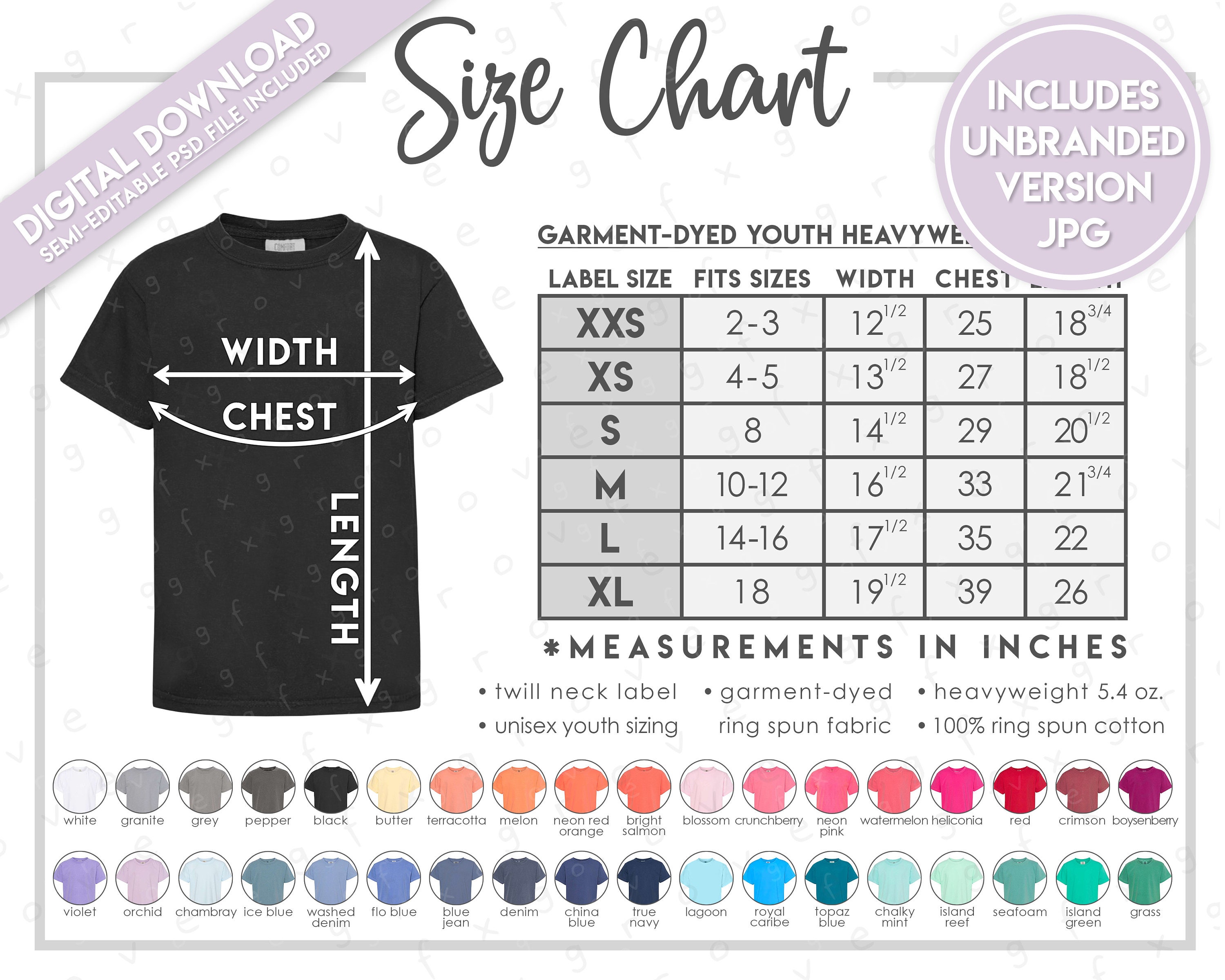
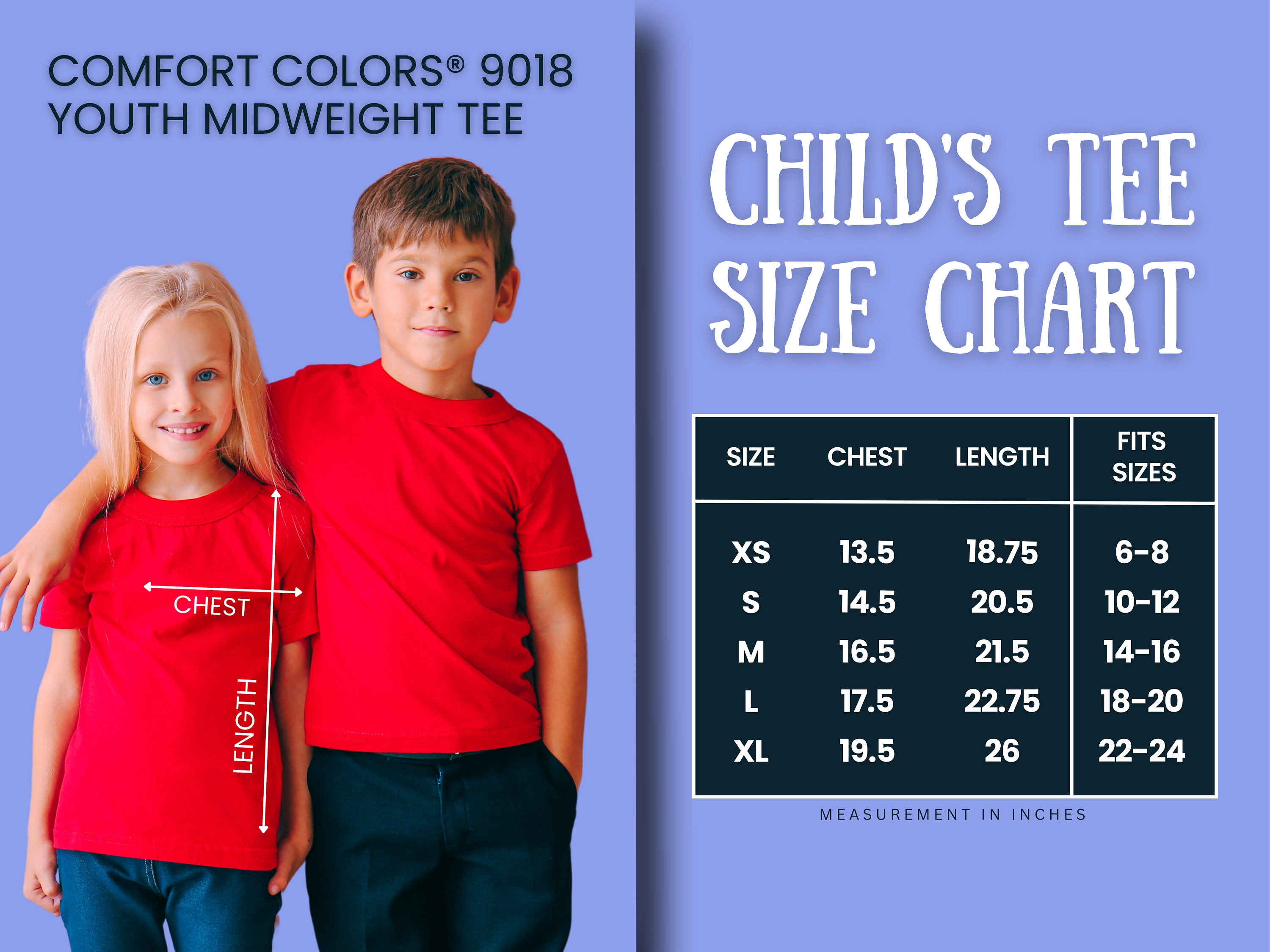

Skin Tone Chart Letter Size Overview
You've landed on this page, so you're probably seeking a quick, reliable guide to skate steam charts. These charts are an essential tool for anyone working with steam systems, offering a clear and concise reference for steam pressure and its applications. It's a simple yet powerful resource, providing a snapshot of the key values and their uses. The beauty of skate steam charts is their versatility; they can vary depending on your specific needs and context, making them a handy, adaptable reference.
Understanding the Skate Steam Chart: A Quick Overview
The skate steam chart is a valuable tool for anyone working with steam-powered equipment, especially in the world of skating. It provides a visual representation of the relationship between steam pressure and the corresponding skate performance or behavior. This chart is your guide to understanding how steam pressure impacts your skating experience.
Comparing Steam Pressure Standards and Categories
When it comes to steam pressure, there are different units and standards to consider. The most common skate steam charts use pounds per square inch (psi) or bars as the pressure unit. These charts often cover a range of pressures, typically from 0 to 100 psi or 0 to 7 bars, which are the standard operating pressures for most skate steam applications.
How to Use the Skate Steam Chart: A Step-by-Step Guide
Identify the steam pressure you're working with. This could be the pressure your steam generator is producing or the pressure your equipment is designed to handle.
Locate the pressure value on the chart's horizontal axis. This axis typically represents steam pressure and is labeled with the unit of measurement (psi or bars).
Follow the vertical line corresponding to your identified pressure until it intersects with the chart's curve or line graph.
Read the value on the vertical axis, which represents the resulting skate performance or behavior. This could be skate speed, maneuverability, or any other relevant parameter.
Use this information to make informed decisions about your skate setup, maintenance, or adjustments.
Common Misreadings and How to Avoid Them
It's important to remember that skate steam charts are general guides and may not account for every unique skate or application. Here are some common misreadings and how to avoid them:
Overlooking Unit Conversion: Always ensure you're using the correct unit of measurement. If your equipment uses a different unit than the chart, convert the pressure value accordingly.
Assuming Universal Applicability: Skate steam charts provide general guidelines. Always refer to your skate's manual or manufacturer's specifications for exact pressure tolerances and performance characteristics.
Neglecting Environmental Factors: Steam pressure behavior can be influenced by temperature, altitude, and other environmental conditions. Consider these factors when interpreting the chart's data.
Factors Affecting Accuracy and Real-World Use
Several key factors can influence the accuracy of a skate steam chart and its real-world application:
Skate Type and Design: Different skate types and designs may respond uniquely to steam pressure. High-performance skates, for example, might have different pressure-performance curves than recreational models.
Steam Quality and Consistency: The quality and consistency of the steam your equipment produces can impact its performance. Ensure your steam generator is well-maintained and operating optimally.
Environmental Conditions: As mentioned, temperature, humidity, and altitude can affect steam behavior and, consequently, skate performance. Consider these factors when interpreting the chart.
Maintenance and Wear: Regular maintenance and timely replacement of worn-out parts can ensure your skate responds accurately to steam pressure as indicated by the chart.
By understanding these factors and using the skate steam chart as a practical guide, you can make informed decisions about your skate's performance and ensure a safe and enjoyable skating experience.
Well, there you have it! We've covered a lot of ground and hopefully, you now feel equipped to navigate the world of skate steam charts with ease. Remember, these charts are a fantastic tool, but it's always wise to double-check the specifics for your unique situation.
Don't forget to explore our other guides; we have a range of resources to help you master various topics. Happy reading, and keep rolling with those charts!
Related: A Guide to My WVU Chart Login
You've landed on this blog because you're seeking a quick solution, right? Well, you're in the right place. Let's talk about my WVU Chart login. This is your gateway to accessing important information and resources as a student. Think of it as your personal digital hub, where all your academic needs are met.
Your WVU Chart login is unique to you and provides a secure way to access various online services. From checking grades to resetting your password, it's a one-stop shop. While the specifics may vary slightly depending on your role and region, the process is straightforward and reliable.
A Quick Overview of Your WVU Chart Login
Your my wvu chart login is a secure gateway to your personal student account, offering a range of services and resources. This login system ensures you can access your academic records, financial information, and other essential tools with ease and peace of mind.
Comparing Login Options and Security Measures
When it comes to logging in, you have a few options to choose from, each with its own benefits and considerations. The standard login requires your unique username and password, which should be kept confidential. For added security, you can enable two-factor authentication, which provides an extra layer of protection by requiring a code sent to your device. This is especially useful for sensitive information.
Step-by-Step Guide to Logging In
Logging into your wvu chart student portal is straightforward. Here's a simple guide:
- Go to the WVU Chart Web page and locate the login button.
- Enter your username and password. Ensure you type these correctly, as case sensitivity matters.
- If you have enabled two-factor authentication, you will receive a code via text or email. Enter this code to complete the login process.
- You should now be logged in and able to access your student account and all its features.
Common Misreadings and How to Avoid Them
One common mistake is forgetting to enable case sensitivity when creating your password. Always ensure your password includes a mix of uppercase and lowercase letters, as well as numbers and special characters if allowed. Another pitfall is forgetting to check your spam folder for the two-factor authentication code. If you don't see the code in your inbox, check your spam or junk mail folder.
Factors Affecting Login Accuracy and Security
There are a few key factors that can impact the accuracy and security of your login:
- Password Strength: A strong password is essential. Avoid using personal information or common words. Instead, opt for a unique combination of characters.
- Account Security: Regularly review your security settings and ensure your contact information is up-to-date for two-factor authentication.
- Browser and Device: Using a secure browser and device is crucial. Ensure your browser is updated and has security features enabled.
- Public Wi-Fi: Avoid logging in on public networks, as they can be less secure. Use a private or trusted network whenever possible.
- Password Guidelines: Follow the password guidelines provided by WVU. These guidelines ensure your password is complex enough to protect your account.
By considering these factors and following the step-by-step guide, you can ensure a smooth and secure login process for your my wvu chart login.
Remember, every situation is unique, so be sure to review your specific needs and double-check the details. It's always a good idea to have a reliable reference guide like this one to avoid any potential pitfalls.
Feel free to bookmark this page for future use. It's a handy resource to have at your fingertips, and it's great to know you now have a clear understanding of the process and what to expect. Stay organized and keep those charts in check!
Related: Understanding the Youth Sizes Chart
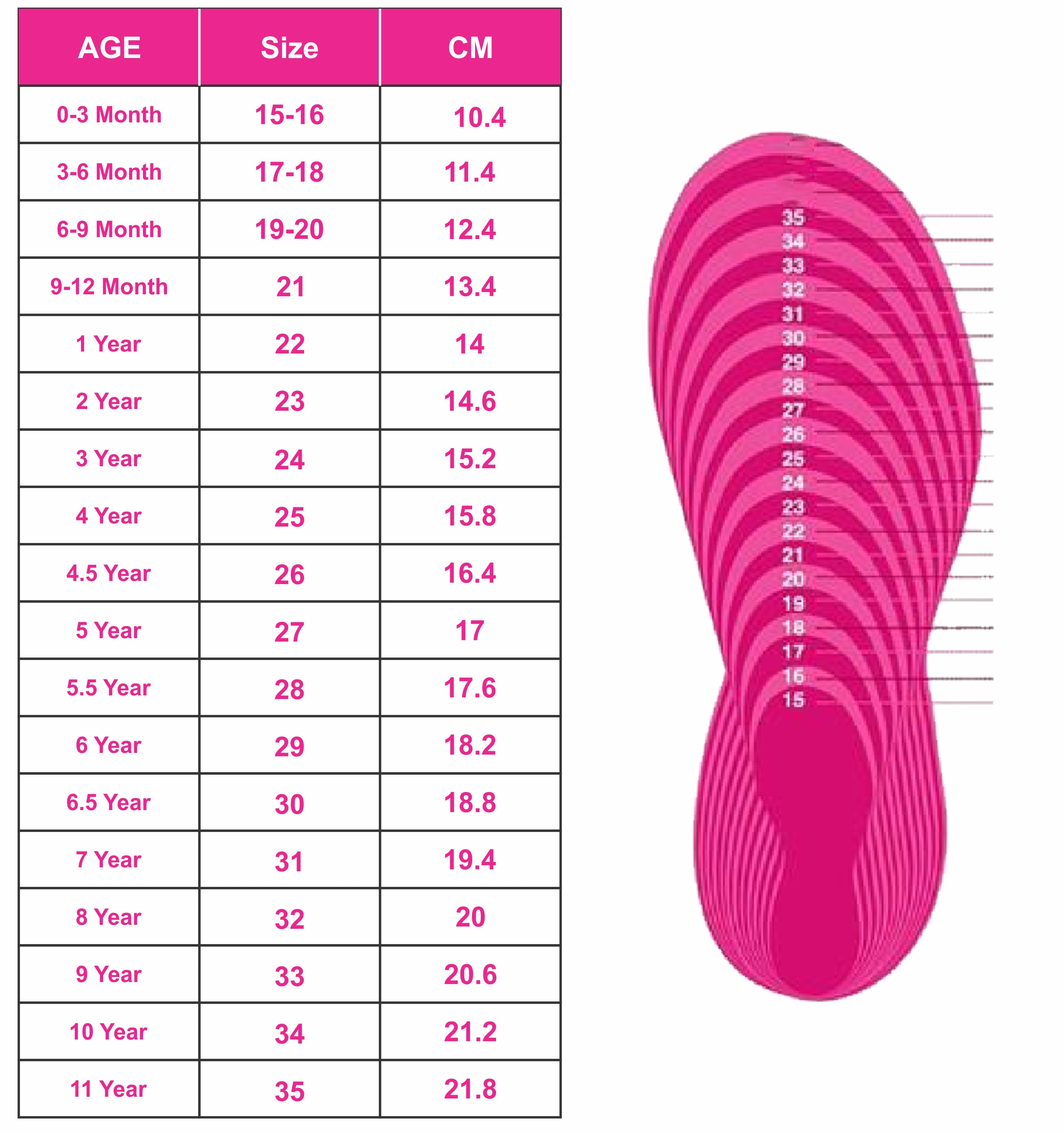
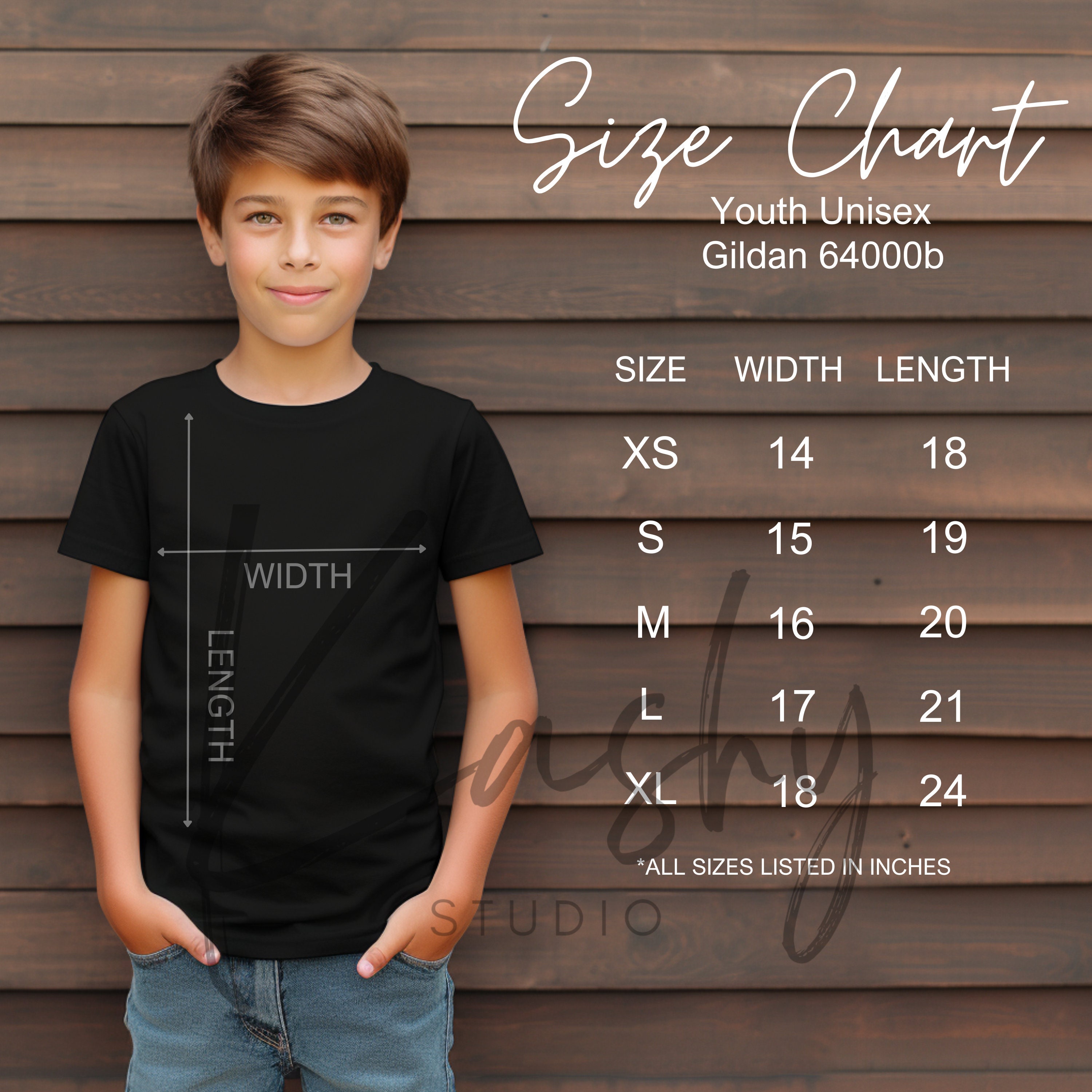
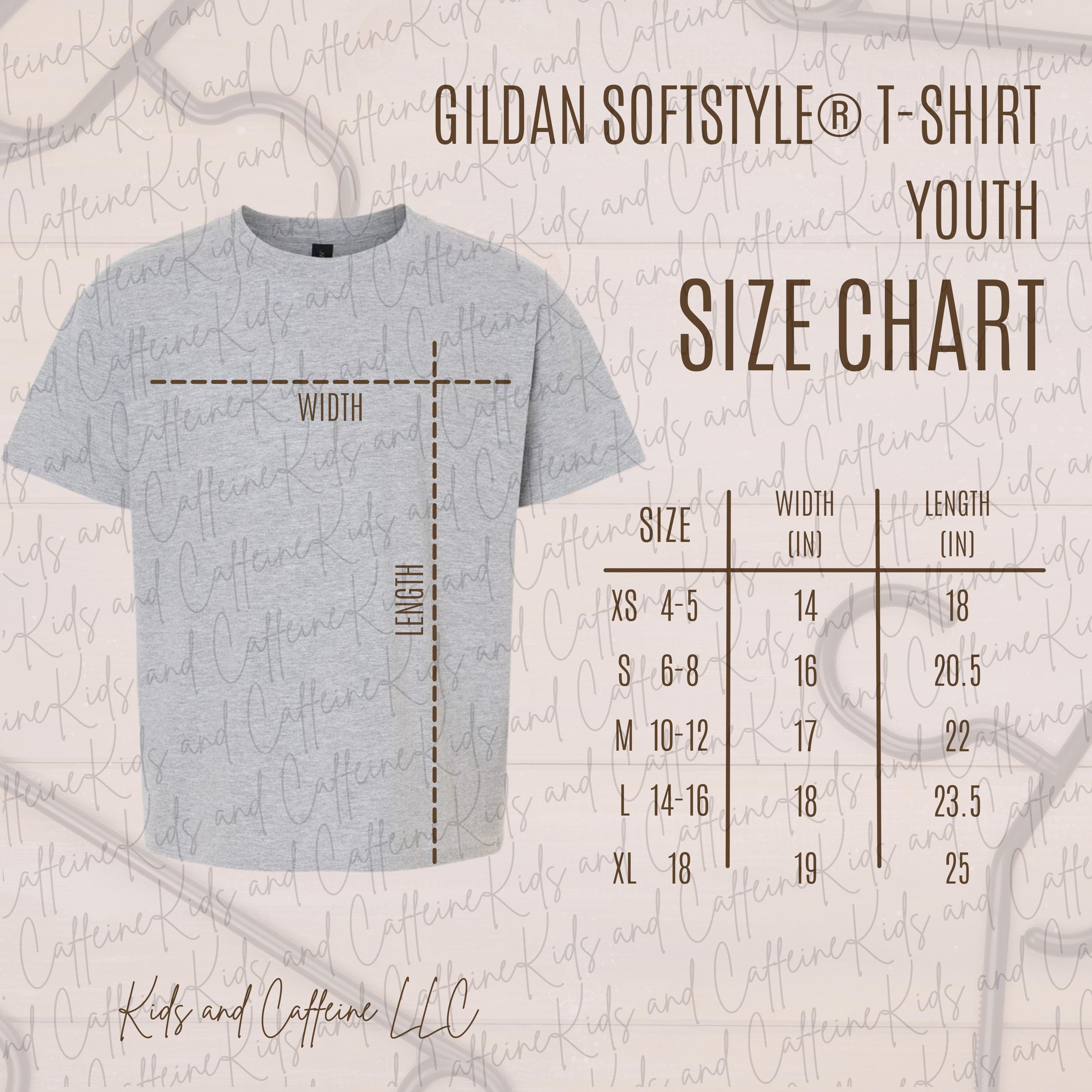
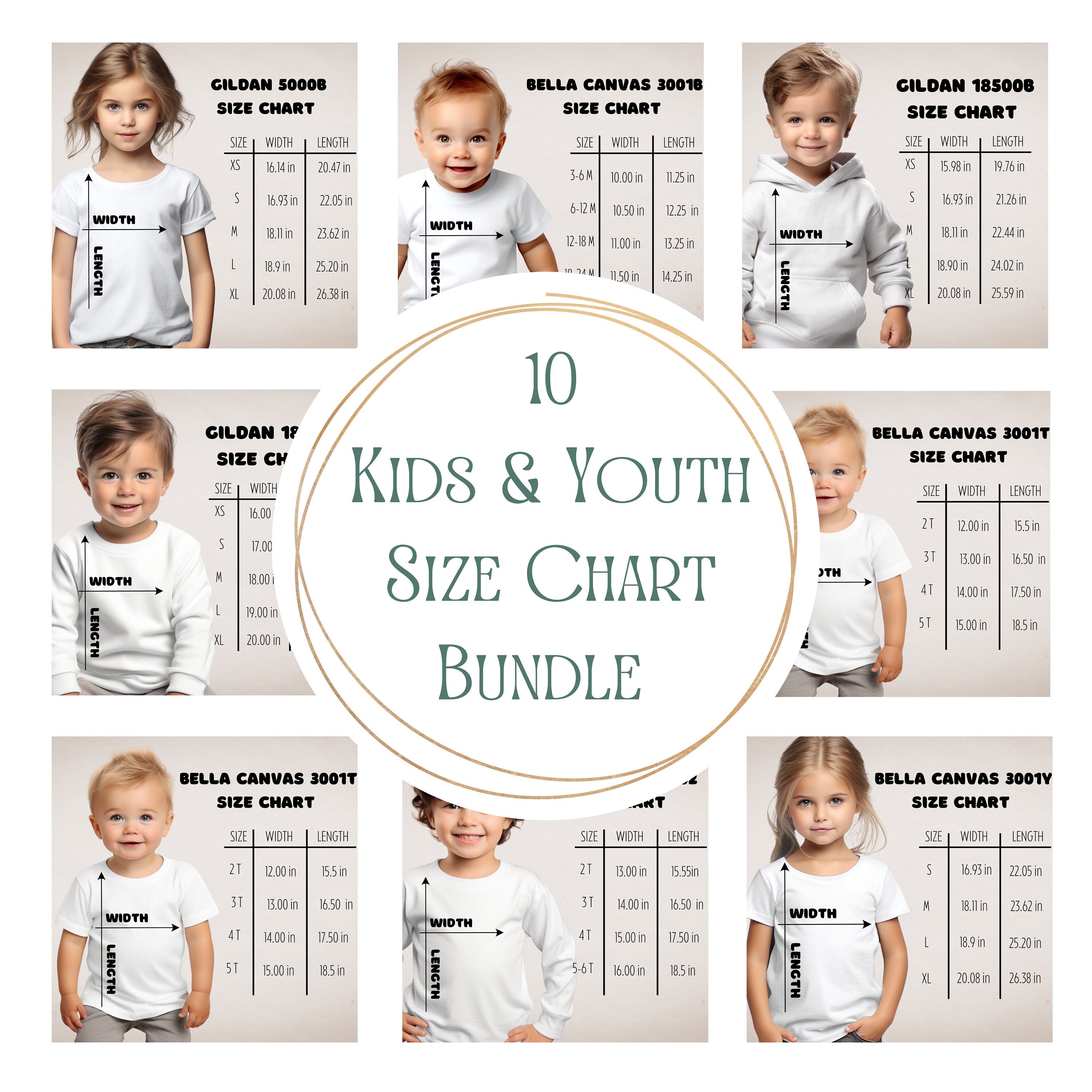
Many folks assume that a youth sizes chart is just for clothes, but it's so much more! While it's true that these charts are essential for nailing the perfect fit in kids' clothing, they also cover a wide range of products, from shoes to sports gear. A quick glance at a youth sizes chart can save you time and ensure an accurate fit, whether you're shopping for your own kids or buying a gift.
Understanding the Youth Sizes Chart
The youth sizes chart is a handy reference tool for parents and caregivers to navigate the world of kids' clothing and footwear sizing. It provides a standardized guide to help you choose the right size for your child, ensuring a comfortable and well-fitted outfit. This chart is a valuable resource, especially when shopping online or for specific brands, as it can vary from the standard.
Comparing Standards and Formats
There are a few key standards and formats to be aware of when using a youth sizes chart. The most common are the US standard, which is widely used in North America, and the metric or international standard, which is more prevalent in Europe and many other parts of the world. These standards may have slight variations in measurements and categories, so it's essential to know which one you're dealing with. Additionally, some brands might have their own unique sizing systems, especially for specialized sportswear or fashion lines.
Step-by-Step Guide to Using the Chart
Here's a simple process to follow when using a youth sizes chart:
Identify the standard: Determine whether you're using the US or metric standard. This information is usually indicated on the chart or provided by the retailer.
Measure your child: Take accurate measurements of your child's body, including height, weight, and key dimensions like chest, waist, and hip circumference. You can use a measuring tape or refer to existing measurements if you have them.
Locate the relevant category: Using the measurements, find the corresponding size category on the chart. This will typically involve matching height and weight ranges or specific body measurements.
Check the brand's fit: Some brands may have a slightly different fit or style, so it's a good idea to check their size guide or reviews to ensure the chosen size will fit as expected.
Consider growth: If you're buying for a growing child, you might want to opt for a slightly larger size to allow for growth spurts. Just ensure it's not too loose, as this can affect comfort and safety, especially with footwear.
Common Misreadings and How to Avoid Them
One of the most common mistakes is assuming that all brands and retailers use the same sizing standards. Always double-check the specific brand's guidelines or consult the youth sizes chart for that particular brand if available. Another pitfall is relying solely on age-based sizing, as children's growth rates vary, and this method may not always provide an accurate fit. It's best to measure your child and refer to the chart for a more precise size recommendation.
Factors Affecting Accuracy
When using a youth sizes chart, keep in mind these key factors that can influence the accuracy of the size selection:
Growth spurts: Children's bodies can change rapidly, so regular measurements are essential to ensure the chosen size is still appropriate.
Brand variations: As mentioned, different brands may have unique sizing systems, so always check their guidelines.
International travel: If you're shopping while traveling abroad, be aware of the different standards and ensure you're using the correct chart or guidelines.
Activity-specific sizing: For sports or specialized clothing, the fit and sizing may differ, so consider the purpose of the garment.
Adapting the Chart for Specific Needs
While the youth sizes chart provides a general guide, you might need to adapt it for specific situations. For example, if your child has a unique body shape or is particularly tall or short for their age, you may need to adjust the size selection accordingly. Some charts offer extended size ranges or special categories for these cases. It's also worth noting that certain clothing items, like coats or jackets, may have a more relaxed fit, so you might opt for a larger size to allow for layering.
Keeping Your Reference Reliable
To ensure you have a reliable reference for future purchases, consider the following:
Update measurements: Regularly measure your child's body dimensions, especially during growth spurts or seasonal changes.
Save the chart: Keep a digital or physical copy of the youth sizes chart you're using, along with any brand-specific size guides.
Share with caregivers: If others, like grandparents or babysitters, are shopping for your child, ensure they have access to the correct sizing information.
Check for updates: Sizing standards and brand guidelines can change over time, so periodically review the charts and guides to stay up-to-date.
So, there you have it! You're now equipped with a comprehensive understanding of youth sizes and how to navigate the various charts and standards. Remember, it's always a good idea to cross-reference and ensure you're using the right measurements for your specific needs.
Feel free to explore our other guides for more practical tips and tricks. We've got you covered with a range of handy resources to make your life easier!