




Skye From Paw Patrol Coloring Page Overview
I've got a friend who's been talking about work from home construction jobs a lot lately. It's an interesting concept, and I was curious to learn more, so I did some digging. Here's what I found.
What's the Deal with Work from Home Construction Jobs?
Work from home construction jobs might sound like an oxymoron, but it's a real thing! These jobs are all about managing construction projects remotely, which is a pretty cool way to stay involved in the industry without being on-site all the time. It's perfect for folks who want a more flexible work arrangement or who are based in a different location from the actual construction site.
So, how does it work? Well, these jobs often involve coordinating with teams, managing budgets, and ensuring projects stay on track. You might be working with architects, engineers, and other professionals to bring a building or renovation project to life. It's a great option for experienced construction managers or those with a background in project management.
Hiring and Pricing: What to Know
When it comes to hiring a contractor or company for your construction project, there are a few key things to consider. First, check their qualifications and experience. Make sure they have the right licenses and insurance, and ask for references from past clients. It's also a good idea to get multiple quotes to compare pricing. Remember, the cheapest option might not always be the best, so consider the value and quality of the work, too.
Pricing for construction projects can vary widely. It depends on factors like the size and complexity of the job, the materials used, and the local labor costs. You might also need to factor in permits and other regulatory costs. Getting detailed quotes from contractors will help you understand the breakdown of costs and make an informed decision.
Naming Your Construction Business
If you're thinking of starting your own work from home construction jobs business, choosing the right name is important. A good name should be memorable, unique, and reflect your brand. It might include a play on words or a reference to your specialty. Here are a few ideas to get you started:
- Remote Build Co.
- Virtual Construction Crew
- HomeBase Builders
- Off-Site Solutions
- Construct-a-Vision
Remember to check the availability of your chosen name and secure the domain and local registration before you get too attached!
Jobs and Opportunities
There are various roles within the work from home construction jobs field. You might find opportunities as a project manager, estimator, or even a remote construction administrator. These jobs are often advertised on general job boards, but it's also worth checking industry-specific platforms and networking within the construction community.
Salaries can vary depending on your role, experience, and the size of the company you work for. It's a competitive industry, so highlighting your skills and experience is key to negotiating a good salary.
Industry Tools and Resources
The construction industry has some great resources to help with work from home construction jobs. Tools like RSMeans provide cost databases and escalation data, which are essential for accurate estimating and budgeting. These tools are used by professionals to ensure projects stay on track financially.
There are also plenty of online communities and forums where you can connect with other professionals in the industry. These platforms are great for staying updated on industry trends and best practices, and they can be a valuable source of support and advice.
Large vs. Small Companies
When it comes to work from home construction jobs, you'll find opportunities in both large and small companies. Larger firms often have more complex projects and a wider range of services, which can offer more variety in your work. They might also have more established remote work policies and infrastructure.
Smaller companies, on the other hand, can provide a more personal and flexible work environment. You might have more direct involvement in projects and the opportunity to wear multiple hats. It really depends on your preferences and what you're looking for in a work arrangement.
So, there you have it! Work from home construction jobs are a real and viable option for those in the construction industry. It offers flexibility and the chance to manage projects remotely. If you're considering this path, do your research, connect with professionals, and don't be afraid to reach out and ask questions.
Related: Commercial Construction Sites Essential Guide
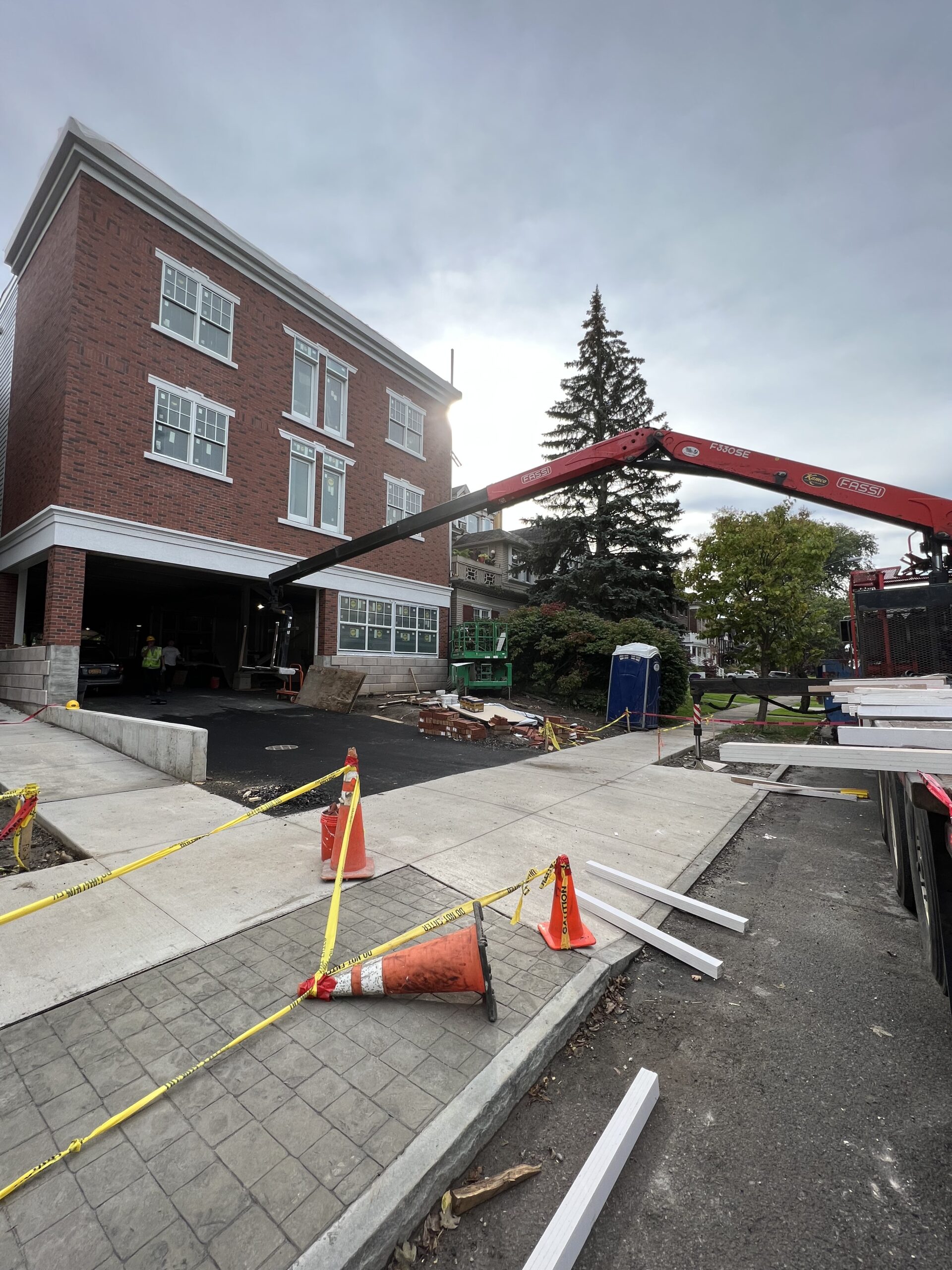
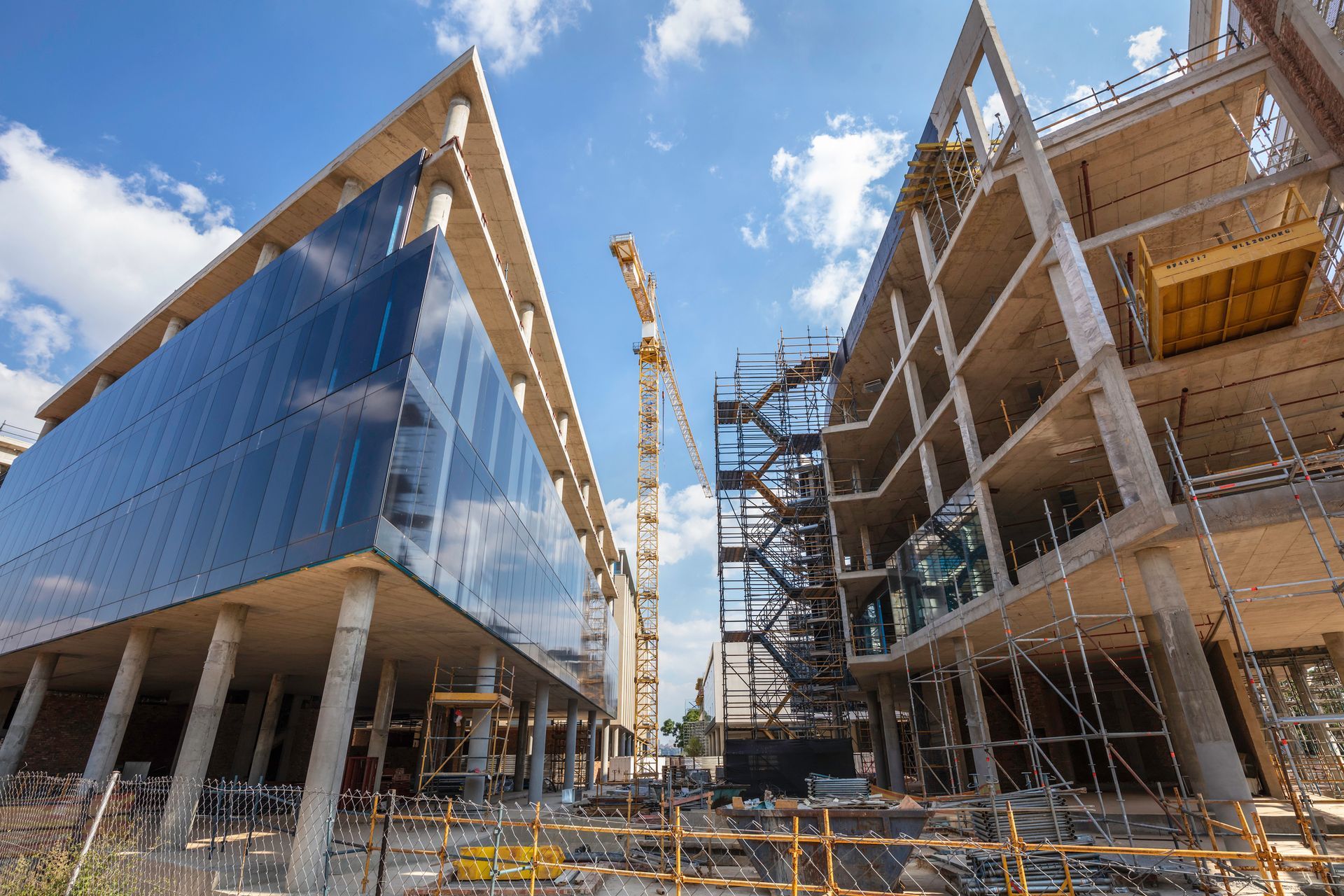
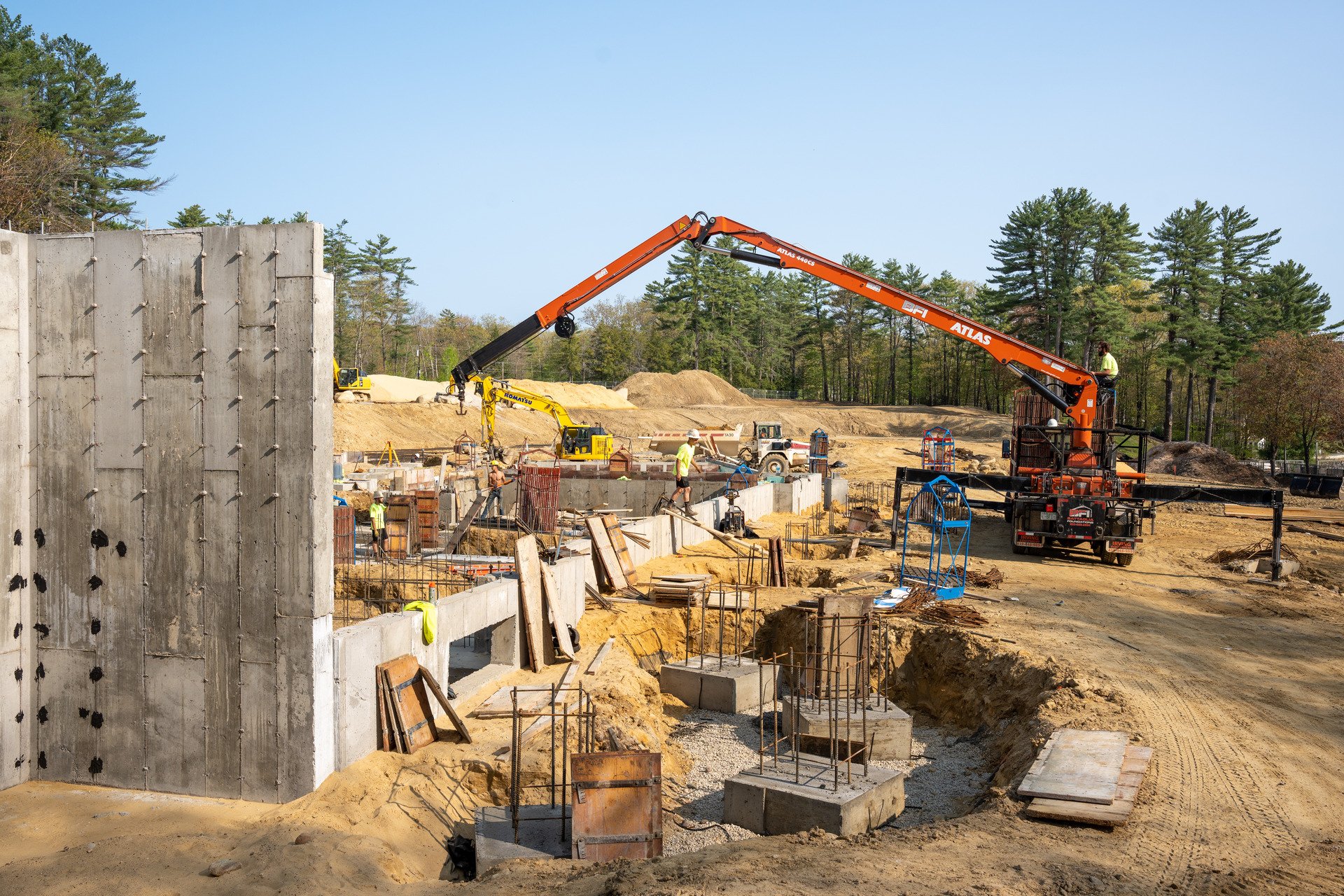
I've got a question for you: Have you ever walked past a commercial construction site and wondered what goes on behind those fences and barriers? Well, I sure have, and it turns out there's a whole world of activity and expertise happening right there in front of us. Let's take a closer look at what commercial construction sites are all about and why they matter.
Building for Business
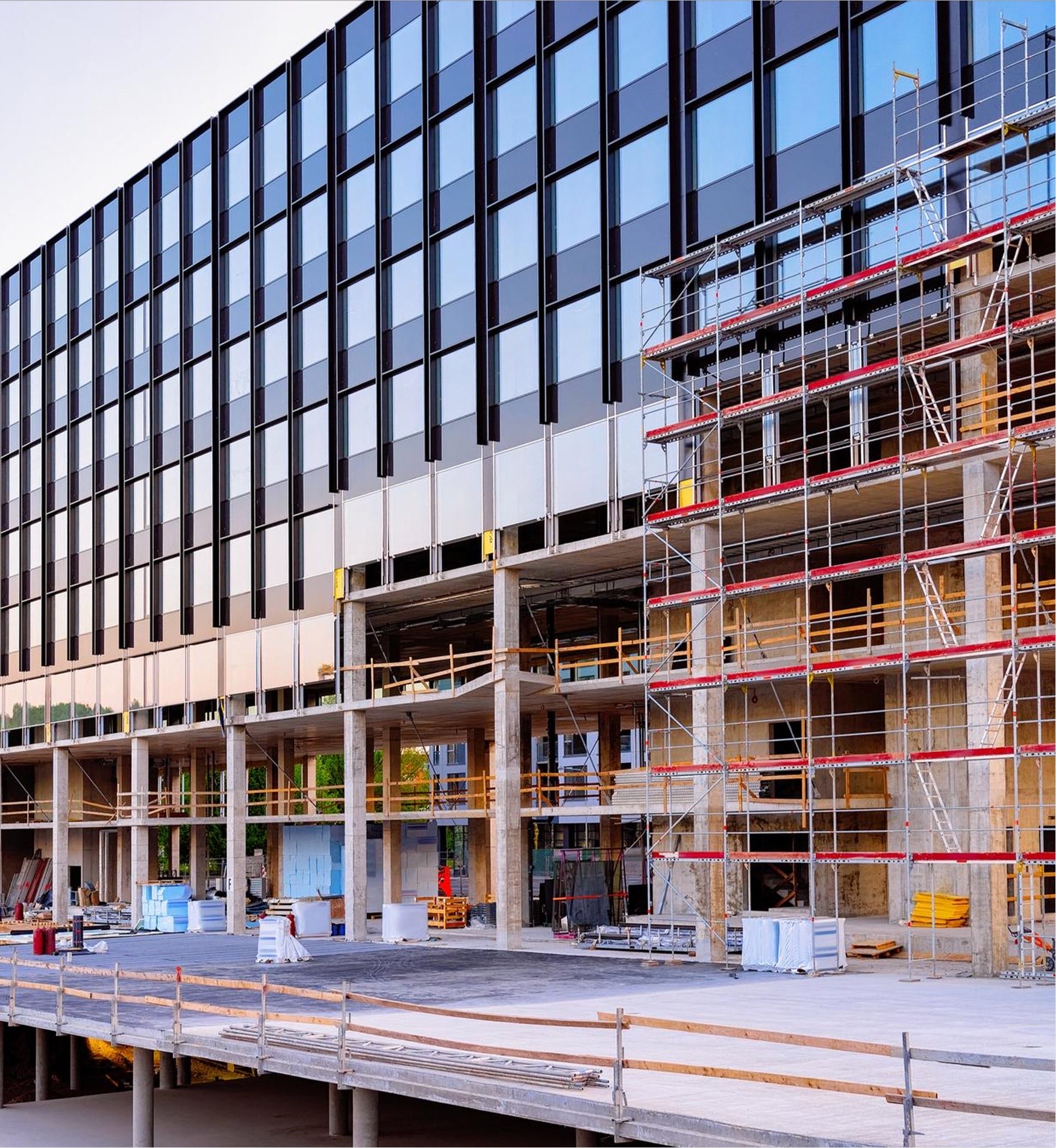
Commercial construction sites are where businesses and commercial spaces are built, renovated, or expanded. This could be anything from a new office block to a restaurant or retail store. These projects are often larger in scale and more complex than residential builds, and they require a different set of skills and considerations. The goal is to create functional, attractive, and safe spaces for businesses to operate and thrive.
When it comes to commercial construction, you'll find a range of professionals at work. General contractors oversee the entire project, managing the schedule and coordinating the various trades. These might include architects, engineers, electricians, plumbers, and specialist contractors. It's a team effort to bring these projects to life.
Costs and Considerations
One of the biggest questions about commercial construction sites is always about costs. And it's a tricky one to answer, because so much depends on the specifics. The size of the project, the materials used, the location, and even the timing can all impact the final bill. It's not just about the building itself; there are also permits, fees, and other administrative costs to consider.
When comparing quotes for commercial construction, it's important to look beyond the bottom line. Check the scope of work to ensure you're comparing apples with apples. Ask about the experience and reputation of the company, and don't be afraid to ask for references. It's also a good idea to get several written quotes to ensure you're getting a fair price.
Hiring the Right Team
Finding the right team for your commercial construction project is crucial. You want a company that understands your vision and can bring it to life within your budget and timeline. Check their previous work and ask about their process. Do they have experience with similar projects? Are they licensed and insured? These are important questions to ask.
A good quote for commercial construction should outline the scope of work, materials, and any potential extra costs. It should also include a clear timeline and payment schedule. Remember, the cheapest quote might not always be the best option. Look for a balance of value, experience, and a good fit for your project.
Naming Your Business
If you're in the commercial construction game, you'll need a name for your business. A good name should be memorable, unique, and reflect your company's values and services. It might be a play on words, a combination of your name and a key service, or something completely different. Here are a few ideas to get you started:
- BuildPro
- Constructive Solutions
- Commercial Creations
- The Build Team
- BluePrint Builders
Before you settle on a name, check its availability for registration and domain names. You don't want to get too far down the road only to find your dream name is taken!
The Industry and Its Tools
The commercial construction industry has its own tools and resources to help keep projects on track and on budget. One example is RSMeans, a cost database that provides accurate estimates for materials, labor, and equipment. It's a valuable resource for contractors and estimators.
There are also industry outlooks and cost indexes that provide insights into the market and help businesses plan and budget for projects. These tools are constantly evolving and are used by professionals to stay ahead of the curve.
So, there you have it. A little insight into the world of commercial construction sites. It's a fascinating industry with a lot going on behind the scenes. Whether you're a business owner, a curious onlooker, or considering a career in construction, I hope this has given you a better understanding of what it's all about.
Related: Need a Tree Chart Maker? Find the Right Tool Here
Many individuals mistakenly believe that tree chart makers are solely for professionals or experts, but this couldn't be further from the truth. These tools are incredibly versatile and accessible, offering a simple way to create visual representations for various purposes.
While the specifics may vary depending on the context, a good tree chart maker empowers users to organize and present information clearly, making it an essential tool for efficient communication and decision-making.
Tree Chart Maker: A Visual Overview
The tree chart maker is a powerful tool for creating visual representations of hierarchical data. It allows users to organize and display information in a clear, structured manner, often resembling a branching tree. This type of chart is particularly useful for illustrating relationships, classifications, or decision-making processes.
Comparing Chart Formats and Standards
Tree charts come in various formats, each suited to different types of data and purposes. The most common formats include the dendrogram, which is ideal for biological or genetic data, and the hierarchical chart, which is versatile and can represent organizational structures or decision trees. Family tree software is another specialized form, designed to visualize genealogy. These charts may follow specific standards or conventions, such as the use of color-coding or symbol keys, to enhance clarity and consistency.
Step-by-Step Guide: Creating Tree Charts
To create an effective tree chart, follow these steps:
- Define your data: Identify the hierarchical relationships or classifications you want to represent.
- Choose your format: Select the most appropriate chart type based on your data and purpose.
- Organize your data: Arrange the information in a logical order, ensuring a clear hierarchy.
- Use a tree chart maker: Employ specialized software or tools to generate the visual representation.
- Customize and refine: Adjust the layout, colors, and labels to enhance clarity and meet your specific needs.
- Interpret the chart: Understand the relationships and patterns revealed by the tree structure.
Avoiding Misinterpretations and Pitfalls
Misreading tree charts can lead to incorrect conclusions. Ensure you understand the chart's symbols and labels. Be cautious with charts that use unconventional formats or symbols, as these may cause confusion. Always check the chart's key or legend to interpret the data accurately. If in doubt, refer to the original data source or consult an expert.
Factors Affecting Accuracy and Real-World Use
The accuracy of tree charts depends on several factors:
Data Quality: Inaccurate or incomplete data will lead to misleading charts.
Chart Complexity: Highly complex charts may be harder to interpret, especially for large datasets.
User Experience: The reader's familiarity with tree charts and their ability to interpret visual data can impact understanding.
Standardization: Adhering to recognized standards ensures consistency and clarity.
Data Variability: Some datasets may have unique characteristics or exceptions that require custom chart adaptations.
Customization Options and Choosing the Right Format
Tree chart maker tools offer a range of customization options to suit specific needs:
- Layout Adjustments: Modify the chart's layout to emphasize certain branches or relationships.
- Color Coding: Use colors to differentiate categories or highlight important nodes.
- Labeling: Add or edit labels to provide context and clarity.
- Symbol Selection: Choose symbols that best represent the data and its relationships.
When selecting a format, consider the nature of your data and the message you want to convey. For instance, a decision tree builder may be ideal for illustrating complex choices, while an organizational structure visualizer is perfect for displaying company hierarchies.
Tree charts are a versatile tool, and while we've covered the essentials, every situation is unique. The specific details may differ slightly, so it's always a good idea to refer back to this guide or explore other resources for a quick refresher.
Feel free to bookmark this page for future reference; it might just save you some time and effort the next time you need to create or interpret a tree chart. Happy charting!