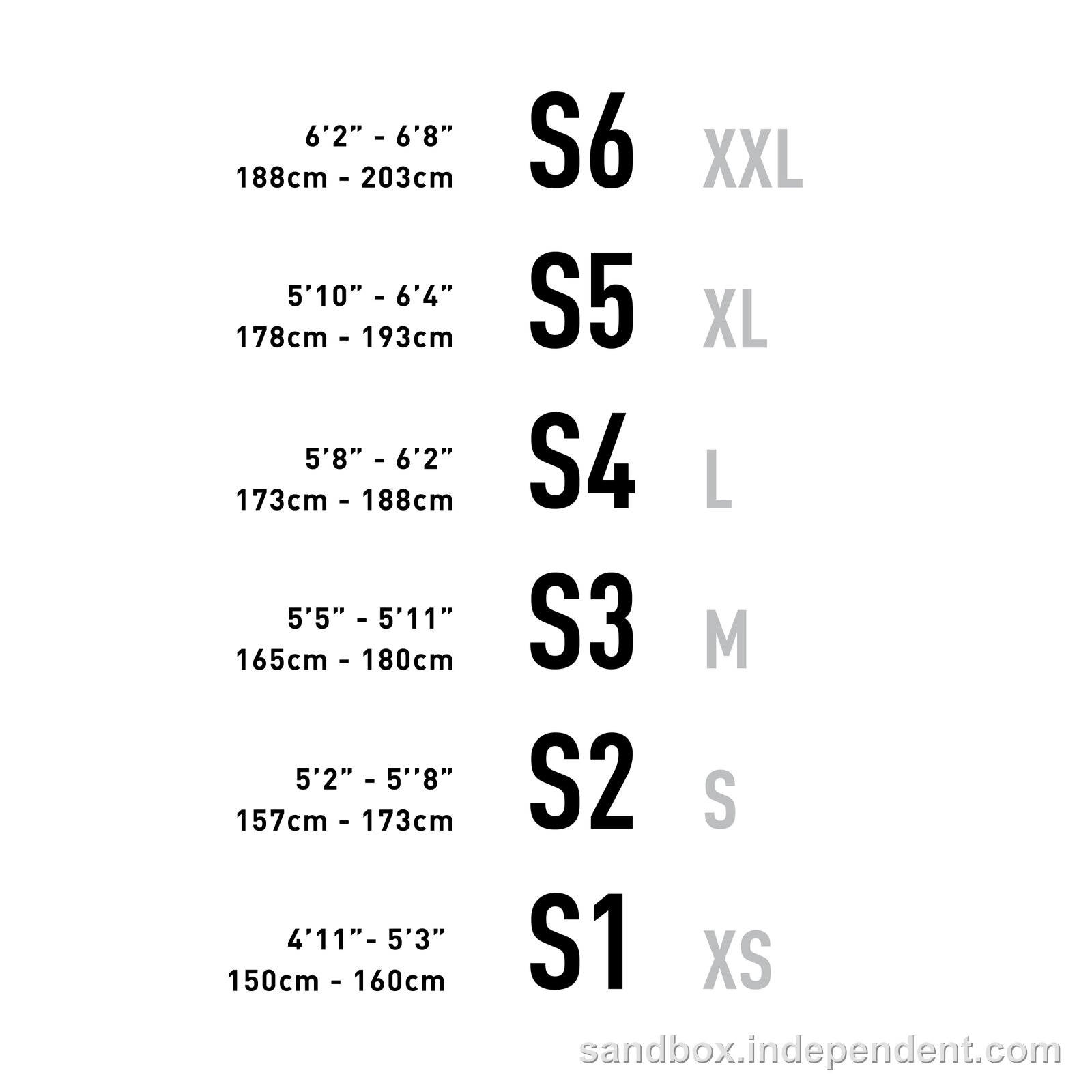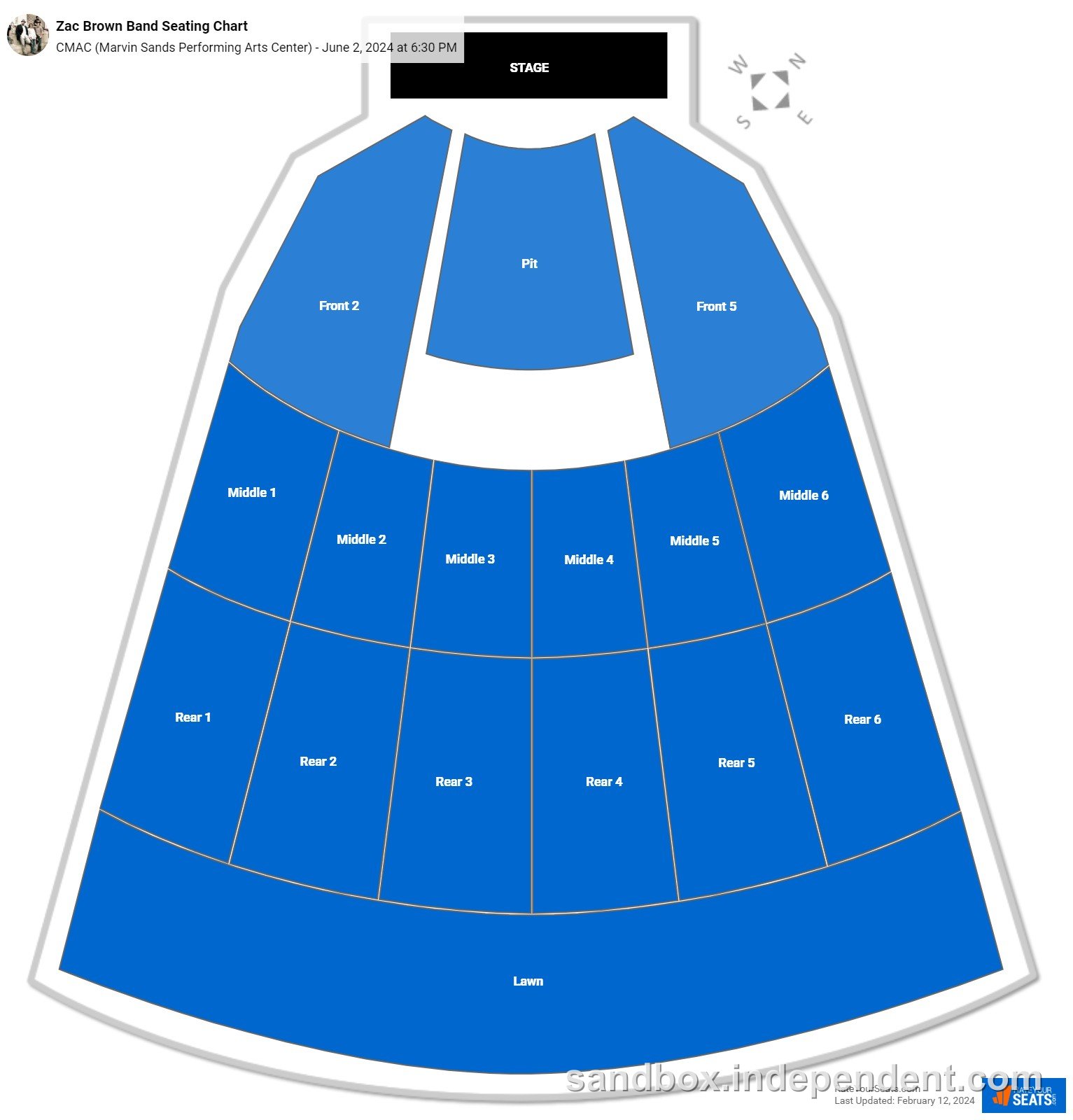


Slacks Size Chart A4 Overview
A DVC points chart is a handy tool for Disney Vacation Club members, offering a clear and concise way to visualize and understand their points system. This guide will take you through the essentials, covering what you need to know to navigate and utilize the DVC points chart effectively.
It's a simple yet powerful resource, providing an at-a-glance overview of your points and their potential, with variations depending on your region and membership type.
Understanding the DVC Points Chart
The DVC points chart is your guide to navigating the Disney Vacation Club (DVC) points system. It's a handy tool that helps you understand the value of your DVC points and how they can be used across different Disney resorts and accommodations. This chart is a reference for members to plan their vacations and make the most of their points.
Comparing Point Values and Categories
The DVC points chart typically displays point values for various Disney properties, categorized by resort and room type. You'll find columns for different resorts, with rows indicating the point cost for each room category. These categories might include standard rooms, preferred rooms, or even villas, each with its own point value. It's important to note that point values can vary based on the resort's location, amenities, and demand.
Reading the Points Chart: A Step-by-Step Guide
Start by identifying the resort you're interested in. Each resort will have its own column on the chart. Next, locate the specific room category you prefer. The corresponding point value will be displayed in that cell. For example, if you want a standard room at Resort A, find "Resort A" on the chart, then look for the "Standard Room" category. The point value in that cell is what you'll need for your stay. Remember, these points are flexible and can be used across different resorts, so you have options!
Avoiding Common Misreadings
One common pitfall is assuming that all resorts and room types have the same point values. This is not the case; each resort's point values are unique. Another mistake is not considering the time of year. Point values can fluctuate based on seasonality and demand, so always check the chart for the specific dates you're planning to travel. It's also important to note that the DVC points chart may not cover every single resort or room type. Some specialty accommodations or unique experiences might have their own point values, so it's wise to double-check with Disney or a DVC guide for these exceptions.
Factors Affecting Point Variations
Point values on the DVC points chart can vary due to several factors. Here are some key influences:
- Resort Location: Resorts in high-demand areas, like popular theme park locations, often have higher point values.
- Seasonality: Point costs can increase during peak travel seasons, such as school holidays or summer months.
- Room Amenities: Rooms with special features, like a balcony or a better view, may require more points.
- Resort Facilities: Resorts with extensive amenities, like water parks or multiple dining options, might have higher point values.
- Room Size and Capacity: Larger rooms or those accommodating more guests usually require more points.
Adapting the Chart for Your Needs
While the standard DVC points chart is a great starting point, you might need to adapt it for your specific vacation plans. Here are some tips:
- If you're planning a large family vacation, consider the room's capacity and ensure it aligns with your needs.
- For a more luxurious stay, look for resorts with higher-end amenities and check their point values.
- If you're flexible with dates, you can save points by choosing off-peak travel periods.
- Use a DVC points calculator or consult a Disney points conversion guide to estimate the points needed for your desired resort and room type.
- Keep an eye on vacation club points charts for any updates or changes, especially if you're planning far in advance.
Well, there you have it! A comprehensive guide to navigating the world of DVC points. We've covered the basics, compared the options, and provided a step-by-step process to ensure you're on the right track.
Remember, every situation is unique, so be sure to tailor these insights to your specific needs. Double-check the factors that impact your context, and you'll be well on your way to making informed decisions. This chart is a handy reference, so bookmark this page for future use. It's always good to have a quick reminder when you need it!
Related: How to Read a Chest Size Chart?
You're probably here because you need a quick answer, and who can blame you? A chest size chart is a handy tool, offering a simple visual guide to understanding bra sizes and fit. It's a reference that can save you time and ensure you get the right size, every time. These charts can vary slightly, but they're an essential guide for anyone wanting an accurate bra size and a comfortable fit.
Understanding the Chest Size Chart
The chest size chart is a handy tool to help you find the right fit for clothing and accessories, especially when shopping online. It provides a reference for measuring and understanding your chest size, ensuring you make informed choices. This chart is particularly useful for women's sizing, including bra size charts, but it can also guide men's clothing choices.
Comparing Measurement Standards
Measurement standards can vary depending on the region and manufacturer. For example, the US and international (metric) systems have different size categories and ranges. The chest size chart typically includes both systems, making it versatile. It's essential to check which standard is being used to ensure accuracy.
Measuring Accurately: A Step-by-Step Guide
- Prepare a flexible measuring tape. Ensure it's not too tight or loose.
- Stand in a relaxed position, with your arms slightly away from your sides.
- Measure the fullest part of your chest, usually across the nipple line.
- Wrap the tape around your body, ensuring it's level and parallel to the floor.
- Take the measurement in inches or centimeters, depending on the standard.
- Refer to the chest size chart to find your size. It will provide a range of measurements and corresponding sizes.
- If you fall between sizes, consider the fabric's stretch and your personal preference for a snug or loose fit.
Common Mistakes and How to Avoid Them
One common mistake is measuring too tightly or too loosely. This can lead to an inaccurate reading and an ill-fitting garment. Always ensure the tape is snug but not constricting. Another pitfall is assuming all brands use the same sizing. Different manufacturers may have slight variations, so it's best to refer to their specific size charts. Additionally, some charts may not cover all body types, so be mindful of any special considerations you may have.
Factors Affecting Accuracy and Real-World Use
Several factors can influence the accuracy of your chest size measurement. These include your posture during measurement, the type of clothing you're wearing, and any recent weight changes. It's essential to stand upright and maintain a consistent posture. The fabric of your clothing can also affect the measurement, so consider measuring over a thin, form-fitting garment. If you've recently gained or lost weight, your chest size may have changed, so it's beneficial to remeasure periodically.
So, now you're equipped with a handy chest size chart and the knowledge to use it effectively. Remember, these charts provide a great starting point, but it's always wise to consider your unique needs and measurements.
Don't forget to check out our other guides for more practical tips and insights. We've got a range of topics to explore, so feel free to browse and discover something new!
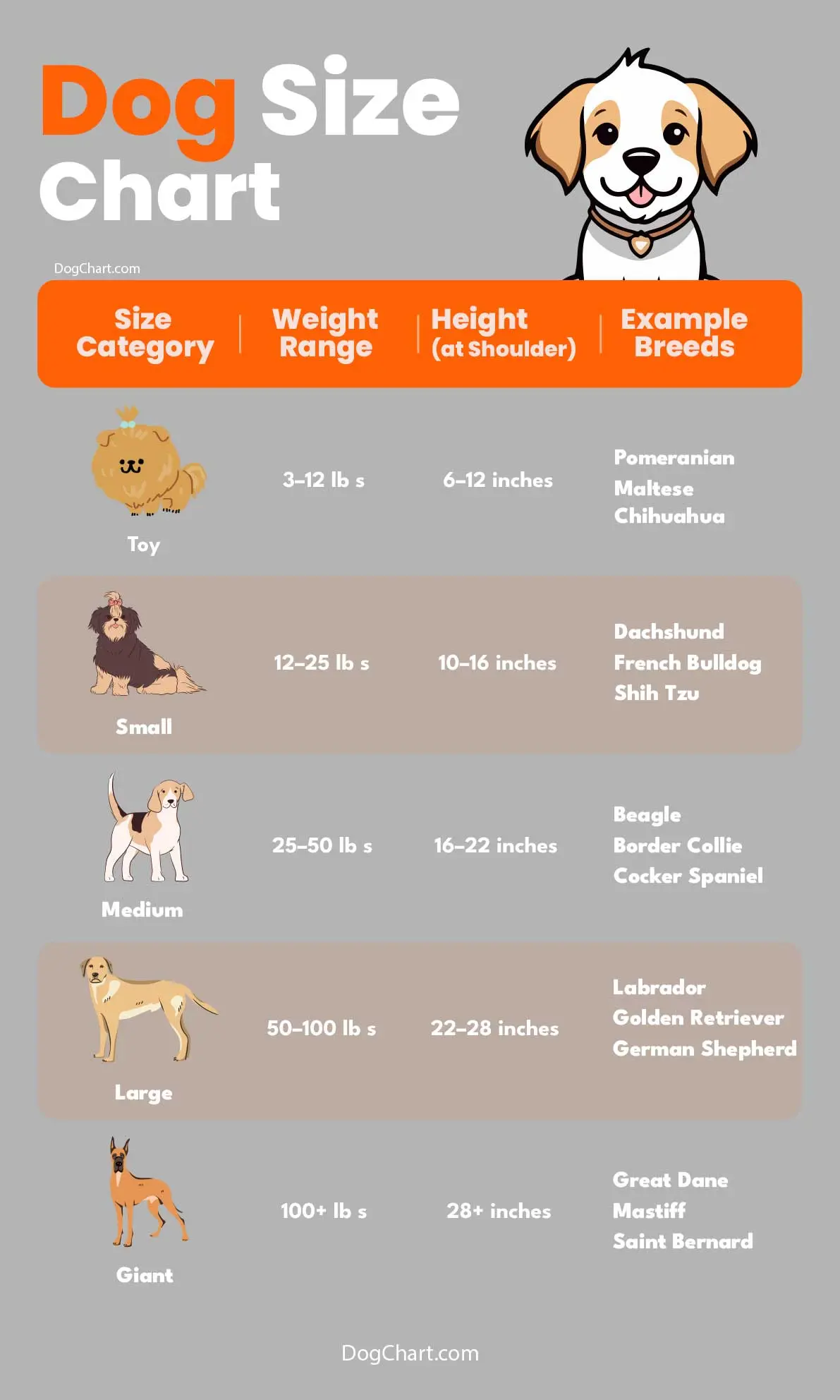
Related: Find the Right Dog Size: A Simple Chart
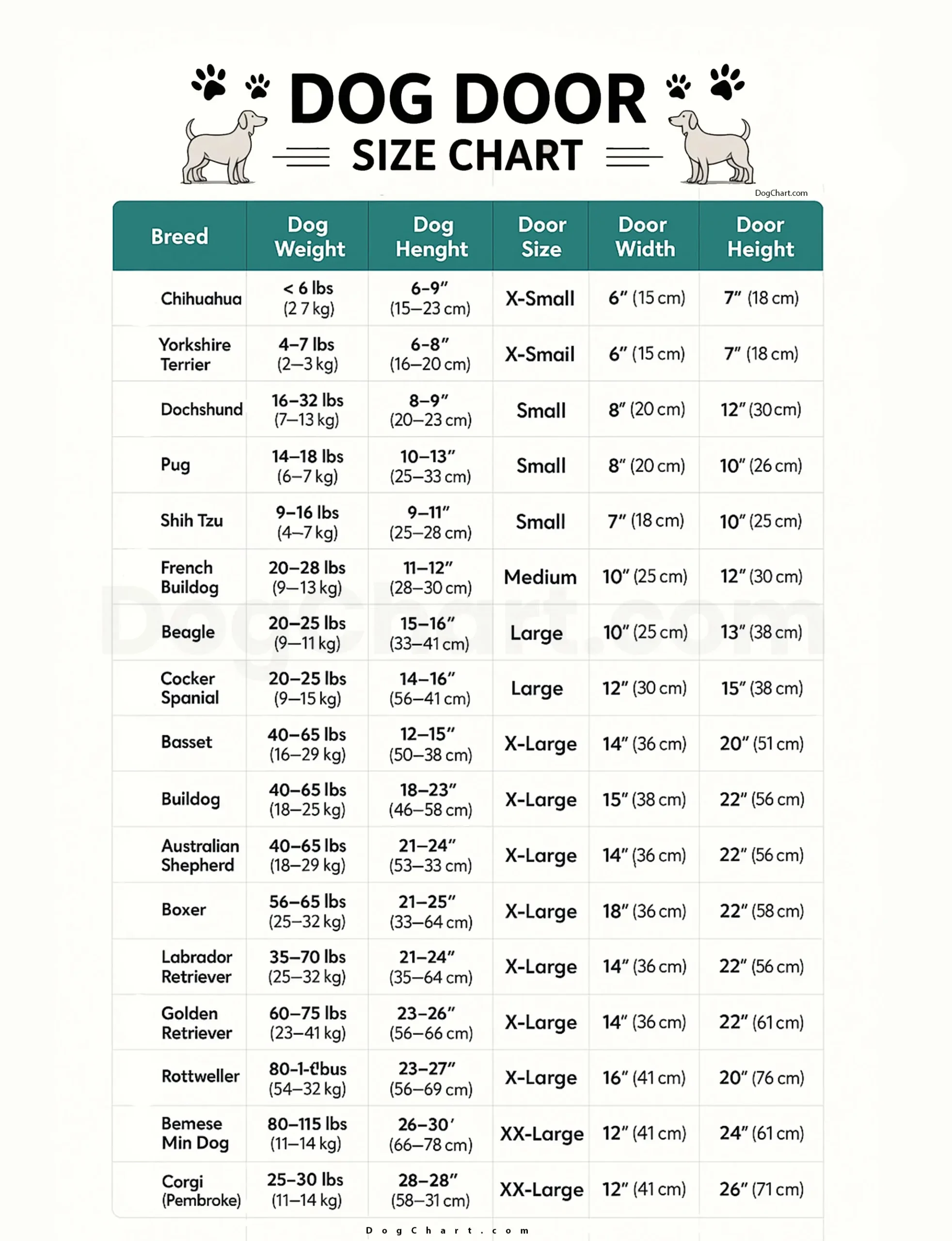
You're likely here because you need a quick reference, a reliable guide to help you understand dog size charts and their applications. These charts are an essential tool for anyone dealing with canine care, offering a simple yet effective way to visualize and compare dog sizes. From small dog breeds to larger ones, the dog size chart provides a clear overview, often including weight charts and breed size standards. It's a handy resource, especially when metric conversions or imperial measurements are involved.
Understanding the Dog Size Chart: A Practical Guide
The dog size chart is a valuable tool for anyone wanting to quickly estimate a dog's size and understand its standard category. This chart provides a visual reference, typically using height and weight measurements, to categorize dogs into various size groups. It offers a convenient way to grasp the size range of different breeds and individual dogs.
Standard Size Categories: Comparing the Options
The dog size chart typically divides dogs into categories like small, medium, large, and extra-large. These categories are based on standardized height and weight ranges. For instance, a small dog might be defined as under 10 inches tall and weighing less than 20 pounds, while a large dog could be over 24 inches tall and weigh more than 50 pounds. These ranges can vary slightly between different charts and standards, so it's essential to check the specific guidelines you are using.
Measuring Your Dog: A Step-by-Step Guide
- Stand your dog upright on a flat surface, ensuring they are comfortable and relaxed.
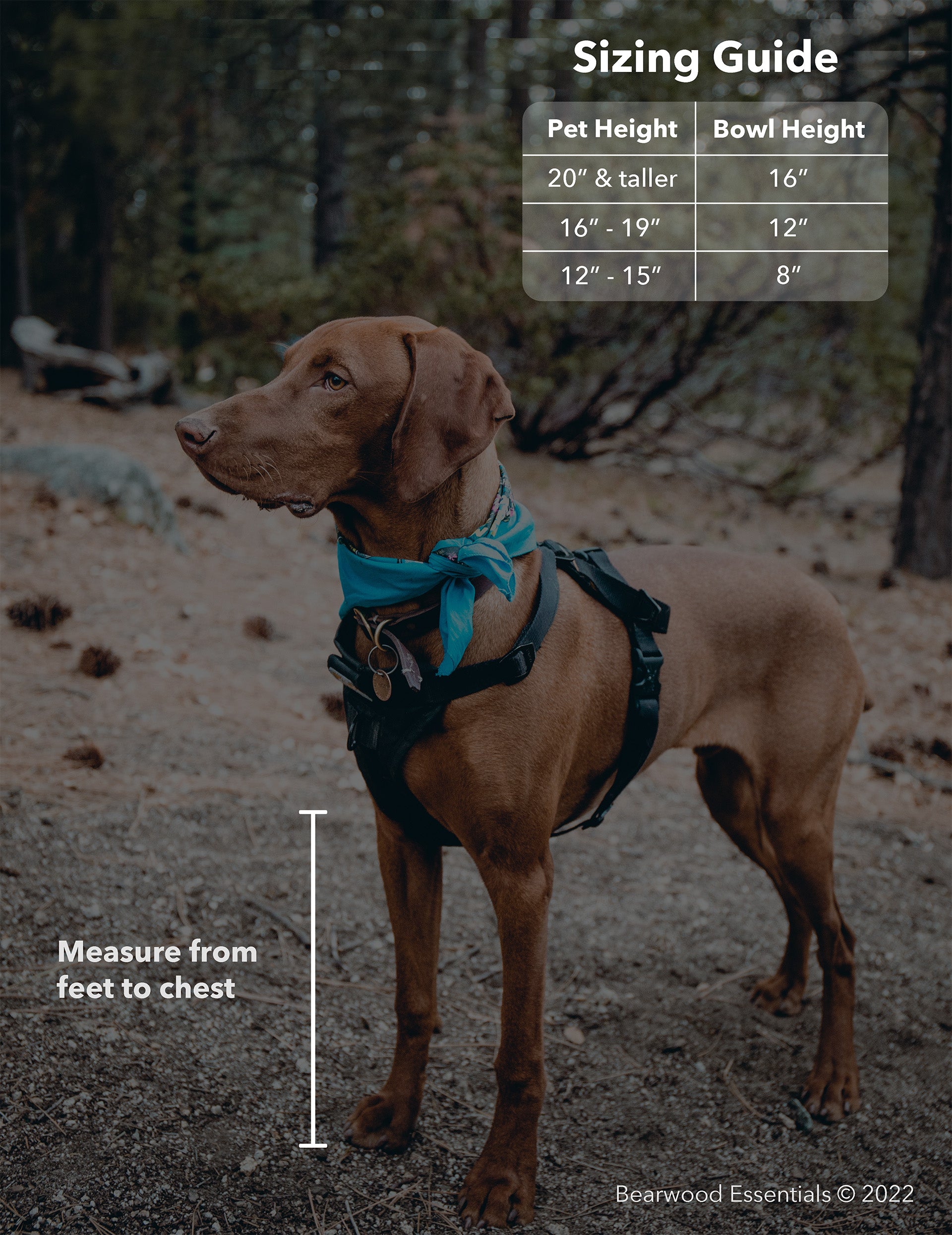
- Use a measuring tape to record their height from the ground to the highest point of their shoulder or withers.
- Weigh your dog using a scale suitable for their size. Ensure they are stationary and the scale is level.
- Compare these measurements to the dog size chart to determine their size category.
Common Misreadings and How to Avoid Them
One common mistake is assuming that all dogs within a size category are the same. While the chart provides a standard, individual dogs can vary significantly within these ranges. Additionally, some breeds may have unique characteristics that affect their size, such as long legs or a heavy build. Always consider these factors and compare your dog's specific measurements to the chart rather than relying solely on their breed's typical size.
Key Factors Affecting Accuracy and Real-World Use
Several factors can impact the accuracy of the dog size chart. First, the chart's measurements are approximate and may not account for all variations in dog breeds and individuals. Second, dogs can change size over time, especially during growth or weight fluctuations. Regularly re-measuring your dog, especially if they are young or their weight is changing, ensures the most accurate assessment. Finally, remember that the chart is a guide, and individual dogs may not fit neatly into a single category. Always consider your dog's unique characteristics and consult a veterinarian for specific health or nutritional advice based on their size and breed.
Well, there you have it! A comprehensive guide to dog size charts, covering all the bases. Remember, while these charts provide a helpful framework, exact values may differ slightly based on various factors.
Feel free to explore our other guides for more practical insights. We've got plenty of resources to keep you informed and inspired, so take a look around and find something that piques your interest!