



Sluggish Crossword Clue Overview
"I've been putting off those house repairs for too long, but I really need to get them done. Time to find a contractor for house repair!"
All About Hiring a Contractor
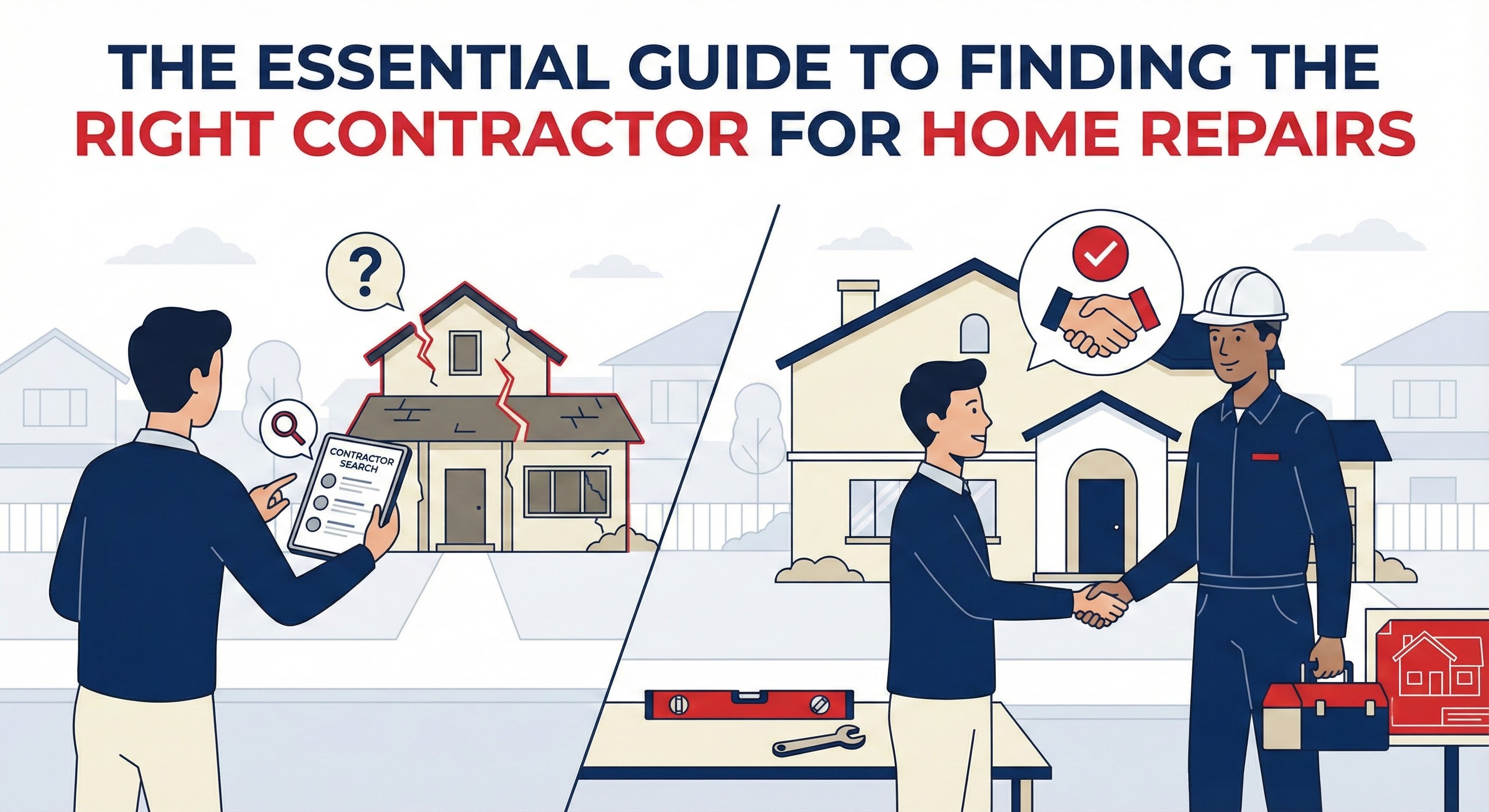
So, you've got some home repairs or renovations on your to-do list, and you're thinking about hiring a contractor to get the job done. It's a big step, and there's a lot to consider. A contractor for house repair can handle all sorts of jobs, from small fixes to major overhauls. They're the experts in construction and remodeling, and they'll have the skills and tools to get your project completed.
When it comes to costs, it's tricky to give an exact figure as it depends on so many factors. The size of the job, the materials needed, and the labor involved will all impact the price. It's a good idea to get quotes from a few different contractors to compare. Look for detailed quotes that break down the costs, so you can see what you're paying for. Don't just go for the cheapest option; consider the quality of the work and the contractor's reputation too.
Finding and Choosing the Right Contractor
There are lots of contractors and building companies out there, so how do you find the right one? Word of mouth is a great way to start - ask friends or family for recommendations. You can also search online for local contractors and read reviews to get an idea of their work. When you've found a few potential contractors, give them a call or send an email to ask some initial questions.
Find out about their experience and the types of projects they typically work on. Ask about their availability and how long they estimate the job will take. It's also worth asking about any potential extra costs or unexpected issues that might arise during the work. A good contractor will be transparent and give you an honest assessment.
Naming Your Construction Business
If you're thinking of starting your own construction business, you'll need a great name. The name should be memorable and reflect the nature of your work. It might include words like 'build', 'repair', 'remodel', or 'renovate'. It could also be a play on your own name or a unique combination of words. Here are a few ideas:
- Build-It-Better
- Renovate Right
- Fix-It-Fast
- Home Remedy
- Construction Solutions
- The Repair Crew
Remember to check the availability of the name you choose. You'll need to register it locally and secure the domain name for your website.
The Construction Industry and You
The construction industry offers a range of jobs, from general contractors and estimators to specialized roles like plumbers, electricians, and carpenters. If you're looking for work, these roles are often advertised online or through local recruitment agencies. The industry is always in need of skilled workers, so it's a great field to get into.
Estimators, for example, play a crucial role in construction. They use tools like RSMeans to calculate the costs of materials and labor for a project. It's a detailed and important job, and estimators are in high demand.
Big Companies and the Industry Outlook
The construction industry is made up of a mix of small, medium, and large companies. The bigger firms often have more resources and can take on larger, more complex projects. They might have a wider range of specialized staff and more advanced tools and equipment.
However, smaller companies can offer a more personalized service and often have a strong local reputation. It's a competitive industry, and companies of all sizes are always looking for ways to stand out and offer the best service.
So, there you have it! A contractor for house repair is a great option for getting those home improvements done. It's an exciting step, and with the right contractor, you'll be enjoying your renovated space in no time.
Related: Canadian Construction Companies Essential Guide
Canadian construction companies are everywhere, and we often take them for granted. From building our homes to renovating our spaces, these companies play a vital role in shaping our communities. Let's explore what they offer and how they can help us create our dream spaces.
Building Our Dreams: An Introduction to Canadian Construction
Canadian construction companies are the backbone of our built environment. They are the experts who bring our architectural visions to life, whether it's constructing a new home, adding an extension, or transforming our living spaces through remodeling. These companies offer a range of services, from general contracting to specialized trades, ensuring every aspect of a project is covered.
When considering a construction project, it's important to understand the factors that influence costs. Pricing can vary depending on the scope, materials, and labor involved. Getting multiple quotes is essential to compare and find the best fit for your budget. Remember, the cheapest quote might not always be the best choice, as quality and expertise matter too.
Hiring a reputable contractor is crucial. Check their licenses, insurance, and references to ensure they are reliable and capable. Ask about their experience with similar projects and their ability to manage timelines and budgets. A good quote should provide a detailed breakdown of costs and a clear timeline, giving you peace of mind.
Naming Your Construction Business: A Creative Venture
Naming a construction company is an art. It should be memorable, reflect your brand, and stand out in a competitive market. Consider a name that evokes strength, reliability, and creativity. Some unique name ideas could be:
- BuildCraft
- Constructive Solutions
- Home Evolution
- Skyrise Builders
- EcoBuild
Remember to check name availability and secure your domain and local business registration to avoid legal issues.
The Construction Industry: Jobs and Opportunities
The construction industry offers a wide range of roles, from general contractors to specialized tradespeople. Estimators, project managers, and skilled laborers are in demand. Salaries vary depending on experience, location, and the scale of projects. Job boards, industry networks, and local construction associations are great places to start your search.
Industry Tools and Resources
Tools like RSMeans provide valuable cost data and resources for construction professionals. These databases help estimate project costs accurately, ensuring projects stay on budget. Construction companies rely on such tools to provide reliable estimates and manage projects effectively.
The Size of the Company: Does it Matter?
The size of a construction company can influence its capabilities. Larger firms often have more resources and specialized teams, allowing them to take on complex projects. Smaller companies, on the other hand, may offer a more personalized service and be better suited for smaller-scale projects. It's about finding the right fit for your needs.
Final Thoughts
Canadian construction companies are an integral part of our daily lives, and understanding their role can help us make informed decisions. Whether you're building, remodeling, or just curious, these companies offer a wealth of expertise and creativity. So, the next time you see a construction site, remember the hard work and dedication that goes into creating our built environment.
Related: How to Use the 0-Ring Size Chart?
Frustrated with finding the right O-ring size? The 0-ring size chart is your go-to tool for a quick and accurate solution. This handy reference guide simplifies the process, ensuring you get the right fit every time. It's like having a secret weapon to avoid any sizing headaches!
The chart provides a clear overview of O-ring dimensions, covering standard measurements and even offering insights into metric sizes. With this visual aid, you'll navigate sizes and tolerances with ease, making your task a breeze!
Understanding the 0-ring Size Chart: A Quick Overview
The 0-ring size chart is a valuable tool for anyone working with o-rings, offering a quick and easy reference guide to their dimensions. This chart provides a standardized way to identify and select the right o-ring for your needs, ensuring a proper fit and function. It's a simple yet effective resource for engineers, mechanics, and anyone dealing with seals and gaskets.
Comparing Chart Standards and Formats
There are different standards and formats for 0-ring size charts, primarily based on the measurement system used. The most common are the US Customary and Metric systems. These charts organize o-rings by their inner diameter and cross-section, offering a clear visual guide to their dimensions. While the layout and categories may vary, the purpose remains the same: to provide an accurate and accessible reference.
Step-by-Step Guide to Using the 0-ring Size Chart
Using the 0-ring size chart is straightforward:
- Identify the inner diameter (ID) and cross-section (CS) of the o-ring you need. These measurements are critical for a proper fit.
- Locate the ID and CS values on the chart. The chart will typically have these values along the edges, with the o-ring sizes displayed in a grid format.
- Find the intersection of the ID and CS values. This will give you the specific o-ring size you're looking for.
- Check the chart's key or legend to confirm the o-ring's material and any additional specifications.
- Select the o-ring that matches your requirements, ensuring a precise fit for your application.
Avoiding Common Misreadings and Pitfalls
It's essential to read the 0-ring size chart accurately to avoid misidentifying o-ring sizes. Always double-check the units of measurement, as some charts may use different systems. Pay attention to the chart's scale and ensure you're not mistaking the ID for the outer diameter (OD). Additionally, be aware that some charts may have slight variations or rounding, so always confirm the exact specifications, especially for critical applications.
Factors Affecting Size Variations and Accuracy
Several factors can cause variations in o-ring sizes and affect the accuracy of the 0-ring size chart. These include the o-ring's material, which can influence its flexibility and dimensions. Environmental factors, such as temperature and pressure, can also impact an o-ring's performance and size. Manufacturing tolerances and quality control can introduce slight variations, so always refer to the manufacturer's specifications for precise dimensions.
Choosing the Right Format for Your Needs
When selecting an 0-ring size chart, consider your specific needs and the measurement system you're most comfortable with. If you're working in the US, a chart using US Customary units might be more practical. For international projects, a Metric chart is often the best choice. Some charts also offer additional features, like color-coding or material-specific sections, which can be helpful for quick identification.
Keeping Your Reference Reliable for Future Use
To ensure the reliability of your 0-ring size chart, keep it up-to-date and in a safe place. Regularly check for updated versions, as charts may change due to new standards or improvements. Consider laminating your chart or storing it digitally for easy access and preservation. By maintaining a reliable reference, you can quickly and accurately select the right o-ring for your projects, saving time and ensuring a proper seal.
Hey there! I hope this guide has been helpful in understanding the world of O-ring sizing. Remember, while the basics are covered here, there's always room for variation. Exact values might differ based on the specific standards or sources you refer to.
Feel free to explore other guides on our site to dive deeper into related topics. We've got a whole collection of practical resources to keep you informed and equipped!