







Small Walk In Closet Design Ideas Overview
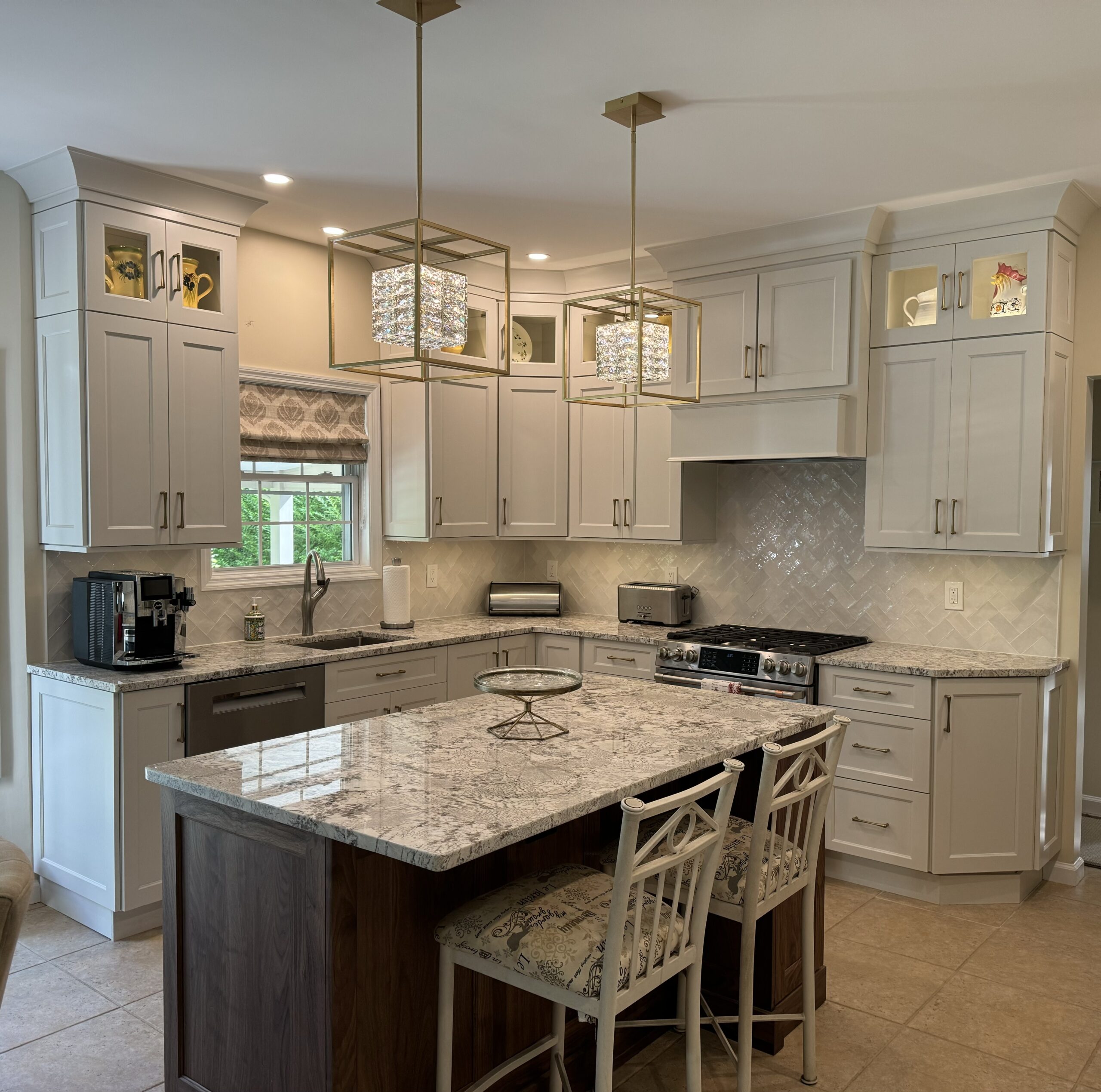
I just moved into a new place, and the kitchen is so tiny! I'm thinking about doing a small kitchen remodel to make it more functional and enjoyable to use. It's amazing how much a simple refresh can transform a space.
All About Your Small Kitchen Remodel
A small kitchen remodel is a great way to enhance your cooking and dining experience without a full-scale renovation. It focuses on improving the layout, storage, and overall functionality while keeping costs and disruption to a minimum. You can achieve a lot with some clever design and thoughtful upgrades.
First, assess your needs and budget. Decide what you want to achieve: more storage, a better workflow, or a brighter, more modern feel. Then, research materials and fixtures to find options that fit your style and price range. For example, new countertops and cabinet fronts can make a big difference, or you could consider a fresh coat of paint and some new hardware for a more affordable refresh.
When it comes to labor, you have a few options. If you're handy, you might be able to tackle some tasks yourself, like painting or installing new fixtures. But for more complex work, like plumbing or electrical, it's best to hire a professional. Look for local contractors or remodeling companies with good reviews and ask for quotes. Compare prices and ask about their experience with similar projects.
Finding the Right Contractor
Hiring a contractor is a crucial step in your small kitchen remodel. Check their licensing and insurance, and ask for references from past clients. A good contractor will listen to your vision and offer suggestions to make it a reality. They should provide a detailed quote outlining the work, materials, and expected timeline.
Get quotes from multiple contractors to compare prices and approaches. Don't just go for the cheapest option; consider their experience, reputation, and how well they understand your needs. A clear, itemized quote will help you spot any potential issues or hidden costs.
Construction and Remodeling Companies
Construction and remodeling companies come in all sizes, from sole proprietors to large firms. Smaller companies often offer more personalized service and may be more flexible with design and budget. Larger firms may have more resources and specialized teams, but they might be more rigid in their processes.
When choosing a company, consider your project's scope and complexity. For a simple refresh, a smaller local company might be ideal. But for a more extensive remodel, a larger firm with specialized departments could provide more comprehensive service.
Naming Your Business
If you're in the construction or remodeling business, your company name is key. It should be memorable, reflect your services, and stand out in a crowded market. Avoid generic names and opt for something unique and catchy. Here are a few ideas:
- Build-It-Better
- Renovate & Revive
- Home Transformation Pros
- Crafted Spaces
- Modern Makeovers
Remember to check name availability and secure the relevant local registrations and domains.
Final Thoughts
A small kitchen remodel is an exciting project that can transform your cooking space. By assessing your needs, researching options, and hiring the right help, you can create a functional and beautiful kitchen. It's a great way to add value to your home and make it a more enjoyable place to be. So, are you ready to get started?
Related: How to Read a Dog Dental Chart?
You're here because you need a quick guide to understanding dog dental charts and their purpose. Maybe you're a dog owner wanting to learn more about your pet's oral health, or perhaps you're a professional seeking a reliable reference.
These charts are a handy tool, offering a visual representation of a dog's teeth, often with additional details like tooth names, positions, and even growth patterns. While the exact format and content can vary, they provide an accessible way to learn about canine dentition, a fascinating and important aspect of dog health.
Understanding the Dog Dental Chart
The dog dental chart is a handy tool for dog owners and vets, providing a visual guide to a dog's teeth. It offers a simple way to identify and understand the different teeth, their positions, and any potential issues. This chart is a great reference for oral care and can help you keep your furry friend's teeth healthy.
Key Details and Categories
The canine dentition chart typically follows a standard tooth numbering system. This system assigns numbers or letters to each tooth, making it easy to refer to specific teeth. The chart usually covers all the teeth in a dog's mouth, from the tiny incisors at the front to the powerful molars at the back. It might also include a dental formula, which is a simple way to represent the number and type of teeth a dog has.
How to Read and Use the Chart
Reading the dog dental chart is straightforward. Each tooth is labeled with a unique identifier, often a number or a combination of letters and numbers. For example, the upper right canine tooth might be labeled "URC" or "404." The chart might also indicate the tooth's position, size, and any special features. To use the chart, simply match the tooth you want to identify with its corresponding label. You can then refer to the chart's key or legend to learn more about that specific tooth. It's a quick way to check for any abnormalities or to plan dental procedures.
Variations and Differences
While the dog dental chart provides a standard reference, there can be variations across different standards and contexts. For instance, the tooth numbering system may differ between regions or even among vets. Additionally, dog teeth diagrams might not account for all the unique dental anatomy of every breed. Some dogs, especially those with brachycephalic (short-nosed) skulls, may have variations in tooth placement or even missing teeth. It's important to be aware of these potential differences and to consult with a vet for precise information about your dog's specific dental measurements and needs.
Remember, while this dog dental chart is a handy reference, it's always best to consult with your vet for specific guidance tailored to your pup's needs. Exact values can vary, so it's a good idea to double-check and ensure you have the right information for your context.
Consider bookmarking this page for future reference. It's a simple yet effective tool to have on hand, and you never know when you might need a quick reminder about dog dental health!
Related: How to Read an O Ring Size Chart
You're probably here because you need a quick fix, a reliable reference, or some clarity on that o ring size chart. It's a handy tool, a simple visual guide, and a real lifesaver when you need to get the right size for your project. The chart offers a quick solution, but it's worth noting that the values and formats can vary, so it's good to be aware of any specific standards or regions you're working with.
The o ring size chart is a straightforward reference, often including details like the inner diameter and cross-section, which are essential for an accurate fit. It's a simple process once you know how to read it, and it can make all the difference in getting your project right first time.
O-Ring Size Chart: A Practical Guide
The o-ring size chart is a handy reference tool for anyone working with o-rings. It provides a visual representation of the various dimensions and sizes these rings come in, making it easier to select the right one for your application. This chart is a valuable resource, offering a quick and accurate way to find the right fit.
Understanding the Key Details
Before diving into the chart, it's essential to know the basic terminology. O-rings have two critical dimensions: the inner diameter and the cross-section (thickness). These are usually measured in inches or millimeters, depending on the standard being used. The chart typically displays these dimensions in a grid format, with inner diameters along one axis and cross-sections along the other.
Reading the Measurements
Using the o-ring size chart is straightforward. First, identify the inner diameter you need. This is often determined by the size of the groove or channel where the o-ring will be seated. Then, locate the desired cross-section. The intersection of these two values on the chart will give you the corresponding size code or part number. This code is what you'll use to order or identify the correct o-ring.
Variations Across Standards
It's important to note that o-ring size charts can vary depending on the standard or region. For instance, a chart following the US customary system might use different units or have a different layout compared to a metric chart. Additionally, some charts may include extra information, such as material types or temperature ratings, which can influence your selection. Always double-check the specific standard and application to ensure accuracy.
Common Mistakes and How to Avoid Them
One frequent mistake is assuming that all charts are universal. Remember, there are different standards, and even within a standard, there can be variations. Always refer to the correct chart for your region and application. Another common error is measuring the outer diameter instead of the inner diameter. Ensure you're using the right measurement to avoid ordering the wrong size.
Practical Tips for Accurate Results
When using an o-ring size chart, consider the following:
- Always confirm the standard and application before referencing the chart.
- Take accurate measurements, especially for the inner diameter.
- If you're unsure, consult with a supplier or refer to the manufacturer's guidelines.
- Keep in mind that while the chart provides a guide, actual o-rings may have slight variations, so tolerances are important.
- For critical applications, consider ordering a sample to test fit and performance.
By following these tips and understanding the o-ring size chart, you'll be able to select the right o-ring for your needs with confidence.
Hey there! I hope this O-ring size chart guide has been helpful. Remember, while the basics are straightforward, exact values can vary slightly depending on the standard or source you use. So, it's always good to double-check and ensure you're using the right reference for your specific needs.
Feel free to bookmark this page for future reference, and don't forget to check out our other practical guides for more handy tips and tricks. We've got you covered!