





Smite 2 Tier List Overview
I was walking past a busy construction site the other day, and it got me thinking about public listed construction companies. Who are these firms, and what do they do? Well, let's find out!
Understanding Public Listed Construction Companies
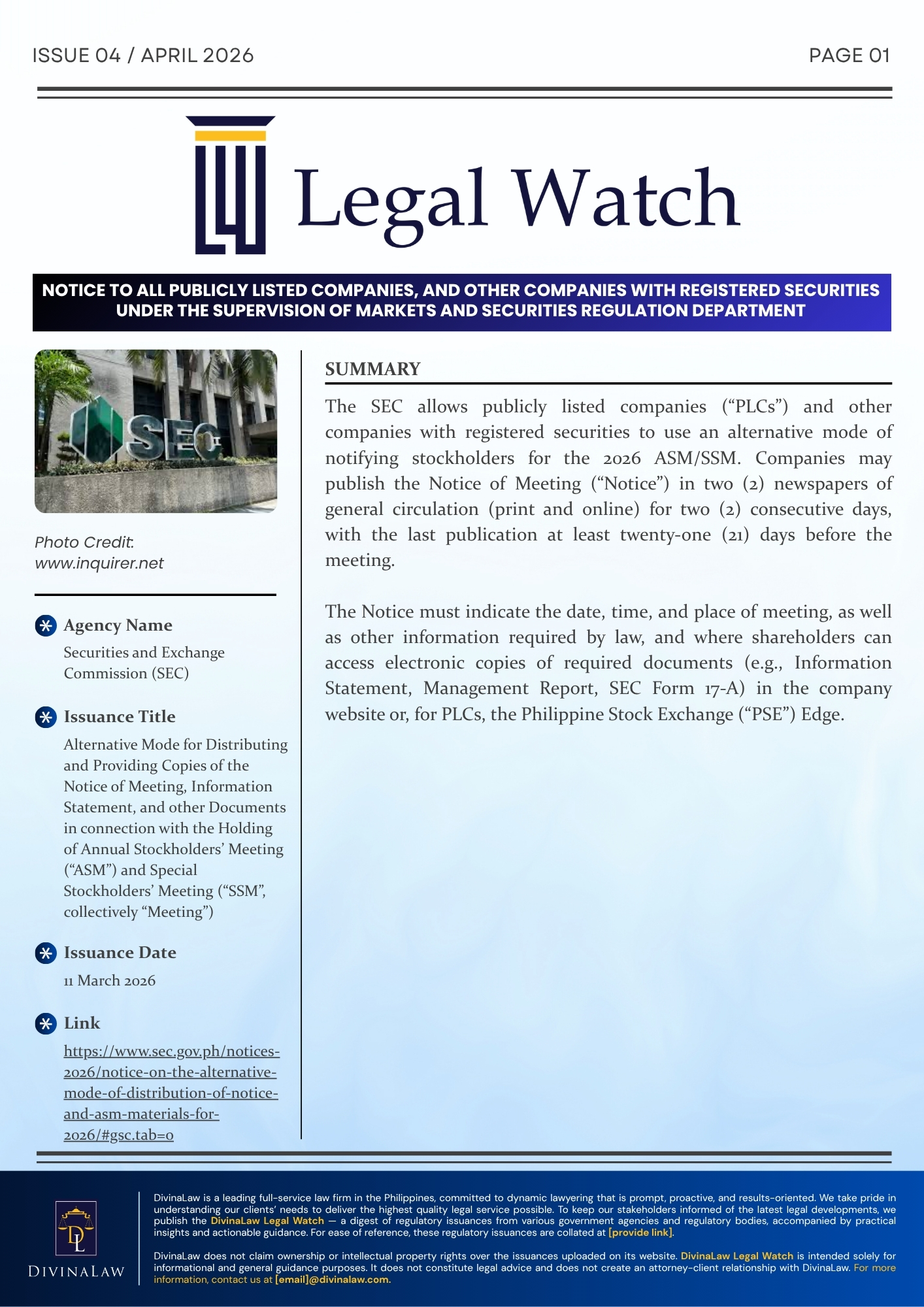
A public listed construction company is a business that builds and renovates structures, from homes to commercial buildings, and everything in between. These companies are often large-scale operations, with the resources to take on major projects. They might construct new buildings from the ground up or handle complex renovations and additions. The key here is that these companies are publicly listed, which means their shares are traded on a stock exchange and anyone can invest in them.
So, why does this matter? Well, for one, it means these companies are usually well-established and financially stable. They have the backing of investors and the public market, which can be a good sign of their long-term viability. This stability is important when you're considering hiring a contractor for a big project. You want to know they'll be around to honor their warranty and provide ongoing support.
Hiring a Contractor: What to Look For
When you're in the market for a contractor, whether it's for a home renovation or a new build, there are a few key things to consider. First, check their licensing and insurance. Make sure they're properly registered and insured for the work they do. This protects you in case of accidents or issues down the line. Next, ask for references and check their online reviews. Seeing what past clients have to say can give you a good idea of the company's reliability and quality of work.
It's also important to get multiple quotes. Prices can vary widely, and you want to make sure you're getting a fair deal. Compare apples to apples though; make sure the scope of work is the same across all quotes. And don't forget to ask about the timeline. A good contractor will give you a realistic estimate of how long the project will take, and they should be able to explain any potential delays.
Naming Your Construction Business
If you're in the construction business or thinking of starting one, you'll need a great name. A catchy, memorable name can help you stand out and make a good first impression. But what makes a good name? It should be unique, easy to remember, and reflect your business's personality or services. Avoid names that are too generic or could be confused with other businesses.
Here are a few original name ideas:
- BuildCraft
- Renova Solutions
- StructureWorks
- HomeRevamp
- ConstructoPros
- BuildTech
Remember to check the availability of these names and secure the relevant domains and local registrations before you finalize your choice.
The Construction Industry: A Quick Overview
The construction industry is a vast and diverse field, with roles ranging from general contractors to specialized tradespeople. Estimators, for example, play a crucial role in calculating costs and providing accurate quotes. Then there are project managers, who oversee the entire operation, ensuring it stays on track and within budget. These jobs can be found through various channels, including online job boards, industry-specific websites, and even word-of-mouth recommendations.
Data and Tools: RSMeans and More
In the construction world, tools like RSMeans are essential. RSMeans provides cost data and estimating tools, helping contractors and companies accurately price their work. It's a valuable resource for staying competitive and ensuring projects are financially viable. Similarly, cost databases and indexes are used to track and predict construction costs, helping businesses plan and budget effectively.
Large vs. Small Construction Firms
The construction industry is diverse, with a range of company sizes. Large firms often have the resources to take on big, complex projects and may have a national or even international presence. They can offer a wide range of services and have the manpower to handle multiple projects simultaneously. On the other hand, smaller firms might specialize in a particular area, like home renovations, and offer a more personalized service. They might be better suited to local projects and have a strong understanding of the specific market and its needs.
So, there you have it! A quick dive into the world of public listed construction companies. Whether you're looking to hire a contractor or just curious about the industry, I hope this gives you a better understanding of what these companies do and how they operate.
Related: How to Read a Debate Round Chart
You're here because you need a quick guide to understanding the debate round chart and its purpose. This handy tool, often presented as a visual aid, is a great way to keep track of the flow and structure of a debate, offering a simple yet effective strategy visualization. The chart can provide a round-by-round breakdown, ensuring you stay on top of the arguments and speaker order.
Understanding the Debate Round Chart: An Overview
The debate round chart is a visual tool that simplifies the complex structure of a debate, making it easier to grasp the flow and strategy of the entire process. It's like a roadmap for debaters, providing a clear overview of the key elements and helping them navigate the rounds efficiently.
Comparing Debate Round Chart Formats and Standards
There are various formats and standards for these charts, depending on the type of debate and the preferences of the organizers or teams. Some common categories or sections you might find on a debate round chart include:
- Speaker Order: This section outlines the order in which speakers will present their arguments, including the time limits for each speech.
- Round Phases: Here, you'll see a breakdown of the different phases within a round, such as constructive speeches, rebuttals, and cross-examination periods.
- Argument Tracking: A visual representation of the main arguments and rebuttals, showing how they develop and connect throughout the debate.
- Time Management: A simple timeline or bar graph indicating the duration of each segment, ensuring teams stay within the allocated time.
Step-by-Step Guide to Using the Debate Round Chart
Using a debate round chart effectively can enhance your debate strategy and time management:
- Study the Chart: Familiarize yourself with the chart's layout and understand the symbols or notations used. Each section should be clearly labeled to avoid confusion.
- Plan Your Strategy: Review the speaker order and allocate roles to your team members based on their strengths and the flow of arguments.
- Time Allocation: Refer to the time management section to ensure you're aware of the time limits for each speech and prepare accordingly.
- Argument Preparation: Use the argument tracking section to visualize your team's strategy and anticipate potential counterarguments.
- During the Debate: Refer to the chart for a quick reminder of the current round's structure and your team's plan. It's a handy reference to keep you on track.
Avoiding Misreadings and Pitfalls
Misinterpreting a debate round chart can lead to confusion and missteps during the debate. Here are some common mistakes to avoid:
- Assuming Standard Formats: Always double-check the specific format and standards used for your debate. Different tournaments or leagues may have variations.
- Ignoring Time Limits: The time management section is crucial. Stick to the allocated times to avoid penalties and ensure a fair debate.
- Misinterpreting Symbols: If you're unfamiliar with a particular symbol or notation, clarify its meaning before proceeding.
- Overlooking Key Details: Pay attention to all sections of the chart, especially the speaker order and argument tracking, to ensure you're prepared for every aspect of the debate.
Key Factors Affecting Accuracy and Real-World Use
The accuracy of a debate round chart relies on several factors:
- Standardization: Adhering to recognized debate standards ensures consistency and reduces confusion.
- Up-to-Date Information: Charts should be regularly updated to reflect any changes in debate rules or formats.
- Clear Communication: Effective communication between organizers, judges, and debaters is essential to ensure everyone understands the chart's purpose and content.
- Practice and Familiarity: The more familiar debaters become with these charts, the better they can utilize them during actual debates.
Adapting the Chart for Specific Needs
Debate round charts can be tailored to meet the unique requirements of different debate formats or teams:
- Customization: Depending on the debate style (e.g., parliamentary, policy, or public forum), you can customize the chart to highlight specific aspects relevant to that format.
- Team Preferences: Some teams may prefer a more detailed chart with additional sections, while others might opt for a simpler layout.
- Regional Variations: Consider regional differences in debate structures and adjust the chart accordingly. For instance, time limits may vary between countries or leagues.
Maintaining Reliability for Future Debates
To ensure the debate round chart remains a reliable reference tool:
- Update Regularly: Keep the chart up-to-date with any rule changes or modifications to the debate format.
- Feedback and Review: Encourage feedback from debaters and judges to identify areas for improvement.
- Standardize Symbols: Establish a set of standard symbols or notations to ensure consistency across different charts and tournaments.
- Digital Accessibility: Consider creating digital versions of the chart, making it easily accessible and shareable among teams and organizers.
Well, there you have it! A comprehensive guide to help you navigate the world of debate round charts. We've covered a lot of ground, from understanding the different options to ensuring accuracy and adapting to your needs.
Remember, when it comes to these charts, it's important to consider your unique situation and requirements. While we've provided a solid framework, exact values and formats may vary, so be sure to double-check and tailor it to your specific context.
Feel free to explore our other guides and resources for further insights and inspiration. We've got you covered!
Related: Understand Aurora Charter Oak: A Quick Guide
You're here, probably with a Aurora Charter Oak chart in front of you, seeking a quick understanding of its purpose and how to use it effectively. This practical tool, often in the form of a chart or diagram, provides valuable insights into oak tree growth and care. It offers a simple yet effective way to track and manage the health of your oak trees, ensuring they thrive and reach their full potential.
Understanding the Aurora Charter Oak Chart
The Aurora Charter Oak chart is a handy reference tool for anyone interested in oak tree care and growth. It provides a visual representation of the typical growth patterns and sizes of charter oak trees, offering a quick guide to their development. This chart is particularly useful for tree enthusiasts, gardeners, and arborists who want to monitor and understand the growth of these majestic trees.
Comparing Growth Categories and Standards
The Aurora Charter Oak chart categorizes tree growth based on two key measurements: trunk diameter and height. These measurements are essential as they indicate the overall size and maturity of the tree. The chart presents these categories in a clear, easy-to-read format, typically using a color-coded system to distinguish different growth stages.
When referring to the chart, you'll notice that trunk diameter is measured in inches or centimeters, depending on the standard being used. This measurement is taken at a standard height of 4.5 feet (or 1.37 meters) above the ground, known as the diameter at breast height (DBH). The height, on the other hand, is measured in feet or meters, representing the total height of the tree from the ground to its highest point.
Step-by-Step Guide to Using the Chart
Using the Aurora Charter Oak chart is straightforward and can be done in three simple steps:
Measure your charter oak tree's trunk diameter at breast height (DBH). This measurement should be taken with a measuring tape or calipers at a height of 4.5 feet above the ground.
Find the corresponding trunk diameter value on the chart. The chart will typically have a scale or legend indicating the diameter ranges.
Once you've identified the trunk diameter, follow the row or column to find the tree's estimated height. The chart will provide a range of heights associated with that diameter, giving you a good indication of your tree's size and growth stage.
Avoiding Common Misreadings and Pitfalls
While the Aurora Charter Oak chart is a valuable tool, it's important to keep in mind a few potential pitfalls:
The chart provides a general guide and may not account for every unique growth pattern. If your tree's growth seems significantly different from the chart's predictions, it's worth consulting an arborist for a more detailed assessment.
Always ensure you're using the correct standard for your region. Different countries and organizations may use different units or measurement protocols, so double-check to ensure accuracy.
Remember that tree growth is influenced by various factors, including soil quality, climate, and care practices. The chart offers a typical growth pattern, but your tree's growth may vary based on these environmental factors.
By understanding these potential variations and using the chart as a guide rather than a rigid rule, you can accurately interpret the Aurora Charter Oak chart and gain valuable insights into the growth and care of these beautiful trees.
Hey there! I hope this guide has been helpful and easy to follow. Remember, when it comes to Aurora Charter Oak, it's all about finding the right fit for your needs. The chart and steps provided should give you a solid foundation, but it's always a good idea to double-check the specific requirements and context for your project.
So, before you wrap up, take a moment to ensure you've covered all the bases. And don't forget to bookmark this page; it'll be a handy reference for future adventures with Aurora Charter Oak. Happy charting!