






Snowman Coloring Page Printable Overview
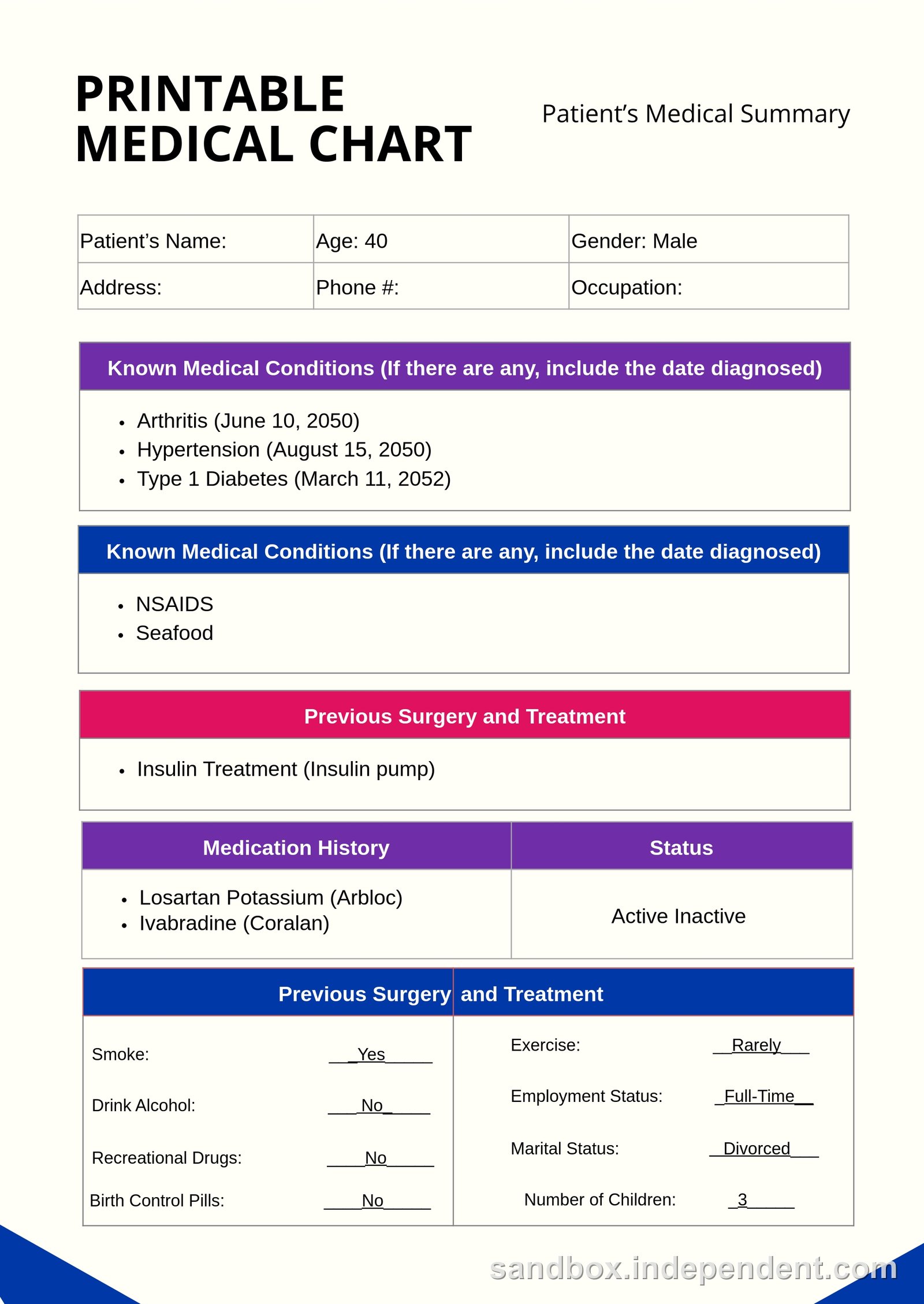
A common misconception about my avera chart is that it's solely for medical professionals. However, this chart is a powerful tool designed with patients in mind, offering a clear and accessible way to understand your health data. It provides a visual representation, often in the form of a personalized health record, allowing you to easily track and monitor your well-being. With my avera chart, you gain insight into your health metrics, making it an essential resource for anyone looking to take control of their healthcare journey.
Understanding Your Data: An Overview of My Avera Chart
My Avera Chart is a powerful tool that offers a visual representation of your health data, providing an easy-to-understand snapshot of your medical history and current health status. This chart serves as a reference guide, helping you make sense of your personal health metrics.
Comparing Chart Formats and Standards
The Avera Chart can display various health metrics, including vital signs, laboratory results, and diagnostic images. It offers a standardized way to present this data, ensuring consistency and ease of interpretation. Depending on the specific standard being used, you may find different categories and measurement units. For instance, weight could be in pounds or kilograms, and blood pressure might be displayed in mmHg or kPa.
Step-by-Step Guide: Interpreting Your Avera Chart
To read and understand your Avera Chart, follow these steps:
- Start by identifying the main categories or sections. These could include vital signs, lab results, medications, and allergies.
- Within each category, locate the specific data points. For instance, under vital signs, you might find heart rate, blood pressure, and temperature.
- Pay attention to the units of measurement. As mentioned, these can vary, so ensure you understand the scale being used.
- Compare your results with the reference ranges provided. These ranges indicate normal or healthy values for each metric.
- Note any values that fall outside the reference range. These may require further investigation or medical attention.
- If you have multiple charts, compare the trends over time. This can help identify patterns or changes in your health.
Common Misreadings and How to Avoid Them
While My Avera Chart is designed for clarity, some factors can lead to misinterpretation:
- Units of Measurement: Always confirm the units being used. For example, a value of 120 could represent 120 mmHg for blood pressure or 120 kg for weight, depending on the context.
- Reference Ranges: These can vary based on age, gender, and other factors. Ensure you are comparing your results to the appropriate reference range.
- Outliers: An unusual value may not always indicate a problem. Consider the overall trend and discuss any concerns with your healthcare provider.
- Customizing Your Chart: While you can personalize your Avera Chart, ensure any changes do not compromise the accuracy or clarity of the data.
Remember, My Avera Chart is a valuable tool, but it should be used in conjunction with professional medical advice. Always consult your healthcare provider for personalized guidance and interpretation.
Well, there you have it! A comprehensive guide to mastering your Avera Chart. Remember, while this chart serves as an excellent reference, it's always wise to confirm any specific details or requirements unique to your situation.
Feel free to explore our other guides and resources, where you can find more practical tips and insights to enhance your understanding and application of various tools and concepts. Happy learning, and keep those charts organized!
Related: Media Room Renovation Cost Essential Guide
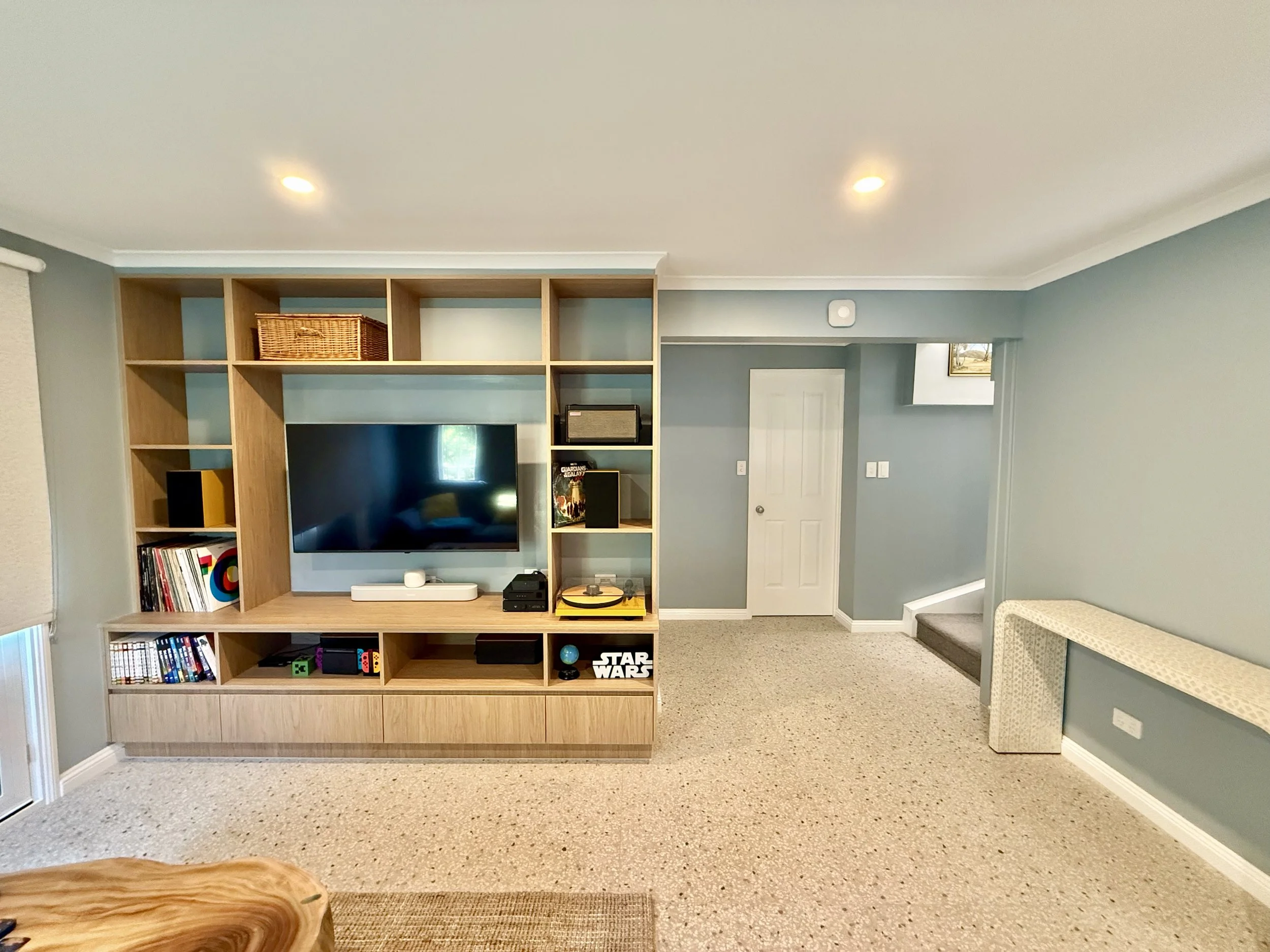
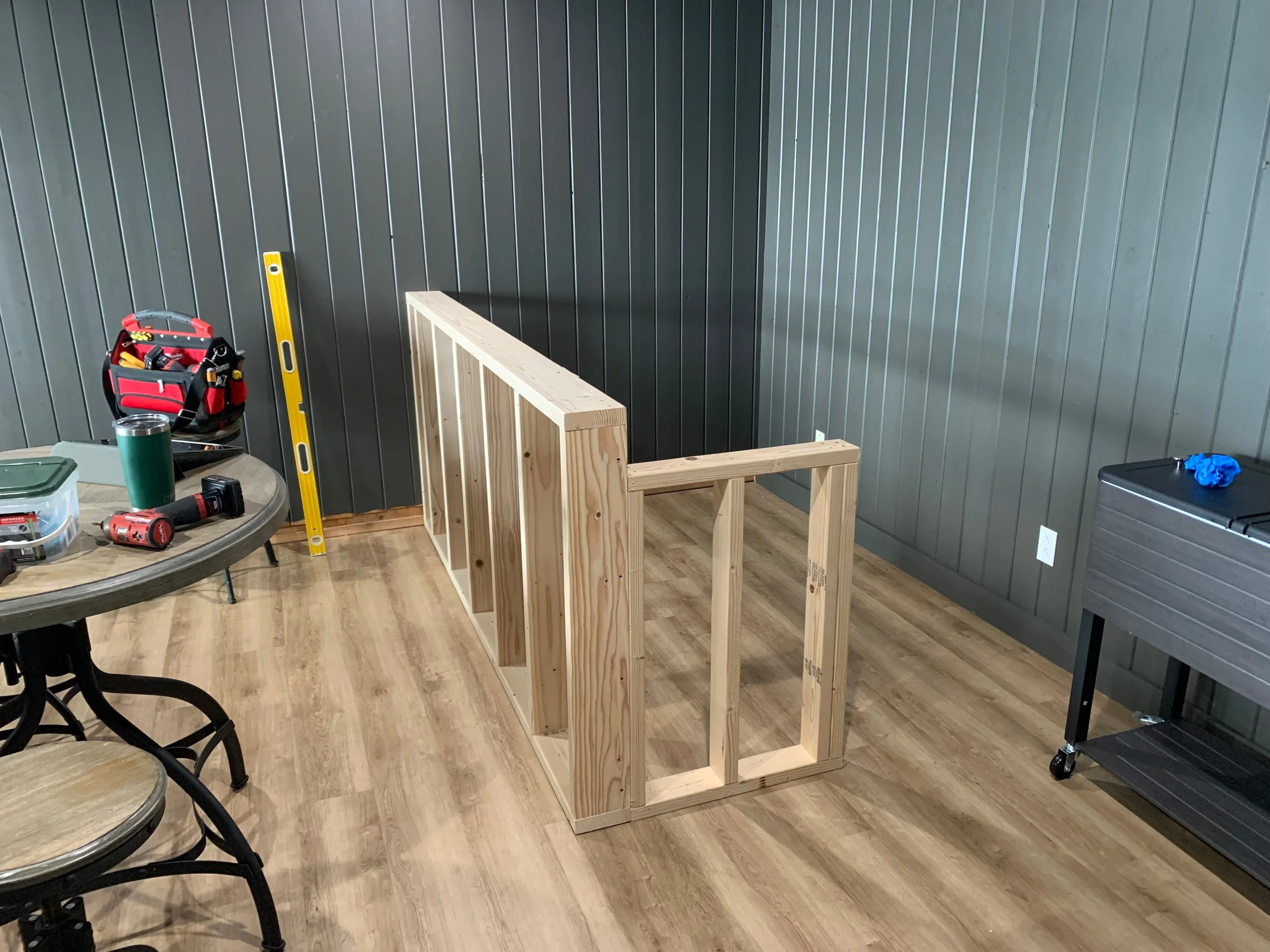
I've just finished a home project and was thinking about the next one. Media room renovation cost is something I'm curious about, as it's a big job and I want to get it right. I've heard it can be expensive, but I'm not sure what the typical costs are or how to plan for it. I need to know what to expect and how to make sure I get a good deal.
Understanding Media Room Renovation Costs
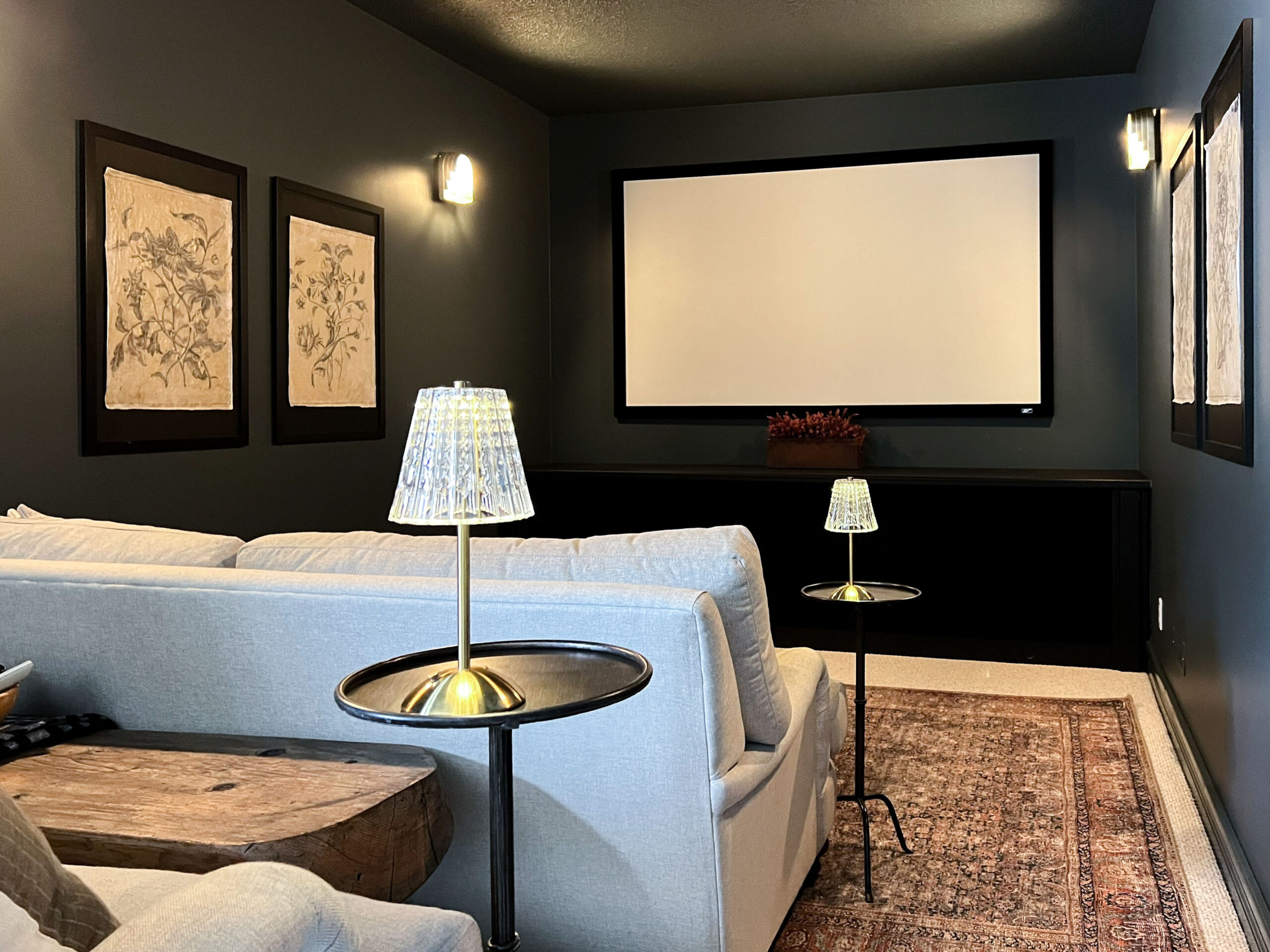
So, you're thinking about transforming your space into a media room haven? It's an exciting project, but media room renovation cost can be a big consideration. Let's break it down and explore what factors influence the price tag.
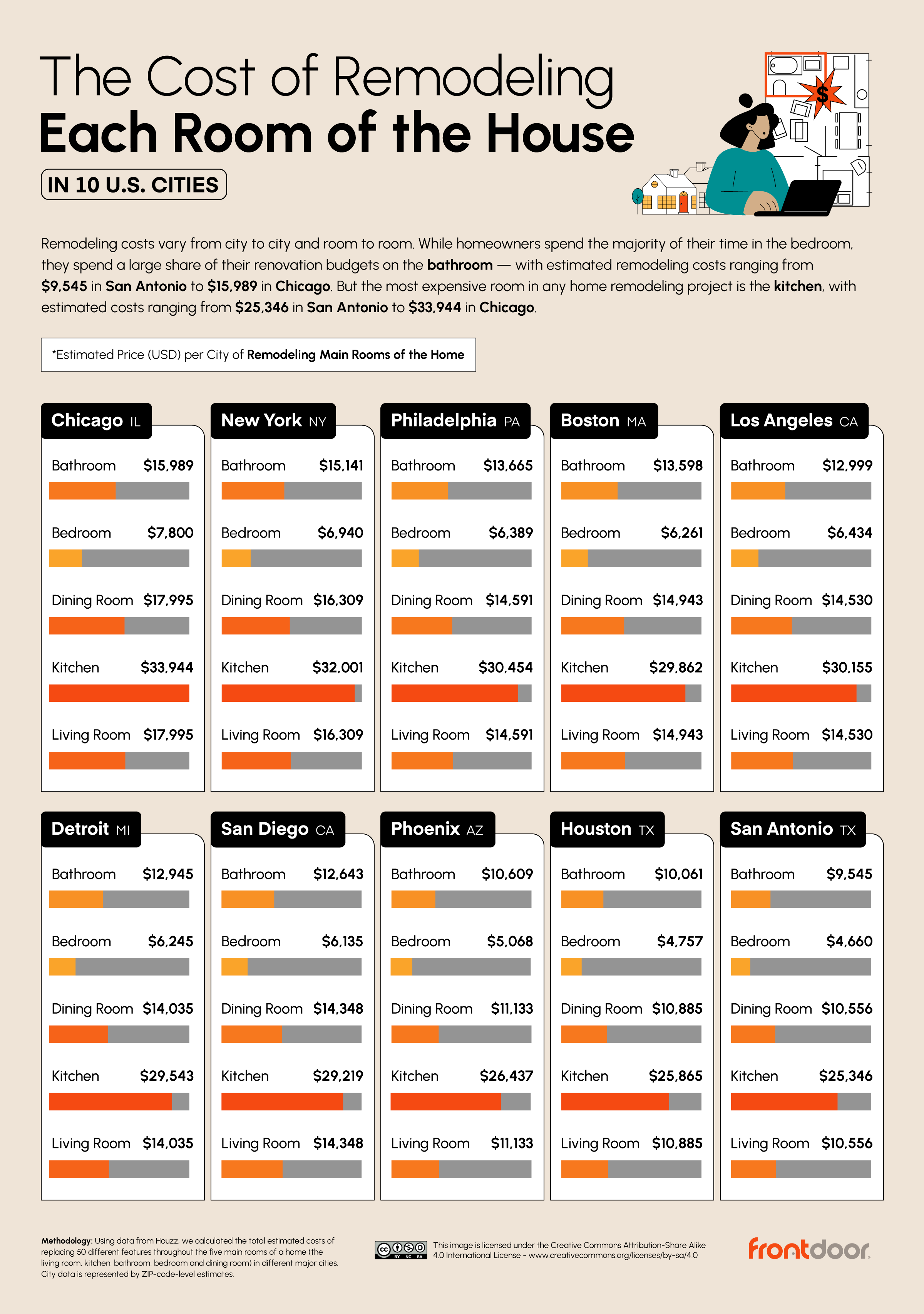
The cost of your media room renovation will depend on several key elements. Firstly, the size of the room and the scope of work required. Are you converting an existing space or starting from scratch? The more complex the design and the larger the room, the higher the cost will likely be.
Materials play a significant role too. From high-end audio-visual equipment to comfortable seating and stylish decor, the choices you make will impact the overall expense. It's a balance between your vision and your budget.
Labor costs are another crucial factor. Hiring skilled professionals to handle the electrical work, soundproofing, and installation of specialized equipment can add up. It's important to get quotes from reputable contractors to ensure a smooth and efficient renovation process.
Finding the Right Contractor
When it comes to hiring a contractor for your media room renovation, there are a few key things to consider. First, check their qualifications and experience. You want someone who specializes in home remodeling and has a proven track record. Ask for references and read reviews to get a sense of their work.
Get multiple quotes to compare prices and services. A good contractor will provide a detailed breakdown of costs, so you know exactly what you're paying for. Don't just go for the cheapest option; consider the value and quality of the work offered.
Construction Companies and Names
The construction industry is diverse, with companies of all sizes. When it comes to media room renovations, you'll likely be looking for a specialized home remodeling contractor. These companies focus on residential projects and can offer personalized services.
Choosing a name for your construction business is important. It should be memorable and reflect your brand. Some ideas could be:
- BuildCraft
- Home Innovation Group
- Remodel Pros
- Design & Build Co.
- The Renovators
- Modern Spaces
Remember to check name availability and secure the right domain and local registrations.
Industry Insights and Jobs
The construction industry offers a range of roles, from estimators who calculate costs to project managers overseeing renovations. These jobs are in demand and often involve working with various professionals.
As for salaries, they can vary based on experience and the company's size. Larger firms may offer competitive packages, while smaller businesses might provide a more personalized work environment. Job boards and industry-specific websites are great places to start your search.
Data and Tools for Estimating Costs
When it comes to estimating media room renovation cost, tools like RSMeans can be invaluable. These databases provide cost information for various construction projects, helping contractors and homeowners alike. They offer insights into material and labor expenses, ensuring accurate quotes.
For a media room renovation, you'll want to consider the cost escalation over time. This accounts for potential price increases due to market fluctuations and helps you budget effectively. It's a valuable tool for long-term planning.
Big Picture: Industry and Market
The construction industry is diverse, with a range of companies from small, family-run businesses to large corporations. Larger firms often have the resources for bigger projects and can offer competitive pricing. However, smaller companies might provide more personalized service and attention to detail.
The market outlook is an important consideration. Construction trends and economic factors can impact the industry. Staying informed about these changes can help you make smart decisions when planning your media room renovation.
Final Thoughts
Renovating a media room is an exciting project, and understanding the media room renovation cost is crucial. From materials to labor, there are many factors to consider. By researching and comparing quotes, you can make an informed decision and create your dream media room within your budget.
Related: How to use the Redken color chart?
You're likely here because you need a quick reference for the color chart Redken offers, a go-to resource for anyone seeking precise hair color guidance. This chart, a trusted tool, provides a straightforward visual guide, helping you navigate the world of hair coloring with ease. It's a simple yet effective way to ensure you achieve the desired shade and tone, whether you're a professional stylist or a home user. With various formats available, from guides to wheels, Redken's color system ensures accuracy and consistency, making it a popular choice for those seeking reliable hair color results.
The Redken Color Chart: A Guide to Hair Color Mastery
The Redken color chart is an essential tool for hair professionals and enthusiasts alike, offering a systematic approach to understanding and achieving desired hair colors. This chart serves as a visual reference, helping you navigate the vast world of hair coloring with precision and confidence.
Key Details and Categories
The Redken color chart typically features a range of hair color options, organized into different levels and tones. These levels indicate the depth or lightness of the color, often ranging from 1 (darkest) to 10 (lightest). Tones, on the other hand, represent the underlying hue, such as neutral, warm, or cool. Additionally, the chart may include various shades and intensities, allowing for a wide array of color possibilities.
Step-by-Step: Reading and Applying the Chart
To use the Redken color chart effectively, follow these steps:
Identify your desired hair color. Consider the level and tone you wish to achieve. For instance, a level 7 with a cool tone might be a vibrant, icy blonde.
Locate the corresponding color on the chart. Redken's charts often provide a visual representation, making it easy to find the right shade.
Choose the appropriate product. Redken offers a range of color gel systems, like Color Fusion or Shades EQ, each with its own unique properties. Select the one that best suits your needs and the level of color change desired.
Follow the product instructions. Each system has specific application and processing times, so ensure you understand these steps to achieve the best results.
Monitor the color development. During the processing time, keep an eye on the color change to ensure you achieve the desired result.
Variations and Differences
It's important to note that hair color results can vary based on several factors. These include the natural hair color and texture, previous color treatments, and even the porosity of the hair. Additionally, different standards and regions may have slight variations in their color charts and product offerings. Always refer to the specific instructions and charts provided by Redken for your region to ensure accuracy.
Common Mistakes and How to Avoid Them
One common mistake is failing to perform a strand test before a full application. This simple step can prevent unexpected results and ensure the color is as expected. Another pitfall is not considering the underlying tone of the hair. For instance, a warm-toned hair may require a different approach than a cool-toned hair to achieve the desired result. Always consult the Redken color chart guide and seek professional advice if needed.
Practical Tips for Accurate Results
To achieve natural-looking results, consider the following tips:
Understand your hair's undertones. Redken's hair color wheel can be a useful tool to identify these.
Start with a lighter level and gradually build up to your desired shade. This approach helps prevent over-processing and ensures a more natural transition.
Use color mixing techniques to create custom shades. Redken's color gel chart provides a guide for mixing different colors.
Maintain regular touch-ups to keep your color fresh and vibrant.
Double-Checking and Handling Exceptions
Always double-check the product instructions and the Redken color chart for your specific region. Some hair types may require special considerations, such as pre-lightening or toning, to achieve the desired color. Consult a professional colorist if you're unsure or encounter any challenges.
Remember, the Redken color chart is a valuable resource, but it's just one tool in your hair coloring journey. With practice and an understanding of your hair's unique characteristics, you can master the art of hair coloring and achieve stunning results.
Remember, the specifics may differ slightly, so always refer to the most relevant and up-to-date sources for your particular needs.
Feel free to explore our other guides for more practical insights and tips. Consider bookmarking this page for a handy reference guide whenever you need a quick refresher on color charts and their applications.