



Soccer Player Coloring Pages Overview
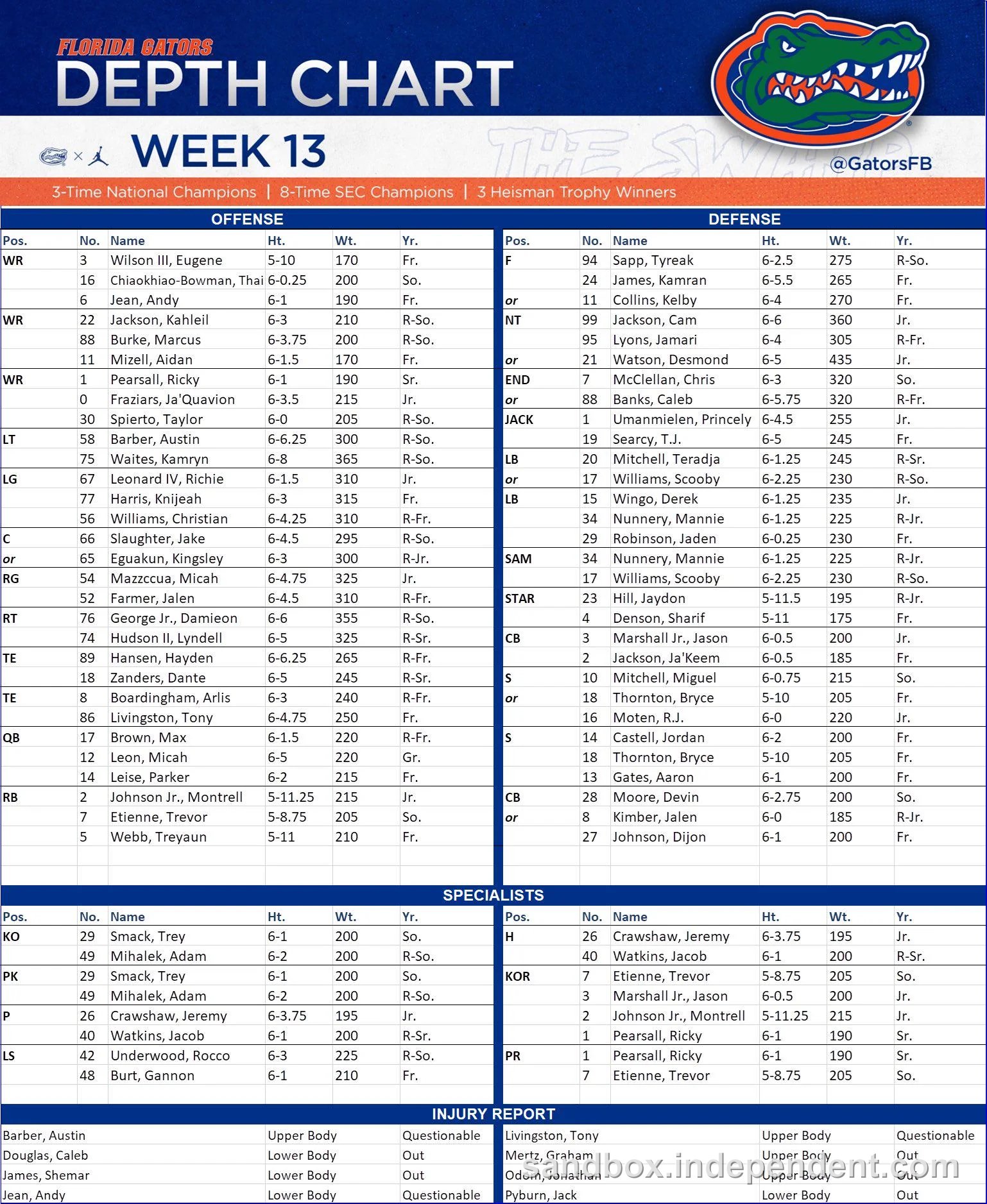
Many people often mistake Edison Charter SF for just another educational chart or table, but it's so much more than that. Edison Charter SF is a powerful tool, a comprehensive guide that offers a unique insight into the world of education, specifically within the San Francisco context. This reference is designed to provide a clear overview, helping users navigate and understand the performance and standards of schools, with a focus on the Edison Charter School and its rankings. While the values and metrics may vary, this chart offers a reliable starting point for anyone seeking to make informed educational choices.
Edison Charter SF: A Snapshot of Educational Excellence
Edison Charter SF offers a unique educational journey, and understanding its performance is key. This chart provides a concise overview, showcasing its strengths and areas of focus. Let's explore how to interpret this data effectively.
Comparing Key Metrics and Standards
The chart compares Edison Charter SF's performance against regional benchmarks and charter school averages. It covers a range of indicators, including student achievement, academic growth, and parent satisfaction. These metrics are essential for evaluating the school's overall effectiveness. When reading the chart, note that measurements may vary based on the specific standards and frameworks used.
Step-by-Step Guide: Interpreting the Data
To navigate this chart effectively, follow these steps:
Begin by identifying the key indicators. These are typically highlighted or labeled clearly.
Compare the values against the regional benchmarks. A quick glance will show how Edison Charter SF performs relative to other schools in the area.
Look for trends. Are there consistent strengths or areas for improvement? This provides insights into the school's focus and strategies.
Consider the context. Understand the unique aspects of Edison Charter SF's curriculum and mission to interpret the data accurately.
Use the chart as a starting point. It offers a snapshot, but for detailed insights, refer to the school's official reports and student achievement data.
Avoiding Common Misinterpretations
While the chart is a valuable tool, it's essential to be aware of potential pitfalls:
Avoid over-simplifying. Each indicator has its nuances, and a holistic view is crucial.
Be mindful of variations. SF education standards and assessment methods can change, impacting the data. Stay updated on any shifts.
Understand the limitations. The chart provides a broad overview; for specific details, consult the school directly.
Key Factors Influencing Accuracy
Several factors influence the accuracy and real-world application of this chart:
Charter school performance metrics can vary based on the student population and curriculum. Consider the school's unique context.
Regional benchmarks may not always align with national or international standards. Be aware of these differences when comparing.
Data collection methods and assessment tools can impact results. Ensure you understand the methodologies used.
Finally, stay informed about any recent developments or initiatives that may influence Edison Charter SF's performance.
Remember, while this guide provides a solid framework, every situation is unique. Exact details may differ slightly, so it's always good to double-check and adapt to your specific needs.
Consider bookmarking this page for future reference; it's a handy tool to have at your fingertips when you need a quick reminder. You'll find many more practical guides like this one, so feel free to explore and discover the ones that resonate with you!
Related: What Is a Specialty Contractor Essential Guide
"What is a specialty contractor?" I asked myself as I started planning my home renovation. It's a term I kept seeing, but I wasn't sure what it meant exactly. So, I did some digging and here's what I found out.
The Basics: Who Are These Specialists?
A specialty contractor is a pro who focuses on one specific trade or skill. Unlike a general contractor who oversees the whole project, these guys are the experts in their field. They might handle plumbing, electrical work, roofing, or even something more niche like pool installation or solar panel setup. It's all about having a deep knowledge of one area.
Why Does It Matter?
Well, if you're planning a project, knowing who to call can save you time and money. For example, let's say you need a new roof. You could hire a general contractor who will then subcontract the roofing work out to a specialist. But why not go straight to the source? A specialty contractor will likely be more efficient and offer better value. They're the masters of their craft and can often complete jobs faster and with fewer surprises.
Finding and Hiring a Specialist
When you're ready to hire, do your research. Get quotes from a few different companies and compare. Look for experience, references, and check their licensing and insurance. It's also a good idea to ask about their process and how they handle unexpected issues. Remember, the cheapest quote might not always be the best value. You want someone who understands your vision and can deliver high-quality work.
Company Names and Branding
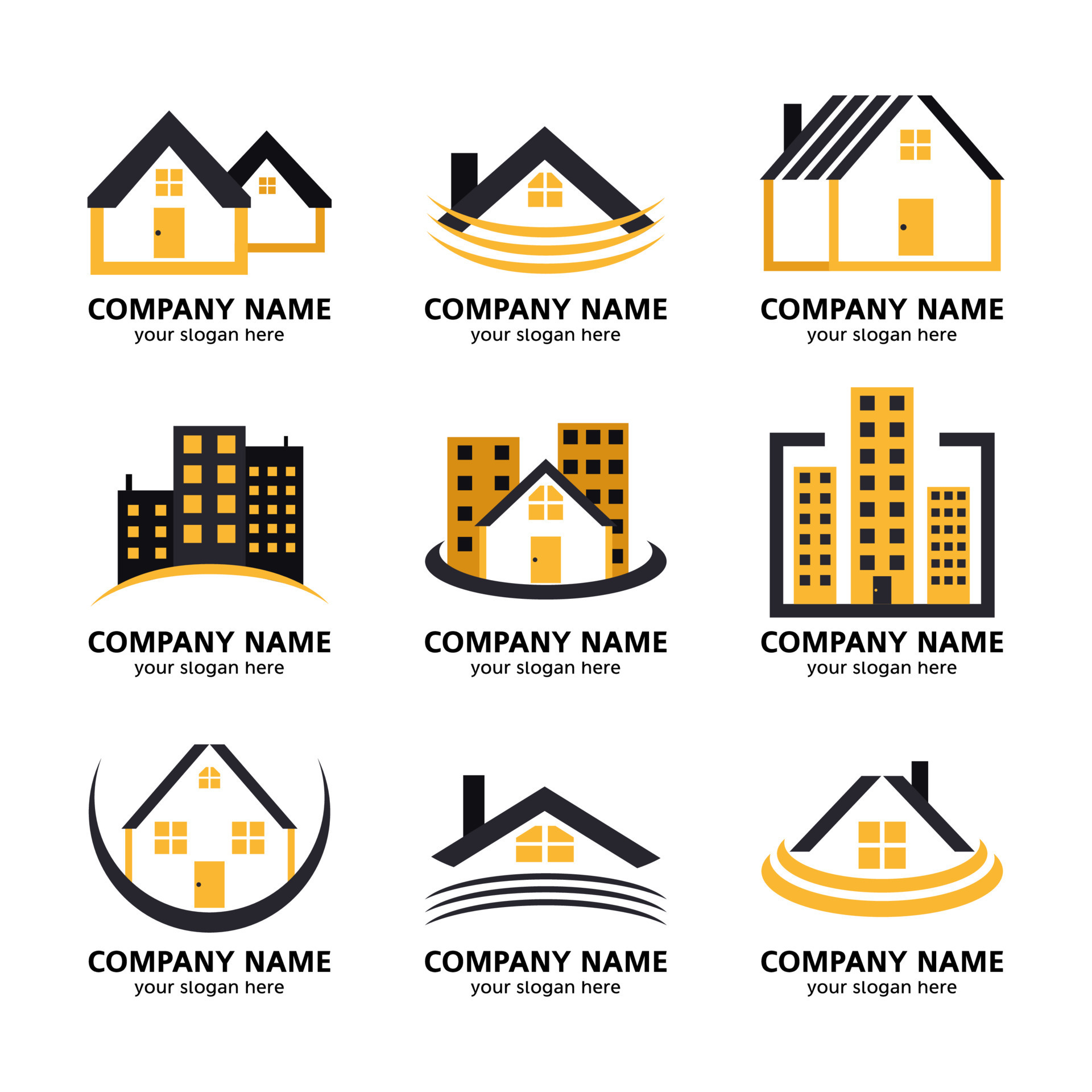
If you're in the construction game and thinking of starting your own business, choosing a name is key. It should be memorable, unique, and reflect your specialty. Something like "Atlanta Electrical Experts" or "Helena's Roofing Masters" tells people exactly what you do. But don't forget to check name availability and secure your domain and local registration too.
Jobs and Industry Outlook
Specialty contractors often work for larger construction companies or are self-employed. The work can be varied and rewarding, and there's always demand for skilled tradespeople. If you're looking for a career change, consider training in a specialty trade. It's a stable industry with plenty of opportunities. You'll find jobs listed on construction-focused job boards and local classifieds.
Tools of the Trade
In the construction world, tools like RSMeans can be a big help. It's a cost database and estimating tool used by contractors and estimators to price projects accurately. It takes into account things like materials, labor, and escalation (changes in costs over time). Having access to reliable data like this can make a big difference when quoting for jobs.
Big vs. Small Firms
The construction industry has a mix of large and small firms. Big companies often have more resources and can take on larger projects, but smaller firms might offer more personalized service. It's a balance between scale and specialization. As a customer, it's worth considering what matters most to you and your project.
Final Thoughts
Understanding what is a specialty contractor can really help when planning a project. Knowing who to call and what to expect can make the process smoother. And if you're thinking of a career change, the construction industry offers a world of opportunities. So, whether you're a homeowner, a business owner, or considering a new path, specialty contractors are a key part of the picture.
Related: Names For Construction Essential Guide
I was chatting with a friend the other day about home renovations, and the topic of names for construction came up. It got me thinking about all the different aspects of the industry and how important names are in this field. So, let's dive in and explore what this phrase really means and why it matters.
Unraveling the Mystery: What's in a Name?
When it comes to construction, the name of a company or project can say a lot. It's often the first impression you get of a business and can give you an idea of their expertise and services. A good name can make a company stand out and leave a lasting impression. So, choosing the right name is crucial for any construction business or project.
The name should reflect the nature of the work and the company's values. It's a chance to showcase your unique selling point and attract the right clients. For example, a name like "Green Builders" might suggest an eco-friendly approach, while "Renovation Experts" could indicate a focus on home remodeling. The right name can help you find your niche and attract the right opportunities.
Naming Tips and Tricks
Coming up with a great name can be a challenge, but here are a few tips to get you started:
- Keep it simple and memorable. A short, catchy name is easier to remember and can be more effective.
- Consider using a combination of words that describe your business or services. For instance, "Build & Design" or "Remodel Masters."
- Think about your target audience and what they might find appealing. A name that resonates with your ideal clients can be a powerful tool.
- Check for availability and trademark issues. You don't want to choose a name only to find out it's already taken or has legal restrictions.
Here's a short list of some original name ideas to inspire you:
- BuildPro
- Constructo
- HomeCraft
- Renov8
- EcoBuild
- Structure Solutions
Construction Jobs and the Industry
The construction industry offers a wide range of roles and opportunities. From general contractors to estimators and project managers, there are various paths to explore. These jobs involve managing projects, estimating costs, and overseeing the entire building process. It's a dynamic industry with a lot of growth potential.
When it comes to salaries, it depends on the role, experience, and location. Construction jobs can offer competitive wages, and with the right skills and expertise, you can build a successful career. Many opportunities are available in cities like Houston, Atlanta, and San Francisco, where the construction industry is thriving.
Costs and Quotes: A Practical Guide
Understanding costs is essential when it comes to construction. The price of a project can vary greatly depending on factors like size, materials, and labor costs. It's always a good idea to get multiple quotes to compare and ensure you're getting a fair deal.
When comparing quotes, look beyond the price. Consider the scope of work, the company's reputation, and their experience. A lower price might not always be the best option if it means cutting corners or using lower-quality materials. Ask for references and check their previous work to get a sense of their quality and reliability.
Data and Tools: Behind the Scenes
In the construction industry, tools like RSMeans provide valuable data and cost estimates. These resources help professionals make informed decisions and plan projects effectively. RSMeans, for example, offers cost databases and escalation tools to account for potential price changes. It's a useful resource for contractors and estimators.
Wrapping Up
So, there you have it! Names for construction might seem like a simple phrase, but it covers a lot of ground. From naming your business to understanding the industry and its costs, there's a lot to consider. I hope this has given you some insights and inspired you to explore further. Remember, the construction industry is full of opportunities, and a great name can be your first step towards success.