



Social Skills Worksheets For Kids Printable Overview
A Disney cost chart is your go-to tool for navigating the pricing world of Disney parks and experiences. This guide will walk you through the essentials, ensuring you understand the chart and can make the most of your Disney adventures.
The chart offers a clear overview of various costs, from park entry to special attractions. It's a handy reference, especially when planning a trip, as prices can vary based on factors like location and the type of pass you choose. You'll find details on everything from the classic Disney price list to annual pass costs and even park hopper pricing.
Understanding the Disney Cost Chart
The Disney cost chart is your practical guide to navigating the pricing structure of Disney theme parks. It's a handy reference tool that breaks down the costs associated with different ticket types and options. This chart is designed to help you plan your Disney adventure and make informed decisions about your visit.
Ticket Types Explained
Disney offers a range of ticket options, and the cost chart categorizes these into clear groups. You'll find details on single-day tickets, multi-day passes, and even annual passes. Each category has its own set of pricing, and the chart provides a simple way to compare these options. For example, a single-day ticket might be a great choice for a quick visit, while a multi-day pass is ideal for a longer stay and offers better value.
Step-by-Step Guide to Using the Chart
Using the Disney cost chart is straightforward:
- Identify your preferred ticket type: single-day, multi-day, or annual pass.
- Locate the corresponding section on the chart.
- Check the prices for each option, considering the number of days and any additional benefits.
- Compare the prices and features to choose the best fit for your trip.
- Don't forget to note any discounts or special offers that may apply to your chosen ticket type.
Common Misreadings and How to Avoid Them
One common pitfall is assuming all Disney parks have the same pricing. While the cost chart provides a standard overview, prices can vary between different Disney resorts and parks. Always double-check the specific park you're visiting to ensure accurate pricing. Additionally, keep an eye out for seasonal variations; prices may change depending on the time of year and demand.
Factors Affecting Pricing Accuracy
Several key factors can influence the accuracy of the Disney cost chart and its real-world application:
- Location: As mentioned, different Disney parks have varying price points. Ensure you're referring to the correct park's chart.
- Time of Year: Peak seasons, like school holidays and summer, often see higher prices. The chart may not reflect these seasonal variations, so check for any special offers or discounts during your intended visit.
- Ticket Type: The chart provides a general overview, but specific ticket types may have unique features or restrictions. Read the fine print to understand what's included and any potential limitations.
Adapting the Chart for Your Needs
The beauty of the Disney cost chart is its flexibility. While it offers a standard format, you can adapt it to your specific needs. If you're visiting with a large group, for example, you might want to create a customized chart that highlights the best value options for your party. Or, if you're a frequent visitor, an annual pass might be the way to go, and the chart can help you compare the different pass options.
Keeping Your Reference Reliable
To ensure the Disney cost chart remains a reliable tool, it's important to keep it updated. Disney's pricing can change, so regularly check for any updates or new offers. This way, you'll always have accurate information when planning your next Disney adventure. Additionally, consider saving a digital copy of the chart for easy access and reference.
Hey there! We've covered a lot of ground with our Disney cost chart guide, and I hope it's given you a clear picture of what you need to consider.
Remember, when it comes to these charts and references, your specific context matters. Exact values may vary, so always double-check the sources and standards relevant to your situation. It's a good idea to keep an eye on any updates or changes too, as these charts can evolve.
If you're keen to explore more practical guides like this, feel free to browse our other resources. We've got a range of topics covered, so you're sure to find something useful. Happy reading, and here's to staying organized and informed!
Related: Need the Torrid Size Chart? A Quick Guide?
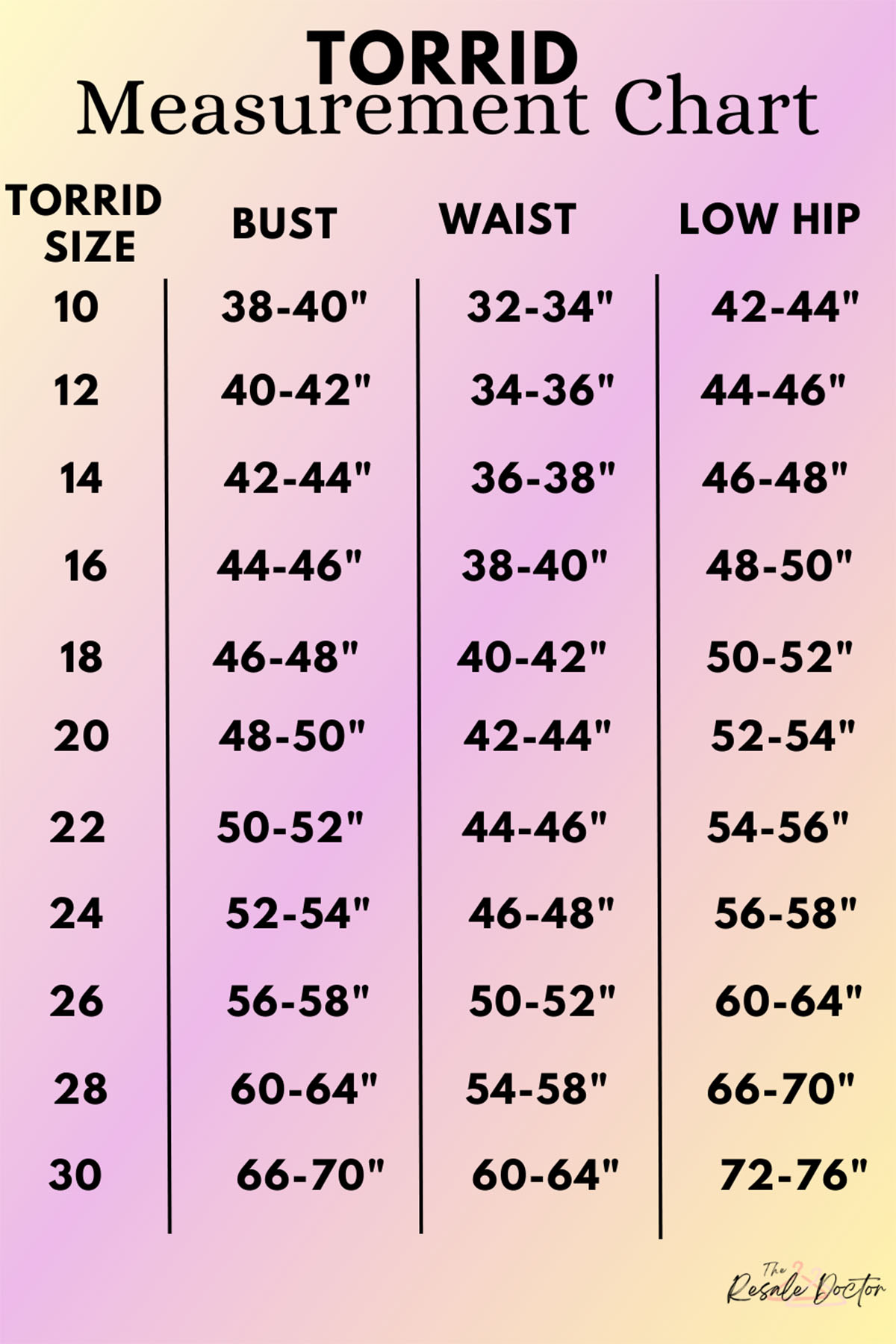
Frustrated by the lack of clarity in size guides? You're not alone! Many of us have been there, staring at a Torrid size chart, wondering if the numbers align with our bodies. It's a common struggle, especially when shopping for plus-size clothing. But fear not! Understanding these charts is easier than you think.
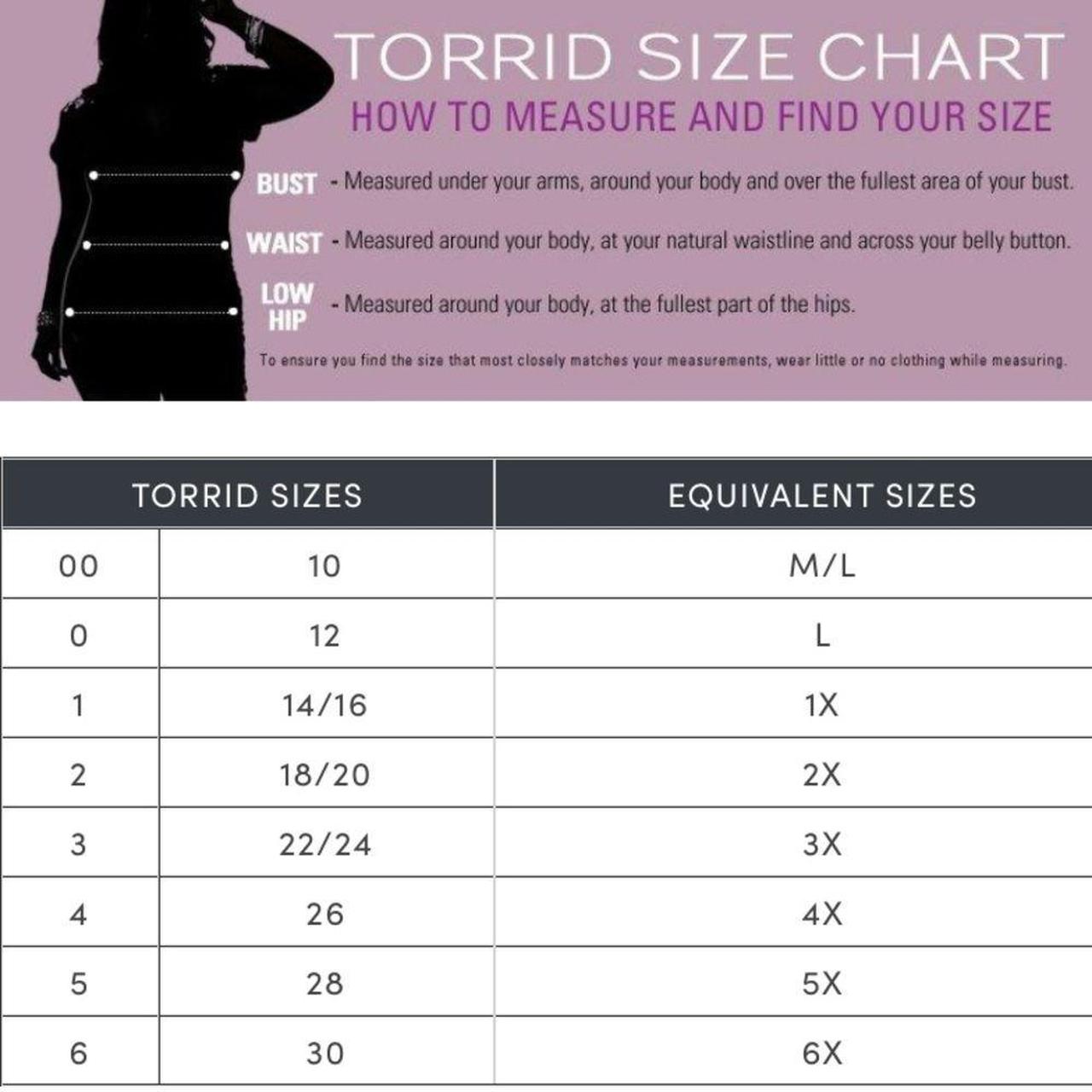
The Torrid size guide, for instance, offers a simple solution. It provides a clear breakdown of measurements, ensuring you find the perfect fit. Whether you're after a Torrid dress size chart or a Torrid jeans size chart, the key is to take your time and measure accurately.
Understanding the Torrid Size Chart
The torrid size chart is your go-to guide for finding the perfect fit in Torrid clothing. It's a simple yet effective tool that helps you navigate their range of sizes and styles, ensuring you get a comfortable and flattering look every time.
Key Details and Categories
The chart provides a clear breakdown of measurements for different body parts, typically including bust, waist, hips, and inseam. These measurements are presented in a table format, with sizes ranging from 00 to 6X, covering a wide range of body types. The units used are inches, a standard measurement system. It's important to note that the chart is designed specifically for Torrid's clothing line, so it may differ from other size guides.
Step-by-Step Guide to Reading the Chart
Here's a simple process to follow when using the torrid size chart:
- Identify your body type and the specific item of clothing you're interested in.
- Locate the relevant size guide for that item on the chart.
- Measure your body according to the guide's instructions. Ensure you're measuring the right body parts accurately.
- Compare your measurements to the size chart. Find the size that most closely matches your measurements across all relevant body parts.
- If you fall between sizes, consider the fabric and style of the garment. Some fabrics have more give, and certain styles may be more forgiving.
- Don't forget to check the reviews and fit notes provided by Torrid and other customers. These can offer valuable insights into how the garment fits in real life.
Size Chart Variations and Differences
It's important to remember that size charts can vary across brands and even within a brand for different clothing types. Torrid clothing size charts may differ slightly for jeans compared to dresses or bras, as these items have unique fit requirements. Additionally, Torrid, like many brands, offers size guides for both US and international (metric) measurements, so ensure you're using the correct guide for your region.
Common Mistakes and How to Avoid Them
- Measuring inaccurately: Ensure you're using a flexible measuring tape and following the instructions precisely.
- Assuming sizes are universal: Remember, each brand's size chart is unique. Don't assume your Torrid size will be the same as another brand.
- Not considering fabric and style: The fit of a garment can vary significantly based on fabric and design.
- Neglecting to check reviews: Customer reviews often provide valuable insights into how an item fits in practice.
- Forgetting to account for personal preferences: If you prefer a looser fit, size up; if you like it snug, size down.
- Relying solely on the size chart: While the chart is a great guide, it's always a good idea to check the fit notes and reviews for a more accurate picture.
Hey there, I hope this guide has been helpful in understanding the Torrid size chart and its practical use. Remember, while the core principles remain the same, the exact details can differ slightly, so it's always good to refer to the specific chart you're using.
Don't hesitate to explore other guides on our site, where you'll find more tips and tricks to enhance your shopping experience and make informed choices. Happy shopping, and stay stylish!
Related: How to Read a Bangle Size Chart?
You're here because you need a simple solution, and the bangle size chart is your answer. This handy tool, whether a visual guide or a reference table, is a quick way to get the right bangle size. It's a straightforward process, but with so many options, it's easy to get confused. So, let's keep it simple and ensure you find the perfect fit. The chart may vary, offering different measurements and standards, but we'll navigate that together, ensuring you understand the key details.
Bangle Size Chart: A Simple Guide
The bangle size chart is a handy tool that helps you find the perfect fit for your bangles or bracelets. It's a reference guide that provides measurements and sizes to ensure you get the right size every time. This chart is especially useful when shopping online or if you're unsure about your wrist size.
Key Details and Measurements
Before we dive in, let's understand the basics. The bangle size chart typically includes two main measurements: the inner circumference and the diameter. The inner circumference is the distance around the inside of the bangle, while the diameter is the width across the opening. These measurements are usually provided in inches or centimeters, depending on the standard used. It's important to note that different regions and manufacturers may have slight variations in their charts, so always check the specific guidelines.
Reading the Chart and Sizing Your Bangles
Using the bangle size chart is straightforward. Here's a step-by-step guide:
Measure your wrist: Take a flexible measuring tape and wrap it around your wrist at the point where you'd like to wear the bangle. Ensure it's snug but not too tight. Note down the measurement in inches or centimeters.
Find your size: Refer to the bangle size chart. Look for the column or section that matches your wrist measurement. The chart will provide you with the corresponding bangle size, often labeled with letters or numbers.
Choose the right size: Select the bangle size that aligns with your wrist measurement. If your wrist measurement falls between two sizes, it's generally recommended to go for the larger size for a comfortable fit.
Consider the bangle style: Some bangles are designed to be worn loosely, while others are meant to fit snugly. Adjust your choice based on the style and your personal preference.
Double-check: If you're ordering online, ensure the retailer provides accurate size guides and specifications. It's always a good idea to cross-reference with multiple sources to ensure an accurate fit.
Variations and Differences to Consider
While bangle size charts are a great starting point, there can be variations across different standards and contexts. Here are some factors to keep in mind:
- Wrist circumference: The size of your wrist can vary based on factors like bone structure, muscle tone, and personal preferences for a snug or loose fit.
- Bangle style: Different bangle designs may have unique sizing requirements. For example, hinged bangles often have a different fit compared to open-ended styles.
- Material: The flexibility and stretch of the bangle material can impact the sizing. Some materials, like resin or plastic, may have more give, while metals like silver or gold may be more rigid.
- Personal comfort: Ultimately, the right size is the one that feels comfortable to you. Trust your instincts and choose a size that allows for easy wear and removal.
Remember, the bangle size chart is a practical tool to guide you, but it's always a good idea to check specific brand guidelines and consider your personal preferences for a perfect fit.
Hey there, I hope this bangle size chart has been a helpful tool for you! Remember, when it comes to these charts, the exact values might differ slightly depending on the source or standard you're using. It's always a good idea to double-check and ensure you're using the right measurements for your specific needs.
Feel free to explore our other guides and resources on similar topics. We've got plenty of practical tips and tricks to share, so make sure to check them out and keep learning!