

Sock Size Chart A4 Overview
You've found yourself in need of a socks size chart, and who can blame you? It's a simple yet essential tool for ensuring you get the right fit. Whether you're buying socks for yourself or someone else, this chart is your go-to guide. It provides a quick and easy reference, ensuring you don't end up with socks that are too tight or too loose. While the values may vary depending on the brand or region, the socks size chart offers a reliable starting point.
Understanding the Sock Size Chart
The socks size chart is your go-to guide for finding the perfect fit for your feet. It's a simple yet practical tool that ensures your socks hug your feet comfortably and don't leave you with blisters or discomfort. This chart is like a secret code, and once you crack it, you'll never have to guess your sock size again!
Key Details and Categories
The chart typically features two main categories: sock size and shoe size. These are further divided into specific measurements and ranges. For sock size, you'll often see a numerical range, like 3-5, 6-8, and so on. These numbers represent the circumference of your foot, ensuring the sock fits snugly. Shoe size, on the other hand, is a familiar concept, often following standard shoe sizing guidelines.
Choosing the Right Fit: A Step-by-Step Guide
Using the socks size chart is a breeze! First, identify your shoe size. This is usually pretty straightforward, as you likely know your shoe size off the top of your head. Next, match your shoe size to the corresponding sock size on the chart. The chart will guide you to the right sock size, ensuring a perfect fit. It's as simple as that!
If you're buying socks as a gift or for someone with unique foot dimensions, you might need to measure their foot circumference. A simple tape measure will do the trick. Measure the widest part of their foot, and you're good to go!
Common Size Variations and Why They Happen
While the socks size chart is a reliable guide, variations can occur due to several factors. Different manufacturers might use slightly different standards or have unique sizing guidelines. Additionally, the material and construction of the sock can affect its stretch and fit. For instance, a thick, cozy wool sock might have a looser fit compared to a thin, athletic sock.
It's also worth noting that foot size can vary depending on factors like age, height, and even the time of day! Yes, our feet can swell slightly throughout the day, so it's best to measure or refer to the chart in the morning for the most accurate size.
Remember, while the socks size chart provides a great starting point, it's always a good idea to double-check the exact specifications and tolerances, especially for specialized socks or if you have unique foot dimensions. Happy sock shopping!
Well, there you have it! A handy guide to understanding sock sizes and how to use a size chart effectively. Remember, when it comes to sock sizes, there can be slight variations, so always check the specific guidelines or measurements provided by your preferred brand or manufacturer.
It's always a good idea to double-check, as these charts are just a general guide, and you want to ensure a perfect fit. So, take your time, measure up, and find those dream socks! And if you're keen to explore more practical guides and tips, feel free to browse our other articles. We've got you covered!
Related: Cat Dental Chart: A Comprehensive Guide
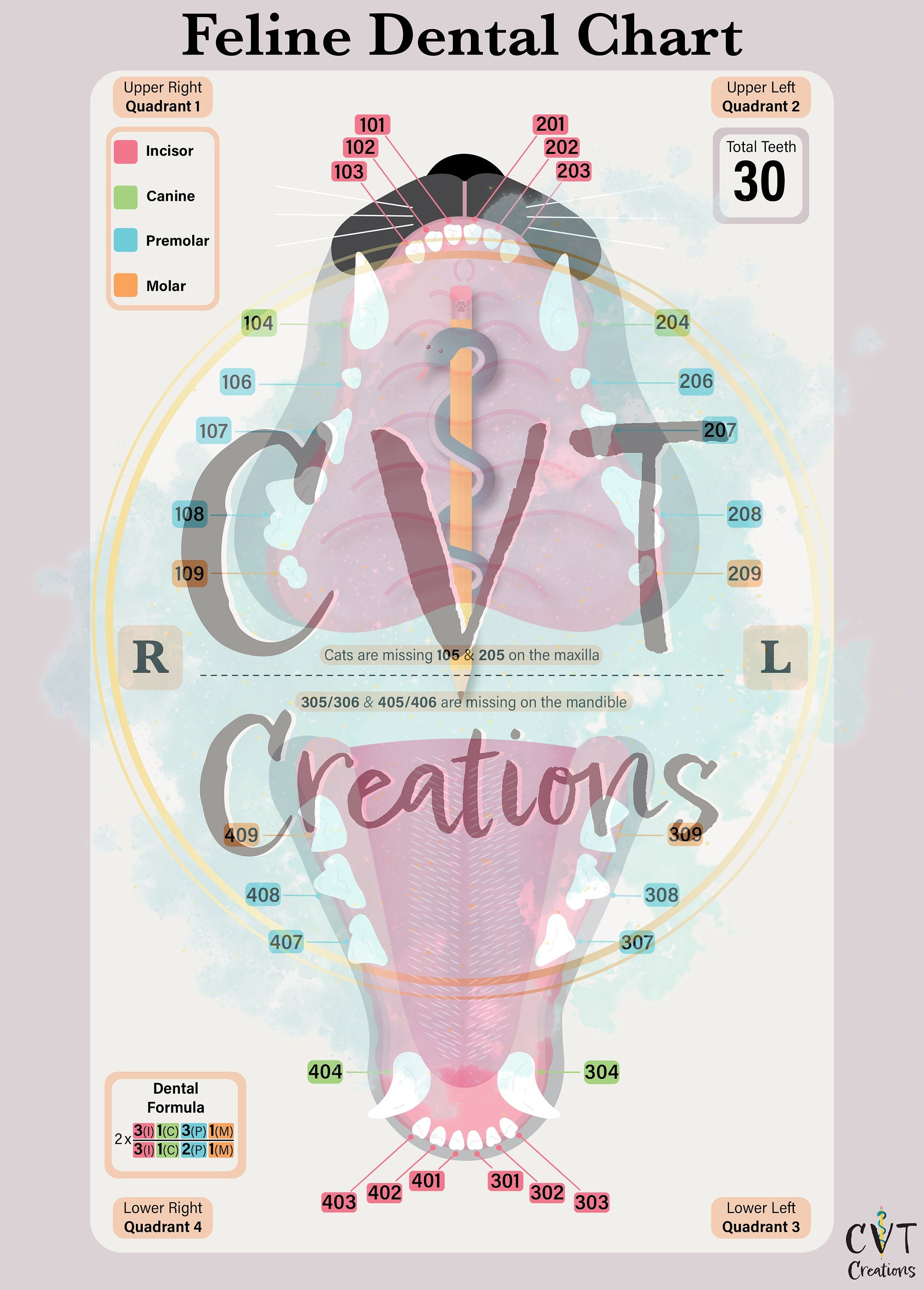
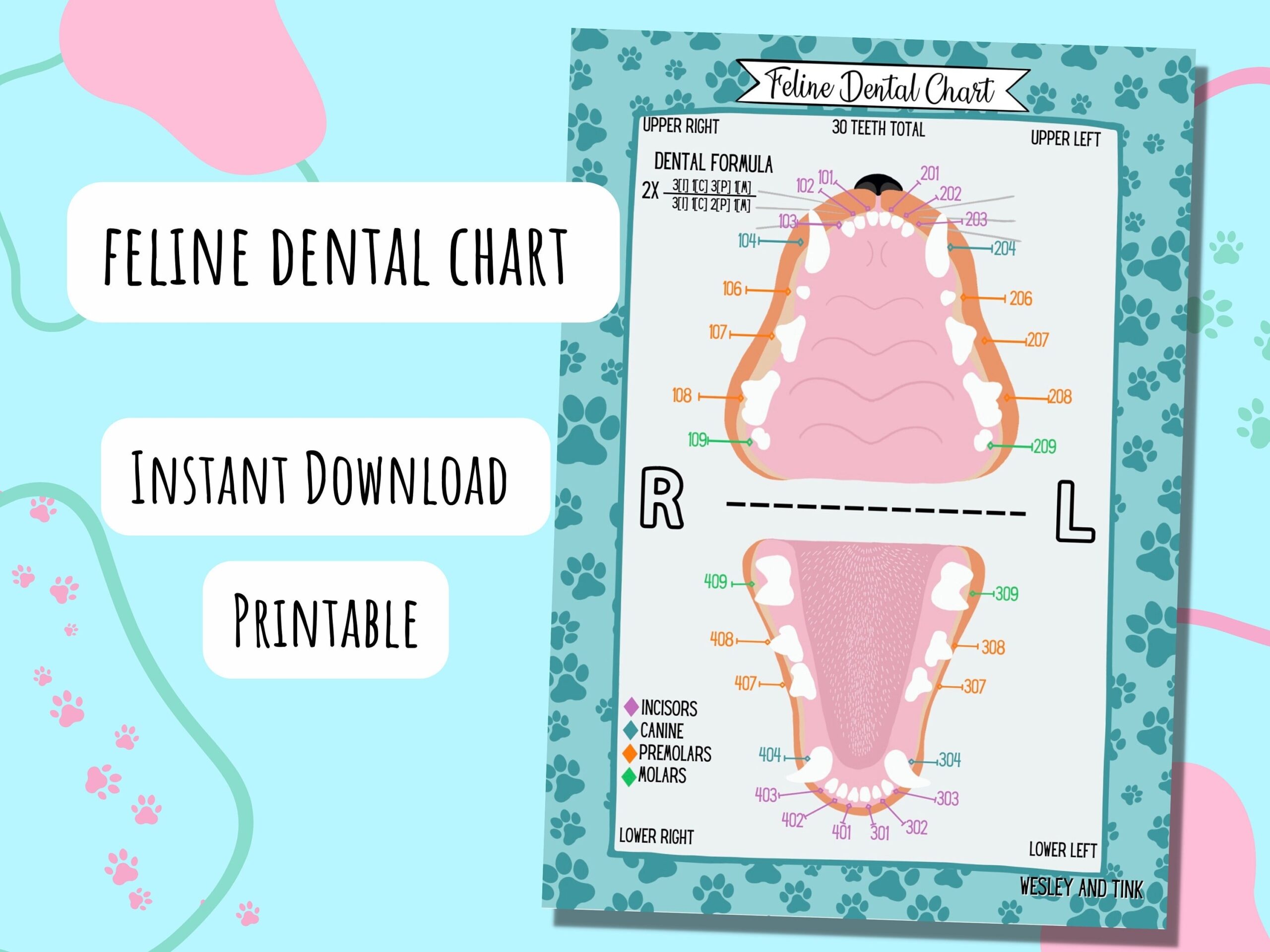
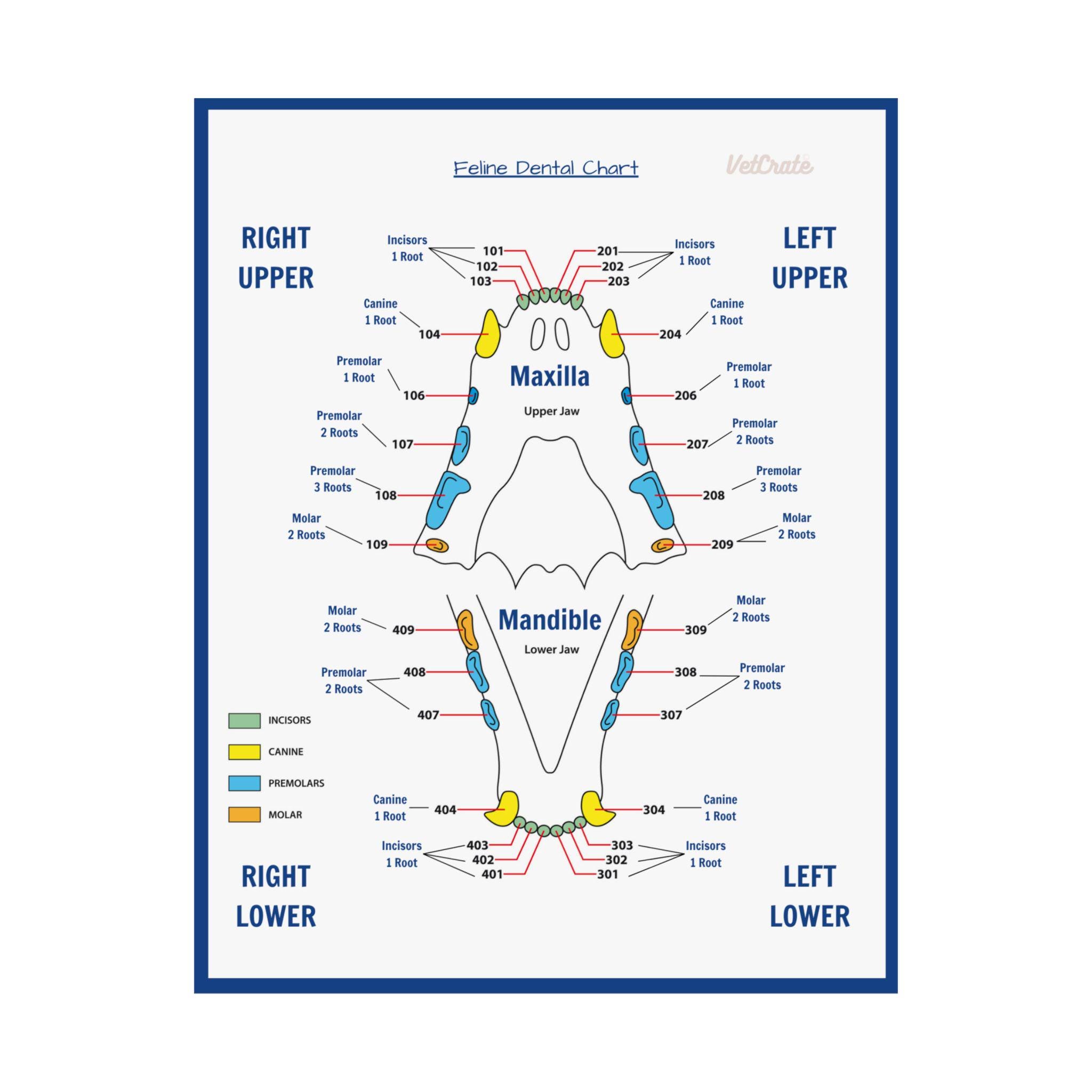
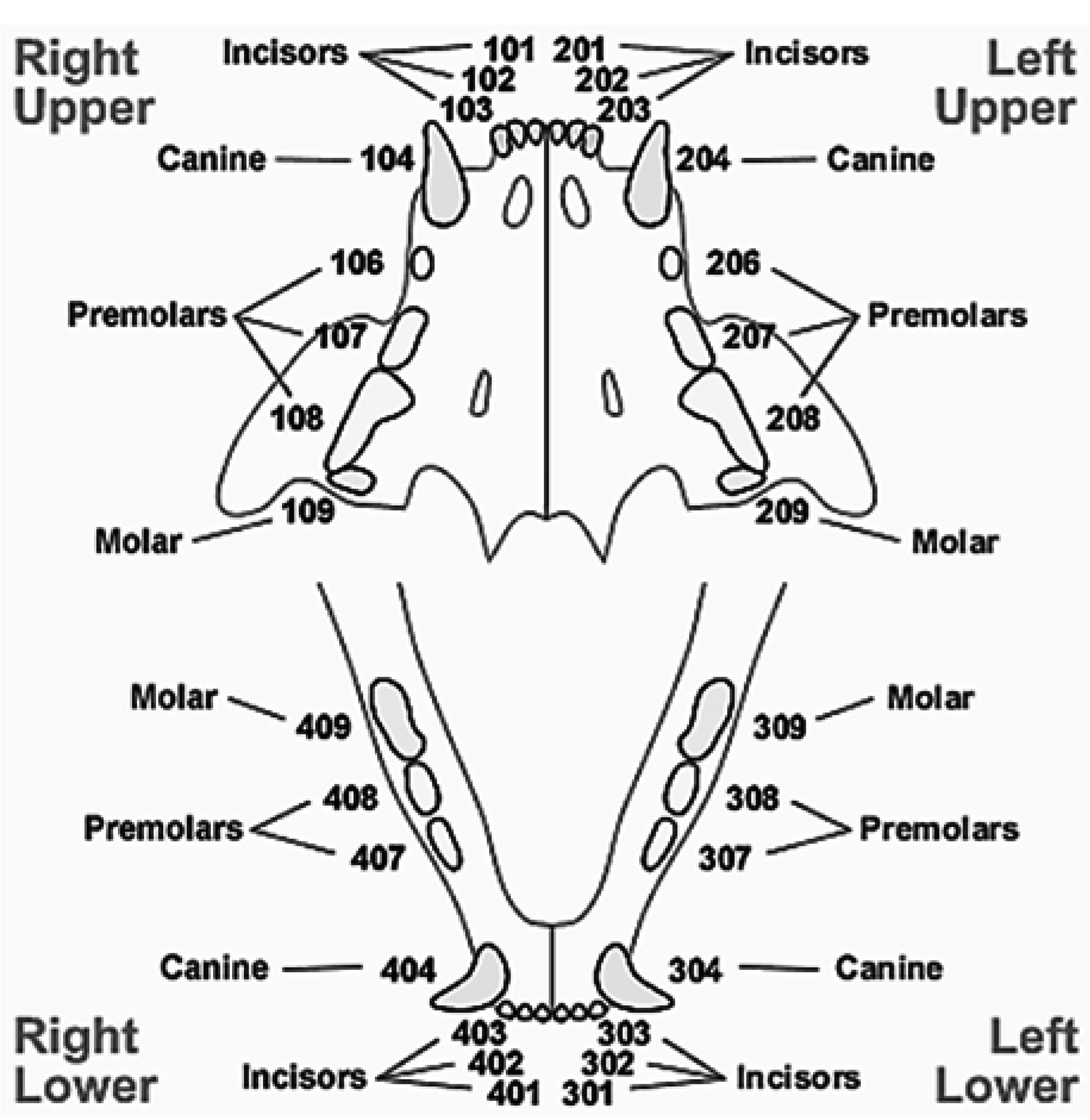
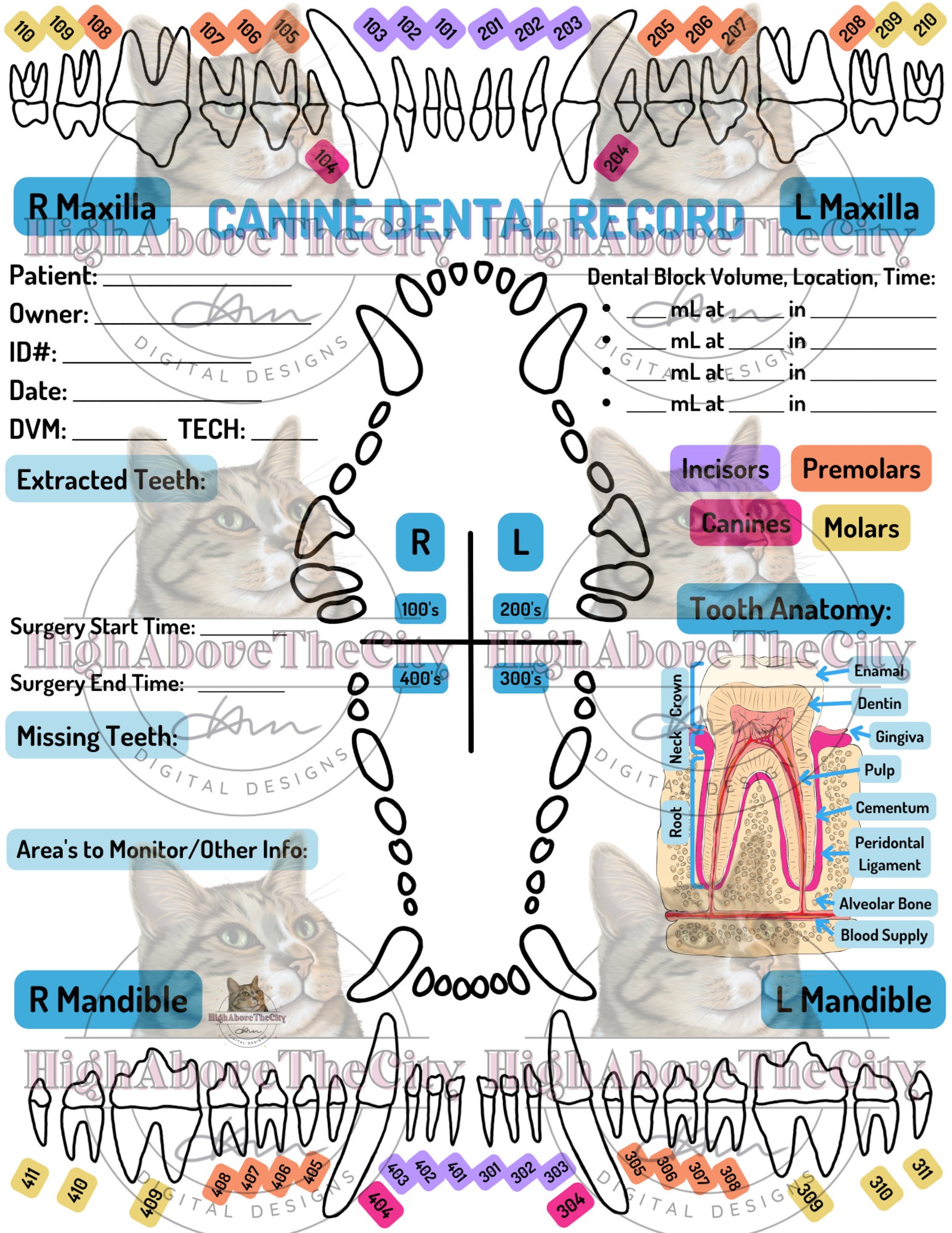
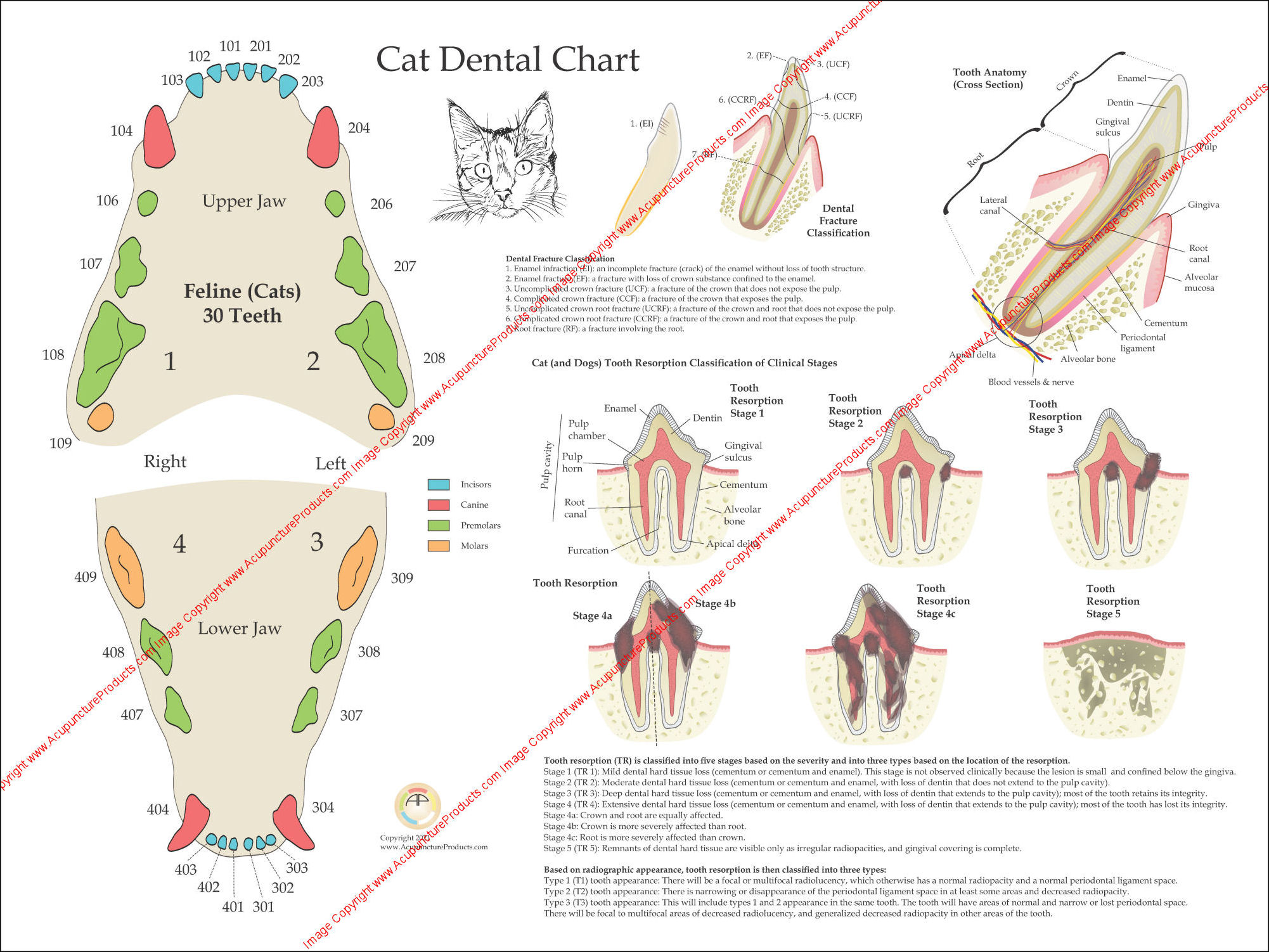
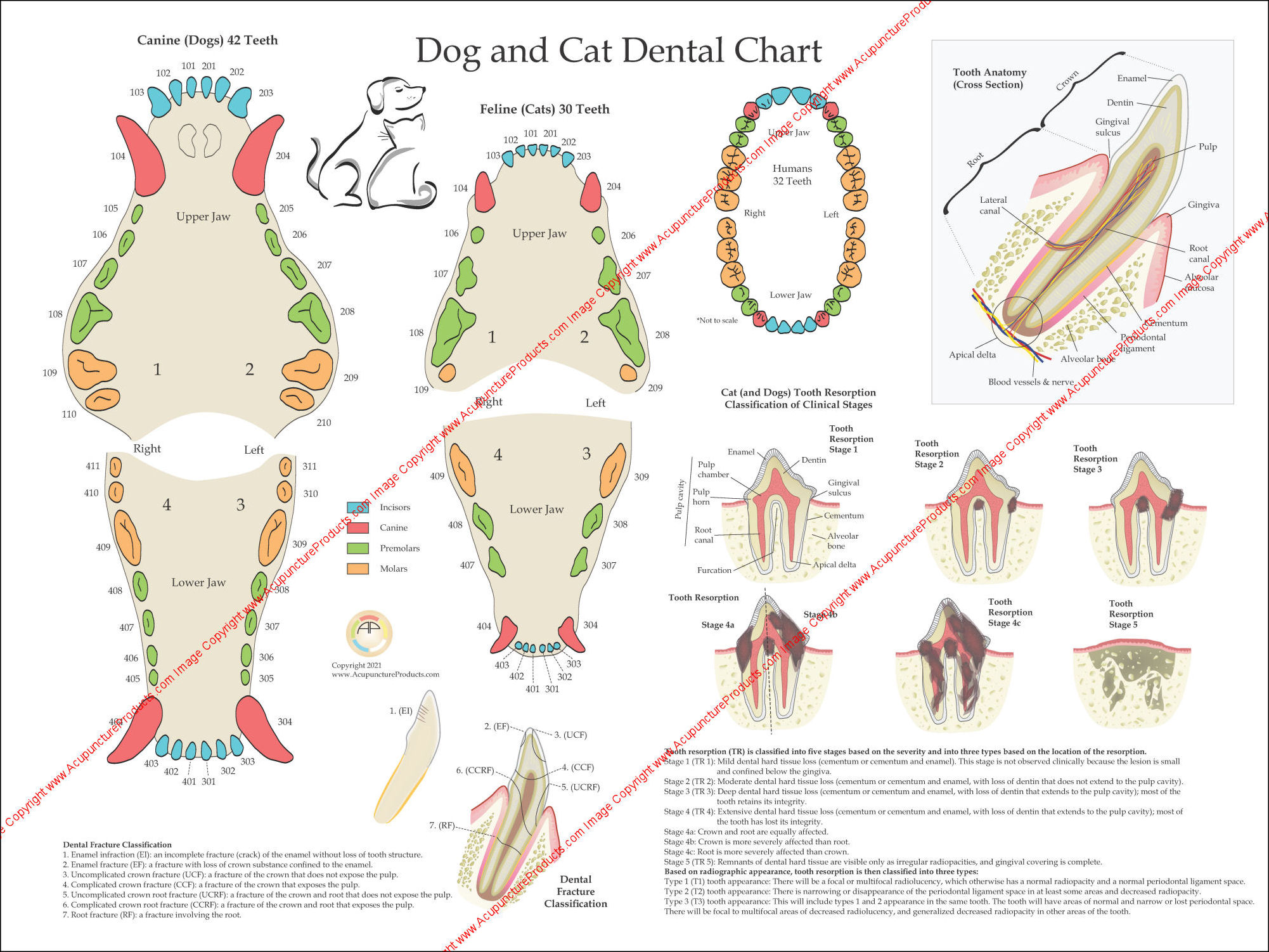
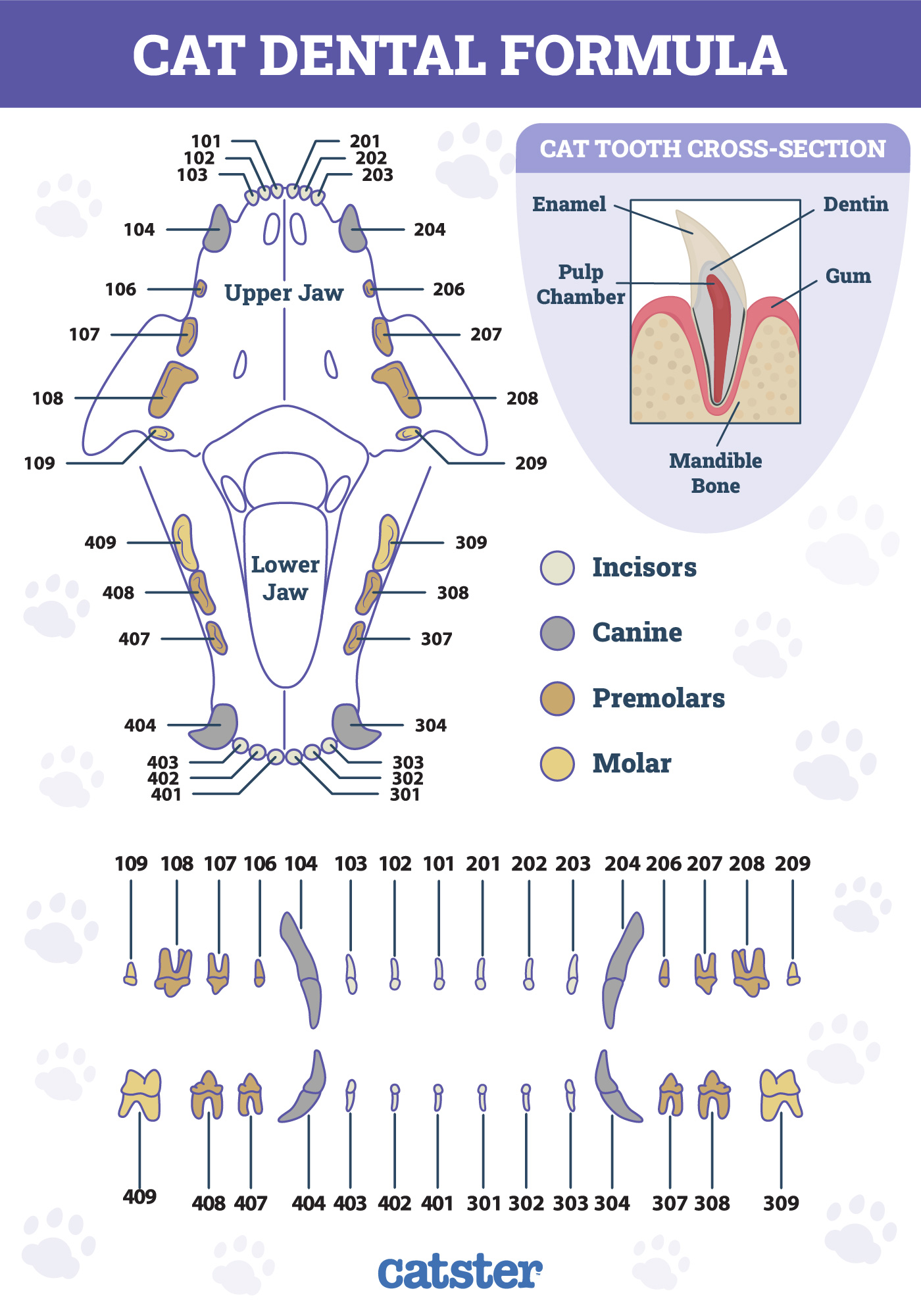
Many cat owners overlook the importance of understanding their pet's dental health, but a cat dental chart is a valuable tool to have in your kitty care arsenal. It's not as scary as it sounds; this chart is a simple, visual guide to help you navigate your cat's teeth and their unique numbering system. While it may seem like a foreign concept, it's an easy-to-use reference, and once you get the hang of it, you'll wonder why you didn't explore it sooner! The chart, often featuring a cat teeth diagram, provides a clear overview of your cat's dental anatomy, and it's worth taking the time to familiarize yourself with it.
Understanding the Cat Dental Chart
The cat dental chart is a handy reference tool for cat owners and veterinary professionals. It provides a visual representation of a cat's teeth, helping you identify and locate specific teeth easily. This chart is like a map, guiding you through your cat's dental anatomy.
Standard Tooth Notation and Formats
The cat dental chart typically follows a consistent format, using a standardized tooth notation system. This system assigns unique codes or numbers to each type of tooth, indicating its position in the cat's mouth. For example, the notation may use a combination of letters and numbers, such as 'I1' for the first incisor or 'PM4' for the fourth premolar. These notations are universal and help ensure consistency across different charts and references.
Step-by-Step Guide to Using the Cat Dental Chart
- Familiarize yourself with the chart's layout. Identify the different sections representing the upper and lower jaws, and note the tooth types and their positions.
- Locate the specific tooth you want to examine or treat. Use the standardized notation to find the correct tooth on the chart.
- Refer to the chart to understand the tooth's characteristics, such as its size, shape, and typical appearance. This can aid in identifying any abnormalities or issues.
- When treating or examining your cat's teeth, refer to the chart to ensure you are working on the correct tooth and following the appropriate procedures.
Avoiding Misreadings and Pitfalls
While the cat dental chart is a valuable tool, it's essential to be aware of potential variations. Different cat breeds may have slight differences in their dental anatomy, so always double-check the specific breed's dental formula if needed. Additionally, ensure you are using the correct chart for your region or standard. For instance, some charts may use different notation systems or measurements, so always refer to the chart's key or legend for clarity. Misreading these details can lead to incorrect assumptions about your cat's dental health.
Hey there, cat lovers! We hope this guide has given you a purr-fect understanding of the cat dental chart and its uses. Remember, while the basics remain the same, there might be slight variations in the details, so always double-check the specific standards or sources you're working with.
Don't forget to bookmark this page for future reference; it'll be a life-saver the next time you need a quick reminder! We've got plenty more practical guides like this one, so feel free to explore and find the purr-fect resources for all your cat-related needs. Meow for now!
Related: A Guide to Reading Banjo Chord Charts
You're probably here because you need a quick reference, a reliable guide to navigate the world of banjo chords. And what better tool than a banjo chord chart? It's a simple yet powerful resource, offering a visual representation of chords and their finger placements. This chart is your go-to companion, especially when you're learning new tunes or exploring different styles. It may vary slightly depending on the source, but the core information remains consistent, making it a handy and accessible tool for any banjo enthusiast.
Understanding the Banjo Chord Chart
The banjo chord chart is your go-to guide for mastering banjo chords. It's a visual representation, often a diagram or table, that simplifies the complex world of banjo music. This chart displays various chords, their finger placements, and sometimes even the corresponding notes and frets. It's an essential tool for banjo players, especially beginners, as it provides a quick reference for mastering chord progressions.
Comparing Chord Chart Formats
There are a few standard formats for banjo chord charts. Some charts use a grid-like structure, showing the banjo's fretboard with dots or numbers indicating finger positions. Others might use a more simplified approach, focusing on the chord shapes and their names. The choice of format often depends on the level of detail required and personal preference. For instance, a beginner might prefer a chart with clear, simple chord shapes, while an advanced player might opt for a more detailed fretboard diagram.
Using the Chart: A Step-by-Step Guide
To use the banjo chord chart effectively, follow these steps:
- Identify the chord you want to play. This is usually indicated by a letter or a chord name.
- Locate the corresponding chord diagram or fretboard chart.
- Place your fingers according to the diagram. Ensure your fingers are correctly positioned on the indicated frets.
- Strum or pluck the strings, and you've played the chord!
Common Misreadings and How to Avoid Them
While banjo chord charts are incredibly useful, there are a few common pitfalls to watch out for:
- Alternative Tunings: If you've altered your banjo's standard tuning, the chord chart might not align perfectly. Always ensure you're using the correct chart for your tuning.
- Open Chords: Some charts might not differentiate between open and barre chords. Open chords often have simpler finger placements, so ensure you understand the difference.
- Fret Placement: Misreading fret numbers is common. Double-check the fret positions, especially for chords with multiple notes.
- String Banjo: Ensure you're using a chart designed for a string banjo, as other types might have different string arrangements.
Remember, practice makes perfect! The banjo chord chart is a tool to guide your learning, but consistent practice is key to mastering these chords.
Hey there, banjo enthusiasts! We've covered a lot of ground with this chart, giving you a handy tool to navigate the world of banjo chords. Remember, the specifics might shift a bit based on your unique context, so always double-check.
Feel free to explore other guides and resources to enhance your banjo-playing skills. And don't forget to bookmark this page for future reference; it'll be a quick and easy way to refresh your memory whenever you need a chord reminder!