

Socks Size Chart Sheet Overview
A tread depth chart is a handy tool for anyone wanting to keep an eye on their tire health. It's a simple yet effective way to visualize and understand the wear and tear of your tires. This guide will show you how to read and interpret these charts, ensuring you can quickly identify when it's time to replace your tires.
The chart provides a clear indication of tire tread depth, often using visual aids or measurements, which can vary depending on the type of vehicle and region. It's an essential reference for keeping your vehicle safe and road-worthy, and we'll cover all you need to know to use it effectively.
Understanding Tread Wear: What's the Deal with Tread Depth Charts?
Tread depth charts are your go-to guides for keeping an eye on your tire's health. They show you the wear and tear of your tires, helping you stay safe and avoid unexpected breakdowns. These charts are like a map, guiding you through the life of your tires.
Comparing the Standards: Metric vs. Imperial
When it comes to tread depth charts, you'll often find two main standards: metric and imperial. The metric system, used internationally, measures tread depth in millimeters (mm). On the other hand, the imperial system, common in the US, uses inches. So, depending on where you are or the manufacturer's specifications, you'll need to know which standard to follow.
Reading Tread Depth: A Step-by-Step Guide
Using a tread depth chart is simple once you know how. Here's a quick guide:
- Find the right chart for your tire's specifications. This could be based on the tire's make, model, or the standard (metric or imperial) it follows.
- Locate the tread wear indicator bars on your tire. These are usually small raised bars across the tread pattern.
- Compare the depth of the tread grooves to the indicator bars. If the tread is level with or below the bars, it's time to consider replacing the tire.
- Check the tread depth chart for the corresponding depth measurement. This will give you an idea of how much tread life is left and whether it meets legal requirements.
Common Tread Depth Issues and How to Avoid Them
While tread depth charts are straightforward, there are a few potential pitfalls to watch out for:
- Tire rotation can affect tread wear patterns. Regularly rotating your tires according to the manufacturer's recommendations will help ensure even wear and a more accurate reading.
- Environmental factors like road conditions and driving habits can also impact tread wear. Be aware of these variables when interpreting your tread depth chart.
- Always double-check the specifications for your specific tire make and model. While tread depth charts provide a general guide, exact tolerances may vary.
Remember, staying on top of your tire's tread depth is crucial for safety and performance. By understanding and correctly using the tread depth chart, you can ensure your tires are always in top shape!
Hey there, tread depth chart enthusiasts! We hope you found this guide helpful and that it sheds some light on this practical reference tool. Remember, the specifics might differ slightly, as there are various standards and formats out there, so it's always good to double-check the source and your particular needs.
Feel free to explore our other guides; we've got plenty of practical tips and tricks to offer. Happy learning, and stay tuned for more!
Related: Understand Boot Width Chart: A Simple Guide
A boot width chart is a valuable tool for anyone seeking precise fit and comfort in their footwear. This guide aims to demystify the chart's purpose and usage, offering a straightforward reference for your boot-buying journey.
The chart provides a standardized way to measure and compare boot widths, often using the "boot last width" or "foot girth" measurements. While values may vary depending on regional standards and brand specifications, understanding this chart is essential for achieving the perfect fit.
Understanding the Boot Width Chart: A Practical Guide
The boot width chart is a valuable tool for anyone seeking to find the perfect fit for their footwear, especially when it comes to boots. This chart provides a standardized way to understand and compare the width of different boots, ensuring a comfortable and secure fit. Let's delve into the details of this chart and how it can assist you in your footwear choices.
Comparing Boot Width Standards and Formats
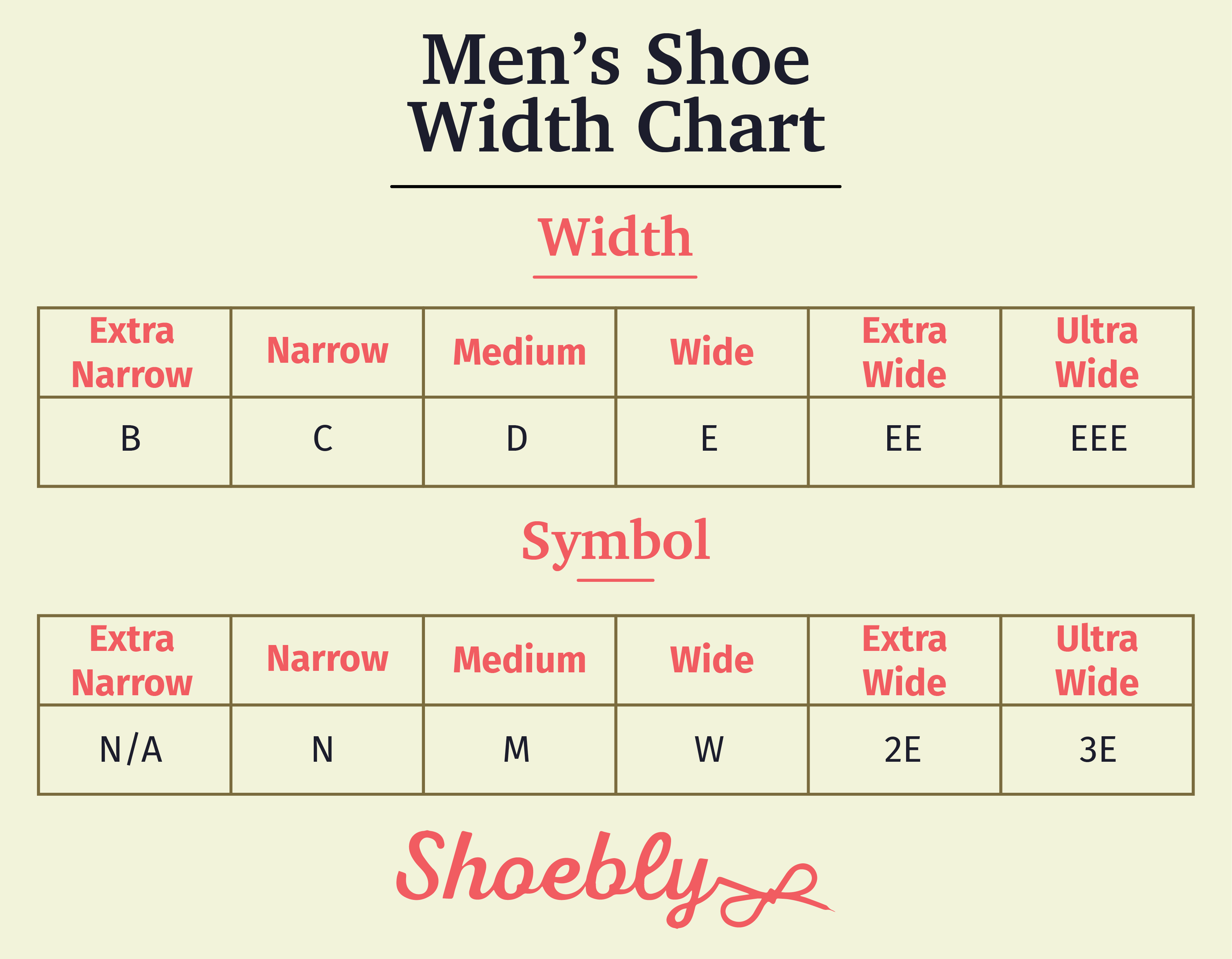
Boot width charts typically follow specific standards and formats to ensure consistency. The most common standard is the boot last width, which refers to the width of the foot's shape used as a mold for boot construction. This width is measured at the ball of the foot, the widest part, and is a crucial reference point. The chart categorizes boot widths into different standard shoe width categories, such as narrow, medium, wide, and extra-wide, making it easier to find the right fit.
Step-by-Step Guide to Using the Boot Width Chart
Using the boot width chart is a straightforward process:
Measure your foot width: Use a reliable measuring tool or visit a footwear store where professionals can assist you. Measure the width of your foot at the ball, ensuring an accurate representation of your foot's girth.
Refer to the chart: Locate the standard shoe width category that matches your foot width measurement. The chart will provide a range of boot widths that are suitable for your foot.
Choose the right boot: With the width category in mind, browse through boot options. Look for boots labeled with the corresponding width or those that fall within the recommended range. This ensures a comfortable and secure fit, preventing issues like blisters or discomfort.
Consider personal preferences: While the chart provides a great starting point, personal comfort and style preferences also play a role. Some individuals may prefer a slightly looser or tighter fit, depending on their activities and foot shape.
Common Misreadings and How to Avoid Them
One common mistake is assuming that all boots within a standard shoe width category will fit identically. In reality, boot widths can vary slightly between brands and models. It's essential to try on boots and assess the fit personally, especially if you're between sizes or have unique foot characteristics. Additionally, remember that the boot width chart provides a general guide; individual foot shapes and preferences may require slight adjustments.
Factors Affecting Boot Width Accuracy
Several factors can influence the accuracy of the boot width chart and the overall fit of boots:
Foot shape: The natural shape of your foot, including its arch and instep, can impact the width required for a comfortable fit.
Brand and model variations: Different boot manufacturers and models may have slight variations in their width measurements, even within the same standard shoe width category.
Material and construction: The materials used and the boot's construction technique can affect the overall fit and stretchability of the boot.
Personal comfort preferences: While the chart provides a guide, individual comfort levels and preferences can vary, influencing the perceived fit.
Choosing the Right Boot Width Chart for Your Needs
When selecting a boot width chart, consider your specific requirements:
Region and standards: Ensure the chart follows the relevant standards for your region, whether it's the US or international metric standards.
Activity and purpose: Different activities, such as hiking, skiing, or casual wear, may require varying levels of comfort and support, influencing the width you choose.
Brand and model variations: Some brands may offer their width charts or provide specific width recommendations for their models. Refer to these charts for a more precise fit.
Maintaining Reliable Reference and Setup
To ensure consistent and accurate use of the boot width chart, consider the following:
Regularly update your foot measurements: As your feet may change over time, especially with age or weight fluctuations, it's beneficial to re-measure your foot width periodically.
Keep a record: Maintain a record of your foot measurements and the corresponding standard shoe width category. This record will help you quickly reference your size when shopping for boots.
Try on boots: While the chart is a great guide, always try on boots to ensure a comfortable fit. Trust your personal comfort and the feel of the boot on your foot.
By understanding and utilizing the boot width chart, you can make informed decisions when choosing boots, ensuring a perfect fit and a pleasant footwear experience. Remember, a well-fitted boot is key to comfort and performance, so take the time to find the right width for your unique feet.
Well, there you have it! A comprehensive guide to boot width charts, covering all the essential aspects. Remember, when it comes to practical tools like these, context is key. Ensure you consider your unique requirements and environment before making any final decisions.
Feel free to explore our other guides and resources; we've got a range of practical topics covered to help you on your path to becoming an expert. Happy reading, and here's to finding the perfect fit!
Related: Understand Wrist Size Chart: A Quick Guide
You're probably here because you need a quick answer, and the wrist size chart is a handy tool for just that. It's a simple yet effective way to get accurate measurements, whether you're sizing up for a new watch or jewelry. This chart, a sizing guide, provides a reliable reference, and it's worth noting that the values may vary slightly depending on your region or the brand's standards.
Understanding the Wrist Size Chart
A wrist size chart is a handy tool that helps you determine the right size for various accessories like watches, bracelets, and even medical equipment. It's a simple yet effective guide, often presented as a table or diagram, that provides a quick reference for wrist measurements.
Key Details and Units
The wrist size chart typically includes two main columns: wrist circumference and corresponding size categories. The wrist circumference is measured in centimeters (cm) or inches, depending on the standard being used. You'll find a range of values, usually from around 12 cm to 22 cm, with each value representing a specific wrist size. Alongside these measurements, you'll see size categories, often labeled with letters or numbers, which indicate the appropriate accessory size.
How to Read and Apply the Chart
Using the wrist size chart is straightforward:
Measure your wrist circumference. This is done by wrapping a flexible tape measure around your wrist at the point where you'd wear a watch or bracelet. Ensure the tape is snug but not too tight.
Locate your measurement on the chart. Find the value that matches your wrist circumference.
Determine your size category. The chart will provide a letter or number corresponding to your measurement. This is your size category.
Select the right accessory. When shopping for watches, bracelets, or other wrist-worn items, refer to the size category you've identified. Most manufacturers will provide a size guide, ensuring you choose the perfect fit.
Variations and Differences
It's important to note that wrist size charts may vary slightly depending on the standard or region. Some charts might use different units of measurement, like millimeters (mm) or even a combination of cm and inches. Additionally, certain manufacturers or brands might have their own unique sizing systems, so always double-check the specific guidelines provided by the brand you're interested in.
Common Mistakes and How to Avoid Them
When using a wrist size chart, one common mistake is measuring your wrist incorrectly. Ensure you follow the instructions precisely to get an accurate reading. Another pitfall is assuming all charts are universal. Always check the units and standards used on the chart to ensure it aligns with your needs. Additionally, be aware that some accessories, like medical equipment, might require more precise measurements, so always refer to the specific guidelines provided. Finally, remember that wrist sizes can change slightly throughout the day due to factors like temperature and activity levels, so consider measuring at different times for the most accurate result.
Hey there! I hope this guide has been helpful in understanding wrist size charts and their practical use. Remember, while the basics remain the same, exact values can vary, so always double-check your source.
Don't forget to bookmark this page for future reference. It's a handy tool to have at your fingertips, and you never know when you might need to measure a wrist or two!