

Socks Size Chart Template Overview
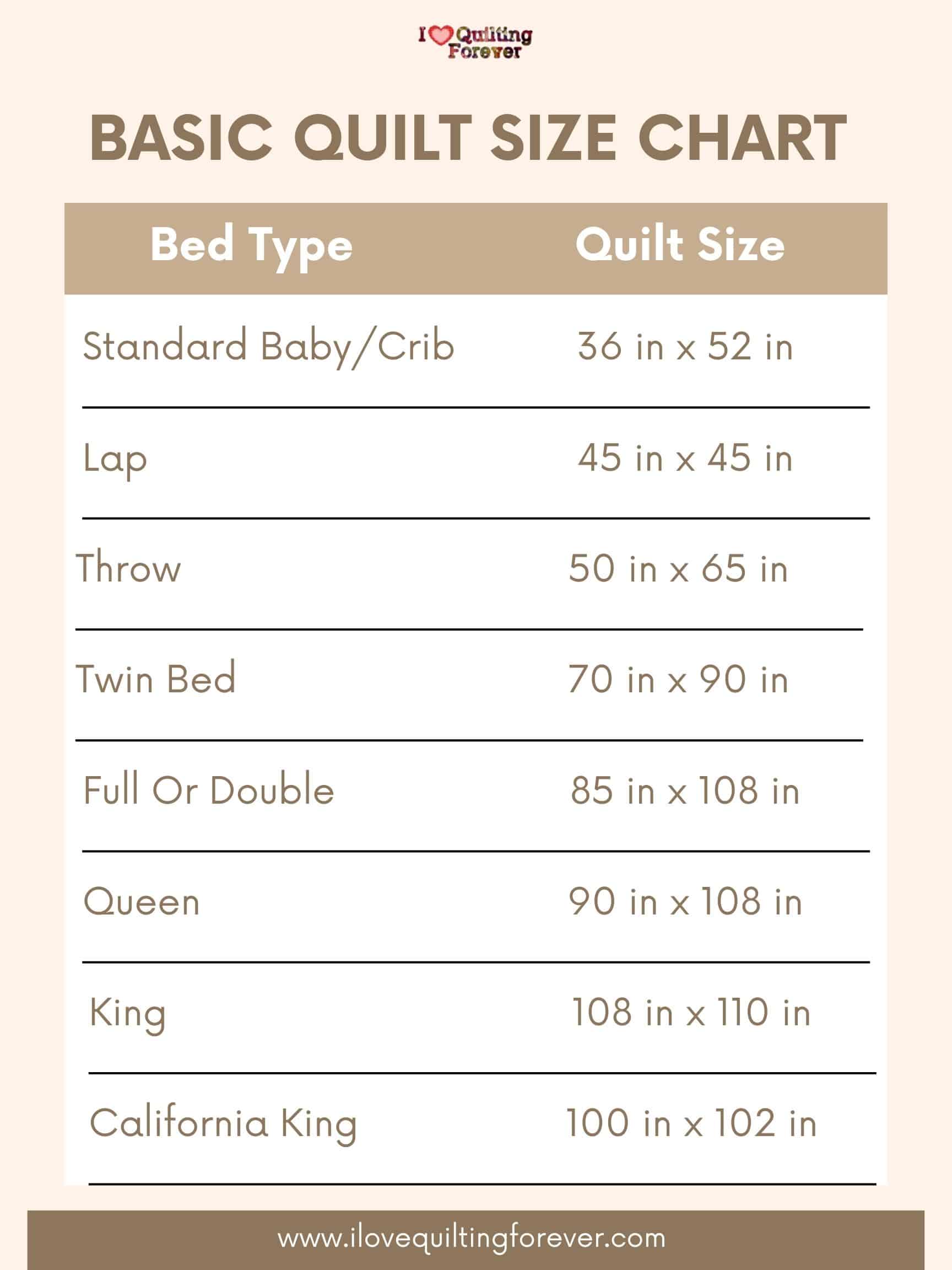
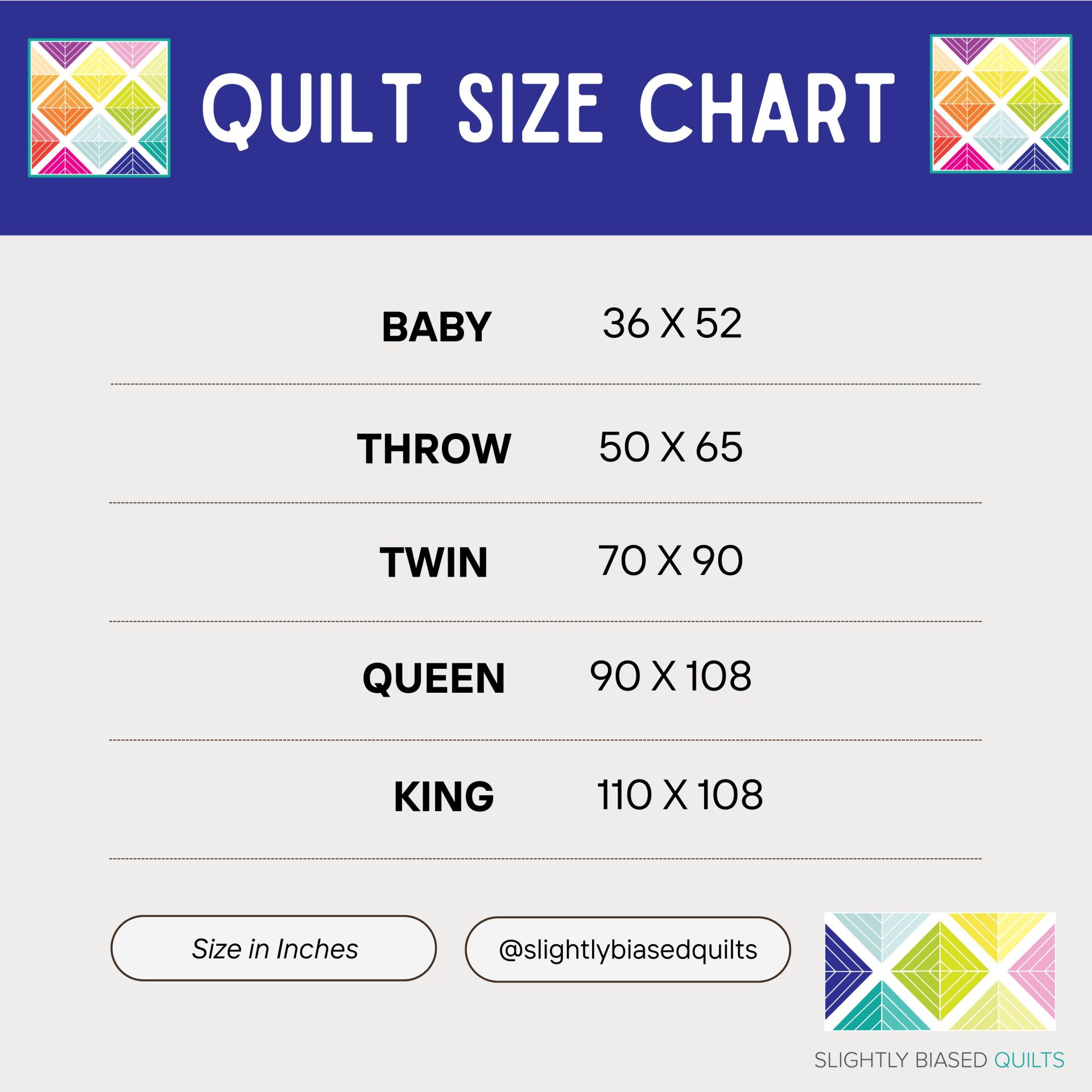
A quilt size chart is a handy tool for quilters and crafters, offering a quick guide to standard quilt dimensions. This simple reference ensures your projects turn out perfectly sized, every time.
The chart covers a range of common quilt sizes, from crib quilts to king-size creations. It's a useful resource, especially when you're working with different quilt patterns and want consistent results. Keep in mind that quilt sizes can vary slightly between regions and standards, so it's a good idea to check the chart's source for any specific details.
Quilt Size Chart: A Guide to Standard Sizes
Quilt size charts are a handy tool for quilters and crafters, providing a quick reference for the standard dimensions of quilts. These charts offer a practical guide to ensure your quilts fit the intended purpose, whether it's a cozy bed cover or a baby crib quilt. Let's dive into understanding this chart and how to use it effectively.
Key Details and Units
The quilt size chart typically includes a range of common quilt sizes, from crib quilts to king-size bed quilts. It provides the length and width measurements in inches, which are standard units for quilt sizes. Some charts may also include metric measurements for international use. The chart categories often cover crib, twin, full, queen, and king sizes, along with their respective dimensions.
Reading the Chart: A Step-by-Step Guide
Using the quilt size chart is straightforward. First, identify the purpose of your quilt. Are you making a baby quilt, a bed cover, or a unique size for a specific project? Once you know the intended use, locate the corresponding category on the chart. For instance, if you're making a queen-size bed quilt, find the "Queen" category. The chart will provide the recommended length and width measurements for that size. Simply follow these dimensions when cutting and assembling your quilt top, backing, and batting.
Variations and Differences
While the quilt size chart offers standard measurements, variations can occur due to different standards and contexts. For example, some regions may use metric measurements, leading to slight differences in dimensions. Additionally, quilt sizes can vary based on the intended use. A crib quilt for a baby might have different dimensions compared to a decorative wall hanging quilt. It's essential to consider the purpose and any specific requirements when using the chart.
Common Mistakes and How to Avoid Them
One common mistake is assuming that all quilts must adhere strictly to the chart's measurements. Remember, the quilt size chart provides guidelines, but your personal preferences and the project's needs may vary. Another mistake is overlooking the intended use. Always consider whether you're making a bed quilt, a throw, or a unique size for a specific purpose. Misinterpreting the chart's categories can also lead to errors. Ensure you understand the difference between crib, twin, and other sizes before selecting your measurements.
Practical Tips for Accurate Sizing
To ensure accurate sizing, double-check the specific requirements for your project. If you're making a quilt for a bed, measure the bed's dimensions and consider the desired overhang. For unique projects, measure the intended space and adjust the quilt size accordingly. It's also beneficial to have a basic understanding of fabric widths and yardage requirements. This knowledge will help you calculate the fabric needed for your quilt size accurately. Lastly, consider the quilt's purpose and any personal preferences for thickness or design elements that might impact the overall size.
By following these practical tips and understanding the quilt size chart, you'll be well-equipped to create quilts that fit perfectly for their intended use. Happy quilting!
Hey there, quilter! Now that we've covered the ins and outs of quilt sizes, remember that these details can shift a bit depending on your specific project and the resources you're using. So, keep an eye out for any variations and adapt as needed.
If you're new to quilting or just want a handy reference guide, be sure to bookmark this page for future use. It's a great way to ensure your quilts turn out perfectly sized every time!
Related: How to Use the Helmet Size Chart
Many folks assume that a helmet size chart is a one-size-fits-all guide, but that's not always the case! While it's a handy tool, it's important to understand that these charts can vary and are tailored to specific standards and brands.
So, when you're measuring for a new helmet, whether it's for biking, skiing, or any other adventure, remember that the helmet size chart is your friend, but it's just one part of the sizing process. You'll want to ensure an accurate head circumference measurement and consult a helmet size guide or fitting guide for the best results.
Understanding Helmet Size Charts
Helmet size charts are your go-to guide for ensuring a perfect fit. They're like a map, showing you the different sizes and helping you find the right one for your head. These charts are essential for anyone looking to buy a helmet, be it for cycling, skiing, or any other activity.
Key Details and Categories
The helmet size chart typically includes two main measurements: head circumference and helmet size. Head circumference is the key measurement, often given in inches or centimeters, and it's a crucial factor in finding the right fit. Helmet sizes, on the other hand, can vary depending on the standard and the type of helmet. Some charts may use letters (e.g., S, M, L) or numerical ranges to represent sizes.
Reading and Applying the Chart
Using a helmet size chart is straightforward. Here's a step-by-step guide:
- Measure your head circumference. Wrap a flexible tape measure around the widest part of your head, just above your eyebrows and ears. Ensure it's not too tight or too loose.
- Refer to the chart and locate your head circumference measurement. This will give you a range of helmet sizes that should fit you.
- Try on helmets within this size range. Adjust the helmet's fit system (if available) to achieve a snug, comfortable fit.
- Ensure the helmet sits level on your head, covering your forehead and not tilting back. It should feel secure without excessive pressure.
Variations and Differences
Variations in helmet size charts can arise due to different standards and manufacturers. Here are some key factors to consider:
- Measurement Units: Some charts use inches, while others use centimeters. Always check the units to ensure accurate readings.
- International Standards: Different countries may have their own sizing standards. For example, the US and Europe might use different size ranges.
- Helmet Type: The chart may vary based on the helmet's purpose. A cycling helmet size chart might differ from a motorcycle helmet chart.
- Manufacturer Preferences: Some brands might have slightly different sizing guidelines, so always refer to their specific charts.
Common Mistakes and How to Avoid Them
When using a helmet size guide, avoid these common pitfalls:
- Wrong Measurement: Ensure you measure your head accurately. A slight difference can lead to an ill-fitting helmet.
- Assuming Sizes are Universal: Don't assume that all helmets of the same size will fit the same. Always refer to the specific chart for each helmet.
- Neglecting Comfort: A helmet should feel comfortable and secure. Don't sacrifice comfort for a "close enough" fit.
Practical Tips for Accurate Results
To ensure you get the perfect fit, consider these tips:
- Measure your head circumference multiple times to ensure consistency.
- If you're between sizes, opt for the larger size to allow for a comfortable fit.
- Try on helmets in-store if possible, as this gives you a better idea of the fit and comfort.
- Consider the shape of your head. Some helmets are designed for specific head shapes, so pay attention to this detail.
Double-Checking and Handling Exceptions
While helmet size charts are a great guide, there are some cases where you might need to double-check:
- If you have an unusually shaped head, consult an expert or a professional fitter.
- For custom-fit helmets, the manufacturer's guidelines should be followed precisely.
- In cases of extreme head sizes (very large or very small), specialized helmets might be required. Always check with experts or medical professionals in such cases.
Remember, a properly fitted helmet is crucial for your safety and comfort. Take the time to understand and utilize the helmet size chart effectively.
Well, there you have it! A helmet size chart is a handy tool to ensure a perfect fit, and it's important to understand the basics and know the potential variations.
Remember, while this guide offers a solid framework, every situation is unique. So, take a moment to consider your specific needs and requirements. Whether it's for cycling, skiing, or any other activity, ensure you're aware of any unique standards or guidelines that may apply. With that in mind, you're all set to measure and find the perfect helmet size!
Consider bookmarking this page for future reference; it's always good to have a quick and easy reminder when you need it. Happy measuring, and stay safe out there!
Related: What's the Right Socket Size Chart for Your Needs?
A common mistake when dealing with socket size charts is assuming they are universal. While these charts are incredibly useful, it's important to understand that they can vary depending on your location and the specific standards you're working with.
So, when you're tackling a project, whether it's a simple home repair or a more complex task, referring to the right socket size chart is key. These charts provide a quick and accurate way to identify the right tool for the job, ensuring you don't end up with a metric socket when you need an imperial one!
Understanding Socket Size Charts
Socket size charts are your practical guides to choosing the right socket for the job. They provide a clear, visual reference for different socket sizes, helping you select the correct tool for your needs.
Key Details and Units
These charts typically display socket sizes in either metric or imperial measurements, depending on the standard being used. The metric system is widely adopted internationally, while the imperial system is more common in certain regions like the United States. The chart will list socket sizes in these units, often in millimeters (mm) or inches (in).
Reading the Chart: A Step-by-Step Guide
- Identify the measurement system: Determine whether your chart uses metric or imperial measurements. This is crucial as it affects the size categories and conversions.
- Locate the size category: Look for the specific size you need. Socket size charts often list sizes in ascending or descending order, making it easy to find the right one.
- Note the dimensions: The chart will provide the inner and outer dimensions of the socket. These are critical for ensuring a proper fit with your fastener or tool.
- Consider the drive size: Socket size charts may also include information about the drive size, which is the size of the square hole in the socket that fits onto a ratchet or breaker bar. Ensure this matches your tool.
Variations and Differences
Socket size charts can vary depending on several factors:
- Measurement System: As mentioned, the metric and imperial systems have different units and size categories.
- Standard Organizations: Different organizations or regions may have their own standards and specifications, leading to variations in socket sizes.
- Manufacturer Preferences: Some manufacturers may use slightly different sizes or designs, especially for specialty sockets.
- Tool Type: Sockets designed for specific tools, like impact wrenches, may have unique dimensions.
Common Mistakes and How to Avoid Them
- Mixing Measurement Systems: Always ensure you're using the correct system (metric or imperial) to avoid mismatched sizes.
- Assuming Standard Sizes: Don't assume all sockets follow the same standard. Double-check the exact specifications, especially for specialty sockets or tools.
- Neglecting Drive Size: The drive size is crucial for a proper fit with your ratchet or bar. Always check this specification.
- Forgetting Tolerances: Sockets have tolerance ranges. Ensure your fastener falls within the socket's tolerance range for a secure fit.
Remember, while socket size charts are invaluable tools, they are just guides. Always refer to the specific tool's or manufacturer's instructions for exact specifications.
Hey there, I hope this socket size chart has been a handy reference for you! Remember, while these charts provide a solid framework, the exact details can vary slightly depending on the specific context or standard you're working with. It's always a good idea to double-check the relevant specs for your project.
Feel free to explore our other guides on similar topics. We've got a whole collection of practical resources to help you tackle various DIY and technical challenges. Happy learning and keep those tools organized!