




Sonic The Hedgehog Free Coloring Pages Overview
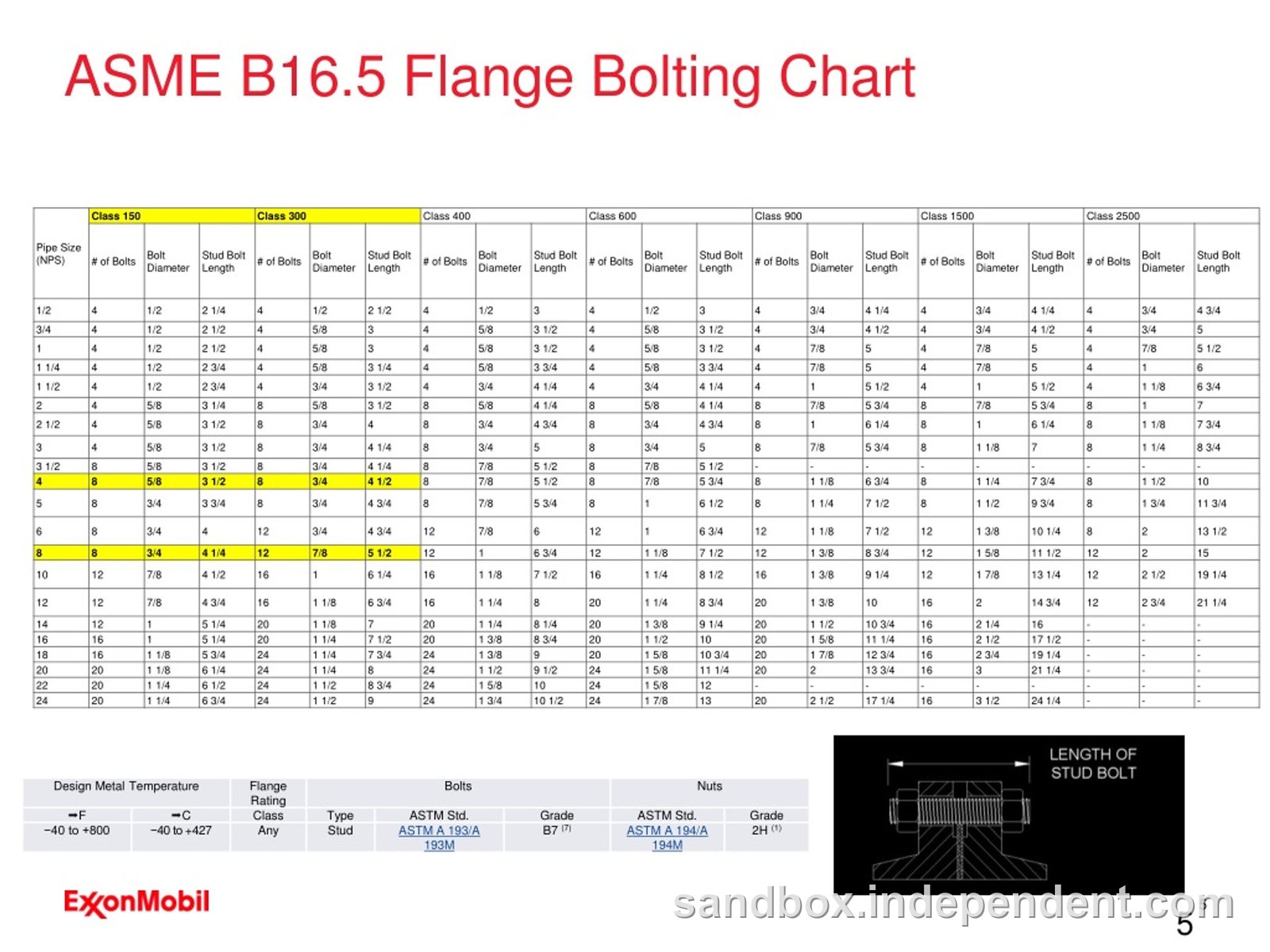
Many people approach the bit size chart with some confusion, often mistaking it for a complex and intimidating tool. In reality, it is a simple and incredibly useful reference guide, designed to provide clarity and precision. This chart, a trusted companion for many, offers a straightforward way to determine and compare various bit sizes, be it for drill bits, screws, or other applications. While the values and formats may vary depending on the context, the bit size chart remains a reliable starting point, ensuring you choose the right size for your specific needs.
Understanding the Bit Size Chart
The bit size chart is a practical tool that provides a visual reference for various bit sizes used in drilling and fastening applications. It offers a quick and easy way to identify and select the appropriate bit for your project, ensuring precision and efficiency.
Key Details and Categories
The chart typically includes two main categories: fractional and metric bit sizes. Fractional sizes are commonly used in the US and are expressed in fractions of an inch, such as 1/4" or 3/8". Metric sizes, on the other hand, use millimeters and are more prevalent internationally. These categories further break down into specific sizes, each with its unique measurements and applications.
Reading the Measurements: A Step-by-Step Guide
- Identify the Type: Determine whether you need a fractional or metric bit size. This depends on your location and the standard used in your region.
- Locate the Chart: Find a reliable bit size chart that covers both fractional and metric sizes. Ensure it includes the specific range of sizes you require.
- Match the Size: Compare the size of the fastener or hole you are working with to the chart. Look for the closest match, keeping in mind that some sizes may have slight variations.
- Select the Bit: Once you've identified the size, choose the corresponding bit from your collection or purchase one if needed. Ensure it is designed for the material you are working with, such as wood, metal, or concrete.
- Double-Check: Always verify the bit size with the actual fastener or hole to avoid errors.
Common Size Variations and Their Causes
Size variations can occur due to several factors:
- Screw Head Size: Different screw head types, like Phillips or flat head, may require specific bit sizes.
- Material: The hardness and type of material can influence the bit size needed. For instance, drilling into hardwood may require a different bit than for softwood.
- Standard Screw Sizes: While the bit size chart covers a wide range, some projects may use non-standard screw sizes, requiring additional research or custom bits.
- Drill Bit Conversion: In cases where you need to convert between fractional and metric sizes, a drill bit conversion chart can be helpful.
- Tolerances: Manufacturing tolerances can lead to slight variations in bit sizes, so always refer to the specific tolerances for your application.
- Bit Size for Wood Screws: When working with wood screws, the chart may provide guidance, but it's essential to consider the screw's thread pitch and material.
So, with your new understanding of bit sizes and their applications, you're well-equipped to tackle any project that comes your way. Remember, while this guide provides a solid foundation, it's always wise to verify the specific requirements for your task, as exact values may differ slightly across standards.
Feel free to explore our other resources on the site; we've got plenty of practical guides to enhance your skills and knowledge. Happy learning, and keep those projects rolling!
Related: How to Read the "ir verb chart" Easily?
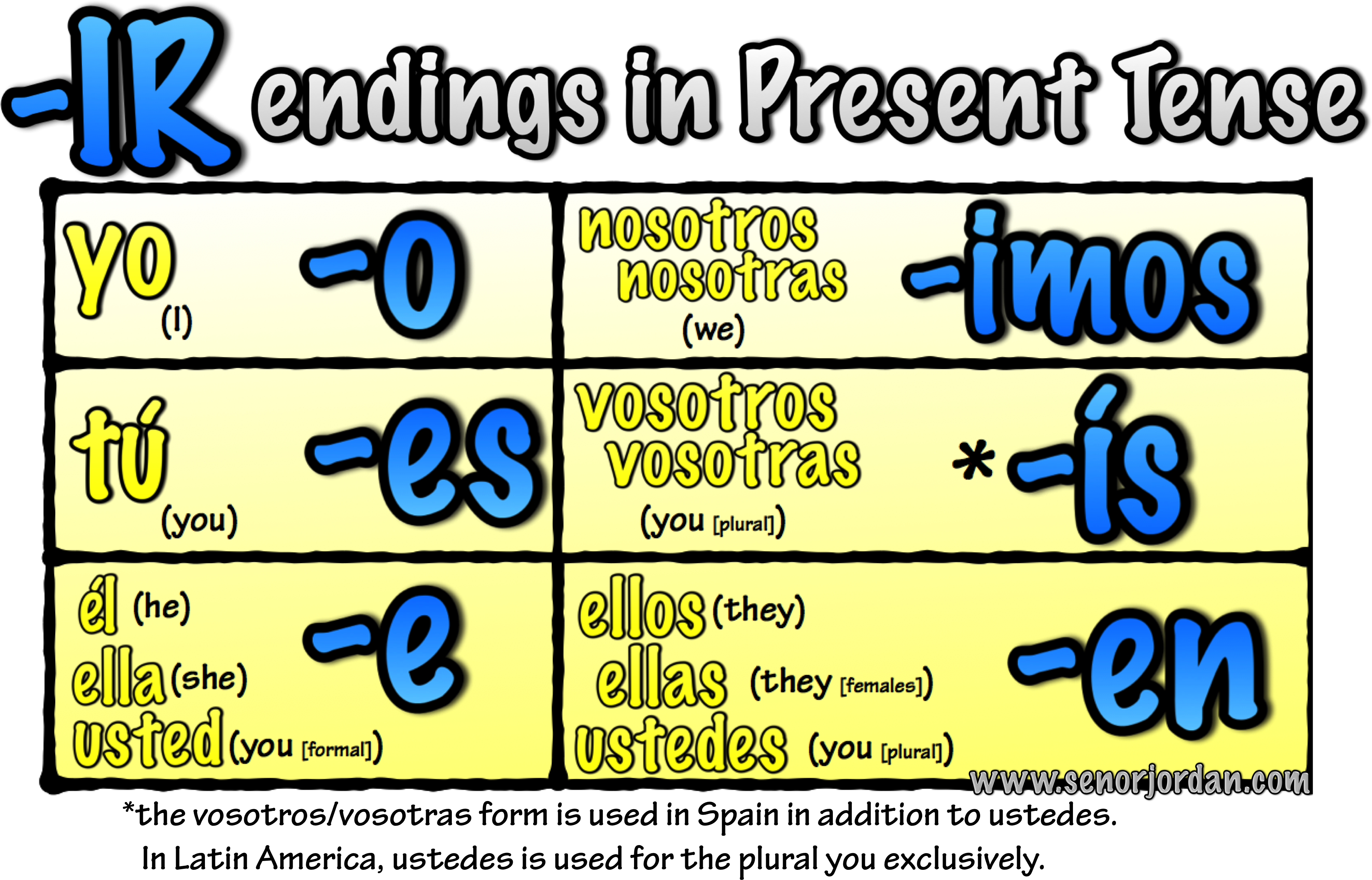
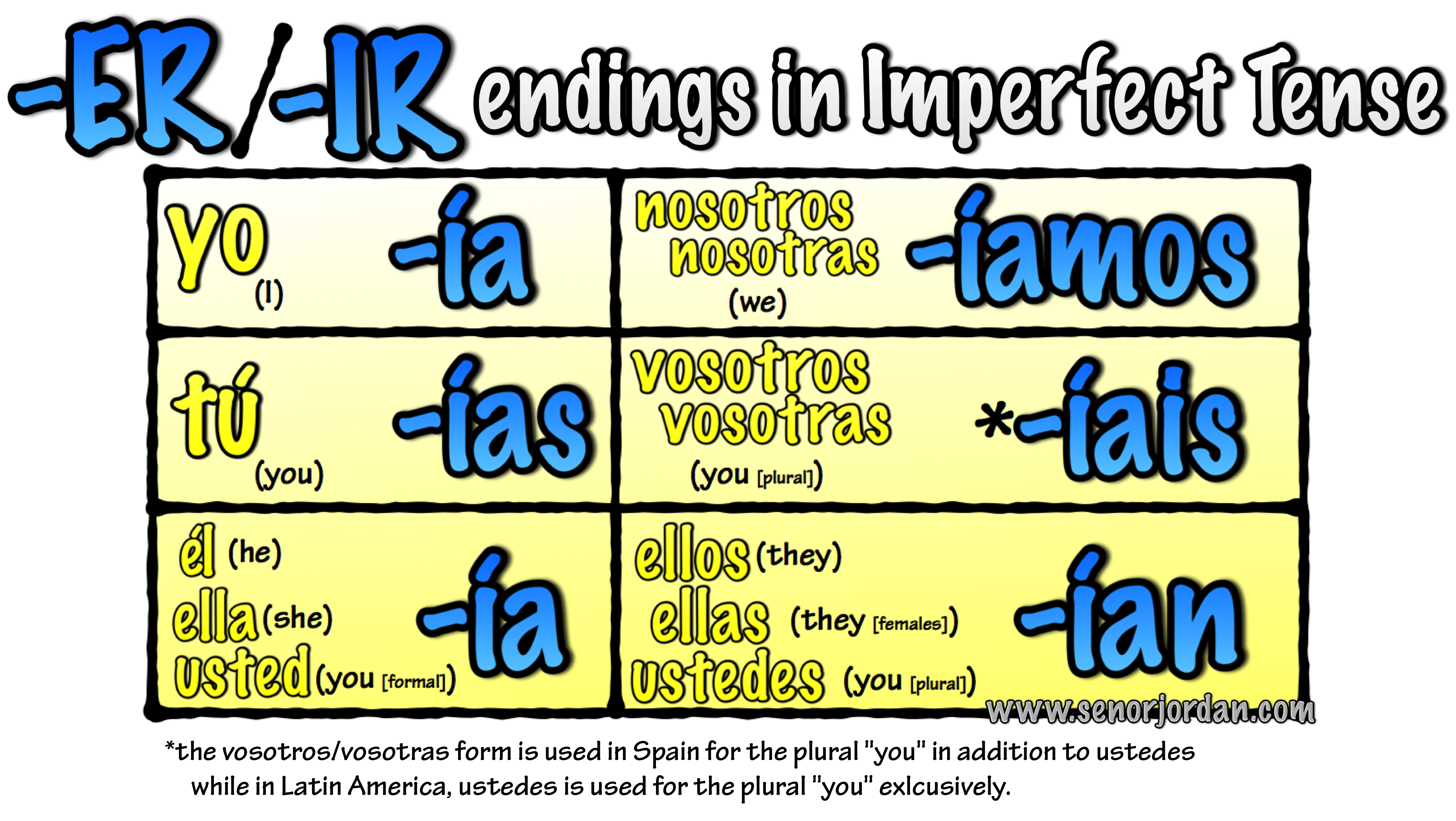
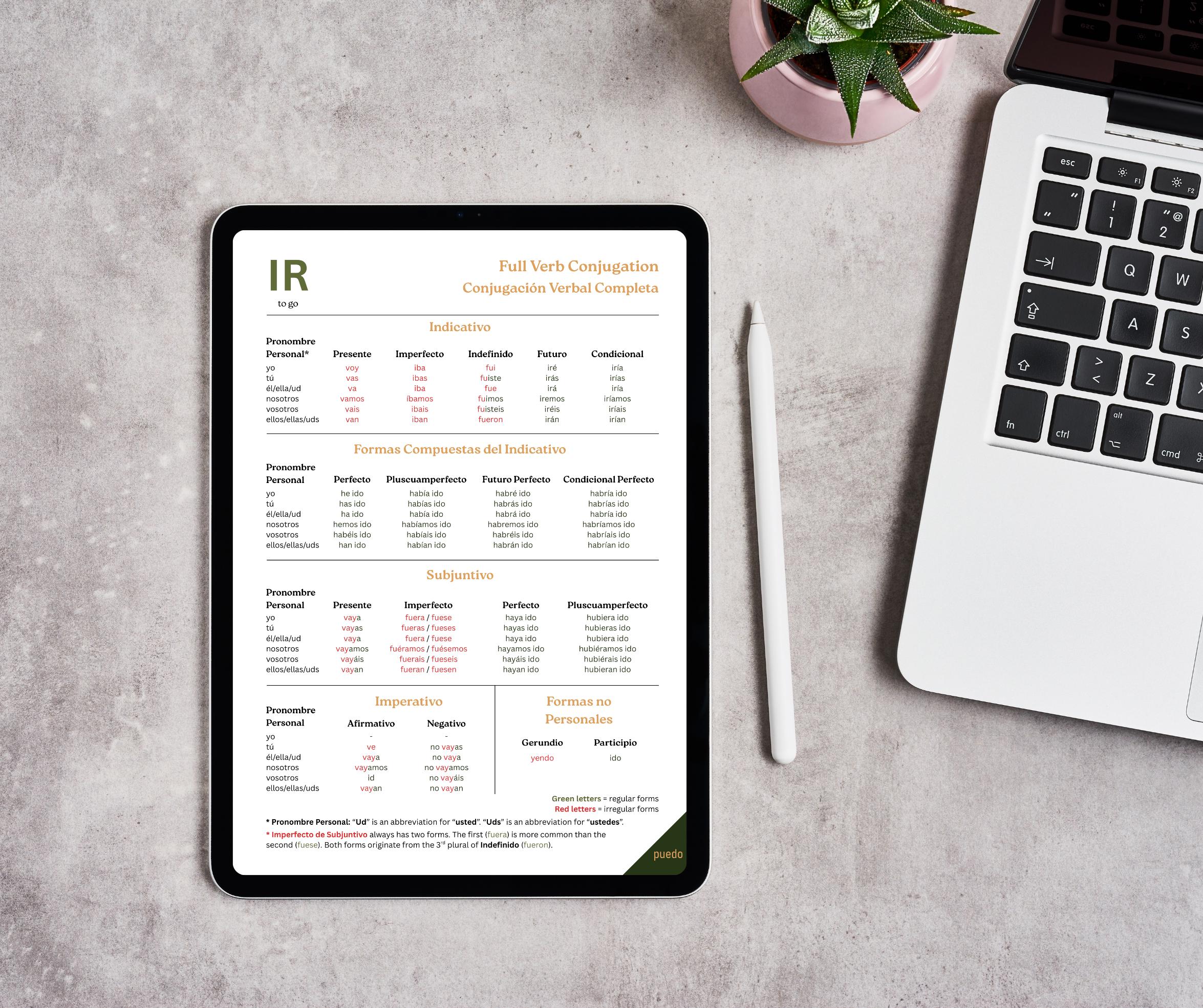
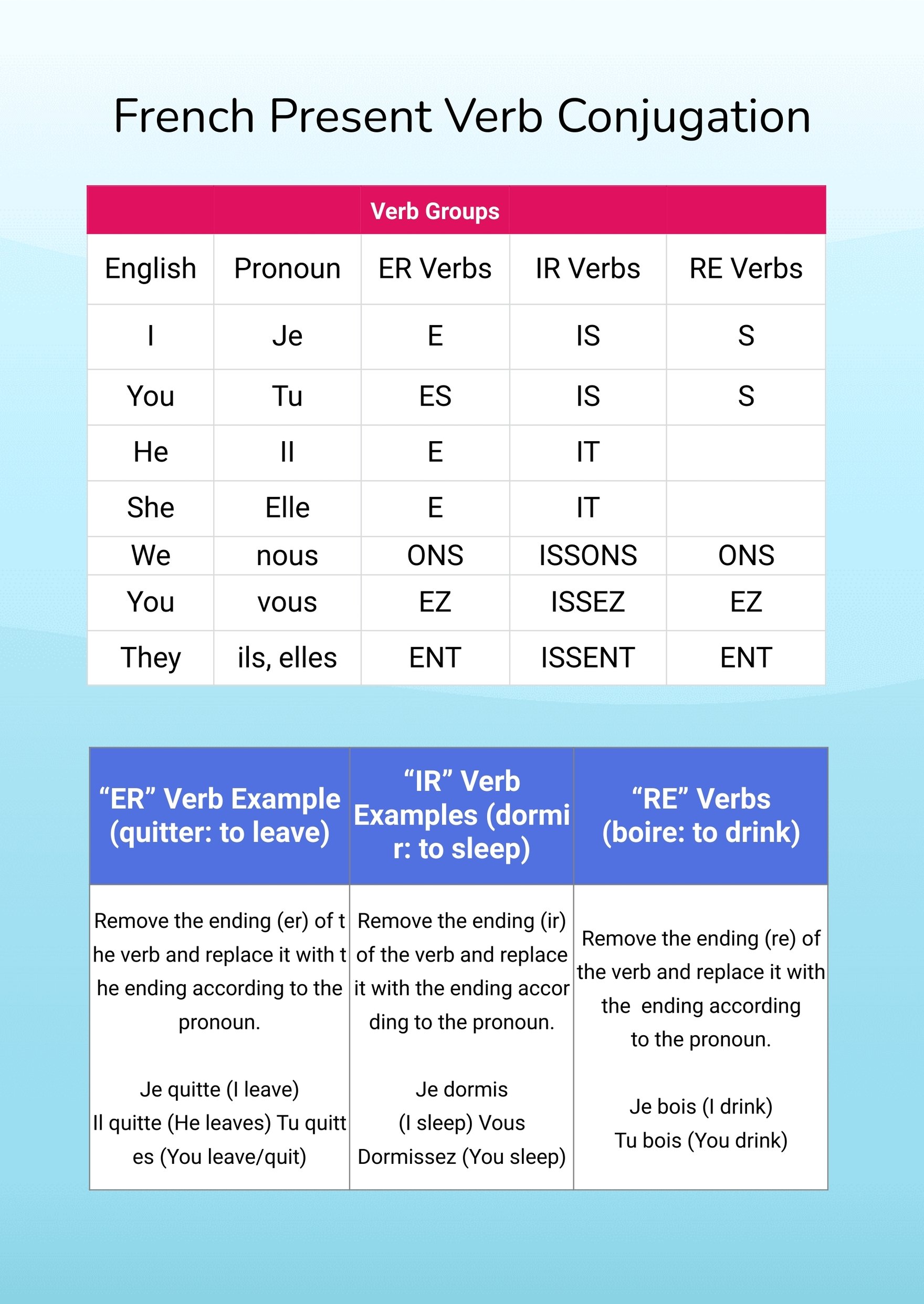
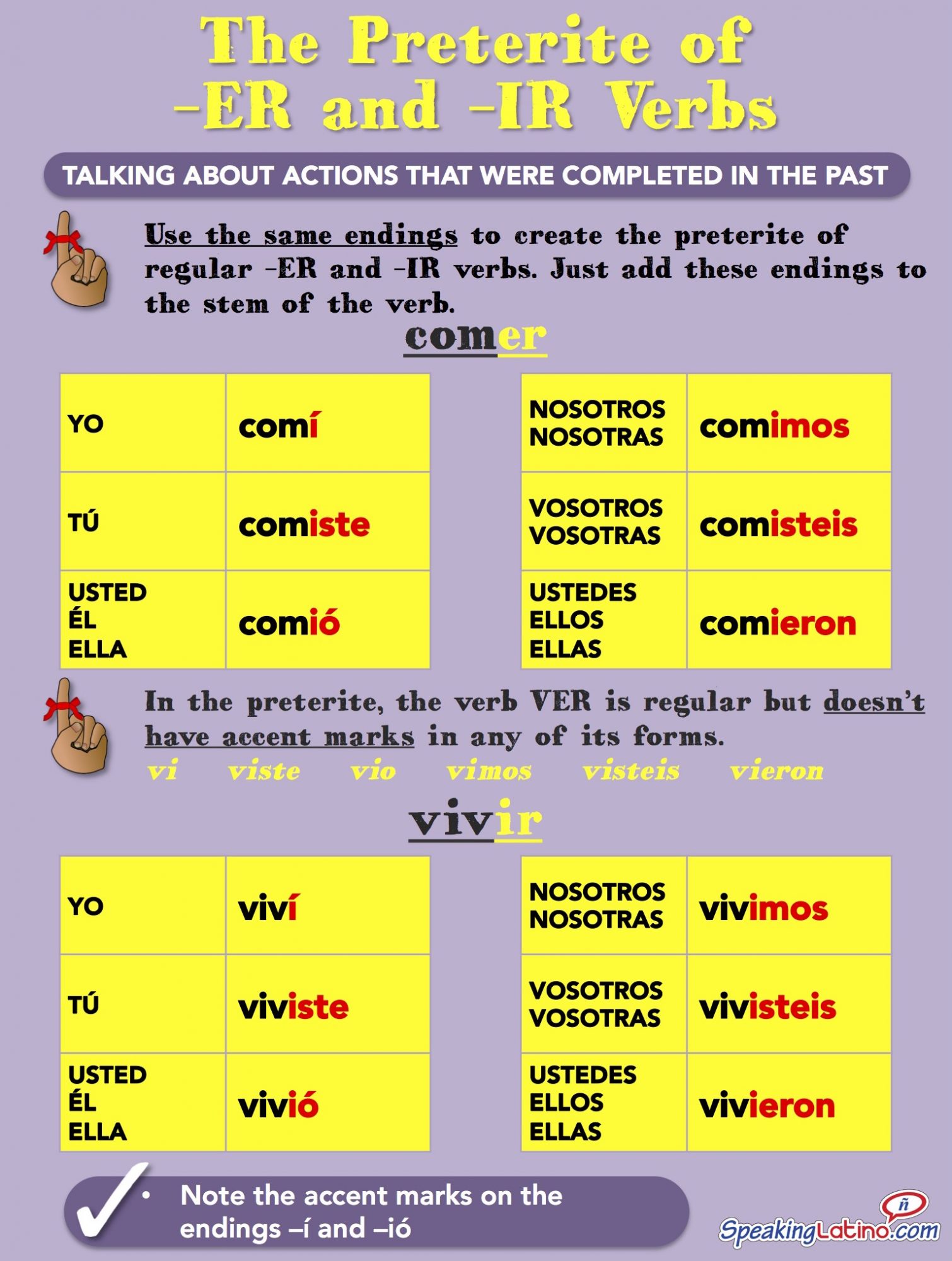
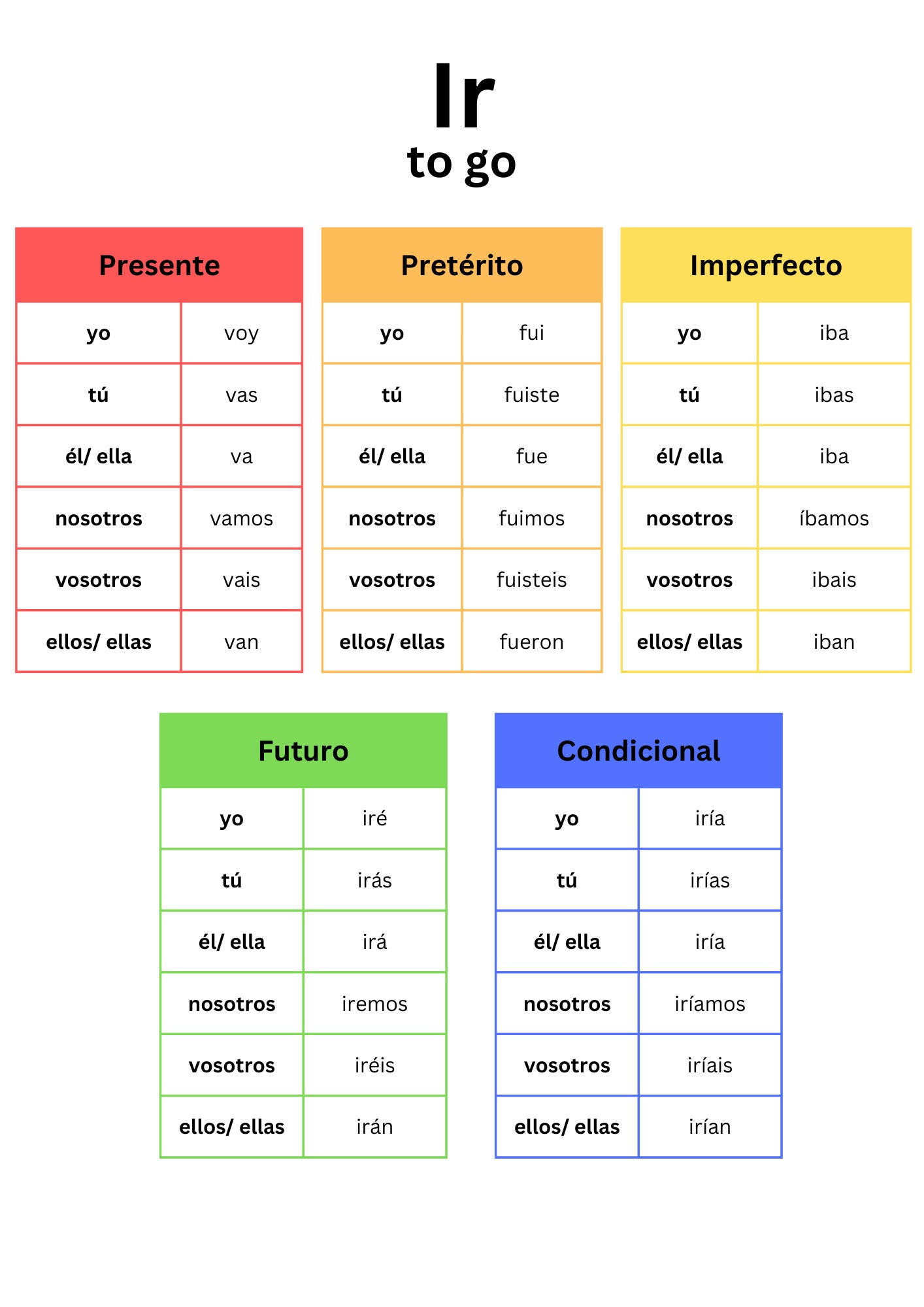
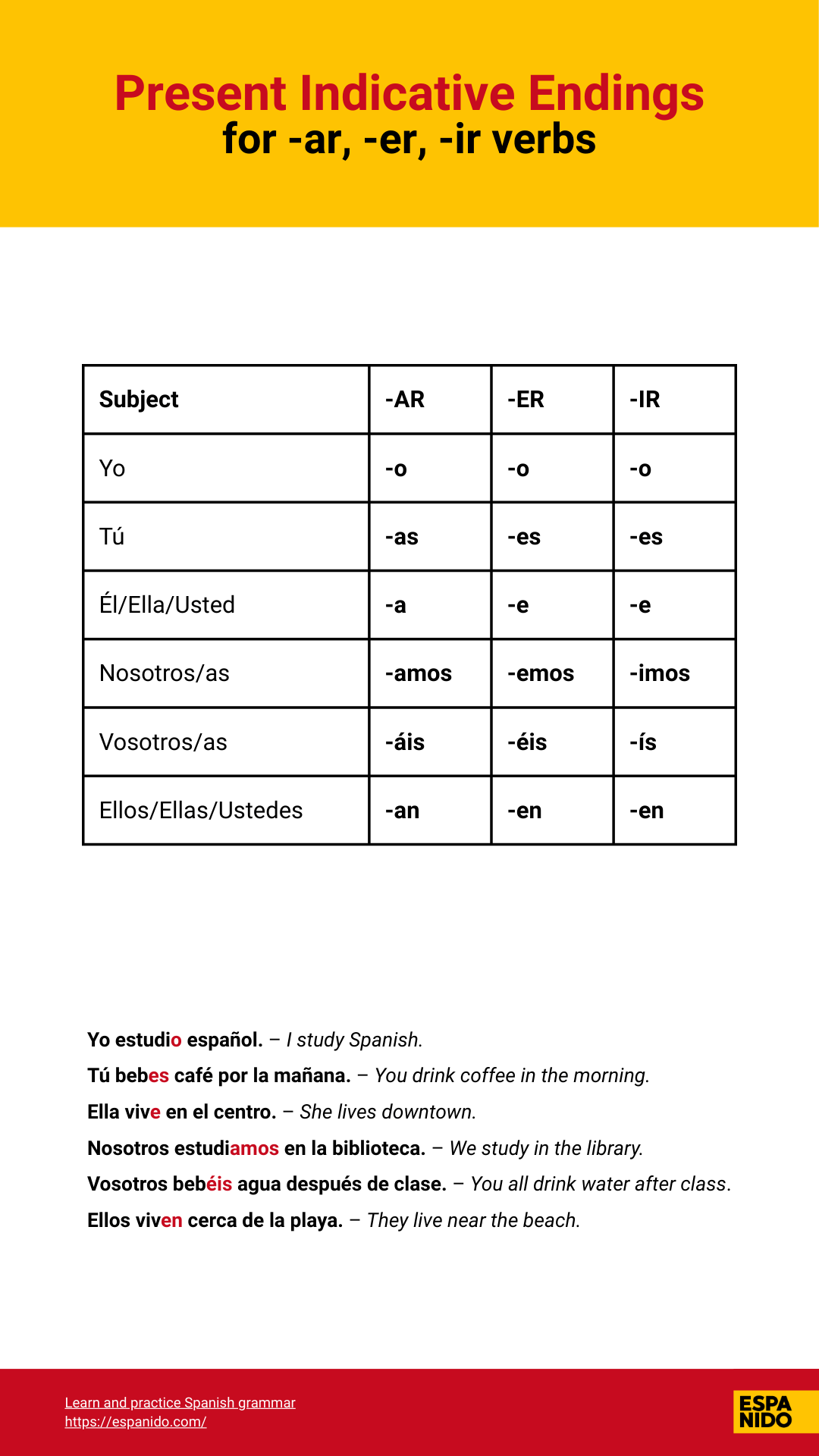
You've landed on this page, perhaps with a specific task in mind or a quick reference need. The ir verb chart is a handy tool, a concise visual guide, that can save you time and effort when navigating Spanish verb conjugations. It offers a structured overview, allowing you to find and understand verb forms efficiently, covering present, past, and future tenses. While the chart's layout and details may vary, its purpose remains consistent: to provide a reliable reference for regular verbs in Spanish.
Understanding the Ir Verb Chart: A Quick Overview
The ir verb chart is an invaluable tool for Spanish language learners, offering a comprehensive visual guide to the conjugation of regular verbs ending in 'ir'. It serves as a reference, providing a clear layout of verb forms across different tenses and persons. This chart is an essential resource for mastering Spanish grammar and ensuring accurate verb usage in various contexts.
Comparing Conjugation Patterns: Regular Verbs vs. Irregulars
While the ir verb chart focuses on regular verbs, it's important to note the existence of irregular verbs, which do not follow standard conjugation patterns. These verbs require separate memorization and are not represented on the chart. Regular verbs, on the other hand, adhere to consistent rules, making the ir verb chart a reliable guide for most verb forms.
Step-by-Step Guide: Using the Ir Verb Chart
To utilize the ir verb chart effectively, follow these steps:
- Identify the verb tense you wish to conjugate. The chart typically covers present, past, and future tenses, each with its section.
- Locate the verb ending you need to conjugate. For instance, if you want to conjugate 'mirar' (to look), find the 'ar' ending section.
- Within the chosen section, find the specific person (e.g., yo, tú, él/ella, nosotros/as) you wish to conjugate for.
- Read across to the appropriate tense column to find the conjugated form. For example, 'yo miro' (I look) in the present tense.
- Repeat this process for other tenses and persons as needed.
Avoiding Common Pitfalls: Misreading and Mistakes
One common mistake is misreading the chart, especially when unfamiliar with Spanish verb endings. Ensure you understand the verb ending and its corresponding section. Another pitfall is assuming all verbs follow the regular pattern. Always double-check for irregular verbs, especially common ones like 'ser' (to be) or 'ir' (to go).
Factors Affecting Accuracy: Regional Variations and Tenses
The accuracy of the ir verb chart can be influenced by regional variations in Spanish. While the chart provides a standard guide, some verbs may have slight differences in certain Spanish-speaking countries. Additionally, the chart primarily covers regular verbs, so it's essential to be aware of irregular verbs and their unique conjugations.
Choosing the Right Format: Adapting to Your Needs
There are various formats of the ir verb chart available, catering to different learning styles and preferences. Some charts are more detailed, covering all tenses and persons, while others focus on specific tenses or provide a simplified layout. Choose the format that best suits your learning goals and level of Spanish proficiency.
Maintaining Reliability: Keeping Your Reference Up-to-Date
To ensure the reliability of your ir verb chart, it's crucial to regularly update your reference materials. Spanish language resources, including verb charts, may evolve and improve over time. Stay informed about any updates or new editions of the chart to access the most accurate and comprehensive guide for your Spanish conjugation needs.
Well, that's a wrap on our exploration of the IR verb chart and its practical applications. We've covered a lot of ground, from understanding the chart's purpose to mastering its use and avoiding common pitfalls. Remember, the key to success lies in adapting the chart to your specific needs and keeping your reference materials up-to-date.
Before you go, it's worth emphasizing the importance of considering your unique context. Exact values and formats may vary, so double-check the standards and sources relevant to your situation. With that in mind, I hope this guide proves invaluable the next time you need a quick reference. Feel free to bookmark this page for future use!
Related: Find the Perfect Fit: Gildan Size Chart
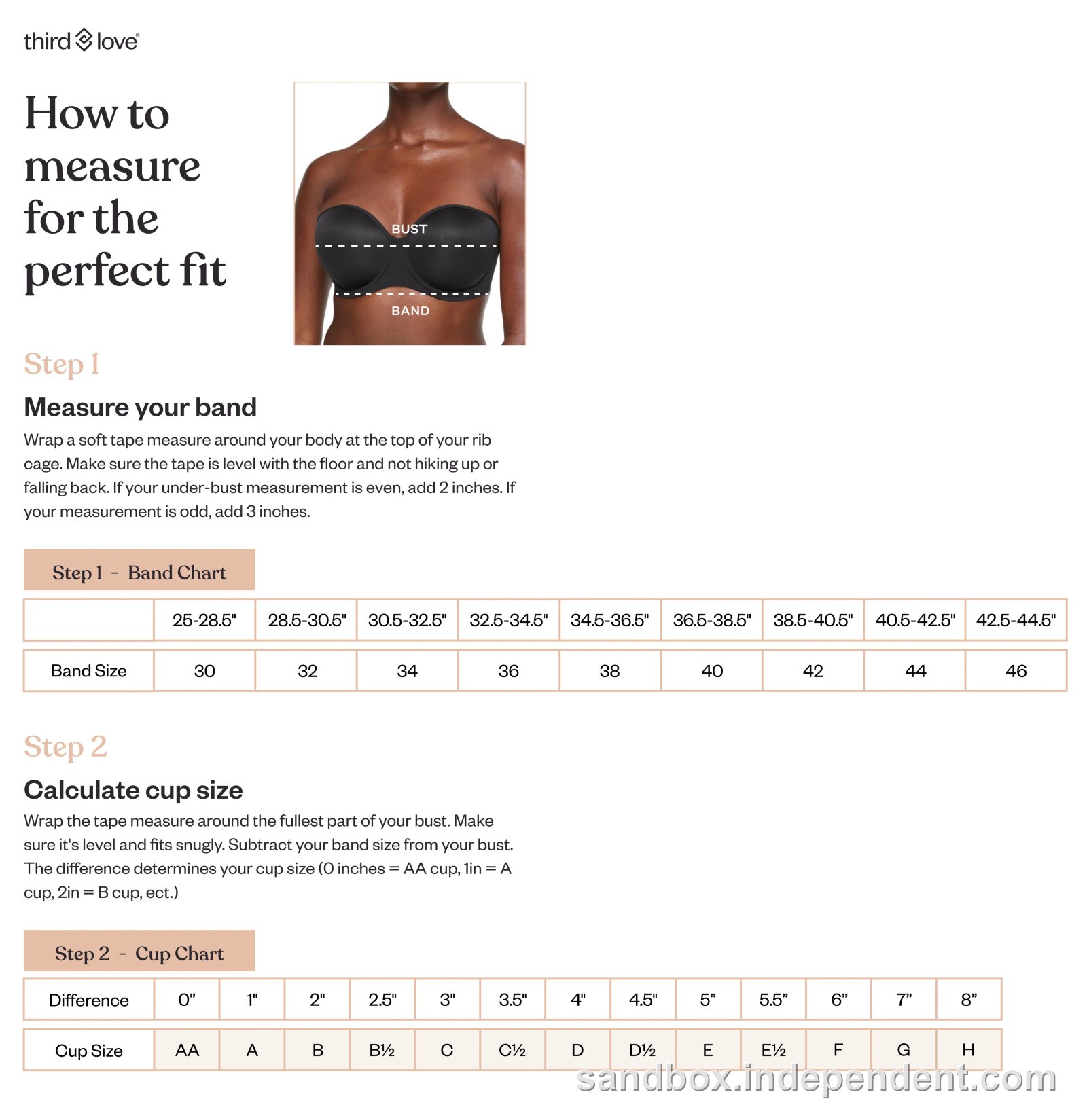
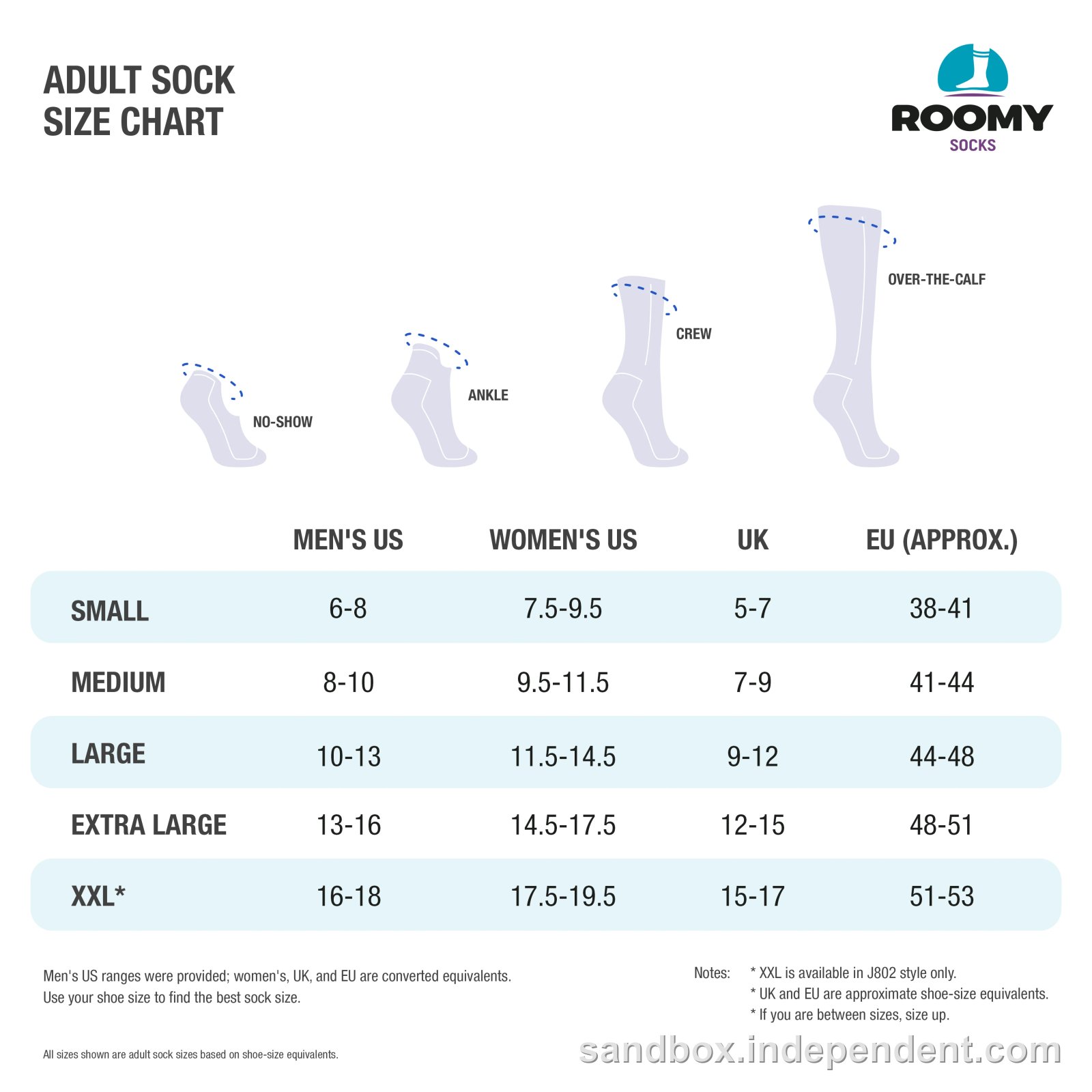
You're likely here because you need to find the right size for a Gildan garment, and the Gildan size chart is your trusted tool for this task. This simple yet effective chart provides a quick and accurate way to determine the perfect fit, whether you're shopping for yourself or others. With various sizes and measurements, the chart offers a clear guide, ensuring you can make an informed choice. It's a handy reference, especially when considering the brand's popular unisex fit and the potential variations in sizing standards.
Understanding the Gildan Size Chart
The gildan size chart is a valuable tool for anyone looking to purchase Gildan apparel, providing a clear guide to help you choose the right size for a perfect fit. This chart is designed to offer a standardized sizing reference, ensuring consistency across their range of clothing.
Key Details and Categories
The chart typically displays a range of sizes, from extra-small to 5XL, and sometimes even larger. Each size is represented by a numerical value, such as 'S' for small or '3XL' for triple extra-large. These sizes are further categorized into specific measurements for various body parts, including chest, waist, and height. The measurements are provided in both inches and centimeters, offering a versatile reference for international customers.
Step-by-Step Guide to Reading the Chart
- Identify the type of garment you're interested in, as different apparel may have slightly different measurements. For instance, t-shirts and hoodies might have distinct fit specifications.
- Locate your body measurements on the chart. You'll typically find columns for chest, waist, and height, with corresponding rows for different sizes.
- Compare your measurements to the values on the chart. If your chest measurement falls within the range specified for a particular size, that's a good indication of the right fit.
- Consider the overall fit you prefer. If you like a looser fit, you might opt for a size larger than your exact measurements suggest. Conversely, for a more tailored look, you might choose a size slightly smaller.
Size Variations and Differences
It's important to note that size charts can vary between manufacturers and even between different Gildan product lines. This is because clothing is designed to fit differently, whether it's a relaxed, regular, or slim fit. Additionally, the intended use of the garment can influence the sizing. For example, a t-shirt designed for athletic wear might have a different fit than a casual t-shirt.
Common Mistakes and How to Avoid Them
One of the most common mistakes is assuming that all clothing brands use the same size standards. Always refer to the specific size chart for the brand and product you're interested in. Another pitfall is relying solely on your usual size without considering the fit you desire or the unique specifications of the garment. It's always a good idea to measure yourself and compare those measurements to the chart.
Practical Tips for Accurate Fitting
- When measuring yourself, ensure you're using a flexible tape measure for accurate results.
- Take measurements at the appropriate points on your body, such as the fullest part of your chest or the natural waistline.
- If you're between sizes, consider the fabric and style of the garment. Stretchy fabrics might allow for a slightly looser fit, while structured garments may require a more precise measurement.
- Don't forget to check the size chart for the specific product you're interested in, as sizing can vary even within the same brand.
- If you're still unsure, many online retailers offer size guides or customer reviews that can provide additional insights into the fit of a particular item.
Remember, while this guide provides a comprehensive overview, the specifics may shift slightly based on your unique context. Every brand and standard has its nuances, so it's essential to double-check the source for the most accurate information.
We have a range of other practical guides and resources on our site to help you navigate similar topics. Feel free to explore and discover more tips and tricks to make your sizing and fitting processes a breeze!