





South America Map Blank Overview
"Hmm, I wonder who's behind those construction sites around town." If you've ever asked yourself that question, you're not alone. We often see the results of their work but rarely think about the names and faces of the companies bringing these projects to life. So, let's explore the world of American building company names and uncover some practical insights.
Unraveling the Mystery of Building Company Names
American building company names are more than just words; they represent the identity and reputation of a business. These names can be a simple reflection of the services they offer, like "Atlanta Construction Co.," or they might aim for a more creative and memorable brand, such as "Build-It-Right Builders." The name a company chooses can impact how it's perceived by customers and even influence its success.
When it comes to naming your construction business, consider the following:
- Simplicity and Clarity: Opt for a name that's easy to understand and remember. Avoid complex or obscure references that might confuse potential clients.
- Local Appeal: Incorporating a city or region's name can help establish a strong local presence. For instance, "Helena Home Remodelers" instantly connects with residents of Helena.
- Uniqueness: While local appeal is important, ensure your name stands out. You don't want to be confused with other companies, especially competitors.
- Availability: Before settling on a name, check its availability for business registration, domain names, and social media handles. You don't want legal issues or to miss out on online visibility.
Here are a few original name ideas to inspire you:
- "Build-Pro Construction"
- "Renovation Revolution"
- "Craftsman's Corner"
- "HomeCraft Builders"
- "Bay Area Builders"
- "Hammer & Nail Construction"
The Practical Side of Building Companies
Beyond names, it's essential to know what to expect when hiring a building company. Whether you're planning a home renovation or a new construction project, here are some tips:
- Research and References: Look for companies with a solid track record. Check online reviews and ask for references from past clients.
- Insurance and Licensing: Ensure the company is properly insured and licensed to operate in your area. This protects you in case of accidents or disputes.
- Clear Communication: A good building company will provide detailed estimates and keep you informed throughout the project. Clear communication is key to a successful outcome.
- Compare Quotes: Get multiple quotes to understand the range of prices. Remember, the cheapest option isn't always the best. Consider the company's reputation, experience, and the clarity of their proposal.
A Peek into the Industry
The construction industry is vast, and it's fascinating to explore some of its aspects. Tools like RSMeans provide cost estimating databases, which are essential for accurate project budgeting. These databases consider various factors, ensuring builders can offer competitive quotes.
When it comes to jobs, the construction industry offers a range of roles, from general contractors overseeing entire projects to specialized tradespeople like electricians and plumbers. Salaries can vary widely depending on experience, skills, and the specific role. If you're interested in construction jobs, check local job boards and company websites for openings.
Large construction companies often have a national or even international presence. They handle major projects and have the resources to take on complex jobs. In contrast, smaller companies might focus on local projects and offer more personalized services.
Wrapping Up
Exploring American building company names has given us a glimpse into the world of construction and the considerations that go into building a successful business. Whether you're a homeowner planning a renovation or someone interested in the industry, I hope this has provided some valuable insights. Remember, when it comes to construction, knowledge is power, and a well-chosen company name can be a great first step towards success.
Related: Unraveling the Tape Measure Chart Mystery
A tape measure chart is a handy tool, a visual aid that simplifies the process of measuring and converting lengths. This guide will navigate you through the world of tape measure charts, offering a clear understanding of their purpose and usage.
These charts provide a quick reference, allowing you to decipher the various markings on a standard tape measure. They can vary slightly, depending on the type of tape measure and the region, but their core function remains the same: to ensure accurate measurements and easy conversions, be it for metric or imperial units.
Understanding Tape Measure Charts
A tape measure chart is a visual reference tool that displays measurements and their corresponding values, typically in a tabular or diagrammatic format. It serves as a quick guide for understanding and interpreting the markings on a tape measure, ensuring accurate readings.
Key Details and Units
The tape measure chart presents measurements in two primary systems: the metric system and the imperial system. Metric measurements are denoted in centimeters (cm) and millimeters (mm), while imperial measurements use inches (in) as the standard unit. The chart often includes conversions between these systems, aiding in quick metric-to-imperial and imperial-to-metric conversions.
Reading Tape Measure Charts: A Step-by-Step Guide
- Identify the System: Determine whether you are working with metric or imperial measurements. This is crucial as it dictates the scale and units used on the tape measure and in the chart.
- Locate the Markings: On the tape measure, you will find various markings indicating different lengths. These markings correspond to the values shown on the tape measure chart.
- Match the Markings: Align the tape measure's markings with the values on the chart. This allows you to read and interpret the measurements accurately.
- Convert if Needed: If your project requires converting between metric and imperial units, refer to the conversion section of the chart. This ensures consistency and accuracy when working with different measurement systems.
Variations and Differences
Tape measure charts may vary depending on the standard being used. Different regions and industries may have specific measurement standards and tolerances. For instance, the US typically uses imperial measurements, while many other countries follow the metric system. It is essential to refer to the appropriate chart based on your location and the project's requirements. Additionally, some charts may provide specific measurements for specialized fields, such as construction or tailoring, where precise measurements are crucial.
Common Mistakes and How to Avoid Them
- Misreading Markings: Ensure you understand the scale and units of your tape measure. Misinterpreting the markings can lead to significant errors.
- Imperial-Metric Confusion: Be mindful of the measurement system you are using. Converting between systems without referring to the tape measure chart can result in inaccurate readings.
- Neglecting Tolerances: Some projects have specific tolerance requirements. Always check the project's specifications to ensure your measurements meet the necessary standards.
- Relying on Memory: Avoid relying on memory for conversions. Always refer to the tape measure chart for accurate and consistent results.
- Inaccurate Tape Measures: Ensure your tape measure is in good condition and has clear, visible markings. Worn-out or damaged tape measures can lead to imprecise readings.
Hey there! I hope this tape measure chart has been a helpful reference for you. Remember, while the basics remain the same, exact details can indeed vary, so it's always good to double-check your sources and standards.
Feel free to explore our other guides for more practical tips and tricks. And when you need a quick reminder, don't forget to bookmark this page for easy access! It's a simple way to ensure you always have the right measurements at your fingertips.
Related: How to Read the Boston Tide Chart?
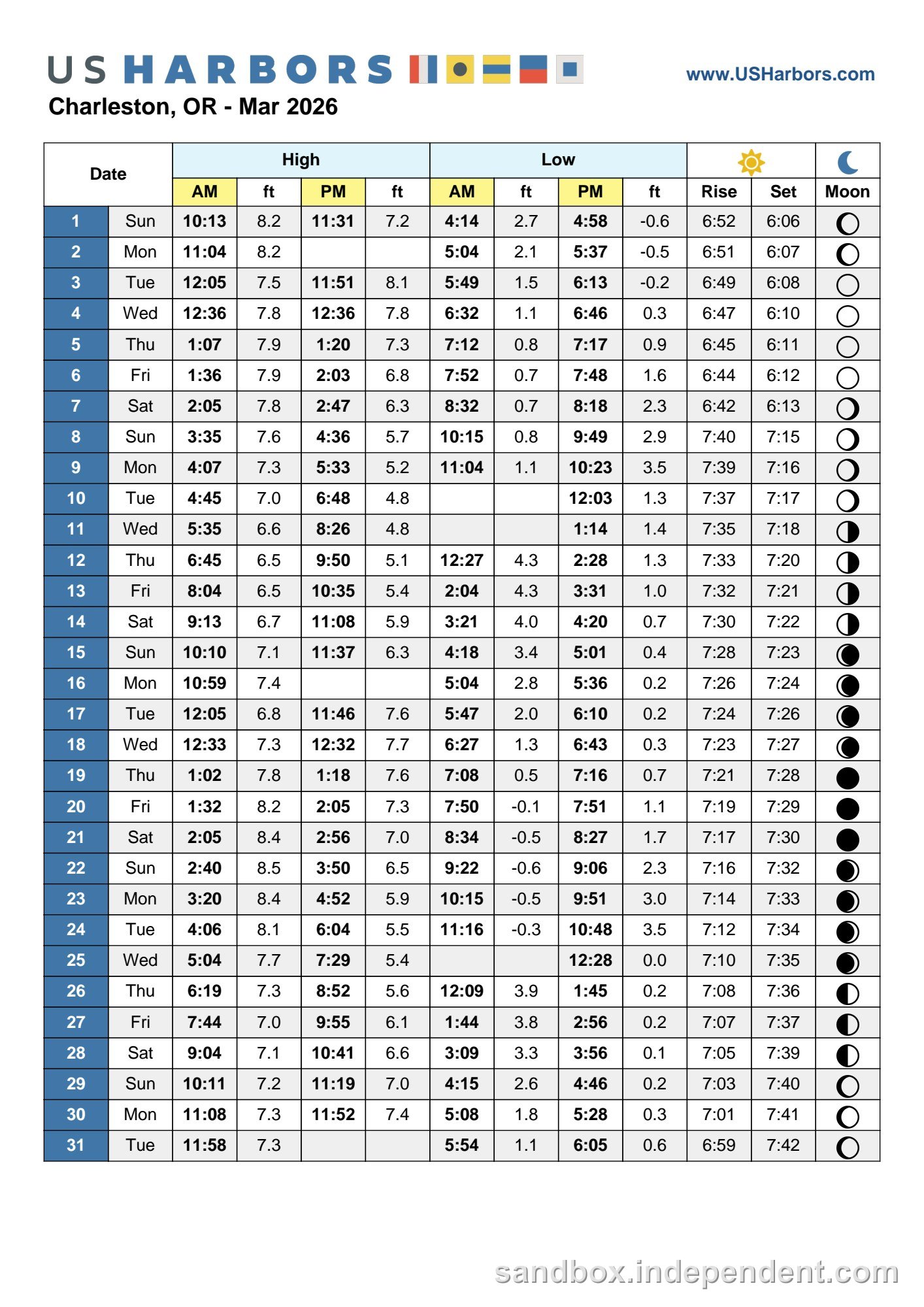
If you're seeking a bold and reliable resource for planning your coastal adventures, tide chart Boston has got you covered. This handy tool provides a snapshot of the city's tidal rhythms, offering a quick glance at Boston's tide times, sea level readings, and tidal variations. With a simple glance, you can navigate the ebb and flow of the Boston Harbor's tides, ensuring your plans align with the ocean's rhythm.
Understanding Tide Heights: Boston Tide Chart
The Boston tide chart is a valuable tool for anyone interested in understanding the tidal patterns and sea level readings in the Boston area. It provides a visual representation of the tides, offering insights into the rise and fall of water levels throughout the day. This chart is an essential guide for various activities, from boating and fishing to coastal exploration.
Key Details and Categories
The Boston tide chart typically displays tidal data for a specific location, such as a harbor or a specific point along the Boston coastline. It presents information on two key aspects: the time of day and the corresponding tide height. The time is usually shown in 24-hour format, covering a full day, while the tide height is measured in feet or meters, depending on the standard used. The chart often includes a legend or key to explain the different tide levels, such as high tide, low tide, and slack water.
Reading the Chart: A Step-by-Step Guide
To read the tide chart Boston, follow these steps:
Locate the current time on the chart's timeline. This is typically a horizontal axis, with time intervals marked at regular intervals.
Identify the corresponding tide height for that time. The height is represented by a vertical line or marker on the chart, indicating the water level at that specific moment.
Repeat this process for different times throughout the day to understand the tidal pattern. Note the variations in tide height, especially the highest and lowest points, which indicate high and low tides, respectively.
Consider the tide height in relation to your activity. For example, if you're boating, ensure there's sufficient water depth for navigation during low tide.
Variations and Safety Considerations
While the Boston tide chart provides a reliable guide, it's important to note that tidal patterns can vary due to several factors. Here are some key considerations:
Boston's tidal range measurements can be influenced by weather conditions, such as strong winds or storms, which may cause deviations from the predicted tide heights.
The chart represents average conditions and may not account for extreme events or exceptional circumstances. Always check for weather alerts and marine forecasts for accurate, up-to-date information.
Tidal variations can also occur due to the moon's phase and its gravitational pull. Spring tides, which occur during full and new moon phases, result in higher high tides and lower low tides, while neap tides, during quarter moon phases, lead to less extreme tidal ranges.
Remember, while the tide chart Boston is a practical tool, it's essential to exercise caution and stay informed about real-time conditions for safe coastal activities.
Remember that while these tide charts provide a reliable guide, exact values may differ slightly based on your specific location and the source of your data. It's always a good idea to double-check and stay aware of any local variations.
Feel free to explore our other guides for more practical tips and insights. We've got a whole collection of resources to help you navigate various aspects of your adventures, so dive in and discover more!