







Special Education Learning Worksheets Overview
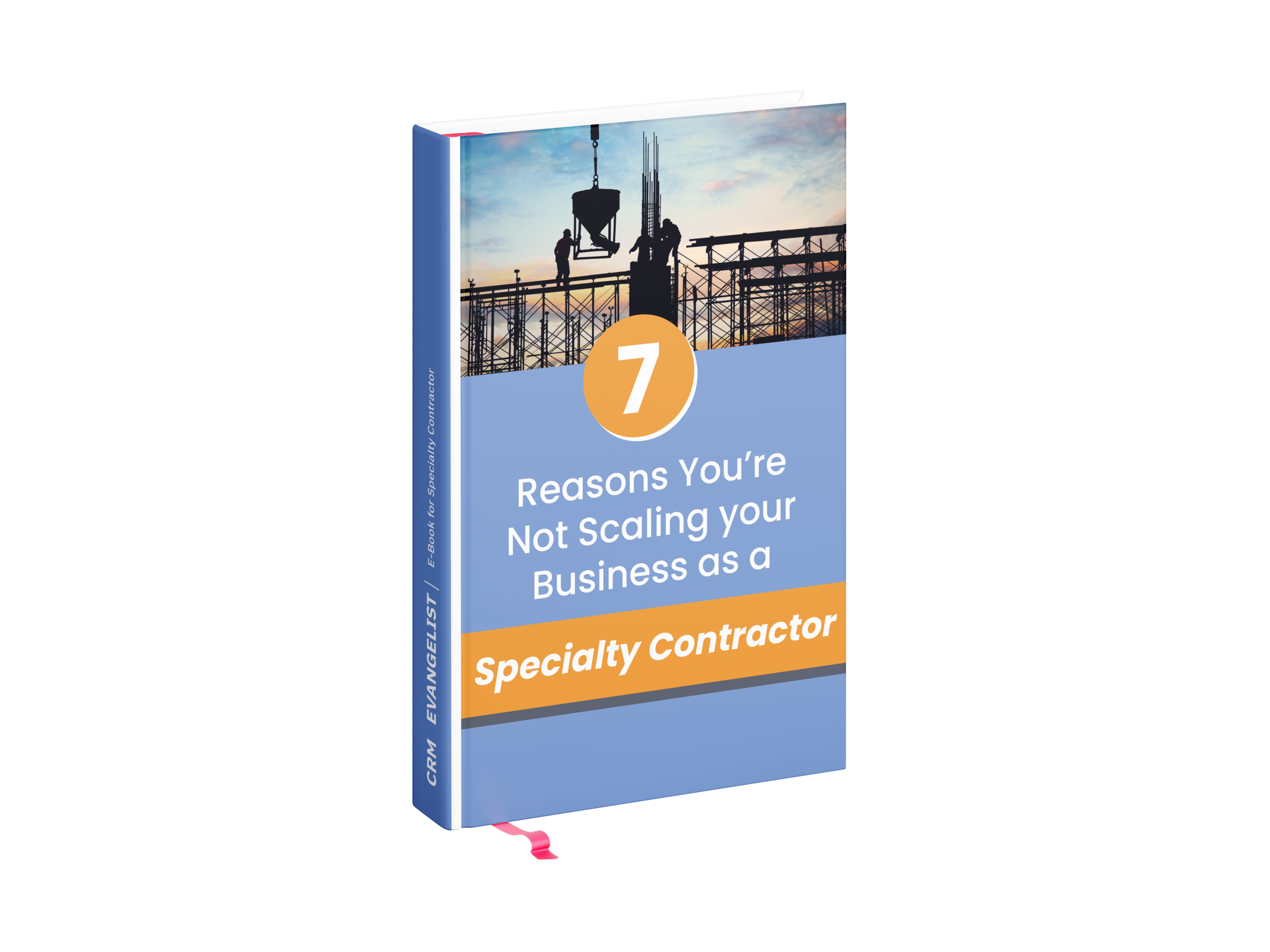
"What is a specialty contractor?" I asked myself as I started planning my home renovation. It's a term I kept seeing, but I wasn't sure what it meant exactly. So, I did some digging and here's what I found out.
The Basics: Who Are These Specialists?
A specialty contractor is a pro who focuses on one specific trade or skill. Unlike a general contractor who oversees the whole project, these guys are the experts in their field. They might handle plumbing, electrical work, roofing, or even something more niche like pool installation or solar panel setup. It's all about having a deep knowledge of one area.
Why Does It Matter?
Well, if you're planning a project, knowing who to call can save you time and money. For example, let's say you need a new roof. You could hire a general contractor who will then subcontract the roofing work out to a specialist. But why not go straight to the source? A specialty contractor will likely be more efficient and offer better value. They're the masters of their craft and can often complete jobs faster and with fewer surprises.
Finding and Hiring a Specialist
When you're ready to hire, do your research. Get quotes from a few different companies and compare. Look for experience, references, and check their licensing and insurance. It's also a good idea to ask about their process and how they handle unexpected issues. Remember, the cheapest quote might not always be the best value. You want someone who understands your vision and can deliver high-quality work.
Company Names and Branding
If you're in the construction game and thinking of starting your own business, choosing a name is key. It should be memorable, unique, and reflect your specialty. Something like "Atlanta Electrical Experts" or "Helena's Roofing Masters" tells people exactly what you do. But don't forget to check name availability and secure your domain and local registration too.
Jobs and Industry Outlook
Specialty contractors often work for larger construction companies or are self-employed. The work can be varied and rewarding, and there's always demand for skilled tradespeople. If you're looking for a career change, consider training in a specialty trade. It's a stable industry with plenty of opportunities. You'll find jobs listed on construction-focused job boards and local classifieds.
Tools of the Trade
In the construction world, tools like RSMeans can be a big help. It's a cost database and estimating tool used by contractors and estimators to price projects accurately. It takes into account things like materials, labor, and escalation (changes in costs over time). Having access to reliable data like this can make a big difference when quoting for jobs.
Big vs. Small Firms
The construction industry has a mix of large and small firms. Big companies often have more resources and can take on larger projects, but smaller firms might offer more personalized service. It's a balance between scale and specialization. As a customer, it's worth considering what matters most to you and your project.
Final Thoughts
Understanding what is a specialty contractor can really help when planning a project. Knowing who to call and what to expect can make the process smoother. And if you're thinking of a career change, the construction industry offers a world of opportunities. So, whether you're a homeowner, a business owner, or considering a new path, specialty contractors are a key part of the picture.
Related: Need a Naples Tide Chart?
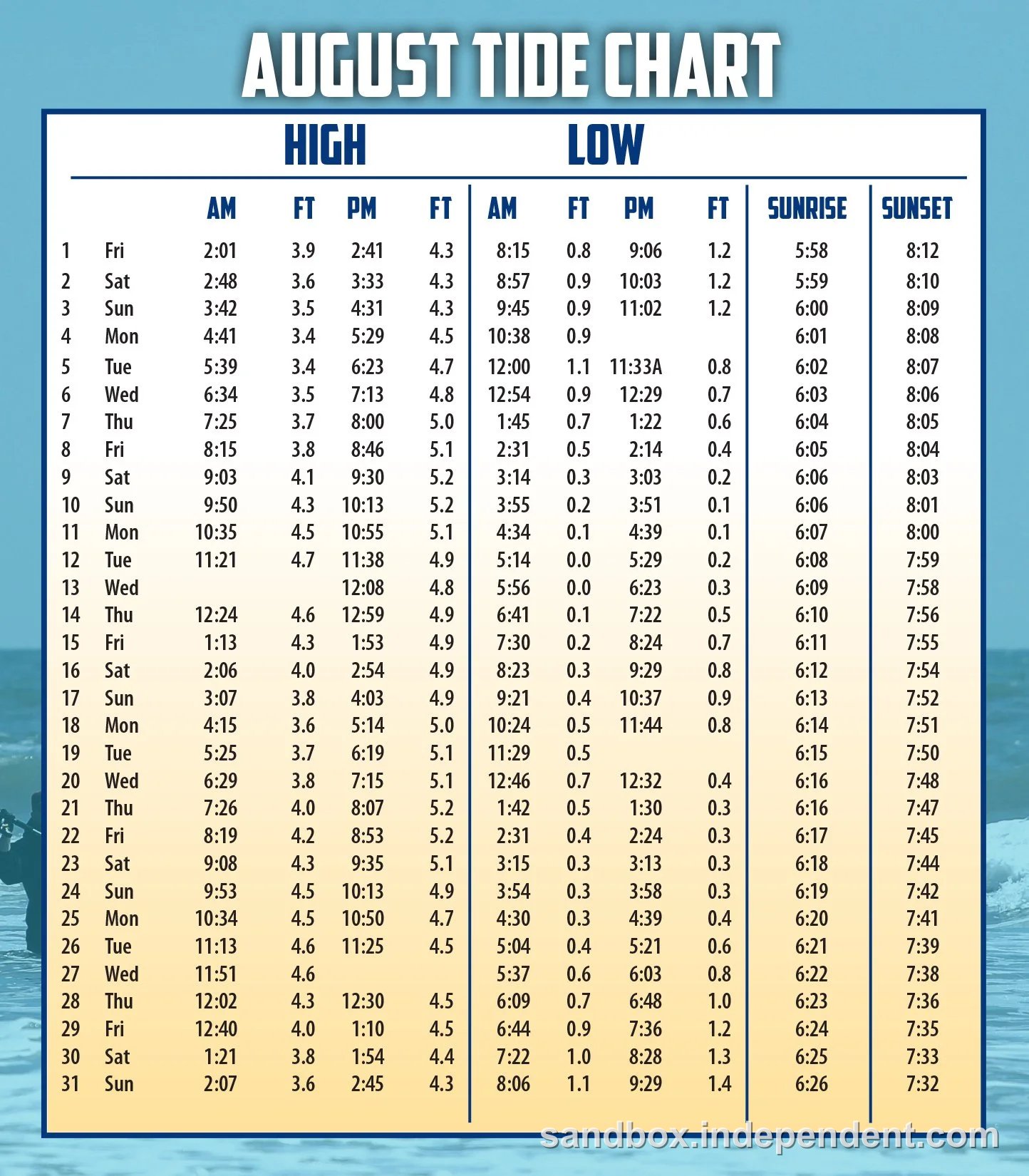
The Naples tide chart is your handy tool for understanding the tides in this beautiful Florida city. It's a simple yet powerful resource, offering a quick glimpse into the world of Naples' water levels.
This guide will show you how to read and interpret the chart, covering the basics of tide times, units, and patterns. You'll learn to navigate the chart's information, understanding the daily fluctuations and average tides of Naples Bay.
Understanding Naples Tide Heights
The naples tide chart is a valuable tool for anyone interested in the water levels of Naples Bay and the surrounding Florida Gulf area. It provides a visual representation of the predicted tide heights and helps you plan your activities, whether you're a boater, fisherman, or beachgoer. This chart is a handy reference to understand and predict the daily tide fluctuations.
Key Details and Categories
The naples tide chart typically displays tide data for a specific location, usually Naples Bay. It shows the predicted tide heights at different times throughout the day. You'll find columns indicating the time and the corresponding tide level. The tide levels are often represented in feet or meters, depending on the standard used. Common measurement units for tide charts are feet or meters, so you'll likely see values like 2.5 ft or 0.75 m.
Reading the Table and Practical Applications
To read the naples tide chart, simply match the time with the corresponding tide height. For instance, if you plan to go boating at 9 am, check the chart for that time and see the predicted tide level. Here's a step-by-step guide:
- Identify the time you're interested in.
- Locate the column with the corresponding time on the chart.
- Read the tide height value for that time.
- Use this information to plan your activities accordingly.
For example, if the tide is predicted to be high at your desired time, you might want to adjust your boating route or fishing spot to accommodate the water level.
Variations and Differences
It's important to note that tide charts are predictions and can vary due to several factors. Weather conditions, wind patterns, and even the position of the moon can influence actual tide levels. While the naples tide chart provides a reliable guide, it's always a good idea to double-check the real-time conditions, especially if you're planning critical activities like boating or fishing. Additionally, different regions and standards may have slightly different tide table units and formats, so ensure you're using the right chart for your specific location.
Well, there you have it! Understanding the Naples tide chart is a handy skill for any water-loving adventurer. Remember, the exact values may differ slightly, so always double-check the specific context and sources for your needs.
Consider bookmarking this page for future reference. It's a simple yet effective tool, and you never know when you might need to plan a tide-friendly adventure!
Related: How to Read My Beaumont Chart?
Frustrated with trying to make sense of my Beaumont chart? You're not alone; many people find these charts a bit tricky, especially when they're new to eye tests and vision assessments. So, let's demystify this together. My Beaumont chart, or any visual acuity chart for that matter, is simply a tool to help measure your eyesight. It's a straightforward reference, but the values and formats can vary, so it's good to know how to read and interpret them accurately.
Understanding the Beaumont Chart: A Quick Overview
The Beaumont chart, also known as a visual acuity chart, is a tool used to assess and measure your visual performance, specifically your ability to see clearly at various distances. It's a simple yet effective way to gauge your vision and is commonly used during eye examinations. This chart provides a standardized method to evaluate and compare visual acuity, helping eye care professionals diagnose and monitor vision-related issues.
Comparing Formats and Standards
There are a few different types of visual acuity charts, but the Beaumont scale is a widely recognized and accepted standard. It presents a series of letters or symbols in descending sizes, arranged in rows and columns. The chart is typically viewed at a specific distance, often 20 feet or 6 meters, and the smallest row you can read accurately indicates your visual acuity. Other charts, like the Snellen chart or LogMAR chart, use similar principles but may present the letters or symbols differently. It's important to note that the specific format and measurements can vary based on the standard being used, so always refer to the appropriate guidelines for accurate interpretation.
Step-by-Step Guide to Using the Beaumont Chart
Using the Beaumont chart is a straightforward process:
- Position yourself at the specified distance from the chart, often marked on the floor or wall. This distance is crucial for accurate results.
- Cover one eye with your palm or a patch provided by the examiner.
- Read aloud the letters or symbols on the chart, starting from the top and moving down. Read each row until you can no longer identify the letters or symbols clearly.
- Repeat the process for the other eye, covering the previously uncovered eye.
- The examiner will record your visual acuity based on the smallest row you could read accurately for each eye.
Common Misreadings and How to Avoid Them
While the Beaumont chart is designed for simplicity, there are a few common errors to watch out for:
- Illumination: Inadequate lighting can affect your ability to read the chart accurately. Ensure the room is well-lit, but avoid direct sunlight or bright glare on the chart.
- Distance: Standing too close or too far can distort your results. Always follow the specified distance guidelines.
- Letter Confusion: Some letters, especially C, O, and E, can be misinterpreted. Take your time and focus on each letter individually.
- Reading Speed: Rushing through the chart can lead to mistakes. Read at a comfortable pace, ensuring you understand each letter before moving on.
Factors Affecting Accuracy and Practical Applications
Several factors can influence the accuracy of your Beaumont chart results:
- Age: Visual acuity naturally declines with age, so results may vary over time.
- Refractive Errors: Conditions like nearsightedness or farsightedness can impact your vision.
- Lighting and Environment: As mentioned, lighting and environmental factors play a role. Ensure a consistent and suitable testing environment.
- Eye Health: Any underlying eye conditions or injuries can affect your vision.
- Chart Variations: Different versions of the chart may have slight variations in letter sizes or formats. Always refer to the specific chart being used.
Remember, the Beaumont chart is a valuable tool for assessing your visual acuity, but it's just one part of a comprehensive eye examination. For accurate results and to address any vision concerns, consult with an eye care professional who can provide personalized advice and treatment options.
Well, there you have it! A handy guide to your Beaumont chart, covering all the basics and some useful tips. Remember, while we've covered the key points, every situation is unique, and exact details might differ slightly.
Feel free to bookmark this page for a quick refresher whenever you need a reminder. And don't forget to check out our other guides for more practical tips and tricks!