








Special Needs Math Worksheets Overview
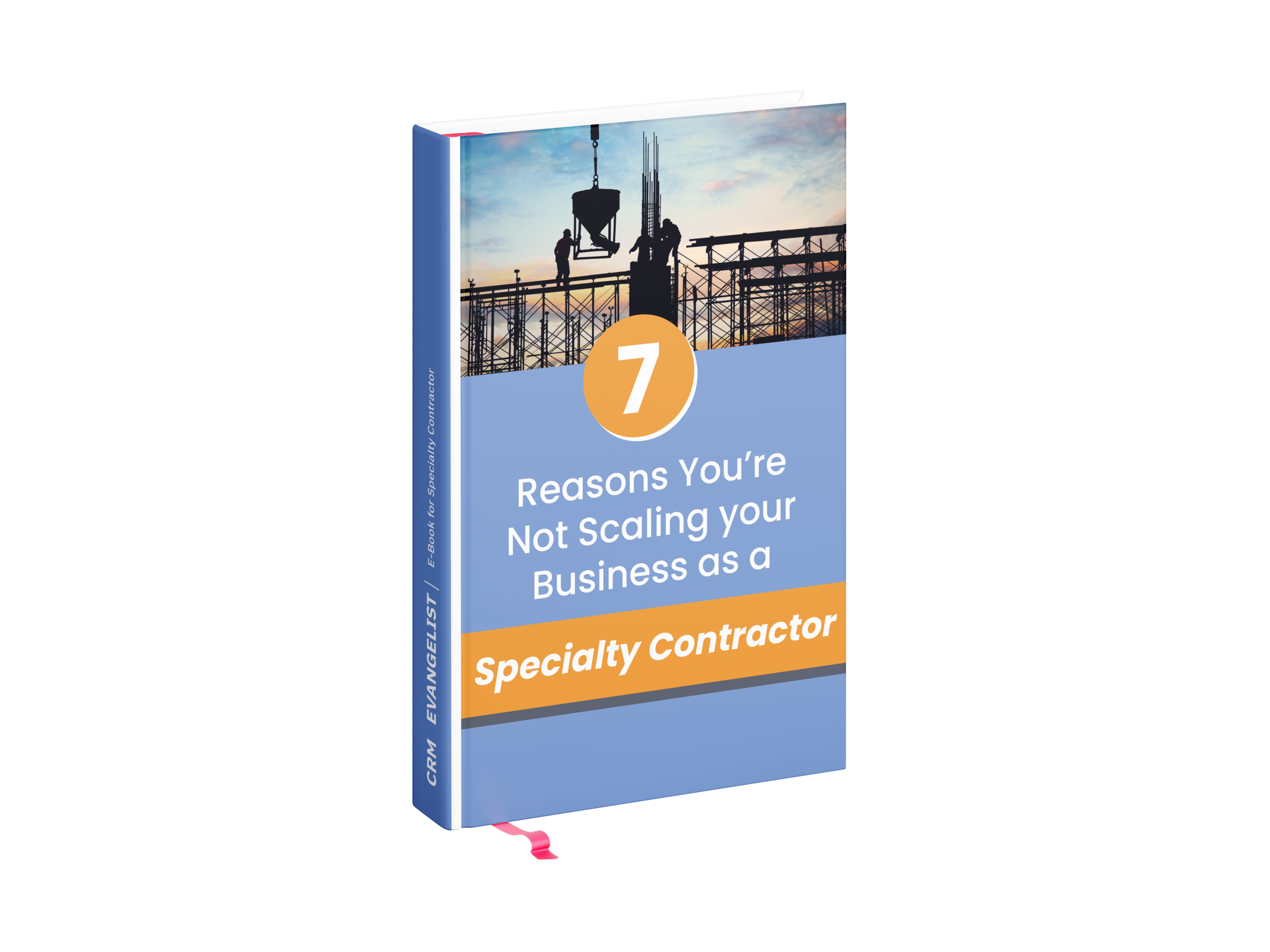
"What is a specialty contractor?" I asked myself as I started planning my home renovation. It's a term I kept seeing, but I wasn't sure what it meant exactly. So, I did some digging and here's what I found out.
The Basics: Who Are These Specialists?
A specialty contractor is a pro who focuses on one specific trade or skill. Unlike a general contractor who oversees the whole project, these guys are the experts in their field. They might handle plumbing, electrical work, roofing, or even something more niche like pool installation or solar panel setup. It's all about having a deep knowledge of one area.
Why Does It Matter?
Well, if you're planning a project, knowing who to call can save you time and money. For example, let's say you need a new roof. You could hire a general contractor who will then subcontract the roofing work out to a specialist. But why not go straight to the source? A specialty contractor will likely be more efficient and offer better value. They're the masters of their craft and can often complete jobs faster and with fewer surprises.
Finding and Hiring a Specialist
When you're ready to hire, do your research. Get quotes from a few different companies and compare. Look for experience, references, and check their licensing and insurance. It's also a good idea to ask about their process and how they handle unexpected issues. Remember, the cheapest quote might not always be the best value. You want someone who understands your vision and can deliver high-quality work.
Company Names and Branding
If you're in the construction game and thinking of starting your own business, choosing a name is key. It should be memorable, unique, and reflect your specialty. Something like "Atlanta Electrical Experts" or "Helena's Roofing Masters" tells people exactly what you do. But don't forget to check name availability and secure your domain and local registration too.
Jobs and Industry Outlook
Specialty contractors often work for larger construction companies or are self-employed. The work can be varied and rewarding, and there's always demand for skilled tradespeople. If you're looking for a career change, consider training in a specialty trade. It's a stable industry with plenty of opportunities. You'll find jobs listed on construction-focused job boards and local classifieds.
Tools of the Trade
In the construction world, tools like RSMeans can be a big help. It's a cost database and estimating tool used by contractors and estimators to price projects accurately. It takes into account things like materials, labor, and escalation (changes in costs over time). Having access to reliable data like this can make a big difference when quoting for jobs.
Big vs. Small Firms
The construction industry has a mix of large and small firms. Big companies often have more resources and can take on larger projects, but smaller firms might offer more personalized service. It's a balance between scale and specialization. As a customer, it's worth considering what matters most to you and your project.
Final Thoughts
Understanding what is a specialty contractor can really help when planning a project. Knowing who to call and what to expect can make the process smoother. And if you're thinking of a career change, the construction industry offers a world of opportunities. So, whether you're a homeowner, a business owner, or considering a new path, specialty contractors are a key part of the picture.
Related: What's the Right Socket Size Chart for Your Needs?
A common mistake when dealing with socket size charts is assuming they are universal. While these charts are incredibly useful, it's important to understand that they can vary depending on your location and the specific standards you're working with.
So, when you're tackling a project, whether it's a simple home repair or a more complex task, referring to the right socket size chart is key. These charts provide a quick and accurate way to identify the right tool for the job, ensuring you don't end up with a metric socket when you need an imperial one!
Understanding Socket Size Charts
Socket size charts are your practical guides to choosing the right socket for the job. They provide a clear, visual reference for different socket sizes, helping you select the correct tool for your needs.
Key Details and Units
These charts typically display socket sizes in either metric or imperial measurements, depending on the standard being used. The metric system is widely adopted internationally, while the imperial system is more common in certain regions like the United States. The chart will list socket sizes in these units, often in millimeters (mm) or inches (in).
Reading the Chart: A Step-by-Step Guide
- Identify the measurement system: Determine whether your chart uses metric or imperial measurements. This is crucial as it affects the size categories and conversions.
- Locate the size category: Look for the specific size you need. Socket size charts often list sizes in ascending or descending order, making it easy to find the right one.
- Note the dimensions: The chart will provide the inner and outer dimensions of the socket. These are critical for ensuring a proper fit with your fastener or tool.
- Consider the drive size: Socket size charts may also include information about the drive size, which is the size of the square hole in the socket that fits onto a ratchet or breaker bar. Ensure this matches your tool.
Variations and Differences
Socket size charts can vary depending on several factors:
- Measurement System: As mentioned, the metric and imperial systems have different units and size categories.
- Standard Organizations: Different organizations or regions may have their own standards and specifications, leading to variations in socket sizes.
- Manufacturer Preferences: Some manufacturers may use slightly different sizes or designs, especially for specialty sockets.
- Tool Type: Sockets designed for specific tools, like impact wrenches, may have unique dimensions.
Common Mistakes and How to Avoid Them
- Mixing Measurement Systems: Always ensure you're using the correct system (metric or imperial) to avoid mismatched sizes.
- Assuming Standard Sizes: Don't assume all sockets follow the same standard. Double-check the exact specifications, especially for specialty sockets or tools.
- Neglecting Drive Size: The drive size is crucial for a proper fit with your ratchet or bar. Always check this specification.
- Forgetting Tolerances: Sockets have tolerance ranges. Ensure your fastener falls within the socket's tolerance range for a secure fit.
Remember, while socket size charts are invaluable tools, they are just guides. Always refer to the specific tool's or manufacturer's instructions for exact specifications.
Hey there, I hope this socket size chart has been a handy reference for you! Remember, while these charts provide a solid framework, the exact details can vary slightly depending on the specific context or standard you're working with. It's always a good idea to double-check the relevant specs for your project.
Feel free to explore our other guides on similar topics. We've got a whole collection of practical resources to help you tackle various DIY and technical challenges. Happy learning and keep those tools organized!
Related: Clear Reference: Math Anchor Charts Explained
A common misconception about math anchor charts is that they are only useful for teachers or advanced math enthusiasts. However, these charts are incredibly accessible and beneficial for anyone looking to improve their math skills or simply need a quick refresh!
Math anchor charts offer a visual and organized way to understand and apply mathematical concepts. Whether it's a reference chart for common formulas or a diagram explaining a specific math topic, these tools provide an easy-to-follow guide, ensuring you don't get lost in complex equations. Keep an eye out for variations in formats and values, as these can differ depending on your region or the specific math subject.
Math Anchor Charts: Your Visual Study Buddy
Math anchor charts are like having a helpful study guide right in front of you, making complex math concepts easier to grasp. These charts are visual tools that break down math topics into simple, organized formats, often using diagrams, graphs, or tables. They're designed to be quick references, helping you understand and apply math rules and formulas.
Standard Units and Categories
The beauty of math anchor charts is their consistency. Most charts use standard units and categories, ensuring everyone understands the same thing. For instance, when measuring angles, you'll find degrees as a standard unit. Other common categories include shapes, formulas, and mathematical operations. These charts often cover a range of topics, from basic arithmetic to more advanced concepts.
Reading and Interpreting: A Step-by-Step Guide
Using a math anchor chart is simple once you know how. First, identify the topic you need help with, like finding the area of a triangle. Then, locate the relevant section on the chart. Read the labels and categories carefully. The chart will often provide a formula or rule, along with a visual representation to make it clearer. For our triangle example, you might see a diagram of a triangle, the formula for its area, and perhaps some sample calculations. Follow the steps or rules provided, and you'll be solving math problems like a pro!
Common Chart Variations and Their Causes
While math anchor charts follow standard formats, there can be variations. These often depend on the specific topic or the standard being used. For instance, a chart about fractions might use different notations or representations depending on whether it's for elementary or advanced math. Other factors like regional differences (e.g., metric vs. imperial) can also lead to variations. It's important to ensure you're using the right chart for your specific needs and level of study.
Practical Tips and Tricks: Avoiding Common Mistakes
One common mistake is assuming all math anchor charts are the same. Always check the chart's title and purpose to ensure it's relevant to your topic. Another pitfall is ignoring the chart's labels and categories, which can lead to misinterpreting the information. Always read carefully! Finally, remember that charts are guides, not absolute truths. Always double-check the exact specifications or tolerances for your specific problem, especially when dealing with real-world applications.
By understanding these practical tips and being aware of potential variations, you can use math anchor charts effectively and avoid common errors. They're a great tool to have in your math toolkit!
Math anchor charts are a fantastic tool to have at your disposal, offering a quick reference guide to keep your calculations on track. Remember, the exact details might differ slightly based on your specific needs or the standards you follow, so it's always good to double-check.
Feel free to explore our other guides; we've got plenty of practical tips and tricks to make math more accessible and fun! You'll find a wealth of resources to enhance your learning journey.