


Spelling Definitions Worksheet Overview
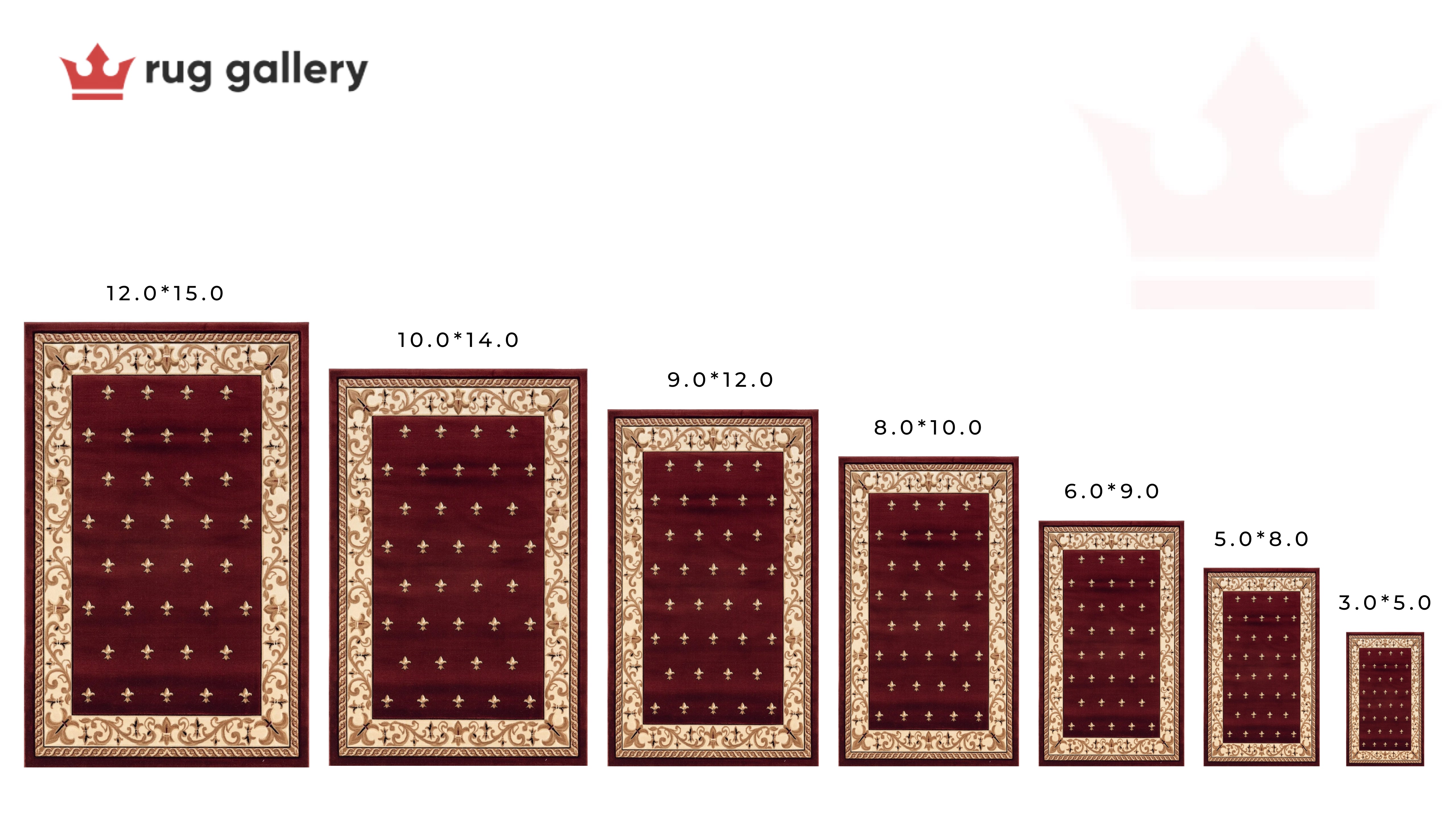
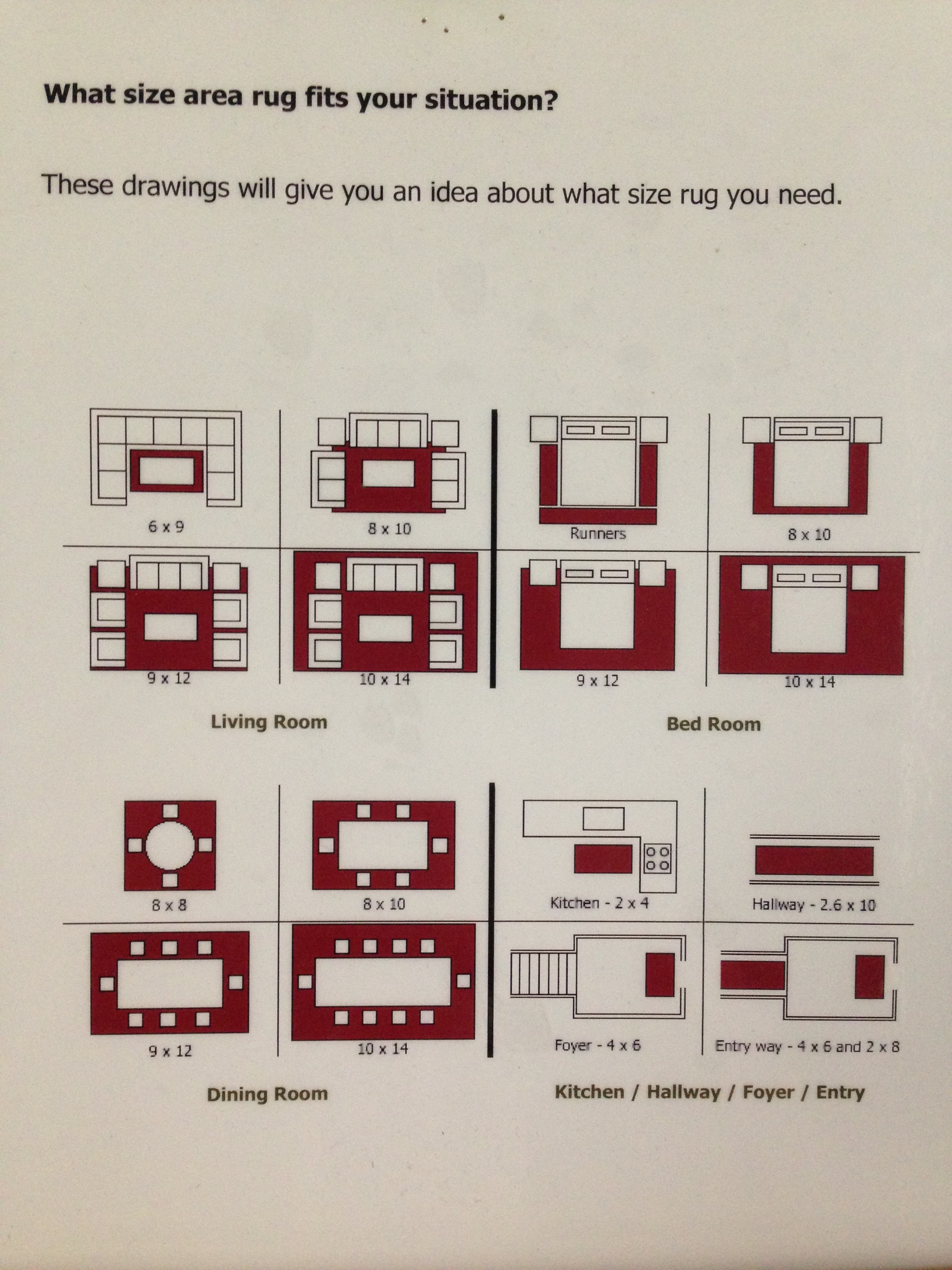
You're here because you need a quick fix, a reliable reference, or a simple guide to help you choose the right rug size. Well, look no further! The rug sizes chart is your friend and a brilliant tool to have on hand. It's a straightforward, visual aid that takes the guesswork out of selecting the perfect rug dimensions.
This chart is a handy reference, offering a clear overview of standard rug sizes and their corresponding measurements. It's a simple yet effective way to ensure your rug fits the space beautifully, and it can even guide you on the best rug size for different room dimensions.
Rug Sizes Chart: A Practical Guide
Rug sizes charts are a handy reference tool for anyone looking to choose the right rug for their space. These charts provide a quick and easy way to visualize standard rug dimensions and help you make an informed decision. In this guide, we'll explore what these charts offer and how to use them effectively.
Key Details and Units
Rug sizes charts typically display a range of standard rug sizes, often in both imperial and metric units. You'll find measurements for length and width, allowing you to understand the dimensions of each rug size. The charts may also include categories or labels to differentiate between common rug types, such as runner rugs or large area rugs. It's important to note that these charts provide a general guide, and specific rug collections or manufacturers may have slight variations.
Reading the Chart and Choosing the Right Size
Using a rug sizes chart is straightforward. Here's a step-by-step guide:
- Identify the room or space where you want to place the rug. Consider the available floor area and any furniture arrangements.
- Refer to the chart and locate the section that matches your room's dimensions. For example, if your room is 12 feet by 10 feet, look for the corresponding size category.
- Within that category, you'll find various rug sizes. Choose a size that best fits your space, considering the amount of floor coverage you prefer.
- Take note of the rug's length and width measurements. These will help you visualize how the rug will look in your room.
- If you're purchasing online, ensure the rug's dimensions align with your chosen size. Some retailers may have slight variations, so double-check the exact measurements before ordering.
Variations and Differences
While rug sizes charts provide a standardized guide, variations can occur due to different standards and contexts. For instance, international or metric standards may have slightly different measurements compared to imperial units commonly used in certain regions. Additionally, manufacturers might offer custom sizes or have unique naming conventions for their rug collections. It's always a good idea to check the specific rug's measurements and any unique specifications provided by the manufacturer or retailer.
Common Mistakes and How to Avoid Them
When using a rug sizes chart, here are some common pitfalls to watch out for:
- Relying solely on the chart without considering your room's unique layout and furniture placement. Take the time to visualize how the rug will fit within your space.
- Assuming all rugs in a particular size category are identical. Different rug designs and materials may have slight variations in dimensions, so always check the specific rug's measurements.
- Forgetting to account for rug thickness. Thicker rugs may require slightly more floor space to accommodate their bulk.
- Neglecting to measure your room accurately. Take precise measurements to ensure the rug fits as intended.
By being mindful of these potential mistakes, you can ensure a successful rug selection process and achieve the perfect rug placement in your space.
Remember, when it comes to rug sizes, the exact measurements might differ slightly based on various factors. So, always double-check the specific standards or guidelines relevant to your project.
We hope this guide has been helpful! If you're keen to explore more practical tips and tricks, feel free to check out our other guides on a range of home improvement and design topics. Happy decorating!
Related: Understand TSP Live Charts: A Simple Guide
"Tsp live charts" provide a quick and accessible way to visualize and understand measurements, especially in cooking and dosage scenarios. This guide will cover the basics of reading and utilizing these charts effectively, offering a simple yet powerful tool for accurate conversions.
The beauty of tsp live charts lies in their ability to present live data in a clear, visual format. Whether you're converting teaspoon measurements to milliliters or determining precise dosages, these charts offer a reliable reference, ensuring your calculations are spot on. Keep in mind that while the values and formats may vary depending on your region or specific needs, the core principle remains the same: an easy, accurate conversion guide.
Understanding TSP Live Charts
TSP live charts are an essential tool for anyone who needs precise measurements, especially in cooking and medicine. These charts provide a visual representation of teaspoon conversions, offering a quick and accurate way to understand and apply different measurements.
Key Details and Units
The primary unit of measurement on these charts is the teaspoon, often abbreviated as "tsp." However, it's important to note that the chart also includes conversions to other units, such as milliliters (ml) and cubic centimeters (cc). These charts typically cover a range of values, from small doses like 1/4 tsp to larger quantities like 2 tsp or more.
Reading and Applying the Chart
To use a TSP live chart, follow these steps:
Identify the measurement you need to convert. Let's say you have a recipe that calls for 1/2 tsp of an ingredient, and you want to know the equivalent in milliliters.
Locate the relevant column or row on the chart. In this case, find the column labeled "1/2 tsp."
Read the corresponding value in the desired unit. Under the "ml" column, you might find the value "2.5 ml." This means that 1/2 tsp is equivalent to approximately 2.5 milliliters.
Apply the conversion in your recipe or dosage. So, if your recipe requires 1/2 tsp, you can use 2.5 ml instead.
Variations and Differences
TSP live charts may vary depending on the standard or region they are designed for. For instance, some charts might use the US customary system, while others might follow the metric system. This means that the exact conversions and labels can differ. Always ensure you are using a chart that aligns with your specific needs and measurement system.
Common Mistakes and How to Avoid Them
One common mistake is assuming that all TSP charts are universal. Always check the units and labels on the chart to ensure they match your requirements. Another pitfall is rounding off values too aggressively. While charts provide quick references, it's best to use the exact conversions, especially for critical applications like medicine.
Practical Tips for Accurate Results
When working with TSP live charts, consider these tips:
- Always double-check the units and ensure they match your needs.
- If you require precise measurements, consider using a digital scale or measuring spoons for the best accuracy.
- Keep in mind that some ingredients, especially powders, can vary in density, which might affect the volume-to-weight ratio.
- For critical applications like medication, always consult a healthcare professional for the most accurate dosage information.
Double-Checking and Handling Exceptions
While TSP live charts are a valuable tool, they might not cover every possible exception or specialized measurement. In such cases, it's best to refer to the original source or consult a professional. For instance, if you're dealing with highly technical or scientific measurements, you might need to consult more specialized charts or formulas. Always err on the side of caution and double-check critical measurements.
Well, there you have it! You should now feel equipped with the knowledge to navigate tsp live charts and make the most of this practical tool. Remember, while this guide offers a solid foundation, always consider your unique context and requirements. Exact values and standards may vary, so a quick double-check ensures you're on the right track.
Feel free to bookmark this page for future reference. It's always handy to have a reliable guide at your fingertips, ready to assist when needed.
Related: How do I use a ski sizing chart?
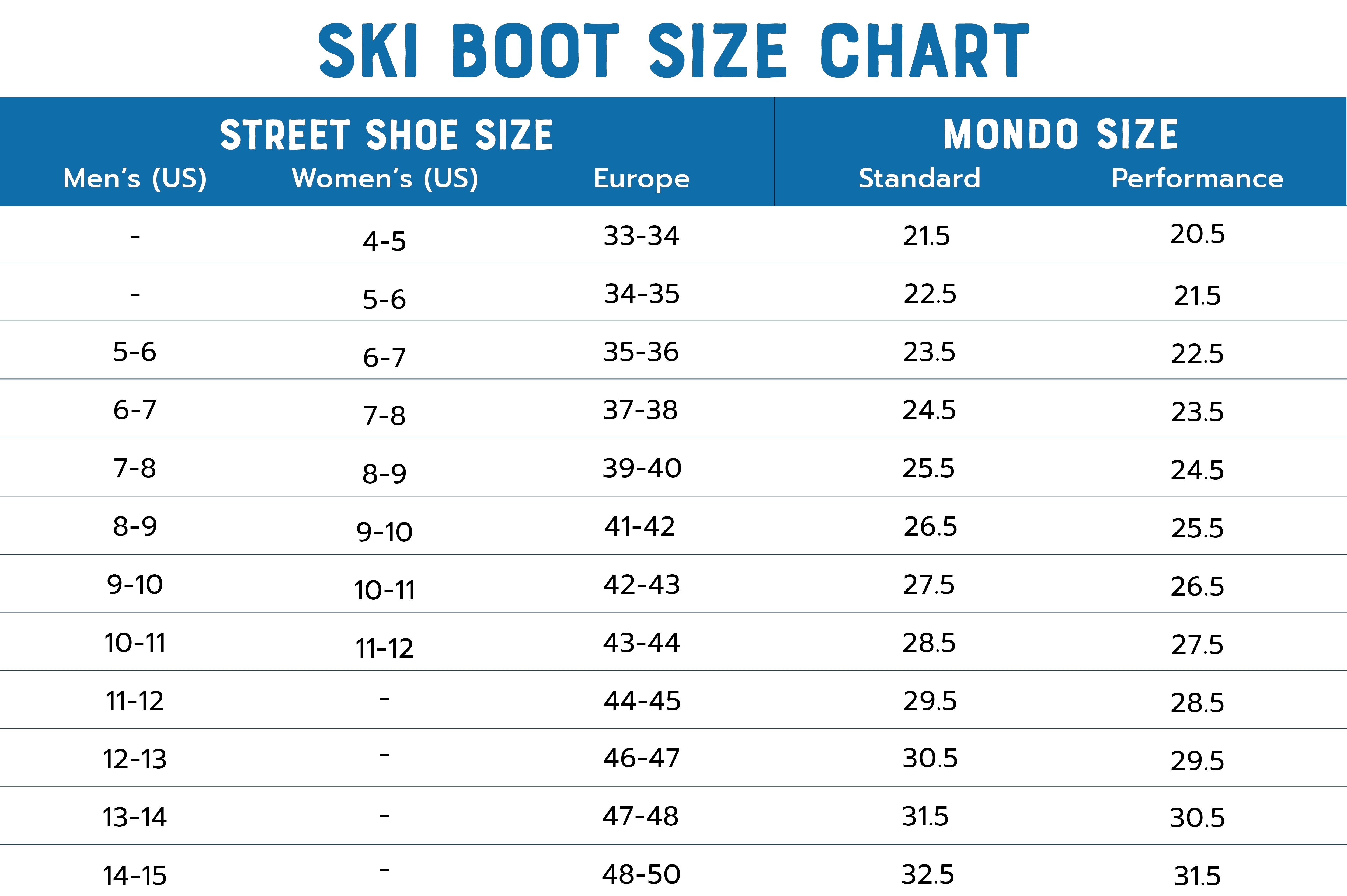
Many people assume that a ski sizing chart is a one-size-fits-all guide, but it's actually a bit more nuanced than that! While these charts offer a great starting point, they're not always an exact science. It's a common mistake to think that your height alone determines your ski size, when in fact, there are several factors to consider.
The ski sizing chart is a useful tool, but it's important to remember that ski size recommendations can vary slightly depending on your skiing ability, personal preference, and even the type of terrain you typically ski on. So, while it's a great reference, it's always worth seeking a little extra advice to ensure you get the perfect fit.
Ski Sizing Chart: A Practical Guide
Ski sizing charts are your go-to tool for finding the perfect ski length. They provide a simple way to match your height, weight, and skill level with the right ski size. This chart is a handy reference, but it's important to understand how to use it accurately.
Key Details: Understanding the Chart
The ski size guide typically shows a range of heights and corresponding ski lengths. It often includes categories like beginner, intermediate, and advanced skiers. The units used are usually inches or centimeters, depending on the standard. For example, a common recommendation might be a ski length of 160-170 cm for a skier who is 170-180 cm tall. These charts are a great starting point, but they're not one-size-fits-all.
Reading and Applying the Chart: Step-by-Step
Here's a simple process to follow:
- Identify your height and skill level.
- Locate your height range on the chart.
- Choose a ski length within the recommended range.
- Consider your personal preference and adjust slightly if needed.
For instance, if you're an intermediate skier and the chart suggests 165-175 cm skis for your height, you might opt for 170 cm skis. Remember, this is a guide, so feel free to experiment within the suggested range.
Variations: Why Ski Sizing Charts Differ
Several factors can cause variations in ski size recommendations:
- Ski height to length ratio: This ratio can vary based on the type of skiing (e.g., alpine vs. cross-country).
- Ski size by ability: Advanced skiers often prefer longer skis, while beginners might find shorter ones more manageable.
- Ski size by weight: Heavier skiers might benefit from slightly longer skis for better float and stability.
- Manufacturer preferences: Different brands may have unique recommendations.
- Regional standards: Some charts might use metric units, while others use imperial.
Common Mistakes and How to Avoid Them
A few simple errors to watch out for:
- Assuming one chart fits all: Always check if the chart is relevant to your skill level and the type of skiing you plan to do.
- Ignoring personal preference: While the chart is a guide, your comfort and confidence are key. Don't be afraid to adjust within the recommended range.
- Relying solely on height: Skill level and weight also play a role, so consider all factors.
Practical Tips for Accurate Results
To ensure you get the best fit:
- Double-check the chart's units and ensure they match your measurements.
- If you're between sizes, consider your skill level and the type of skiing.
- When trying skis, take a few runs to get a feel for the length.
- Remember, the chart is a starting point, but your comfort and performance are the ultimate goals.
By understanding the ski sizing chart and its variations, you can make an informed decision and enjoy your skiing experience. Happy trails!
Well, there you have it! Finding the perfect ski size is an important step to ensure your comfort and safety on the slopes. Remember, while this guide provides a great starting point, it's always a good idea to consult with experts or try out different sizes to find your ideal fit.
Feel free to explore our other guides and resources to enhance your skiing experience. We've got plenty of tips and tricks to help you become a pro!