



Spider Chart Maker Free Printable Overview
A common misconception about lip piercing charts is that they are solely for aesthetic purposes, but these charts are far more practical and informative than many realize. While they do showcase the various piercing placements and styles, their primary function is to guide and educate individuals on the different types of lip piercings and their specific details.
The lip piercing chart serves as a visual reference, offering insights into lip piercing placement, sizes, and even anatomy. It ensures that those interested in this body modification can make informed decisions and understand the unique characteristics of each piercing type. Whether it's the classic labret piercing or the iconic Monroe piercing, these charts provide a clear roadmap, ensuring an accurate and safe piercing experience.
Understanding the Lip Piercing Chart
The lip piercing chart is a valuable reference tool for anyone considering or already sporting a lip piercing. It provides a visual guide to the various types of lip piercings, their placements, and standard measurements. This chart simplifies the process of understanding lip piercings and helps individuals make informed decisions about their body modifications.
Key Details and Categories
The lip piercing chart typically includes a range of information. It showcases different lip piercing types, such as the popular monroe piercing, labret piercings, and more. Each piercing type is associated with specific anatomical placements on the lip, such as the center, corners, or above the lip. The chart also displays standard gauges or sizes for each piercing, usually measured in millimeters or fractions of an inch. These measurements indicate the thickness of the jewelry used for the piercing.
Reading the Chart: A Step-by-Step Guide
To utilize the lip piercing chart effectively, follow these steps:
- Identify the type of lip piercing you are interested in or already have.
- Locate the corresponding piercing type on the chart.
- Note the recommended gauge or size for that piercing, ensuring it aligns with your preferences or existing jewelry.
- If you are considering a new piercing, consult with a professional piercer to discuss the specific placement and size options suitable for your anatomy.
- For existing piercings, compare the chart's measurements with your current jewelry to ensure a proper fit and avoid discomfort.
Variations and Differences
It's important to note that lip piercing charts may vary depending on the standard being used. Different regions and piercing communities might have slightly different measurements or labels. Additionally, individual anatomy plays a significant role; what works for one person might not be ideal for another. Factors like lip thickness, skin elasticity, and personal comfort levels can influence the chosen gauge and placement.
Common Mistakes and How to Avoid Them
One common mistake is assuming that a single chart covers all piercing scenarios. While lip piercing charts provide valuable guidance, it's crucial to double-check exact specifications, especially when dealing with unique anatomy or specific piercing types. Another pitfall is ignoring aftercare instructions; proper care is essential for healing and maintaining a healthy piercing.
Practical Tips for Accurate Results
To ensure accurate results when using a lip piercing chart, consider the following:
- Consult with experienced piercers who can provide personalized advice based on your anatomy.
- Understand that the chart serves as a guide, and some adjustments might be necessary to suit your unique features.
- Stay informed about the latest piercing trends and techniques to make well-informed decisions.
- Prioritize your comfort and safety by choosing a reputable piercing studio and following aftercare guidelines diligently.
Well, there you have it! A comprehensive guide to lip piercing charts, covering all the essential information you need to know. Remember, these charts are a great tool, but it's always wise to ensure you're using the right one for your specific situation.
So, before you dive in, double-check your context and requirements to ensure you're getting the most accurate and relevant information. This chart is a handy reference, so feel free to bookmark this page for future use. It's a quick and easy way to refresh your memory whenever you need a piercing guide.
Related: Uncover the Army Ribbons Chart: A Simple Guide
An army ribbons chart is a handy tool for anyone wanting to quickly identify and understand military awards and decorations. This guide will give you a simple breakdown of what these charts are and how they work, covering the basics you need to know.
These charts, often referred to as an army awards chart or military ribbon rack, provide a visual representation of the various service ribbons and medals. While the specific values and formats may vary, they offer a clear and concise way to display and organize these awards, ensuring an accurate and efficient reference.
Understanding Army Ribbons Chart
An army ribbons chart is a visual guide that displays the various awards and decorations earned by military personnel. It provides a clear and organized way to showcase an individual's achievements and honors. This chart is an essential tool for understanding and appreciating the recognition given to service members.
Key Details and Categories
The chart typically includes different types of ribbons, each representing a specific award or decoration. These ribbons are arranged in a specific order, known as the "award and decoration order." The order is crucial as it indicates the seniority and importance of each award. Common ribbon categories include service ribbons, campaign ribbons, and achievement medals. Each ribbon has its own unique design and color scheme, making it easy to identify.
Reading the Rack: A Step-by-Step Guide
When reading an army ribbons chart, pay attention to the placement and arrangement of the ribbons. The chart often follows a standard format, with ribbons displayed in rows or columns. Start by identifying the top row, which usually represents the highest-ranking awards. Work your way down, noting the different ribbons and their positions. Each ribbon's position indicates its order of precedence, with the most prestigious awards placed higher.
Variations and Differences
It's important to note that army ribbons charts can vary depending on the military branch and the specific standards followed. Different countries and regions may have their own unique award systems and ribbon designs. Additionally, within the same military branch, variations can occur due to changes in regulations or the introduction of new awards. Common factors that cause variations include the individual's service record, unit-specific awards, and the time period in which the awards were earned.
To ensure accuracy, it's recommended to refer to official sources and guidelines provided by the relevant military branch. These sources will provide detailed information on the correct placement and order of ribbons, ensuring an accurate and respectful display. Remember, the army awards chart is a dynamic representation of an individual's achievements, and understanding these variations is key to interpreting it correctly.
Well, there you have it! A handy chart to keep close by for all your army ribbon queries. Remember, these are general guidelines, and it's always wise to confirm the specifics for your particular situation.
Feel free to explore our other resources on similar topics. We've got a bunch of guides and references to help you navigate these details with ease. Happy learning!
Related: Unraveling the Goku Family Chart
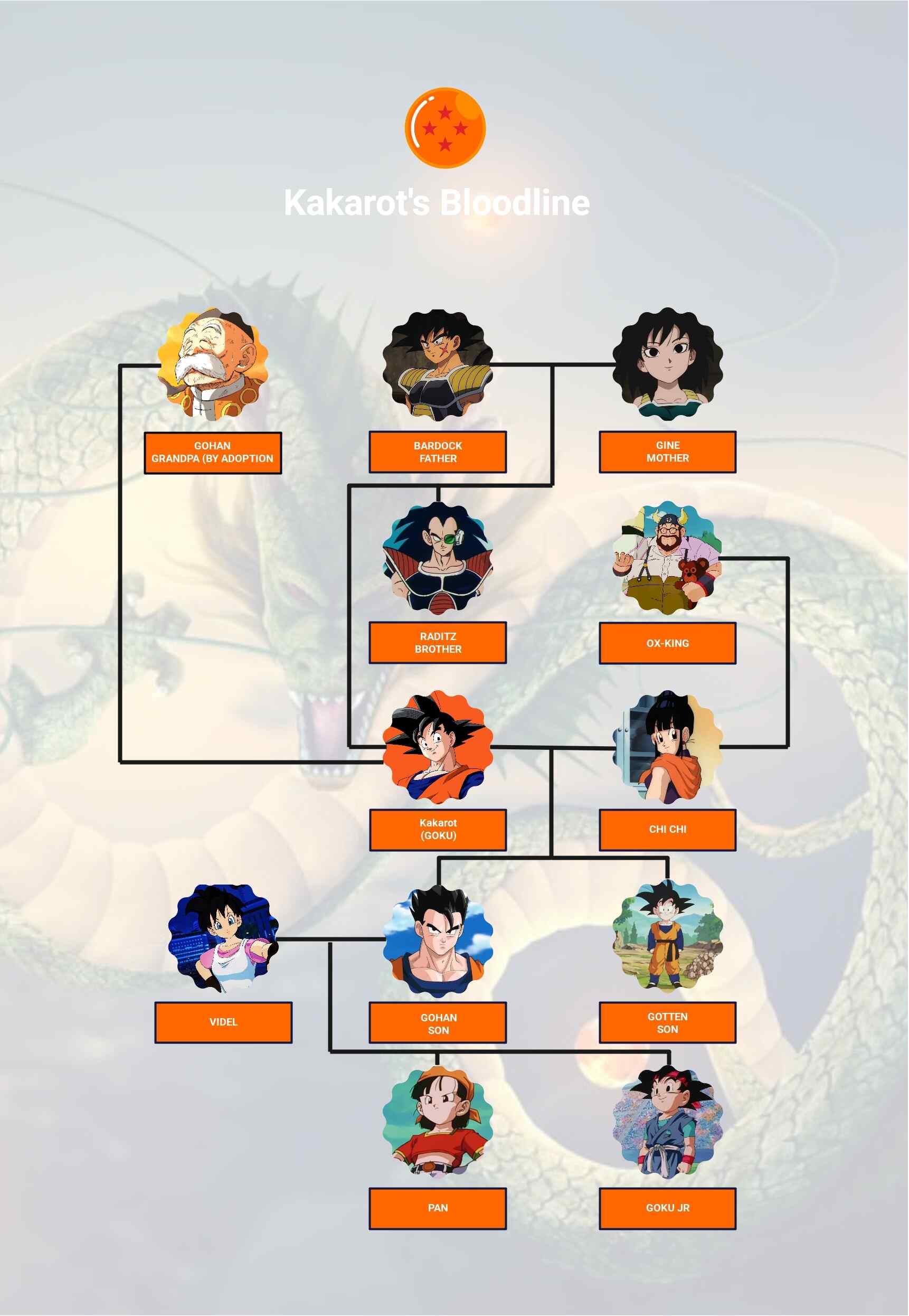
As you embark on your quest for a clear and concise Goku family chart, a visual guide to the intricate relationships within the Dragon Ball universe, you'll find a wealth of information at your fingertips. This chart, a comprehensive tool for fans and enthusiasts, offers a structured glimpse into the complex web of connections, providing a quick and reliable reference for those seeking to navigate the Saiyan genealogy. While the format may vary, with different versions offering unique insights, the core purpose remains: to unravel the warrior family history and present it in an accessible manner.
Understanding the Goku Family Chart
The Goku family chart is a visual representation of the intricate relationships and lineage within the iconic Dragon Ball franchise. It serves as a comprehensive guide, offering a clear overview of the extensive family tree of the Goku lineage. This chart is an essential tool for fans and enthusiasts, providing a structured way to navigate and understand the complex web of connections between characters.
Key Family Members and Notable Relations
When examining the Goku family chart, you'll encounter various categories and branches. The chart typically begins with the original saiyan warrior, Goku's grandfather, and then branches out to include his immediate family, such as his wife, Chi-Chi, and their children, Gohan and Goten. As you explore further, you'll discover extended family members, including Goku's father, Bardock, and his brother, Raditz. Each category represents a generation, with unique abilities and power levels that define the characters.
Power Levels Explained: A Step-by-Step Guide
Understanding the power dynamics within the Goku family chart is crucial. Here's a simple guide:
- Start by identifying the generation or category of the character you're interested in. This will give you a baseline understanding of their power level.
- Within each generation, characters may possess unique abilities or transformations that enhance their power. Take note of these, as they can significantly impact their overall strength.
- Compare characters across generations to grasp the evolutionary growth of power within the Goku lineage. This will help you appreciate the progression of strength and abilities over time.
- Remember, power levels can vary depending on the specific standards or formats used in the Dragon Ball universe. Always refer to the relevant sources or episodes for accurate representations.
Common Misreadings and How to Avoid Them
One common pitfall when interpreting the Goku family chart is assuming a direct correlation between power levels and family ties. While family members may share similar abilities, their individual power levels can vary significantly. It's essential to consider each character's unique journey and training to understand their true strength. Additionally, be cautious of generalizations; each character's power level may fluctuate based on various factors, including training, transformations, and even plot-specific enhancements.
Factors Affecting Accuracy and Real-World Application
The accuracy of the Goku family chart relies on several key factors. Firstly, it's important to note that the Dragon Ball franchise has evolved over time, with new characters, transformations, and power-ups introduced in different series and movies. Therefore, the chart must be regularly updated to reflect these changes accurately. Secondly, the chart's effectiveness depends on the reader's familiarity with the Dragon Ball universe. A basic understanding of the characters, their abilities, and the overall narrative is essential for a comprehensive interpretation. Finally, while the chart provides a structured overview, it's always beneficial to cross-reference with other sources, such as official guides or fan-curated databases, to ensure the most accurate and up-to-date information.
Remember, when working with the Goku family chart, it's essential to consider your unique situation and any specific requirements you may have. While this guide provides a solid foundation, variations can occur, so double-check the details that matter most to you.
Feel free to explore our other resources and guides; we've got plenty of practical information to help you navigate various topics. Take a look around and find the tools you need to stay organized and informed!