



Spider Chart Maker Sheet Overview
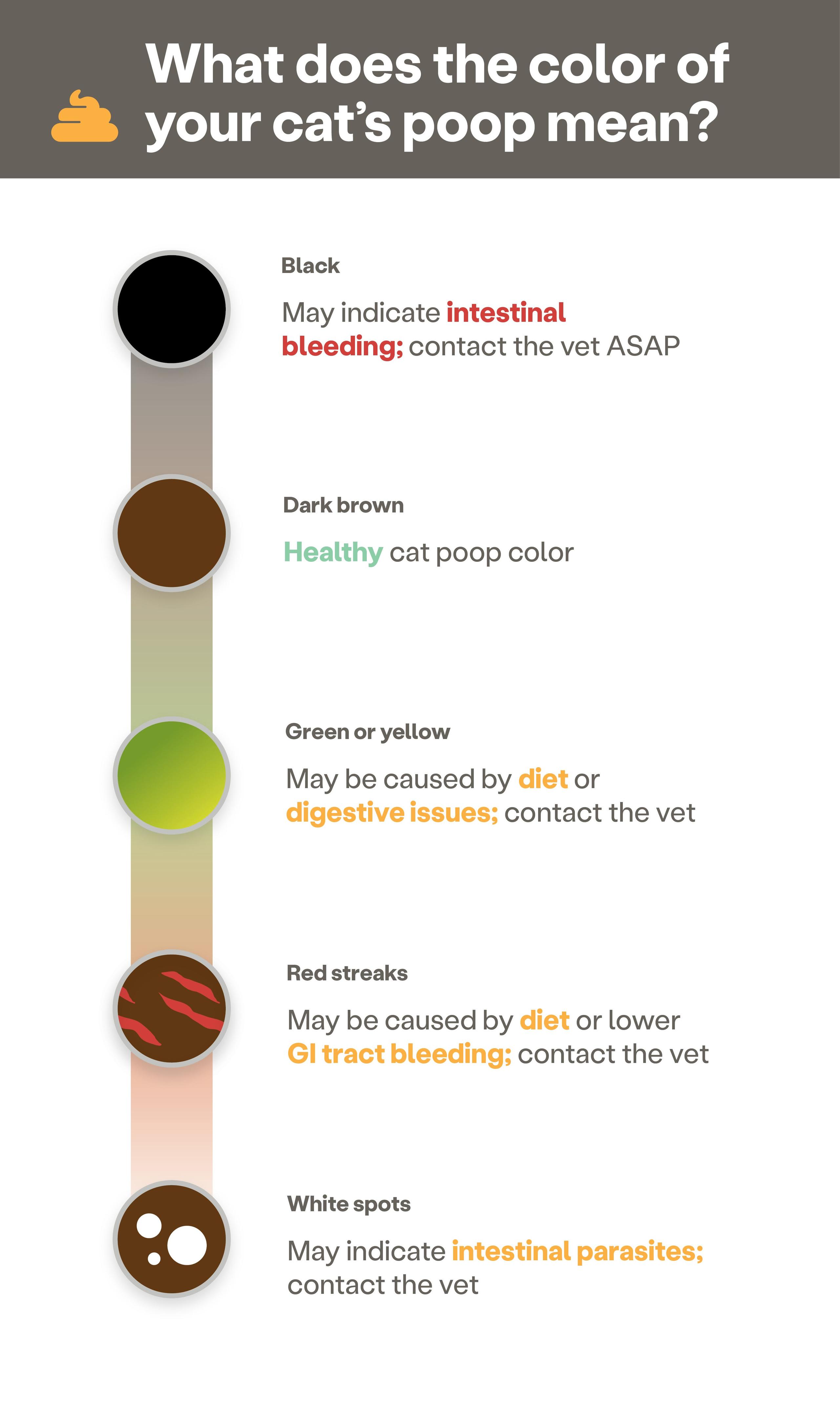
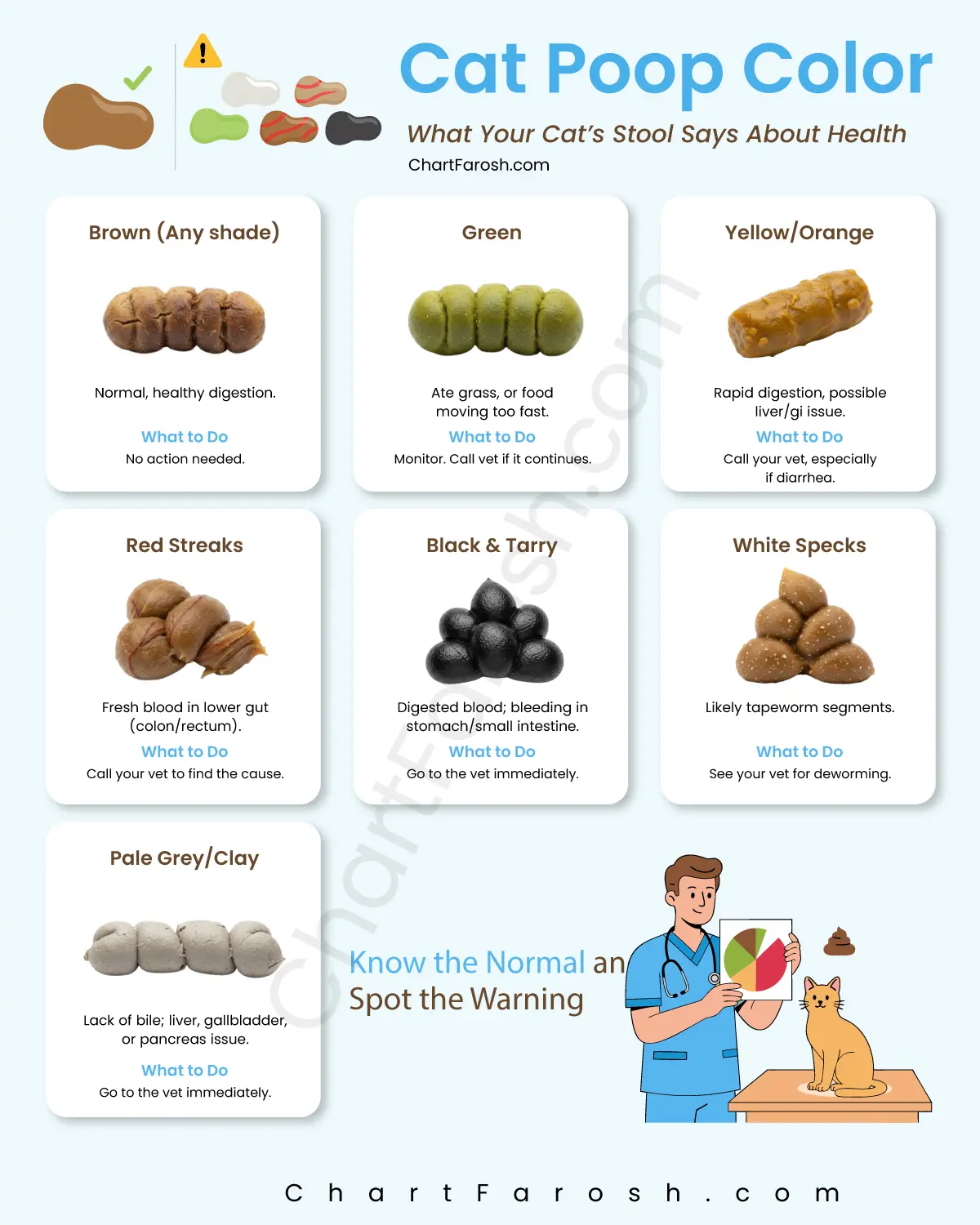
You're likely here because you've heard of the cat poop chart and are curious about what it entails. Perhaps you're a pet owner seeking a quick reference guide to understand your cat's health or maybe you're a veterinary professional looking for a reliable tool. This chart, also known as the feline stool scoring system, offers a simple yet effective way to monitor a cat's well-being. It provides a visual representation, often with a color-coded guide, to assess the consistency and color of cat feces, which can indicate potential health issues. While the specific values and formats may vary, the cat poop chart serves as a valuable resource for anyone seeking a straightforward method to keep an eye on their cat's health.
Understanding the Cat Poop Chart: A Practical Guide
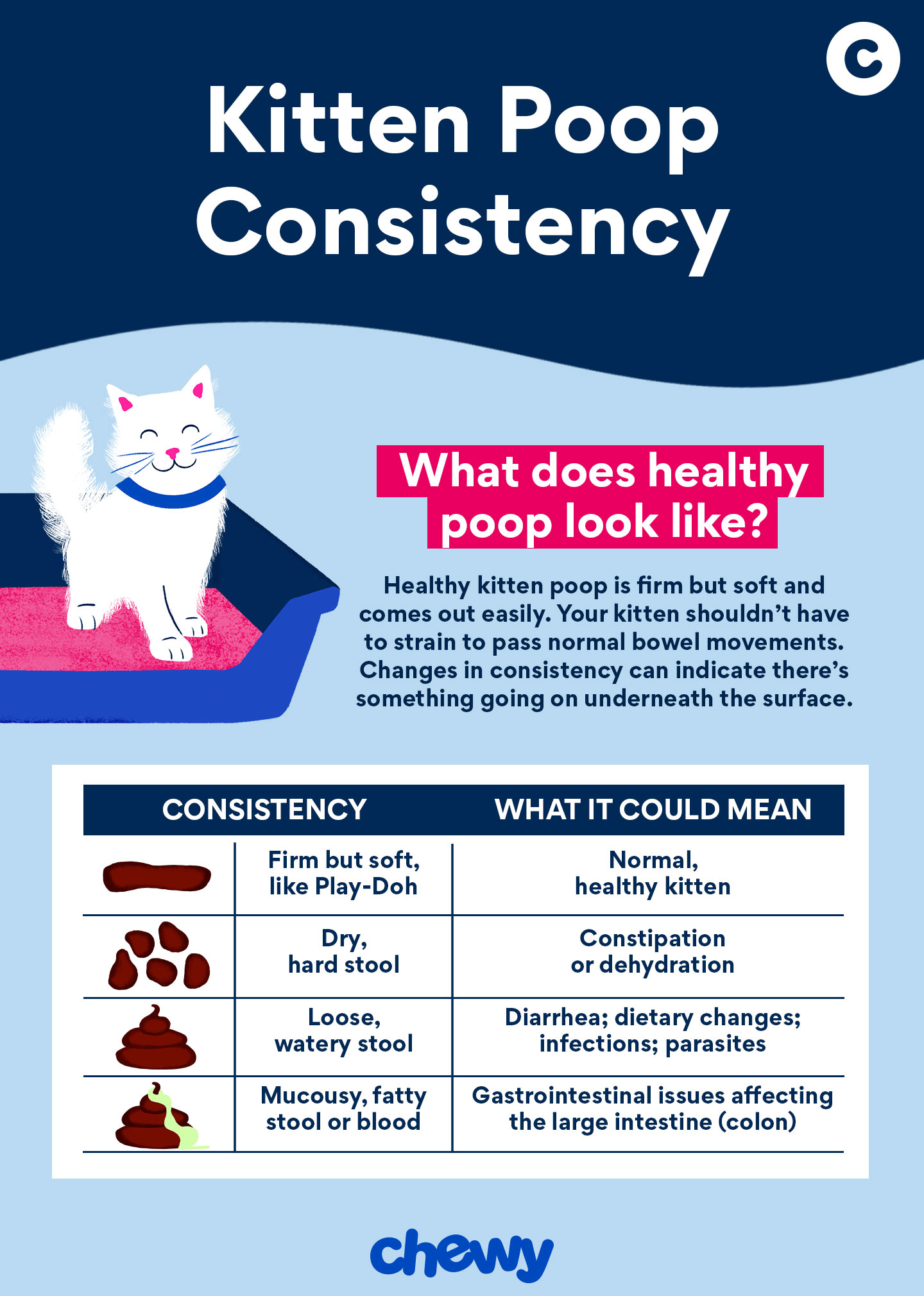
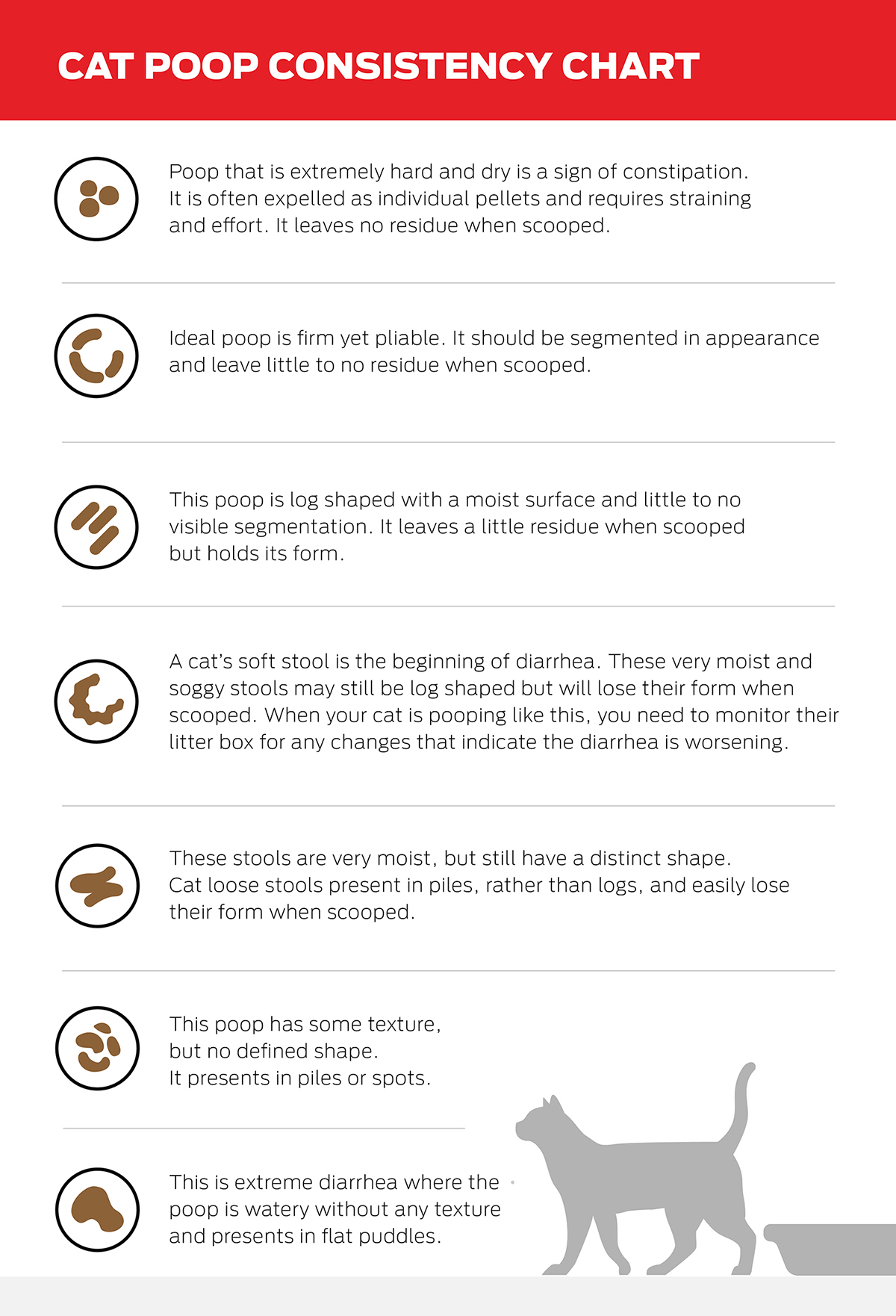
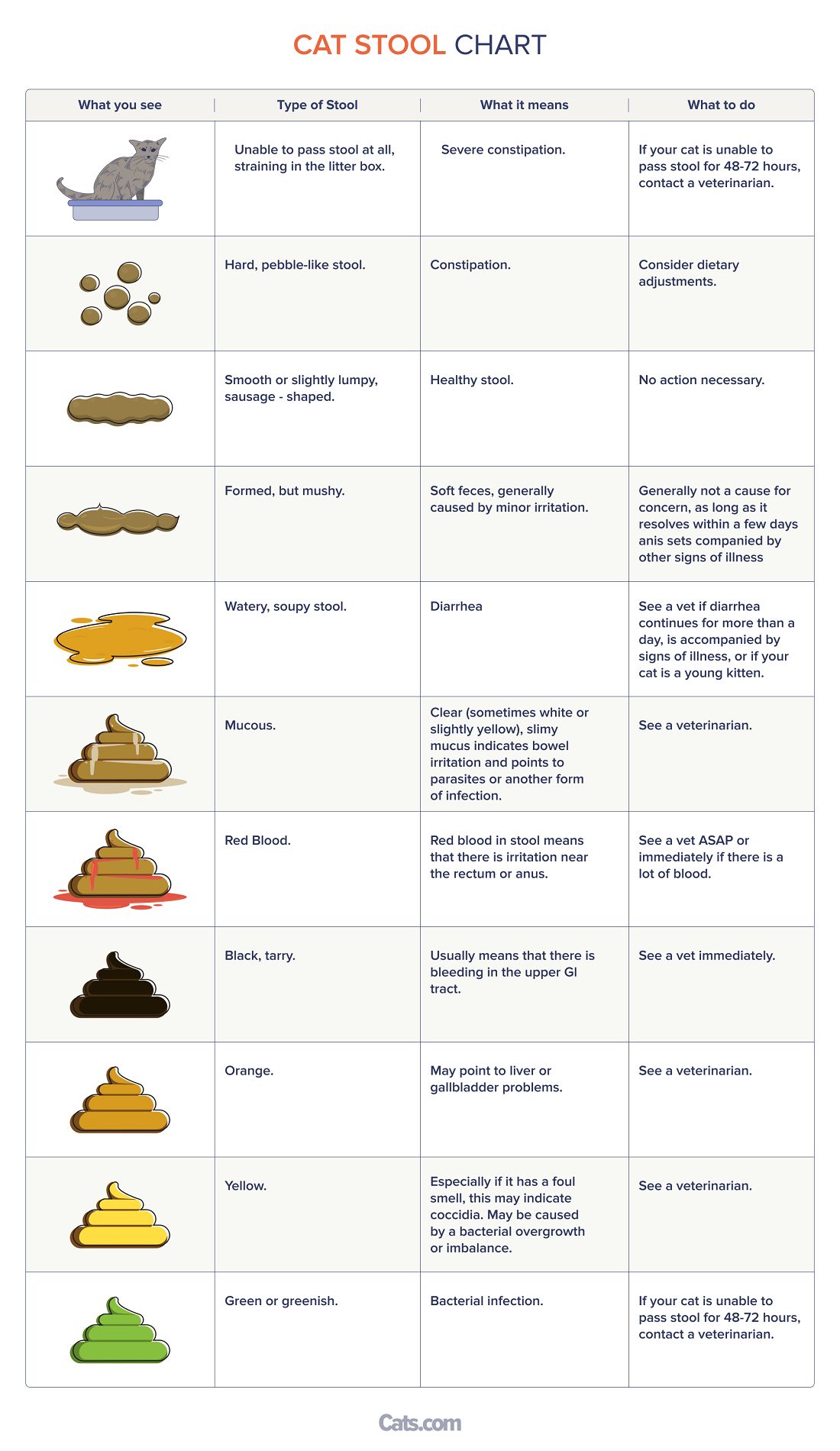
The cat poop chart, also known as the feline stool scoring system, is a valuable tool for cat owners and veterinary professionals. It provides a visual guide to assess the consistency and overall appearance of cat feces, offering insights into a cat's digestive health. This chart is an essential reference for monitoring and maintaining your feline friend's well-being.
Comparing Chart Formats and Standards
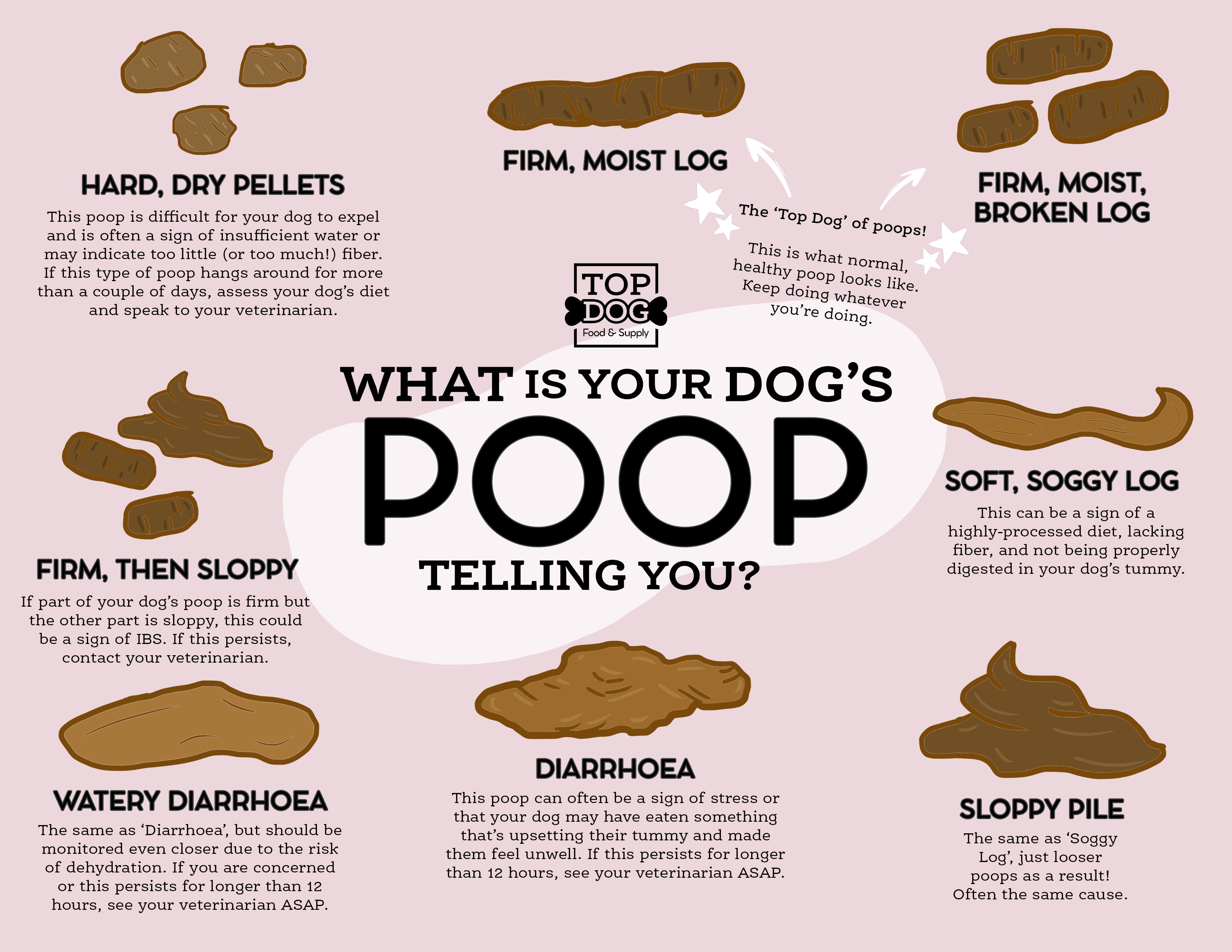
There are several versions of the cat poop chart available, each with its own set of categories and standards. The most common formats include a 7-point scale and a 5-point scale. The 7-point scale provides a more detailed assessment, covering a broader range of stool consistencies, from very firm to liquid diarrhea. The 5-point scale is a simplified version, focusing on the key variations in stool appearance. Both formats are widely used and offer accurate assessments when applied correctly.
Step-by-Step Guide to Using the Chart
Using the cat poop chart is a straightforward process:
- Collect a fresh sample of your cat's feces. Ensure it is intact and not contaminated.
- Refer to the chart and identify the closest match to the sample's consistency and appearance.
- Note the corresponding score or category on the chart.
- Interpret the score: a lower score indicates healthier, well-formed stools, while higher scores may suggest digestive issues.
- Repeat this process regularly to monitor any changes over time.
Avoiding Misinterpretations and Pitfalls
While the cat poop chart is a reliable tool, misinterpretations can occur. Here are some common mistakes to avoid:
- Relying solely on color: The chart considers overall consistency and texture, so focus on these aspects rather than just color.
- Ignoring other symptoms: Changes in stool consistency may indicate an underlying issue. Observe your cat for any other signs of illness or discomfort.
- Overinterpreting: Remember, the chart is a guide. If you have concerns, consult a veterinarian for a professional assessment.
Key Factors Affecting Accuracy
Several factors can influence the accuracy of your assessment using the cat poop chart:
- Diet: Changes in your cat's diet can impact stool consistency. Ensure a consistent, high-quality diet to maintain stable results.
- Hydration: Adequate water intake is crucial. Dehydration can lead to firmer stools, so monitor your cat's water consumption.
- Stress and Environment: Stressful situations or changes in the cat's environment can affect digestion. Consider these factors when interpreting the chart.
- Medication: Certain medications may impact stool consistency. Be aware of any recent changes in your cat's medication.
Adapting the Chart for Specific Needs
The cat poop chart can be tailored to specific situations or individual cats. If your cat has unique dietary needs or medical conditions, you may need to adjust the chart's categories or scores. Consult with your veterinarian to determine the most suitable format and interpretation for your cat's specific health needs.
Maintaining Reliable Reference
To ensure the cat poop chart remains a reliable tool, consider the following:
- Regular Updates: Stay informed about any updates or revisions to the chart's standards. Veterinary organizations may release new versions, so keep your reference materials current.
- Consistent Observation: Observe your cat's stool regularly and note any significant changes. This helps you identify trends and potential issues early on.
- Professional Guidance: If you notice persistent changes or have concerns, seek advice from a veterinarian. They can provide expert interpretation and guidance.
By following these practical tips and understanding the key factors, you can effectively utilize the cat poop chart to monitor your cat's digestive health and ensure their overall well-being.
While the cat poop chart offers a valuable and practical tool, it's important to remember that variations can occur. Exact details may differ slightly based on the context and specific guidelines you follow. So, it's always a good idea to refer to reliable sources and adapt the chart to suit your needs.
Feel free to explore other guides and resources on our platform to uncover more helpful insights and practical tools. We've got a range of topics covered, so you can find the information you need with ease.
Related: Find Your Perfect Fit: Wetsuit Size Chart
You're here, searching for a wetsuit size chart, probably with a wetsuit in hand, ready to take on the waves. And let's face it, getting the size right is crucial; no one wants a wetsuit that's too tight or too loose, right? The wetsuit size chart is your go-to guide, a simple yet effective tool to ensure a perfect fit. It's all about finding the right measurements, from chest to waist, and even considering the neoprene thickness. So, let's get you suited up and ready for some serious surfing!
Understanding the Wetsuit Size Chart
The wetsuit size chart is your go-to guide for finding the perfect fit. It's a simple tool that ensures you get a wetsuit that's comfortable and functional, allowing you to enjoy your water activities without any discomfort or restrictions. This chart provides a quick and easy reference for sizing, but it's important to understand how to use it accurately.
Comparing Sizing Standards and Formats
Wetsuit size charts can vary slightly depending on the manufacturer and the intended use of the wetsuit. While there are some standard sizing guidelines, it's essential to check the specific chart for the brand and type of wetsuit you're interested in. These charts often cover different wetsuit styles, including full-body suits, shorties, and wetsuit tops or bottoms. The sizing may also differ for men's and women's suits, so be sure to refer to the correct chart.
Step-by-Step Guide to Using the Size Chart
Using the wetsuit size chart is straightforward, but it's crucial to follow these steps to ensure an accurate fit:
Measure yourself: Take accurate measurements of your chest, waist, hips, and inseam length. These measurements are critical for finding the right size. Make sure you follow the instructions provided on the chart for measuring these areas.
Choose the right size: Compare your measurements to the size chart. Look for the size that aligns with your largest measurement. For example, if your chest measurement is larger than your waist and hips, choose the size based on your chest. This ensures a comfortable fit without restricting your movement.
Consider neoprene thickness: The thickness of the neoprene material can affect the fit. Thicker wetsuits may feel tighter, so you might need to size up if you prefer a looser fit. Keep this in mind, especially if you plan to use the wetsuit in warmer waters.
Check sleeve and leg lengths: Some charts provide additional measurements for sleeve and leg lengths. Ensure these measurements align with your preferences to avoid any discomfort or awkwardness while wearing the wetsuit.
Common Misreadings and How to Avoid Them
It's easy to make a mistake when using a wetsuit size chart, especially if you're not familiar with the process. Here are some common pitfalls to watch out for:
Overlooking the size guide: Always refer to the specific size guide for the wetsuit you're interested in. Different brands may have slight variations in their sizing, so relying on a generic chart can lead to an incorrect fit.
Measuring incorrectly: Take your time and follow the instructions carefully when measuring yourself. Inaccurate measurements can result in a poor fit. Ensure you understand how to measure each area properly.
Ignoring personal preferences: The size chart provides a starting point, but it's essential to consider your comfort and activity level. If you prefer a tighter fit for better performance, you might need to size down. Conversely, if you want a more relaxed fit, sizing up might be the better option.
Factors Affecting Accuracy and Real-World Use
Several factors can impact the accuracy of the wetsuit size chart and its real-world application:
Body shape: The chart provides a general guide, but body shape can vary significantly. If you have a unique body shape, you might need to adjust the sizing accordingly. For example, if you have broad shoulders and a narrow waist, you may need to size up to accommodate your upper body.
Brand variations: Different wetsuit brands may have slightly different sizing standards. Always check the brand's specific size chart and consider their sizing philosophy. Some brands might run smaller or larger than others, so be mindful of this when choosing a size.
Activity and water temperature: The type of activity and water temperature can influence the fit you need. For instance, if you're a competitive swimmer, you might prefer a tighter fit for better performance. On the other hand, if you're surfing in cold water, a slightly looser fit might be more comfortable.
Remember, while the wetsuit size chart is a valuable tool, it's just a guide. Always consider your personal preferences and the intended use of the wetsuit to ensure you get the perfect fit for your needs.
So, there you have it! A wetsuit size chart is a handy tool to ensure you get the right fit for your aquatic adventures. It's a simple guide, but one that can make a big difference to your comfort and performance.
Remember, while this chart provides a solid framework, it's always wise to consider your personal preferences and the specific activities you'll be doing. Exact values might vary slightly, so it's good to double-check and ensure you're happy with the fit. Consider bookmarking this page for future reference; it'll be there waiting for you when you need it next!
Related: What is the Sileo Dosing Chart?
You've landed here, searching for a clear and concise resource, and the Sileo dosing chart is exactly that: a straightforward guide to ensure accurate dosing. This chart, a trusted tool for many, offers a visual representation of the recommended doses, often tailored to different weights and ages. It's a quick reference, ensuring you can administer Sileo with confidence, and it's designed to be user-friendly, with variations depending on regional standards and specific needs.
Understanding the Sileo Dosing Chart
The Sileo dosing chart is a valuable tool for determining the appropriate dosage of Sileo, a medication often used to treat specific conditions. This chart provides a clear and concise guide to ensure accurate dosing, especially when considering factors like weight and age.
Key Details and Categories
Before delving into the chart, it's essential to understand its structure. The Sileo dosing chart typically displays dosage information based on weight categories, usually in kilograms. These weight ranges are divided into common age groups, ensuring a tailored approach to dosing. The chart provides recommended doses in micrograms, offering precise guidance for each weight category.
Interpreting the Chart: A Step-by-Step Guide
- Identify the patient's weight. Ensure you have an accurate measurement, as this is the primary factor influencing the dose.
- Locate the corresponding weight category on the chart. These categories are often color-coded or labeled for easy identification.
- Within the selected weight category, find the recommended dose in micrograms. This value represents the ideal dosage for that specific weight range.
- Administer the medication as directed, following the dosage guidelines. It's crucial to adhere to the recommended dose to ensure safety and effectiveness.
Variations and Safety Considerations
While the Sileo dosing chart provides a standardized guide, variations may occur due to individual factors. Different regions or healthcare settings might have slightly different charts or guidelines, so it's important to refer to the specific chart relevant to your location. Additionally, certain conditions or patient characteristics might require adjustments to the standard dose, emphasizing the need for professional medical advice. Always consult with a healthcare provider to ensure the safe and effective use of Sileo.
Remember, while this dosing chart serves as a valuable tool, it's always a good idea to double-check the specific guidelines and recommendations relevant to your situation. The exact values and units might vary slightly across different contexts and standards, so it's essential to refer to the most appropriate resources for your needs.
Feel free to explore our collection of guides; we have a range of practical resources to help you navigate various topics with ease and confidence. Happy reading and learning!