





Spongebobprintable Coloring Page Overview
A Boston tide chart is a handy tool for anyone interested in understanding the tides and water levels in the Boston area. This guide will provide a straightforward overview, ensuring you can read and utilize the chart with ease.
The chart offers a visual representation of tide times, heights, and predictions specific to Boston Harbor. It's a valuable resource for various activities, from boating and fishing to simply enjoying the harbor's beauty. While the format may vary slightly, the essential information remains consistent, making it a reliable companion for all your coastal adventures.
Understanding Tide Data: A Guide to Boston's Tidal Patterns
The Boston tide chart is a valuable tool for anyone interested in the city's water levels and tidal movements. It provides a visual representation of the predicted tides, offering insights into the rise and fall of the Boston harbor tides. This guide will help you interpret the chart and understand its practical applications.
Comparing Tide Graphs and Charts: Formats and Standards
There are various ways to present tide data, but the Boston tide chart typically follows a standard format. It displays a graph with time on the horizontal axis and tide height on the vertical axis. The chart often includes a legend or key, indicating the different tide levels and their corresponding heights. You may find charts using either feet or meters, depending on the standard adopted.
Reading Tide Graphs: A Step-by-Step Guide
To read a Boston tide chart accurately, follow these steps:
Identify the time scale: The chart's horizontal axis represents time, usually in 24-hour format. Ensure you understand the time intervals and any adjustments for daylight saving.
Locate the tide height: The vertical axis shows the tide height, typically in feet or meters. Each mark represents a specific height, and the scale may vary depending on the chart's focus.
Interpret the data: The graph's lines or curves represent the predicted tide levels over time. High points indicate high tides, while low points show low tides. The chart may also include additional information, such as the moon's phase, which can influence tidal patterns.
Plan your activities: With the tide data at hand, you can now plan your boating, fishing, or beach activities accordingly. High tides may offer better conditions for certain activities, while low tides can expose interesting marine life or provide access to specific areas.
Common Misreadings and Pitfalls: Practical Tips
While the Boston tide chart is a reliable tool, it's essential to be aware of potential pitfalls:
Weather conditions: Extreme weather events can impact tidal patterns, so always check the weather forecast and consider any storm surges or unusual weather patterns that may affect water levels.
Local variations: Boston harbor may have unique features or obstacles that can cause variations in tidal flow. Be aware of any local factors that might influence the actual water levels.
Time accuracy: Ensure you are using the correct time zone and adjust for any time changes, especially during seasonal transitions. A few minutes' difference can impact the accuracy of your readings.
Remember, the Boston tide chart is a predictive tool, and actual conditions may vary. It's always a good practice to double-check the current tide levels and water conditions before heading out.
While the specifics may differ slightly based on your unique circumstances, the key principles outlined here should provide a solid foundation for understanding and utilizing Boston tide charts. Remember, these charts are an invaluable tool for anyone planning coastal activities, offering a glimpse into the ebb and flow of the ocean's tides.
Feel free to explore our other guides and resources, where you can find more practical insights and tips to enhance your coastal adventures. Happy charting!
Related: Find Your Perfect Fit: Jeans Size Chart Guide
Many people struggle with the idea of a jeans size chart, assuming it's a complex and confusing tool. But it's actually a simple and handy reference, a quick guide to finding your perfect fit!
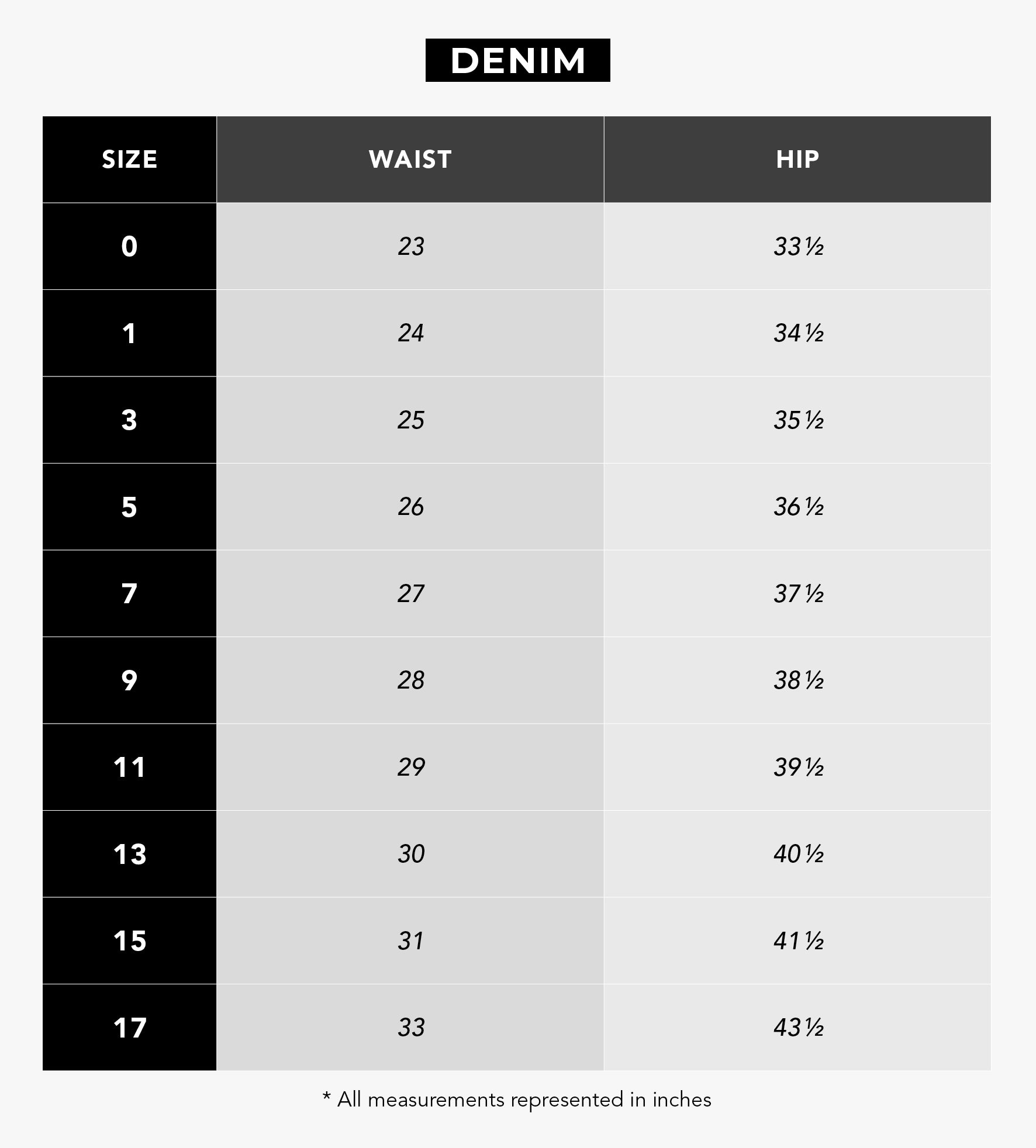
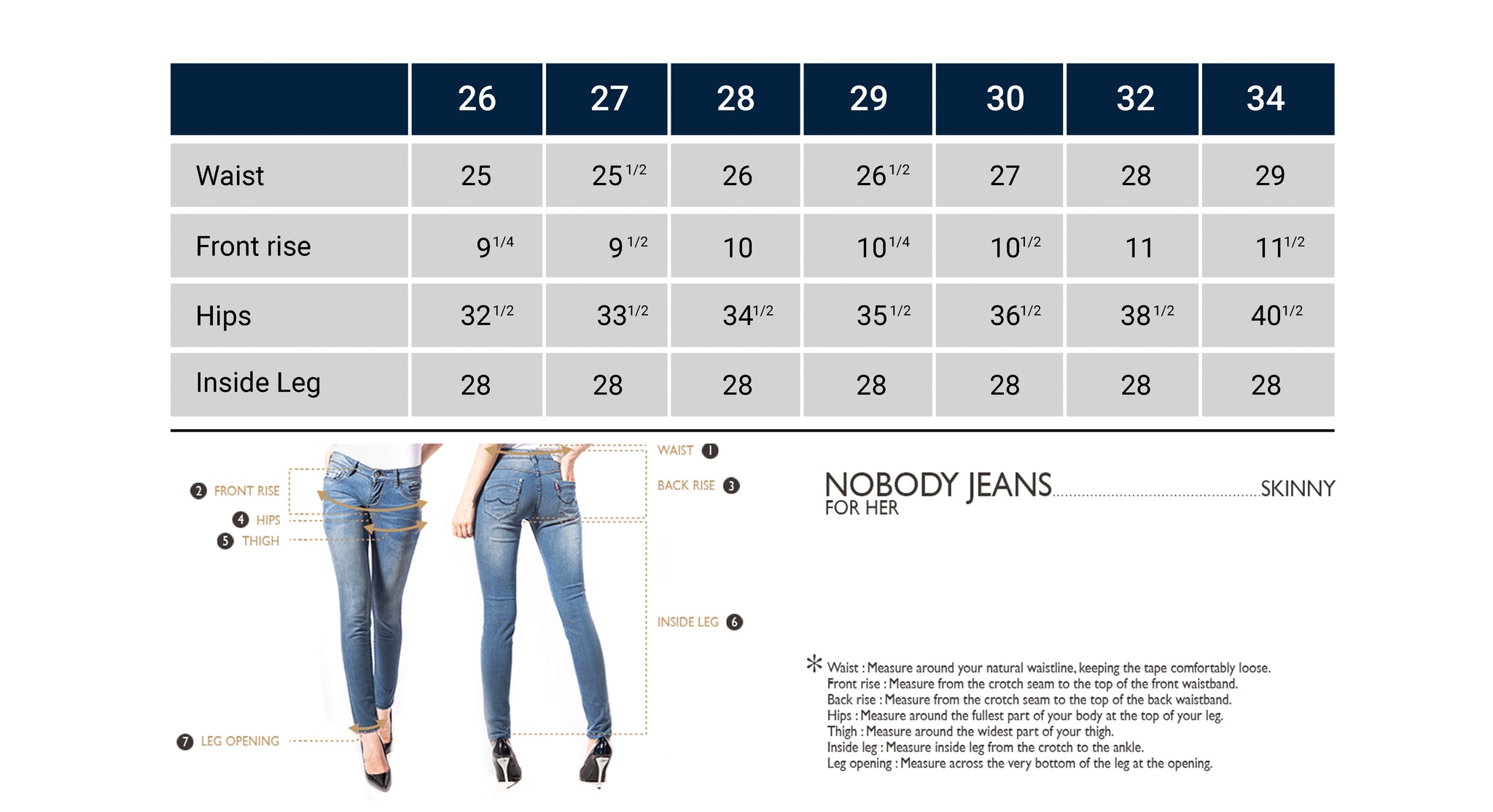
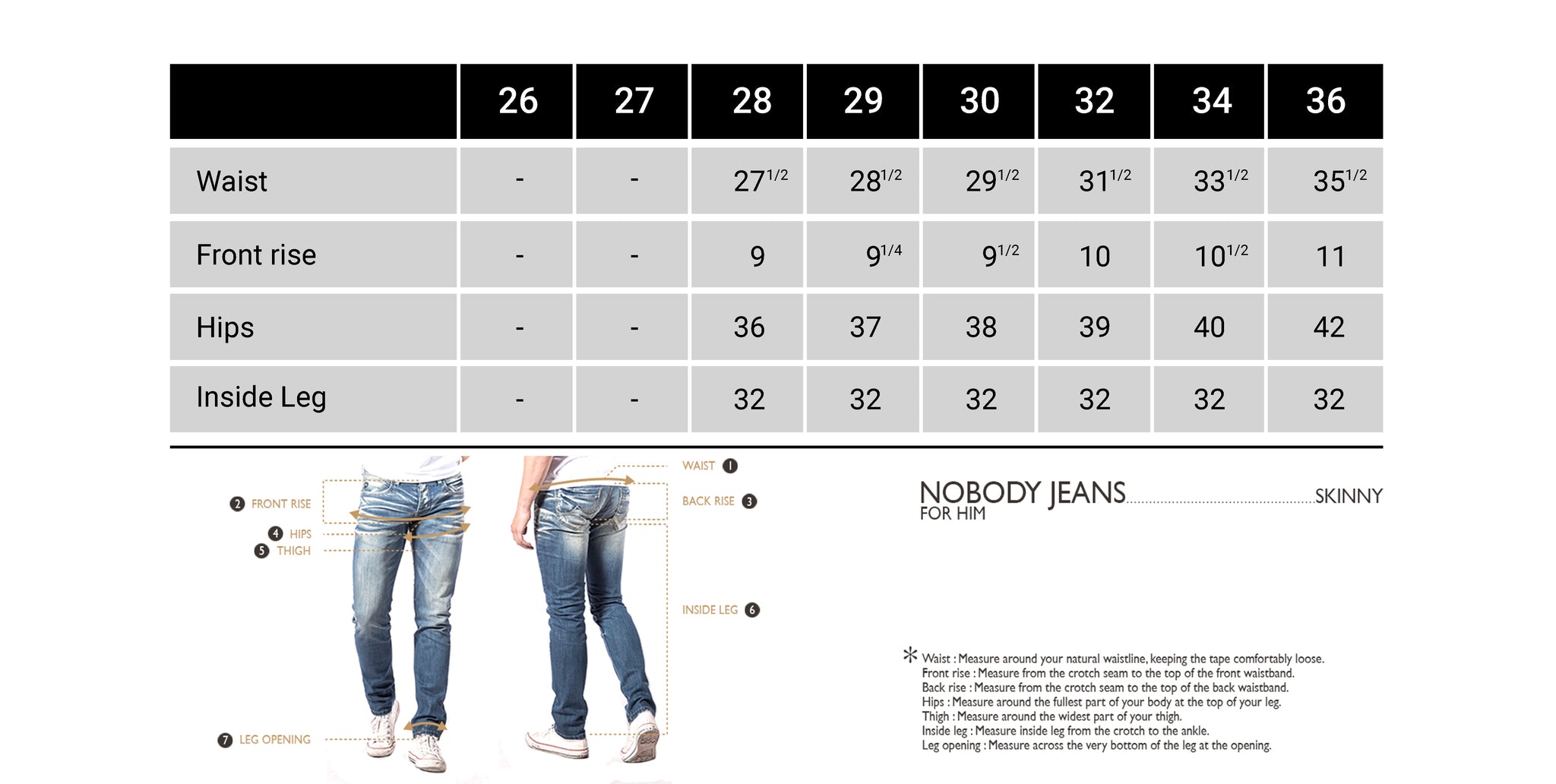
The chart offers a visual or tabular overview, providing waist and hip size measurements, along with other key details like inseam length and leg opening. While values may vary slightly between brands and regions, the jeans size chart is a reliable starting point for an accurate fit.
Understanding the Jeans Size Chart
The jeans size chart is your guide to finding the perfect fit for your denim dreams! It's a handy tool that translates your body measurements into the right jeans size, ensuring you look and feel great. This chart is like a secret code, but don't worry, it's easy to crack!
Key Details and Categories
Let's break down the chart's categories. Typically, a jeans size chart will have two main measurements: waist size and hip size. These are the most critical factors in finding a comfortable and flattering fit. You'll also find other details like inseam length, leg opening, and rise, which add precision to your choice. These measurements are usually in inches or centimeters, depending on the standard used. Always check the chart's units to ensure accuracy.
How to Read and Apply the Chart
Using the jeans size chart is a breeze! Here's a step-by-step guide:
- Measure your waist and hip sizes. Ensure you're measuring at the right points; for the waist, it's the narrowest part of your torso, and for the hips, it's the widest part.
- Find your waist and hip measurements on the chart. The chart will often have a grid or table format, with waist sizes along one axis and hip sizes on the other.
- Look for the intersection of your waist and hip measurements. This will give you your recommended jeans size. For example, if your waist is 28 inches and your hips are 36 inches, the chart might recommend a size 6.
- Consider other details like inseam length. If you prefer a specific leg length, choose a size that accommodates your desired inseam.
- Try it on! While charts are accurate, personal preferences and body shapes vary. So, it's always best to try the jeans and see how they feel and look.
Size Variations and Differences
It's important to note that jeans size charts can vary slightly between brands and manufacturers. This is because each brand might have a unique fit philosophy or use different measurement standards. Additionally, regional differences can impact size charts, with some countries using different sizing systems. Always check the brand's specific size guide or denim size chart to ensure you're using the right measurements. It's a good idea to refer to the brand's size guide when shopping online to avoid any surprises.
Finding the perfect jeans size is an adventure, and with this guide, you're equipped to navigate the jeans size chart like a pro!
Well, there you have it! A handy jeans size chart to keep on hand for all your denim adventures. Remember, these charts are a great starting point, but it's always wise to check the specific brand's size guide for any unique fits or styles.
Jeans shopping can be a fun and practical experience, and with this guide, you're well-equipped to find your perfect fit. So, happy browsing and remember to bookmark this page for future denim missions!
Related: Find Your Perfect Jean Size with Our Chart
You've likely found yourself searching for a jean size chart at some point, whether it's to double-check a size before ordering online or to understand the measurements listed on a clothing tag. These charts are a handy tool, offering a quick reference for finding your perfect fit, and they can vary slightly depending on the brand and region. With a simple glance, you can navigate the world of denim sizing, ensuring you always get the right pair of jeans.
Understanding Size Charts: A Guide to Jean Sizing
The jean size chart is a handy tool that simplifies the process of finding your perfect fit in denim. This chart provides a standardized way to determine your jean size, making it easier to shop for jeans, both in-store and online. It offers a quick reference for waist and hip measurements, ensuring you choose the right size for your body.
Comparing Standards and Formats
Jean size charts can vary depending on the region and manufacturer. The most common standards are the US and international (metric) systems, each with its own set of measurements and size labels. US sizes are often based on waist size, while international sizes may use a combination of waist and hip measurements. It's essential to know which standard a chart follows to ensure accurate sizing.
Step-by-Step Guide: Measuring for Jeans
To use a jean size chart accurately, follow these steps:
- Gather a measuring tape and stand in a comfortable position. Ensure the tape is straight and not twisted.
- Measure your waist at the narrowest point, usually just above your belly button. This is your waist size.
- Optionally, measure your hip at its widest point, typically around the hip bones. This measurement is crucial for a precise fit, especially for curvier figures.
- Refer to the jean size chart and locate your waist size. Some charts may also provide a hip size range for each waist size, ensuring a better fit.
- Choose the size that corresponds to your measurements. If your waist and hip measurements fall into different size categories, select the size that accommodates your hip measurement to ensure comfort and a flattering fit.
Avoiding Misreadings and Pitfalls
One common mistake is assuming all jean size charts are universal. Always check the standard and units used on the chart. For instance, a US size 8 may not align with an international size 8. Additionally, remember that jeans can stretch over time, so consider choosing a size that feels slightly snug initially.
Factors Affecting Accuracy
Several factors can influence the accuracy of a jean size chart. Firstly, body shape and proportions vary greatly, so a single chart may not cater to all body types. Secondly, denim fabric can stretch and shrink, especially with frequent wear and washing. To account for this, some charts provide a size range or suggest choosing a size down for a more tailored look. Lastly, manufacturing variations can lead to slight size discrepancies between brands. Always refer to the brand's size guide for specific tolerances.
Adapting the Chart for Your Needs
If you prefer a more tailored fit, consider using a pant size calculator or a detailed clothing size chart that considers multiple body measurements. These tools offer a precise fit by accounting for various body dimensions. Alternatively, for a quick and convenient option, stick to the standard jean size chart, which provides a good starting point for finding your size.
Well, there you have it! A comprehensive guide to jean sizes, covering all the bases and offering a practical solution for your sizing needs.
Remember, while this chart is a fantastic tool, it's always wise to double-check your specific requirements and context. Exact values can vary, so ensure you're using the right standards and measurements for your situation. With this guide, you're well-equipped to navigate the world of jean sizes confidently.
Consider bookmarking this page for future reference; it'll be a handy resource whenever you need to size up your denim game!