








Spring Coloring Book Pictures Overview
"What is a specialty contractor?" I asked myself as I started planning my home renovation. It's a term I kept seeing, but I wasn't sure what it meant exactly. So, I did some digging and here's what I found out.
The Basics: Who Are These Specialists?
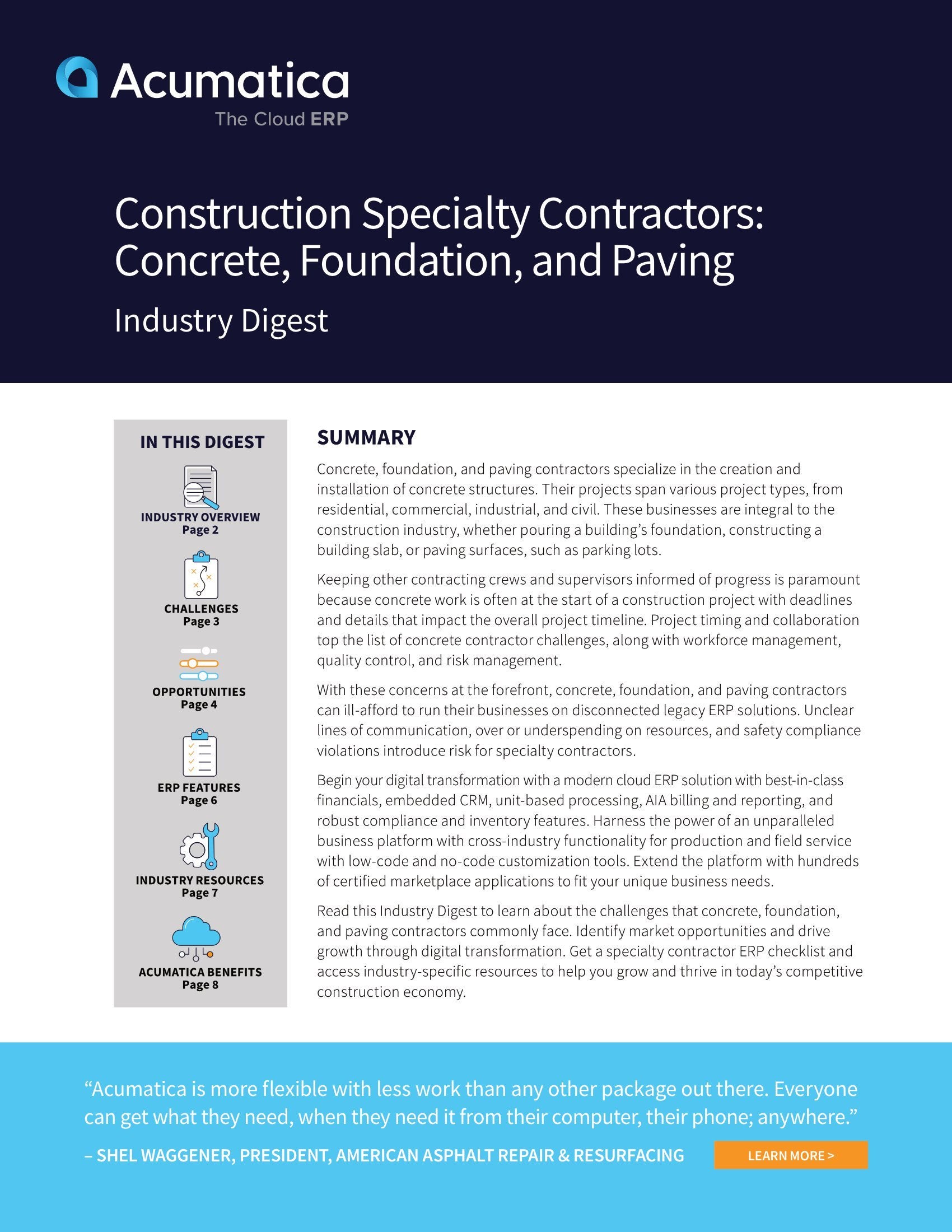
A specialty contractor is a pro who focuses on one specific trade or skill. Unlike a general contractor who oversees the whole project, these guys are the experts in their field. They might handle plumbing, electrical work, roofing, or even something more niche like pool installation or solar panel setup. It's all about having a deep knowledge of one area.
Why Does It Matter?
Well, if you're planning a project, knowing who to call can save you time and money. For example, let's say you need a new roof. You could hire a general contractor who will then subcontract the roofing work out to a specialist. But why not go straight to the source? A specialty contractor will likely be more efficient and offer better value. They're the masters of their craft and can often complete jobs faster and with fewer surprises.
Finding and Hiring a Specialist
When you're ready to hire, do your research. Get quotes from a few different companies and compare. Look for experience, references, and check their licensing and insurance. It's also a good idea to ask about their process and how they handle unexpected issues. Remember, the cheapest quote might not always be the best value. You want someone who understands your vision and can deliver high-quality work.
Company Names and Branding
If you're in the construction game and thinking of starting your own business, choosing a name is key. It should be memorable, unique, and reflect your specialty. Something like "Atlanta Electrical Experts" or "Helena's Roofing Masters" tells people exactly what you do. But don't forget to check name availability and secure your domain and local registration too.
Jobs and Industry Outlook
Specialty contractors often work for larger construction companies or are self-employed. The work can be varied and rewarding, and there's always demand for skilled tradespeople. If you're looking for a career change, consider training in a specialty trade. It's a stable industry with plenty of opportunities. You'll find jobs listed on construction-focused job boards and local classifieds.
Tools of the Trade
In the construction world, tools like RSMeans can be a big help. It's a cost database and estimating tool used by contractors and estimators to price projects accurately. It takes into account things like materials, labor, and escalation (changes in costs over time). Having access to reliable data like this can make a big difference when quoting for jobs.
Big vs. Small Firms
The construction industry has a mix of large and small firms. Big companies often have more resources and can take on larger projects, but smaller firms might offer more personalized service. It's a balance between scale and specialization. As a customer, it's worth considering what matters most to you and your project.
Final Thoughts
Understanding what is a specialty contractor can really help when planning a project. Knowing who to call and what to expect can make the process smoother. And if you're thinking of a career change, the construction industry offers a world of opportunities. So, whether you're a homeowner, a business owner, or considering a new path, specialty contractors are a key part of the picture.
Related: A Guide to Reading Banjo Chord Charts
You're probably here because you need a quick reference, a reliable guide to navigate the world of banjo chords. And what better tool than a banjo chord chart? It's a simple yet powerful resource, offering a visual representation of chords and their finger placements. This chart is your go-to companion, especially when you're learning new tunes or exploring different styles. It may vary slightly depending on the source, but the core information remains consistent, making it a handy and accessible tool for any banjo enthusiast.
Understanding the Banjo Chord Chart
The banjo chord chart is your go-to guide for mastering banjo chords. It's a visual representation, often a diagram or table, that simplifies the complex world of banjo music. This chart displays various chords, their finger placements, and sometimes even the corresponding notes and frets. It's an essential tool for banjo players, especially beginners, as it provides a quick reference for mastering chord progressions.
Comparing Chord Chart Formats
There are a few standard formats for banjo chord charts. Some charts use a grid-like structure, showing the banjo's fretboard with dots or numbers indicating finger positions. Others might use a more simplified approach, focusing on the chord shapes and their names. The choice of format often depends on the level of detail required and personal preference. For instance, a beginner might prefer a chart with clear, simple chord shapes, while an advanced player might opt for a more detailed fretboard diagram.
Using the Chart: A Step-by-Step Guide
To use the banjo chord chart effectively, follow these steps:
- Identify the chord you want to play. This is usually indicated by a letter or a chord name.
- Locate the corresponding chord diagram or fretboard chart.
- Place your fingers according to the diagram. Ensure your fingers are correctly positioned on the indicated frets.
- Strum or pluck the strings, and you've played the chord!
Common Misreadings and How to Avoid Them
While banjo chord charts are incredibly useful, there are a few common pitfalls to watch out for:
- Alternative Tunings: If you've altered your banjo's standard tuning, the chord chart might not align perfectly. Always ensure you're using the correct chart for your tuning.
- Open Chords: Some charts might not differentiate between open and barre chords. Open chords often have simpler finger placements, so ensure you understand the difference.
- Fret Placement: Misreading fret numbers is common. Double-check the fret positions, especially for chords with multiple notes.
- String Banjo: Ensure you're using a chart designed for a string banjo, as other types might have different string arrangements.
Remember, practice makes perfect! The banjo chord chart is a tool to guide your learning, but consistent practice is key to mastering these chords.
Hey there, banjo enthusiasts! We've covered a lot of ground with this chart, giving you a handy tool to navigate the world of banjo chords. Remember, the specifics might shift a bit based on your unique context, so always double-check.
Feel free to explore other guides and resources to enhance your banjo-playing skills. And don't forget to bookmark this page for future reference; it'll be a quick and easy way to refresh your memory whenever you need a chord reminder!
Related: Understand Depth Charts NFL: A Simple Guide
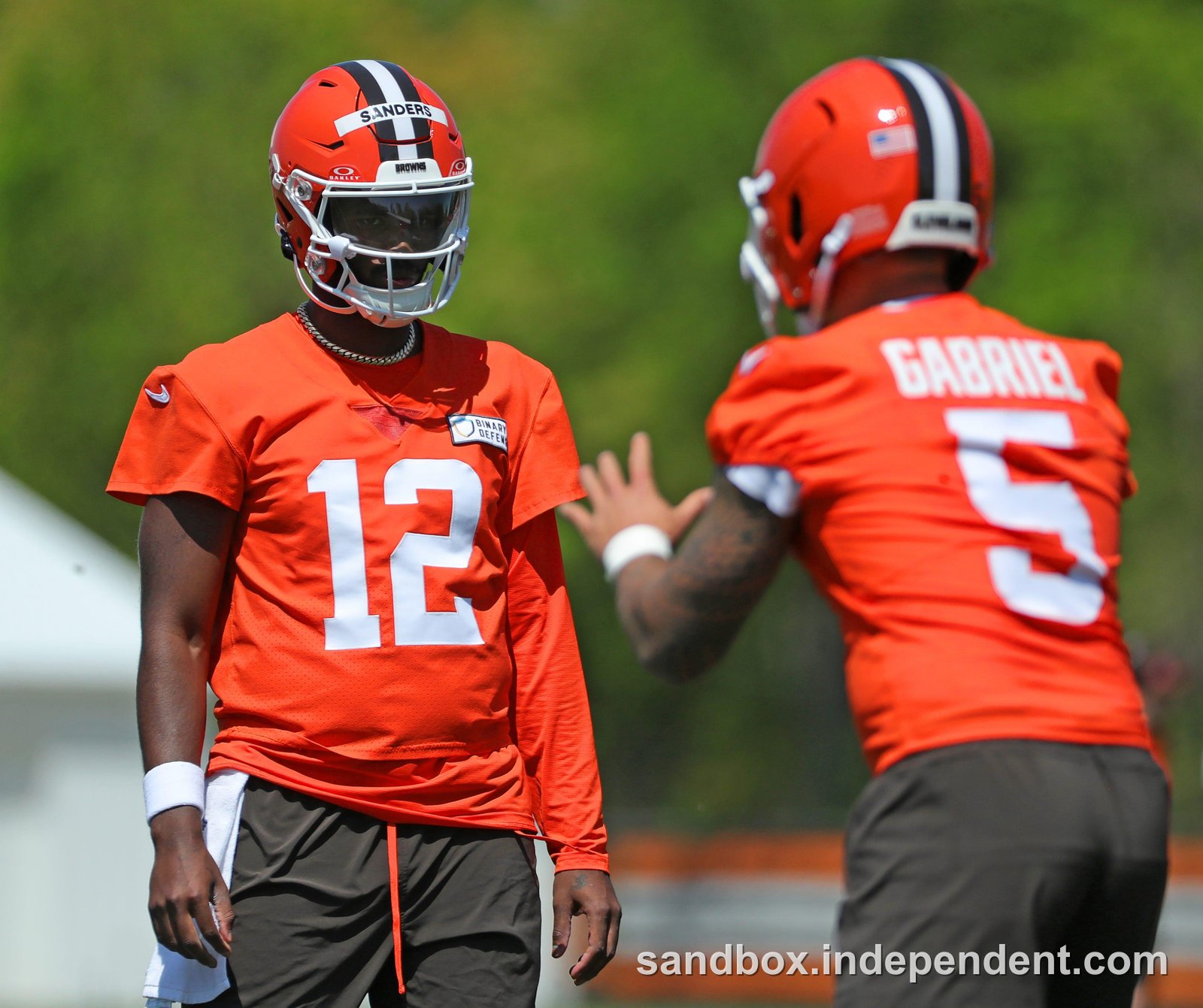
A common misconception about depth charts NFL is that they are merely a list of players; however, these charts are so much more than that. They provide a strategic overview, offering a unique insight into a team's tactics and player hierarchy. Depth charts NFL serve as a concise reference, allowing fans and analysts to quickly grasp a team's depth and potential, especially in specific positions.
Understanding Depth Charts: An Overview
A depth chart in the NFL is a valuable tool that provides an organized, visual representation of a team's roster. It offers a snapshot of the players' positions and their hierarchy within the team, giving coaches, players, and fans a clear understanding of the team's structure. This chart is an essential reference for strategizing and making informed decisions.
Comparing Depth Chart Formats and Standards
The depth chart follows a standardized format, typically arranged by position groups. Each position group is further organized with the starters at the top, followed by backups, and sometimes even further depth players. The chart may also include injury status indicators or notes about player availability. The NFL depth chart is a consistent tool, ensuring a clear and comparable view of team rosters across the league.
Reading a Depth Chart: A Step-by-Step Guide
To read a depth chart, start by identifying the position groups. These are usually labeled clearly, such as "Offensive Line," "Running Backs," or "Defensive Backs." Within each group, the players are listed in a hierarchical order. The starters, or the first-choice players, are at the top, followed by the backups, who are often listed in the order of their experience or skill level. Pay attention to any notes or symbols indicating injuries or special circumstances. These can provide valuable insights into a player's availability and the team's strategy.
Common Misreadings and How to Avoid Them
One common mistake is assuming that the depth chart is a strict hierarchy, where the second player listed is always the direct backup. While this is often the case, it's important to note that coaches may have specific strategies and plans. For instance, a team might have a veteran player listed as a backup, but they could be used in a rotational role or for specific packages. Additionally, injury situations can lead to unexpected changes, so always consider the latest updates and news to ensure an accurate interpretation.
Key Factors Affecting Depth Chart Accuracy
- Injury Status: Player injuries can significantly impact the depth chart. When a starter is injured, the backup steps up, and this can cause a ripple effect, moving players further down the depth chart into starting roles.
- Player Performance: The depth chart is a living document, and player performance can cause fluctuations. A player's impressive performance may see them rise up the chart, while a struggling player might find themselves demoted.
- Team Strategy: Coaches may have long-term plans and strategies, which can influence the depth chart. For instance, a team might want to develop a young player, so they might be listed higher on the chart to ensure they get more playing time.
Adapting Depth Charts for Specific Needs
While the standard depth chart format is consistent, teams and analysts may adapt it for their specific needs. Some teams might create more detailed charts, including additional notes on player strengths, weaknesses, or specific roles. Analysts might create depth charts that focus on specific scenarios, such as a "Red Zone" depth chart, which highlights the players most likely to be used in short-yardage situations. These adaptations ensure that the depth chart remains a versatile and valuable tool for various users.
Depth charts are a handy tool, offering a quick reference and a clear overview. It's important to remember that while they provide a valuable snapshot, they are just one part of the puzzle.
As you've seen, there are various factors and considerations to keep in mind when working with depth charts. Always ensure you're using the right format and data for your specific needs. Double-check the sources and standards you're referencing to ensure accuracy and relevance.
Feel free to explore our other guides and resources for more insights and practical tips. We've got a range of topics covered, so you can find the information you need to stay informed and make the most of your reference tools.