






Spring Coloring Pages For Kids Overview
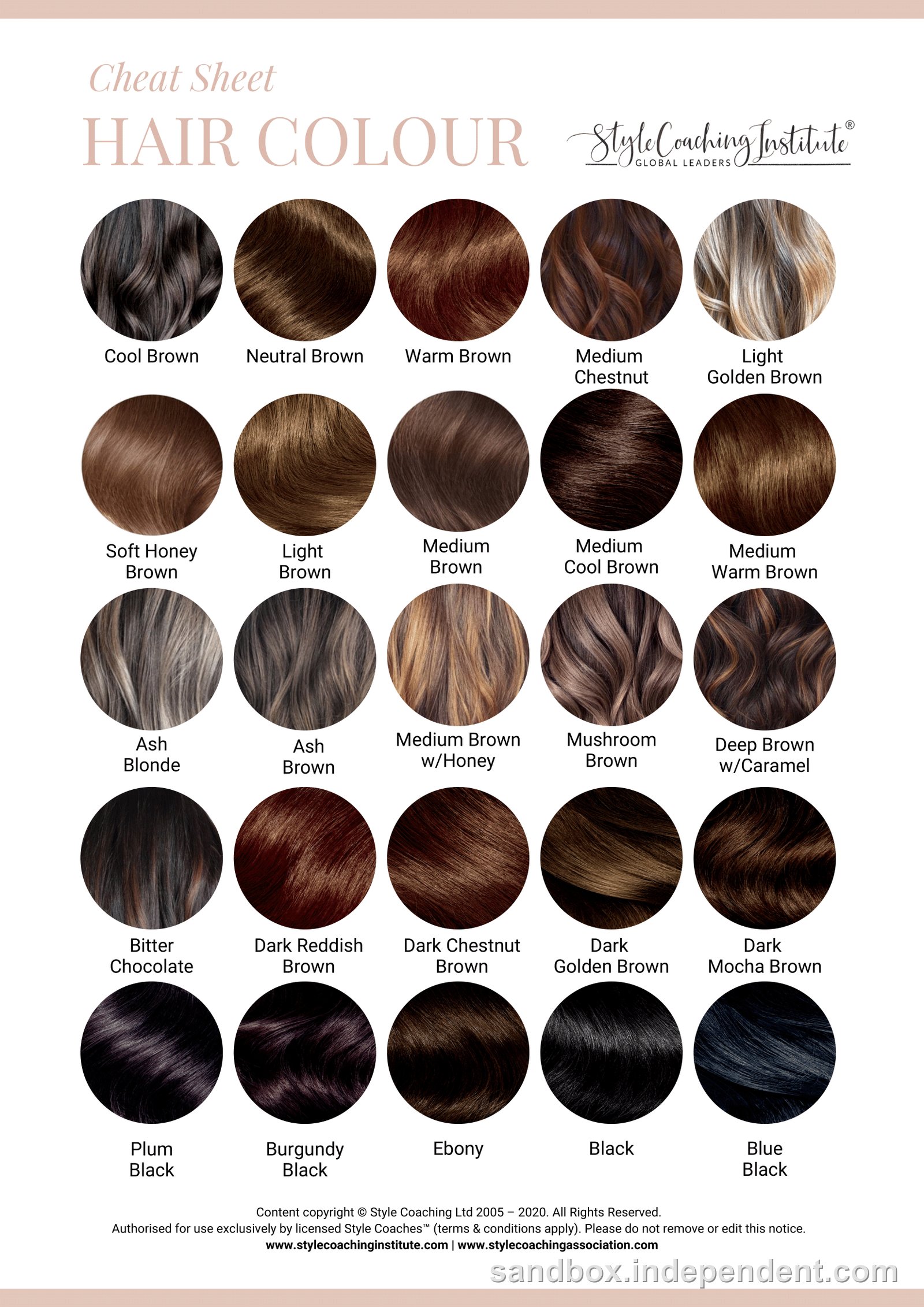
A common misconception about the blonde hair chart is that it's solely for professionals; however, this handy tool is accessible and beneficial for anyone interested in hair coloring. The chart, a simple yet effective visual aid, offers a clear path to understanding and achieving desired blonde shades. It provides an organized system, often using a level system and tone guide, to navigate the world of blonde hair colors.
Understanding the Blonde Hair Chart
The blonde hair chart is a visual guide that helps you navigate the world of blonde hair colors. It provides a comprehensive overview of various blonde shades, their characteristics, and how they can be achieved. This chart is an essential tool for anyone looking to explore and experiment with blonde hair, whether you're a professional stylist or an individual seeking the perfect blonde.
Key Details and Categories
The blonde hair chart typically consists of a color wheel or a grid-like layout, with each section representing a specific blonde shade. These shades are categorized based on their level of lightness or darkness, often referred to as the "level system." The levels range from 1 to 10, with 1 being the darkest blonde and 10 being the lightest, almost white blonde. Additionally, the chart may include sub-categories to indicate the tone, such as ash, golden, or platinum. Each shade is further described using a combination of numbers and letters, providing a unique code for each color.
Reading and Applying the Blonde Hair Chart
To use the blonde hair chart, follow these steps:
- Identify your current hair color's level and tone. This will help you determine the starting point for your blonde journey.
- Choose your desired blonde shade from the chart. Consider the level and tone that appeal to you and match your personal style.
- Understand the required process. The chart may indicate if a simple tone change is enough or if you need a more extensive color transformation.
- Consult a professional. While the chart provides a guide, a qualified stylist can offer personalized advice and ensure a safe and successful hair color change.
- Maintain your blonde. Follow aftercare instructions and use specialized products to preserve the color and health of your hair.
Variations and Differences
It's important to note that blonde hair charts may vary depending on the standard or brand being used. Different manufacturers may have slightly different level systems or tone guides. Additionally, individual hair types and previous color treatments can affect the final result. Here are some key factors that can cause variations:
- Hair porosity: The ability of hair to absorb and retain moisture can impact color uptake.
- Natural hair color: Starting from a darker base may require multiple processes to achieve a light blonde.
- Previous color history: Hair that has been previously colored may react differently to new color applications.
- Environmental factors: Sun exposure and water quality can affect the longevity of blonde shades.
Remember, while the blonde hair chart is a valuable tool, it's always recommended to seek professional advice for the best results and to ensure the health of your hair.
Before you put this chart into action, remember to tailor it to your specific needs. While we've covered the basics, the exact values and categories may vary slightly between different sources and standards. So, take a moment to ensure you have the right references for your context.
Consider bookmarking this page for future reference. It's a handy tool to have at your fingertips, and with a quick refresh, you'll be ready to navigate the world of blonde hair tones with confidence!
Related: Uncover the Secrets of Chart of Kalyan
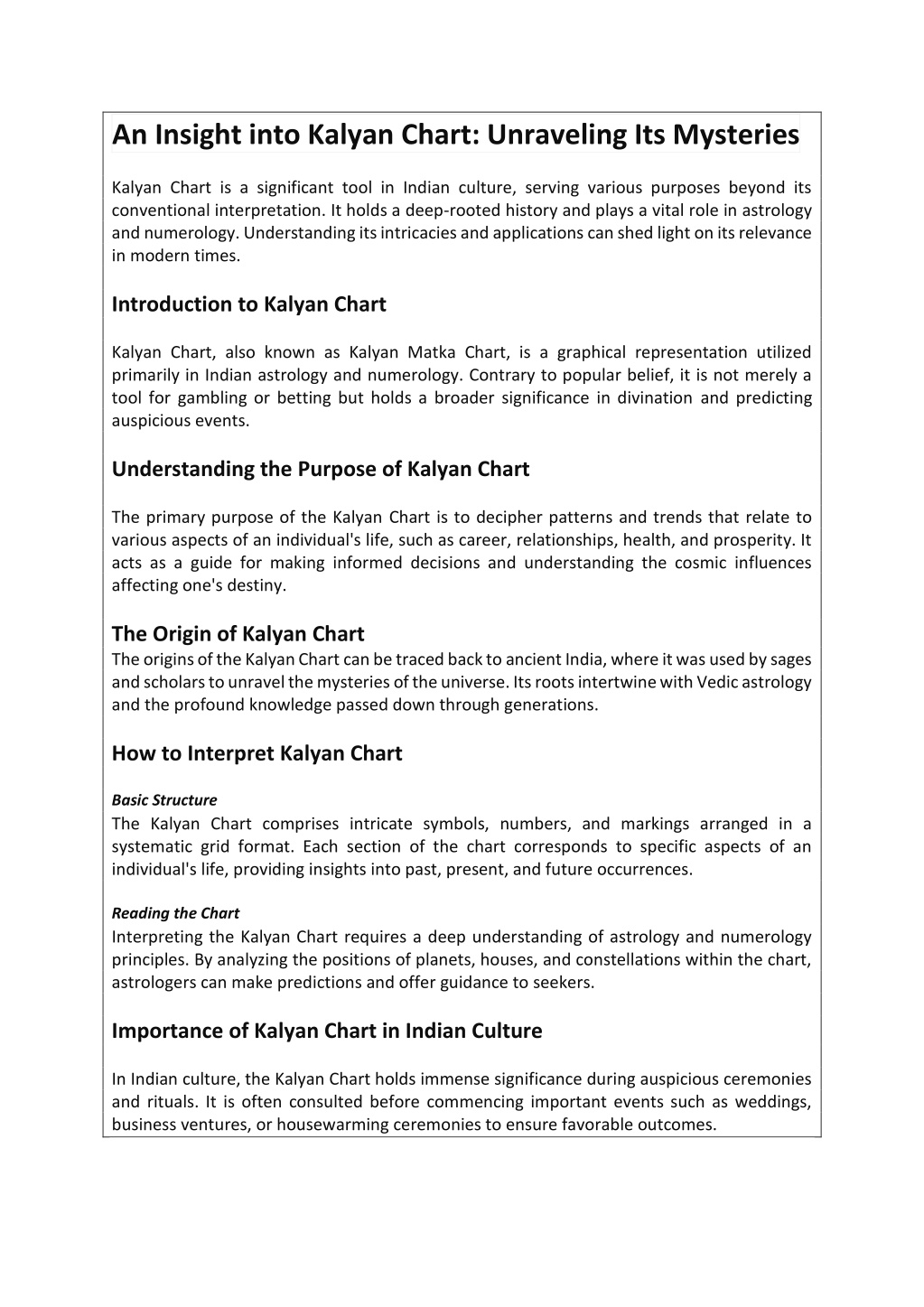
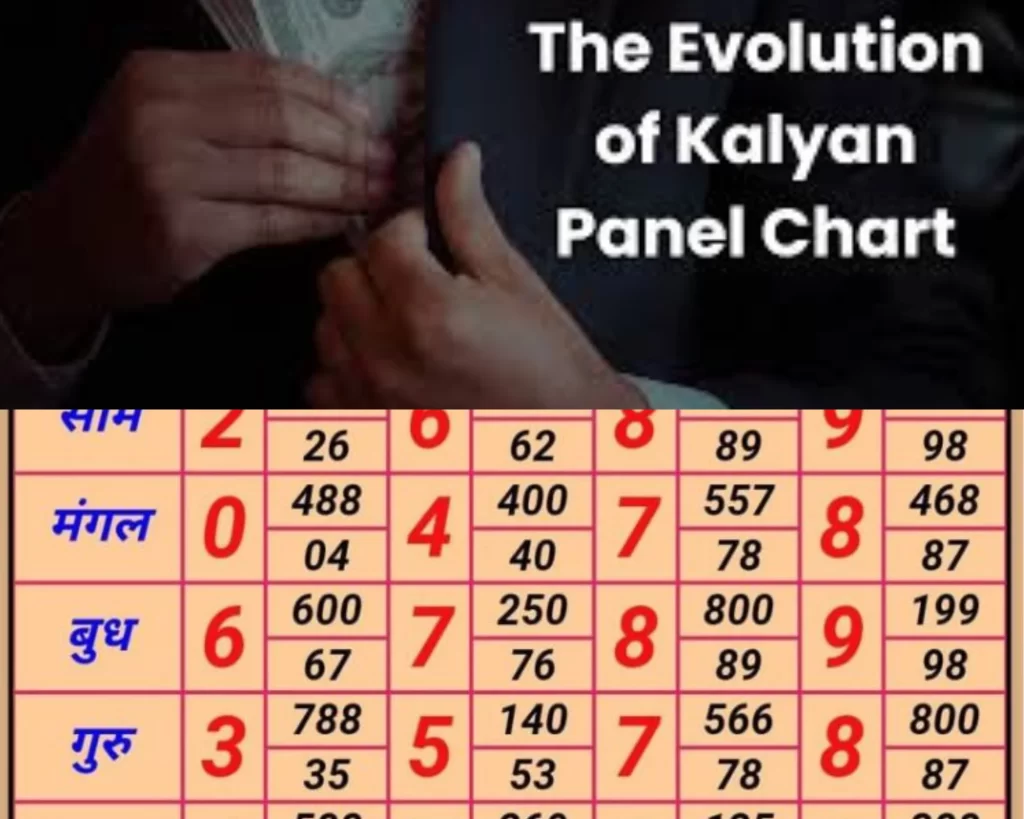
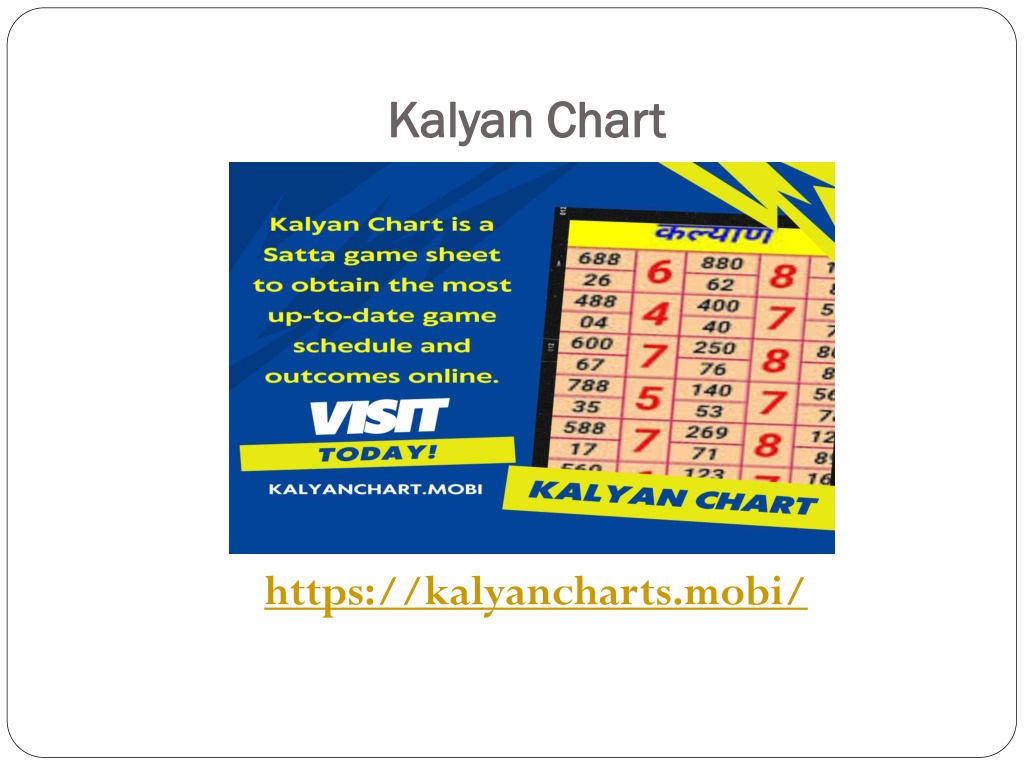
Many people often mistake the chart of kalyan for a complex and mysterious tool, but it's actually a simple and incredibly useful reference guide. The kalyan chart is a straightforward visual aid, and while it may look intimidating at first, its purpose is to provide a quick and easy reference for specific tasks. Think of it as a handy, universal language that simplifies complex information.
You'll find that this chart, in its various forms, is an essential tool for many, offering a clear and consistent way to understand and apply certain standards. Whether it's a kalyan diagram or a reference table, the key is to remember that its values and formats might vary depending on the context, so it's always a good idea to check the specific standards for your needs.
Understanding the Chart of Kalyan
The Kalyan chart is a reference tool that provides a visual representation of key data points, helping users quickly grasp complex information. It's a handy guide, often used in various industries, to make informed decisions and ensure accuracy in measurements and calculations. This chart is a valuable resource, offering a simple yet effective way to interpret and apply specific data.
Comparing Chart Variations
There are different versions of the Kalyan chart, each tailored to specific needs. These variations can include different measurement systems, such as the metric system or imperial units, depending on the region and industry. Additionally, charts may differ in their level of detail and the data they present, ranging from basic overviews to highly detailed breakdowns.
Step-by-Step Guide to Using the Chart of Kalyan
Using the Kalyan chart is straightforward. First, identify the type of chart you're working with, ensuring it aligns with your measurement system and data requirements. Next, locate the specific data point or category you need. Read the values or categories carefully, noting any units of measurement. For instance, if you're using a chart with imperial units, ensure you understand measurements like inches or feet. Finally, apply the data to your calculations or decision-making process.
Common Misreadings and How to Avoid Them
Misinterpreting the Kalyan chart is easy, especially when dealing with multiple variations. To avoid this, always double-check the chart's units and ensure they match your needs. For example, mistaking inches for centimeters can lead to significant errors. Additionally, pay attention to any notes or legends on the chart, as these often provide crucial context. Misreading these can result in incorrect assumptions about the data.
Key Factors Affecting Accuracy
Several factors can impact the accuracy of the Kalyan chart and its real-world applications. These include:
- Standardization: Ensure the chart follows the relevant industry or regional standards.
- Data Freshness: Regularly update your charts to account for any changes in specifications or tolerances.
- User Experience: Familiarity with the chart's format and data can impact accuracy.
- Environmental Factors: Consider any external influences, like temperature or pressure, which may affect measurements.
Choosing the Right Chart Format
Selecting the appropriate Kalyan chart format is crucial for accurate results. Consider your specific needs and the data you require. For instance, if you need detailed measurements, opt for a chart with a higher level of precision. On the other hand, a basic overview chart might suffice for general decision-making. Always ensure the chart's units match your measurement system to avoid confusion and errors.
Keeping Your Reference Reliable
To maintain the reliability of your Kalyan chart, regular updates are essential. Stay informed about any changes in standards or specifications relevant to your industry. Additionally, consider creating a system to track and manage different chart versions, ensuring you always have access to the most recent and accurate data. This practice helps avoid using outdated charts, which can lead to significant errors.
Well, there you have it! A comprehensive guide to the Chart of Kalyan, a handy tool for your reference needs. We've covered a lot of ground, from understanding the different options to ensuring accuracy and reliability.
Remember, when it comes to practical guides like this, it's always worth taking a moment to ensure the specifics match your unique situation. So, double-check those details, and you'll be all set!
If you found this guide helpful, feel free to explore our other resources. We've got a range of practical, no-nonsense guides to assist with various topics. Happy learning, and we hope to see you around!
Related: Understand Door Handing Chart: A Visual Guide
You're probably here because you need a quick answer, right? Well, if you're looking for a door handing chart, you've come to the right place. It's a simple yet handy reference tool that tells you everything you need to know about door handing and its direction. This chart provides a clear visual guide, ensuring you get the door swing direction right, every time. Whether it's for a new installation or a quick fix, the door swing chart is your go-to resource, offering a standard way to determine the door handing direction and hinge placement.
Understanding the Chart: A Quick Overview
The door handing chart is a handy tool that simplifies the process of determining a door's handing and swing direction. It provides a visual reference, typically in the form of a diagram or table, to help you understand how a door should be installed and which way it should open. This chart is especially useful for ensuring proper door installation and functionality.
Comparing Handing Directions: Left, Right, and More
The door handing chart categorizes doors based on their handing direction, which refers to the side from which the door is opened. It usually includes categories like "left-hand inswing" and "right-hand outswing," indicating whether the door opens inward or outward and from which side. These categories are essential for accurate installation.
Step-by-Step Guide to Using the Chart
- Identify the Door: Start by examining the door you want to install or understand. Note its size, shape, and any unique features.
- Locate the Hinge Side: Determine which side of the door has the hinges. This is crucial for identifying the handing direction.
- Refer to the Chart: Consult the door handing chart and find the category that matches your door's hinge placement and swing direction.
- Follow the Chart's Instructions: The chart will provide clear guidance on how to install the door based on its handing. It may include visual aids or written instructions.
- Double-Check: Always verify the measurements and ensure they align with the door's specifications to avoid installation issues.
Common Misreadings and How to Avoid Them
Misinterpreting the door handing chart can lead to installation errors. One common mistake is assuming all doors swing the same way. Remember, the chart provides specific directions for each door type. Another pitfall is ignoring the hinge placement. Always consider the hinge side when referring to the chart. Additionally, be aware that some charts may use different symbols or terminology, so familiarizing yourself with the specific chart's conventions is essential.
Factors Affecting Accuracy and Real-World Use
Several factors can influence the accuracy of the door handing chart. First, ensure you are using the correct chart for your region or standard. Measurements and categories may vary, so double-check the applicable standards. Additionally, consider the door's intended use and any specific requirements, such as security or accessibility features, which might impact the handing direction. Finally, always refer to the manufacturer's guidelines, as they may provide additional specifications or recommendations.
Well, there you have it! A handy door handing chart can make your life so much easier, especially when you're dealing with different door types and their specific requirements. Remember, it's always a good idea to double-check your measurements and ensure you're following the right guidelines for your project.
Feel free to explore our other guides; we've got plenty of practical tips and tricks to share. Happy DIY-ing, and don't forget to keep those doors swinging smoothly!