


Square Root Chart A4 Overview
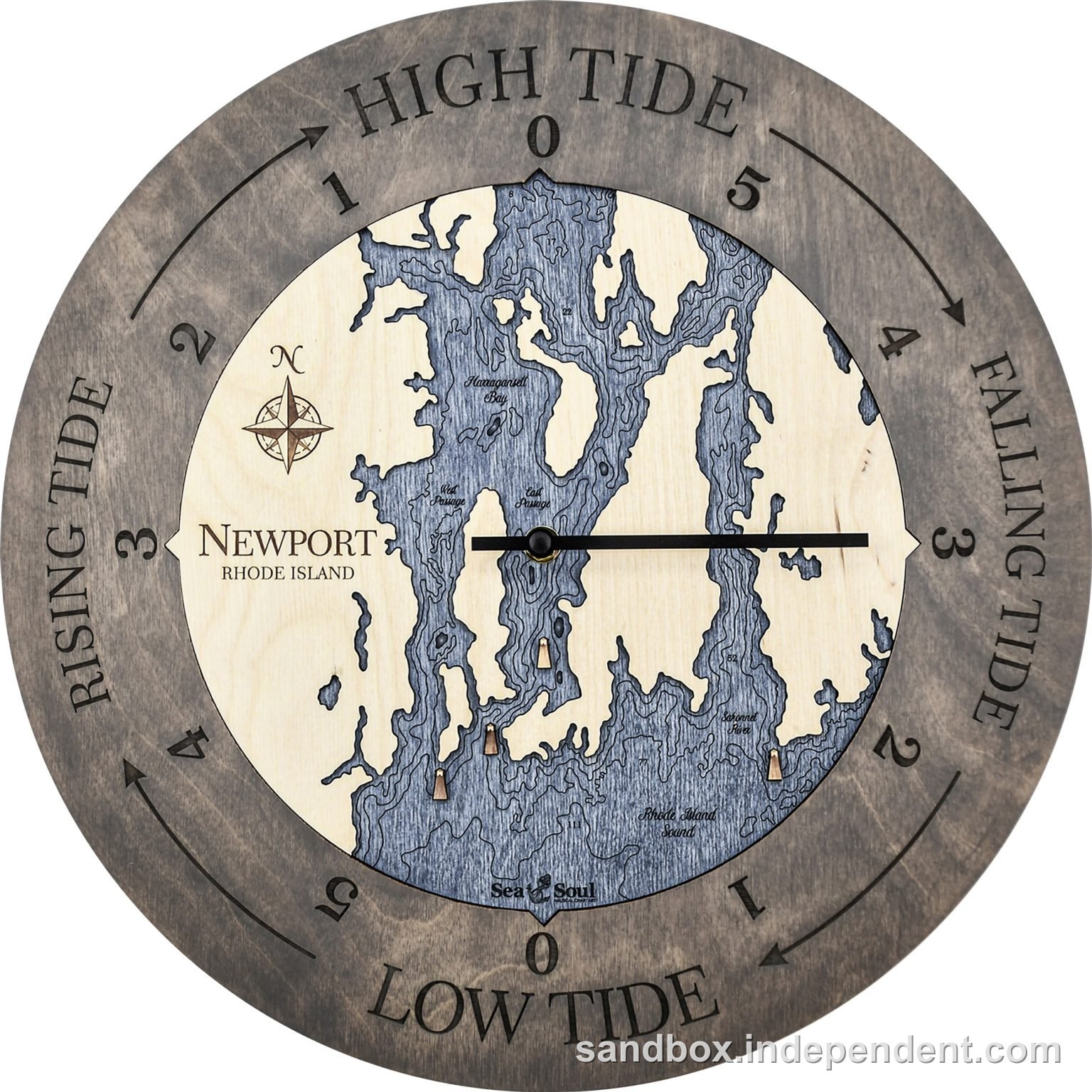
Many people overlook the power of a simple Oahu tide chart and its ability to provide essential insights. It's not just a pretty visual; it's a practical tool with a specific purpose. The chart is your reliable guide to understanding the ocean's rhythm, offering a clear view of tide times and heights. With this knowledge, you can plan your beach days, water sports, or even fishing trips with confidence.
Understanding Tide Patterns on Oahu
The Oahu tide chart is your go-to guide for navigating the island's coastal adventures. It provides a snapshot of the ocean's rhythm, helping you plan your activities around the tides. This chart is a handy tool, especially for surfers, swimmers, and beachgoers, as it offers a glimpse into the ocean's movements.
Reading the Chart: Formats and Categories
The Oahu tide chart typically displays tide information in a clear, tabular format. You'll find columns indicating the date and time, followed by the tide height and its status, such as high or low tide. The height is often measured in feet or meters, depending on the standard used. It's essential to check which unit of measurement is employed to ensure accuracy.
Practical Tide Tips: Step-by-Step Guide
To make the most of your time on Oahu, follow these simple steps:
- Locate the current date and time on the tide chart.
- Identify the corresponding tide height and its status (high or low).
- Consider the activity you have planned. For instance, low tide might be ideal for beachcombing or exploring tide pools, while high tide is perfect for surfing or swimming.
- Adjust your plans accordingly, ensuring you make the most of the tide's influence.
Common Tide Variations and Misreadings
While the Oahu tide chart is a valuable tool, it's important to note that tides can vary due to several factors. Here are some common variations and how to account for them:
- Weather conditions: Strong winds and storms can influence tide heights and timings. Always check the weather forecast to anticipate any changes.
- Moon phases: The moon's gravitational pull affects tides. Full and new moon phases often bring higher high tides and lower low tides.
- Seasonal changes: Tides can vary throughout the year, with some seasons experiencing more extreme variations.
To ensure accuracy, double-check the specific standards and measurements used on your Oahu tide chart. While the chart provides a reliable guide, it's always beneficial to observe the ocean's behavior and adjust your plans accordingly. Remember, the ocean's rhythm is a fascinating dance, and understanding its patterns will enhance your coastal experiences on Oahu.
Well, there you have it! We've covered a lot of ground, from understanding the different tide chart formats to learning how to read them accurately. It's a simple yet powerful tool for any ocean-lover or adventurer.
Remember, while this guide provides a solid foundation, your specific needs may vary. So, take a moment to ensure you've considered all the unique aspects of your adventure before you set sail. And don't forget to explore our other guides for more practical tips and insights!
Related: Understanding the Tattoo Hurt Chart
A tattoo hurt chart is a valuable resource for anyone considering body art, offering a visual representation of the potential pain levels associated with different tattoo placements. This guide aims to demystify the process, providing an overview of how these charts work and what they can tell you.
The tattoo hurt chart is a simple yet effective tool, often presented as a table or diagram, which rates various body parts based on their pain sensitivity during the tattooing process. While the exact values may vary, depending on individual pain tolerance and the artist's technique, it serves as a useful reference point, helping you make an informed decision about your tattoo journey.
A Guide to Tattoo Pain: Understanding the Hurt Chart
The tattoo hurt chart is a valuable tool for anyone considering body art, providing an insight into the relative pain levels associated with different tattoo placements. This chart serves as a reference, offering a visual representation of pain intensity to help individuals make informed decisions about their tattoo journey.
Comparing Pain Levels: The Tattoo Pain Index
The tattoo pain index is a standardized scale that rates the pain associated with various body parts. It categorizes pain levels from mild to severe, considering factors such as skin sensitivity and nerve density. The chart typically uses a numerical scale, with higher numbers indicating greater pain. For example, a rating of 5 might represent moderate pain, while a 10 signifies an intense, uncomfortable experience.
How to Use the Tattoo Hurt Chart: A Step-by-Step Guide
Identify the Body Part: Start by locating the specific area on your body where you plan to get tattooed. Different body parts have varying pain thresholds due to their unique anatomical characteristics.
Consult the Chart: Refer to the tattoo hurt chart to find the corresponding body part. Each body part is assigned a pain rating, providing an indication of the expected discomfort.
Interpret the Scale: Understand the scale's range and what each number signifies. A rating of 3 might indicate a mild discomfort, suitable for those new to tattoos, while a 7 could suggest a more challenging experience.
Consider Personal Factors: Remember that pain perception is subjective. Your personal pain threshold and tolerance play a significant role. Some individuals may find a certain rating more bearable than others.
Discuss with Your Artist: Share your concerns and expectations with your tattoo artist. They can offer insights based on their experience and provide techniques to manage pain effectively during the process.
Common Misconceptions and Pitfalls
While the tattoo hurt chart is a valuable guide, it's essential to be aware of potential misconceptions. Firstly, pain perception varies greatly among individuals, so the chart should be used as a general reference rather than an absolute indicator. Additionally, the chart may not account for all variables, such as the complexity of the design or the artist's technique. It's crucial to have open communication with your artist to ensure a comfortable and enjoyable tattoo experience.
In summary, the tattoo hurt chart is a practical tool to navigate the pain associated with different tattoo placements. By understanding the scale, considering personal factors, and seeking professional advice, you can make informed decisions and embrace the tattoo journey with confidence.
Tattooing is an art, and like any art form, it comes with its own set of considerations. Remember that every experience is unique, and the pain threshold can vary from person to person. The chart provides a general guide, but your personal journey may differ slightly.
Feel free to explore other guides on our site to deepen your understanding and make informed choices. We've got you covered with various resources to ensure your tattoo experience is as enjoyable and comfortable as possible. Happy inking!
Related: Need a shirt size chart? Find your perfect fit!
You're probably here because you need a quick fix, a simple solution to finding your perfect shirt size. And what better tool than a shirt size chart? It's a handy reference, a map to navigate the world of clothing sizes, and it's right at your fingertips. These charts offer a straightforward way to ensure you get the right fit, and they can vary slightly depending on the brand or region, so it's always good to have a reliable guide.
Shirt Size Chart: A Practical Guide
A shirt size chart is a handy reference tool that helps you find the perfect fit for your shirts. It provides a standardized way to determine your size based on key body measurements. These charts are essential for online shopping or when you need to order custom-made shirts.
Key Details and Categories
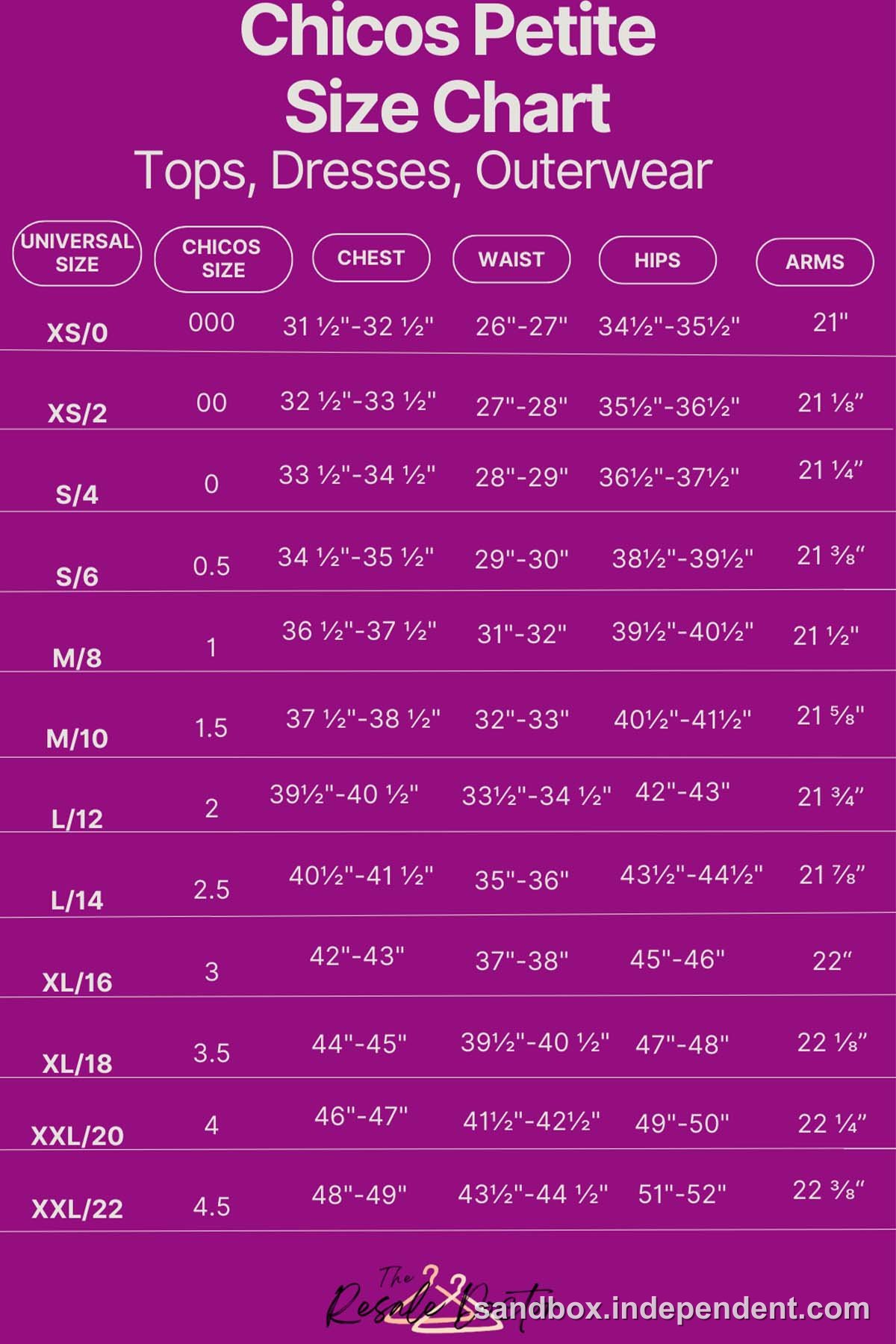
The shirt size chart typically includes measurements for chest circumference, waist circumference, and sometimes arm length. These measurements are usually given in inches or centimeters, depending on the standard being used. The chart also provides a range of sizes, often in small increments, to ensure a precise fit. For example, a chart might offer sizes from XS to 5XL, with each size representing a specific measurement range.
Step-by-Step Guide: Reading and Using the Chart
Follow these steps to accurately determine your shirt size using a size chart:
Measure your chest circumference at the fullest part of your chest, keeping the measuring tape parallel to the floor. This measurement is crucial for finding the right fit.
Locate your chest measurement on the chart. The chart will guide you to the corresponding size, often with a range of measurements for each size. For instance, a size Medium might fit chest circumferences between 38 and 40 inches.
If the chart provides waist circumference measurements, repeat the process for your waist. This measurement ensures a comfortable fit around your midsection.
Compare your measurements to the size chart's ranges. Choose the size that aligns most closely with your measurements. If your measurements fall between two sizes, consider factors like your preferred fit (more relaxed or snug) and the fabric's stretchability.
For more precise fitting, some charts may include arm length measurements. Measure your arm length from the base of your neck to your wrist. Match this measurement to the chart's arm length column to ensure a perfect sleeve length.
Understanding Variations and Differences
It's important to note that shirt size charts can vary depending on the brand, manufacturer, or even the specific style of shirt. Some brands may have slightly different measurement standards or size increments. Additionally, the intended fit of the shirt (e.g., slim, regular, or relaxed) can impact the size chart. Always check the brand's size guide or any notes about fit to ensure an accurate selection.
Common Mistakes and How to Avoid Them
One common mistake is relying solely on your usual shirt size without considering the specific brand or style. Each brand may have its own unique sizing system, so it's crucial to refer to their size chart. Another mistake is neglecting to measure yourself accurately. Take precise measurements, especially for the chest and waist, to ensure an accurate fit. Avoid guessing or estimating, as this can lead to disappointment with the final product.
Practical Fitting Tips for Accurate Results
To ensure the best fit, consider these tips:
When measuring, stand naturally and relax your arms. Avoid pulling the measuring tape too tight or too loose.
If you're between sizes, choose the larger size for a more comfortable fit, especially if the shirt has a slim or tailored cut.
Pay attention to the fabric and its stretchability. Some fabrics, like cotton blends, have more give, while others, like linen, are more rigid.
Check the brand's size guide for any specific notes or recommendations. They might offer tips for their unique sizing or suggest sizing up or down for certain styles.
Consider the intended use of the shirt. If it's for a formal occasion, you might want a more tailored fit, while casual shirts can allow for a looser fit.
Remember, the shirt size chart is a valuable tool, but it's just a guide. Always prioritize your comfort and personal style when making a final decision.
Well, there you have it! A shirt size chart is a handy tool to ensure you get the perfect fit every time. Remember, while these charts provide a great starting point, exact values can vary, so it's always wise to check the specific guidelines for your chosen brand or standard.
Don't forget to explore our other guides and resources; we've got plenty of practical tips to help you navigate the world of fashion and sizing with ease. Stay tuned for more!