





Squidward Window Meme Overview
A window size chart is a handy tool for anyone looking to understand window measurements quickly and easily. This guide will take you through the basics, covering what you need to know to read and use these charts effectively.
It's a simple reference, but one that can vary depending on your location and the type of window you're dealing with. Whether you're after standard window dimensions or more specific measurements, a good chart will provide a clear overview, helping you choose the right size for your needs.
Understanding Window Size Charts
A window size chart is a valuable tool for anyone planning a construction or renovation project. It provides a quick reference guide to standard window dimensions, helping you choose the right size and type for your space. These charts are a handy way to visualize and compare options, ensuring your windows fit the intended space and serve their purpose.
Key Details and Categories
Before diving into a window size chart, it's essential to understand the basic units and categories. Most charts use inches for width and height, with standard sizes ranging from 18" x 18" to 36" x 72". These dimensions cover a wide range of common window types, including single-hung, double-hung, casement, and fixed windows. The charts often include a breakdown of these categories, making it easy to identify the right type for your needs.
Reading the Chart: A Step-by-Step Guide
- Identify the window type you require. This could be a double-hung window for ease of use or a casement window for ventilation.
- Locate the relevant section on the chart. Each type will have its own set of standard sizes.
- Choose the size that best fits your space. Consider the width and height of the opening and ensure the window provides adequate coverage.
- Note the dimensions and any additional details, such as the number of panes or the window's energy efficiency rating.
- Cross-reference with other charts or guidelines to ensure accuracy, especially if you're working with non-standard sizes or unique architectural features.
Variations and Differences
Window size charts can vary depending on the standard being used. While most follow a similar format, there may be slight differences in dimensions or the inclusion of specific window types. For instance, some charts might cater to a wider range of window styles, including awning or bay windows. It's crucial to refer to the right chart for your region or project requirements. Additionally, manufacturers may have their own charts with slight variations to accommodate their product range.
Common Mistakes and How to Avoid Them
One of the most common mistakes is assuming that all windows are created equal. Different window types have unique purposes and may not fit the same space. Always refer to the correct chart for the window style you need. Another pitfall is neglecting to consider the frame size. The window size chart typically refers to the glass dimensions, so ensure you account for the frame when measuring your space. Finally, don't forget to check for any local building regulations or guidelines that might impact your window choices.
Well, there you have it! A window size chart is a handy tool to keep in your back pocket. It's a simple reference guide, but one that can save you time and ensure accuracy when planning your next project.
Remember, while this chart provides a great starting point, it's always wise to double-check the specific requirements for your unique situation. Exact values can vary, so it's best to be prepared and avoid any potential pitfalls. So, bookmark this page, and you'll have a quick and easy solution whenever you need it.
Related: RSMeans Cost Estimating Essential Guide
I was chatting with a friend the other day, and they mentioned they were planning a home renovation. It got me thinking about the whole process, especially the costs involved. So, I did some research, and RSMeans cost estimating kept popping up. Let's break it down and see what it's all about.
Understanding RSMeans
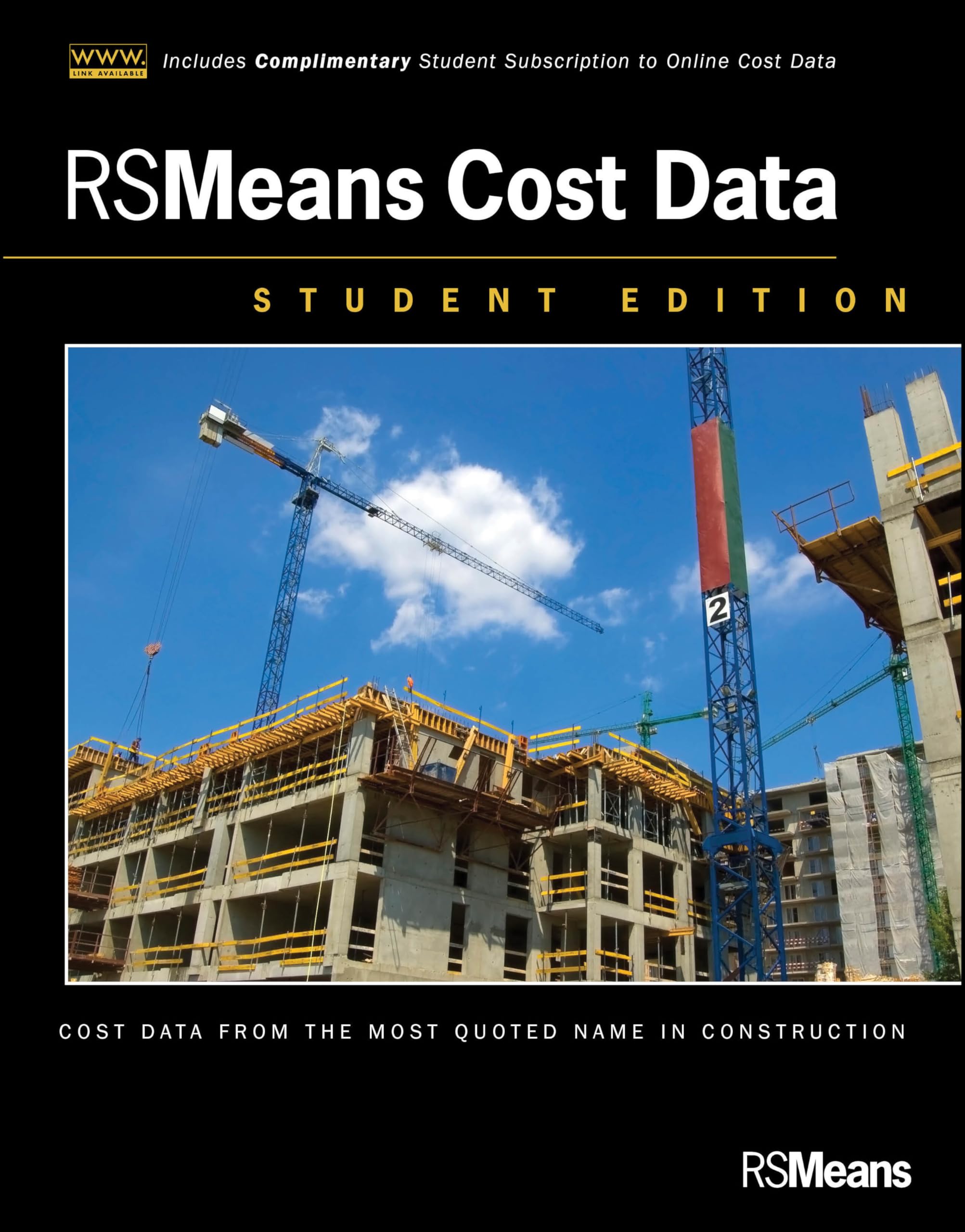
RSMeans is a well-known name in the construction industry, and for good reason. It's a comprehensive cost database and resource for estimating the costs of construction projects. Whether you're a homeowner planning a remodel or a contractor bidding on a new build, RSMeans provides valuable data to help you make informed decisions. It covers a wide range of construction costs, from materials and labor to equipment and overhead.
The beauty of RSMeans is its ability to provide accurate and up-to-date information. It takes into account various factors like location, market conditions, and project specifics. So, you can get a realistic estimate for your project, ensuring you're not overspending or underestimating the costs.
Using RSMeans for Your Project
When it comes to using RSMeans for your construction or remodeling project, it's all about getting the right information for your specific needs. Here's a simple guide:
First, identify the scope of your project. Are you building a new deck, remodeling your kitchen, or constructing an entire house? The more detailed your plan, the better your estimate will be.
Next, access the RSMeans database. You can find it online or through industry resources. The database will provide you with cost data for various components of your project, like framing, electrical work, plumbing, and more.
Compare the RSMeans data with other estimates and quotes you receive from contractors. This will help you understand if the quotes are reasonable and if any contractors are trying to overcharge you.
Contractor Hiring and Quotes
When hiring a contractor, it's essential to do your due diligence. Check their credentials, ask for references, and ensure they're licensed and insured. Get multiple quotes for your project, and compare them to the RSMeans data.
A good quote will break down the costs clearly, explaining the labor, materials, and any other expenses. It should also include a timeline for the project. Don't be afraid to ask questions and negotiate. Remember, you want a fair price and a contractor who understands your vision.
Construction Jobs and Salaries
For those interested in construction careers, RSMeans can also be a valuable tool. It provides insight into the industry and the various roles involved. From general contractors and project managers to estimators and specialists, there are diverse opportunities.
Salaries in the construction industry can vary widely depending on the role, experience, and location. Estimators, for example, play a crucial role in the early stages of a project, ensuring accurate cost estimates. Their expertise is highly valued, and their salaries reflect that.
Naming Your Construction Business
If you're starting a construction business, choosing the right name is important. It should be memorable, reflect your services, and be unique. Here are a few name ideas to get you started:
- BuildMaster
- Crafted Constructions
- Renova Remodeling
- Stronghold Builders
- GreenSpace Builders
- BluePrint Builders
Remember to check the availability of the name, domain, and local registration before finalizing your choice.
Wrapping Up
So, there you have it! RSMeans cost estimating is a powerful tool for anyone involved in construction or remodeling. It provides valuable insights and helps ensure your project stays on track financially. Whether you're a homeowner, contractor, or industry professional, it's worth exploring further.
I hope this overview has been helpful. Feel free to delve deeper into the world of RSMeans and discover more about its benefits and applications.
Related: How to Read the Shein Size Chart?
Many shoppers approach the Shein size chart with hesitation, assuming it's a complex puzzle to decipher. But fear not! It's a straightforward tool to ensure your Shein haul fits like a dream. This chart is your guide, offering a simple way to navigate the sizing differences that can vary across regions and brands.
Understanding the Shein Size Chart
The Shein size chart is a practical tool to help you find the perfect fit for your Shein fashion purchases. It's a simple guide that ensures you get the right size every time, making online shopping a breeze. This chart is your key to unlocking a seamless shopping experience, so let's dive in!
Key Details and Categories
The Shein size chart typically follows international size standards, with measurements in both centimeters (cm) and inches. It covers various clothing categories, including tops, bottoms, dresses, and more. You'll find columns for different body measurements, such as bust, waist, and hip sizes, along with corresponding Shein size recommendations. The chart provides a clear, easy-to-read format, ensuring you can quickly find your ideal size.
How to Read and Apply the Size Chart
Using the Shein size chart is straightforward. Here's a step-by-step guide:
Measure yourself accurately. Use a measuring tape to get precise measurements for your bust, waist, and hips. Make sure you follow the guide's instructions for proper measuring techniques.
Find your measurements on the chart. Look for the columns that correspond to your body part measurements. For instance, if you're measuring for a top, locate your bust size.
Identify the recommended size. The chart will provide a suggested Shein size based on your measurements. Cross-reference your measurements with the size guide to find the best fit.
Consider the garment's style. Some styles may have a looser or tighter fit. If you prefer a specific fit, you can adjust your size choice accordingly.
Double-check the product's size guide. Each Shein product may have a specific size guide with slight variations. Always refer to the product's size chart for the most accurate information.
Size Chart Variations and Differences
It's important to note that size charts can vary across brands and regions. Shein's size chart follows international standards, but there may be slight differences compared to other brands' charts. Additionally, factors like fabric stretch, garment design, and personal preferences can influence the fit. It's always a good idea to refer to the specific product's size guide for the most precise sizing information.
Common Mistakes and How to Avoid Them
To ensure an accurate fit, avoid these common mistakes:
Relying solely on your usual size: Every brand's size chart can vary, so always refer to the Shein size chart for the best fit.
Ignoring the product's size guide: Each product may have unique sizing details, so always check the specific size guide provided.
Measuring inaccurately: Take precise measurements to ensure an accurate size recommendation.
Not considering fabric stretch: Some fabrics have more give, so choose a size that accounts for this factor.
By following these tips and utilizing the Shein size chart effectively, you'll enjoy a seamless shopping experience and find your perfect fit every time!
Hey there, we hope you found this guide helpful and that your Shein shopping experience is a breeze! Remember, size charts are a handy tool, but they can vary slightly depending on the brand and your personal preferences. It's always a good idea to check the measurements and reviews to ensure a perfect fit.
Feel free to bookmark this page for future reference, and don't forget to explore our other practical guides to make your online shopping adventures even more enjoyable and stress-free. Happy shopping!