


Stardew Rainbow Trout Overview
A teeth color chart is a handy tool for anyone seeking a quick and accurate way to assess and match tooth shades. This guide will walk you through the basics, covering what these charts are and how to use them effectively.
These charts, often in the form of a simple table or visual guide, provide a reference for tooth shade comparison. While the specific values and formats may vary, the concept remains the same: an easy-to-read resource for dental shade matching.
What is a Teeth Color Chart?
A teeth color chart is a visual guide that helps dental professionals and patients understand and communicate tooth shade accurately. It provides a standardized reference for comparing and matching tooth colors, ensuring consistency in dental procedures and treatments.
Key Details and Categories
The chart typically consists of a range of tooth shades, often organized in a grid or tabulated format. Each shade is represented by a unique code or label, making it easy to identify and communicate. The shades are usually based on a recognized standard, such as the Vitapan Classical Shade Guide, which is widely used in dentistry. This guide categorizes tooth colors into various groups, with each group further divided into sub-shades, providing a comprehensive and precise color reference.
Reading and Applying the Teeth Color Chart
To use the teeth color chart effectively, follow these steps:
- Prepare the teeth for shade matching by cleaning and drying them thoroughly. Natural light or specialized lighting can enhance color accuracy.
- Compare the patient's teeth with the shades on the chart. Hold the chart close to the teeth and observe the color match.
- Identify the closest shade match. Consider the overall color and any subtle variations.
- Confirm the shade with the patient and document it for future reference.
- Repeat the process for multiple teeth if needed, ensuring consistency across the dental arch.
Understanding Shade Variations
Shade variations can occur due to several factors. Natural tooth color can differ based on genetics, age, and lifestyle factors like diet and oral hygiene. External factors like staining from food, drinks, or tobacco can also impact tooth color. Additionally, lighting conditions and the observer's perception can influence shade matching. It's essential to consider these variables when using a teeth color chart to ensure accurate results.
Common Mistakes and How to Avoid Them
When working with a teeth color chart, it's crucial to avoid these common pitfalls:
- Relying solely on memory: Always refer to the chart for an accurate shade match. Avoid guessing or relying on past experiences.
- Inconsistent lighting: Ensure consistent lighting conditions to minimize errors. Natural daylight or specialized dental lighting is recommended.
- Neglecting patient feedback: Involve the patient in the shade selection process. Their perception and feedback are valuable for an accurate match.
- Overlooking oral health: Ensure the teeth are clean and free from debris or stains before shade matching.
- Using outdated charts: Keep your teeth color chart up-to-date to reflect the latest standards and shades. Regularly check for new versions or updates.
Well, there you have it! A teeth color chart is a handy tool, and now you know how to navigate it like a pro. Remember, the exact shades and values might differ slightly depending on the source or standard, so always double-check.
Feel free to explore other guides on our site for more practical tips and tricks. We've got you covered with a range of topics, so take a look and discover something new!
Related: What's the Right Bolt Size? A Quick Chart Guide
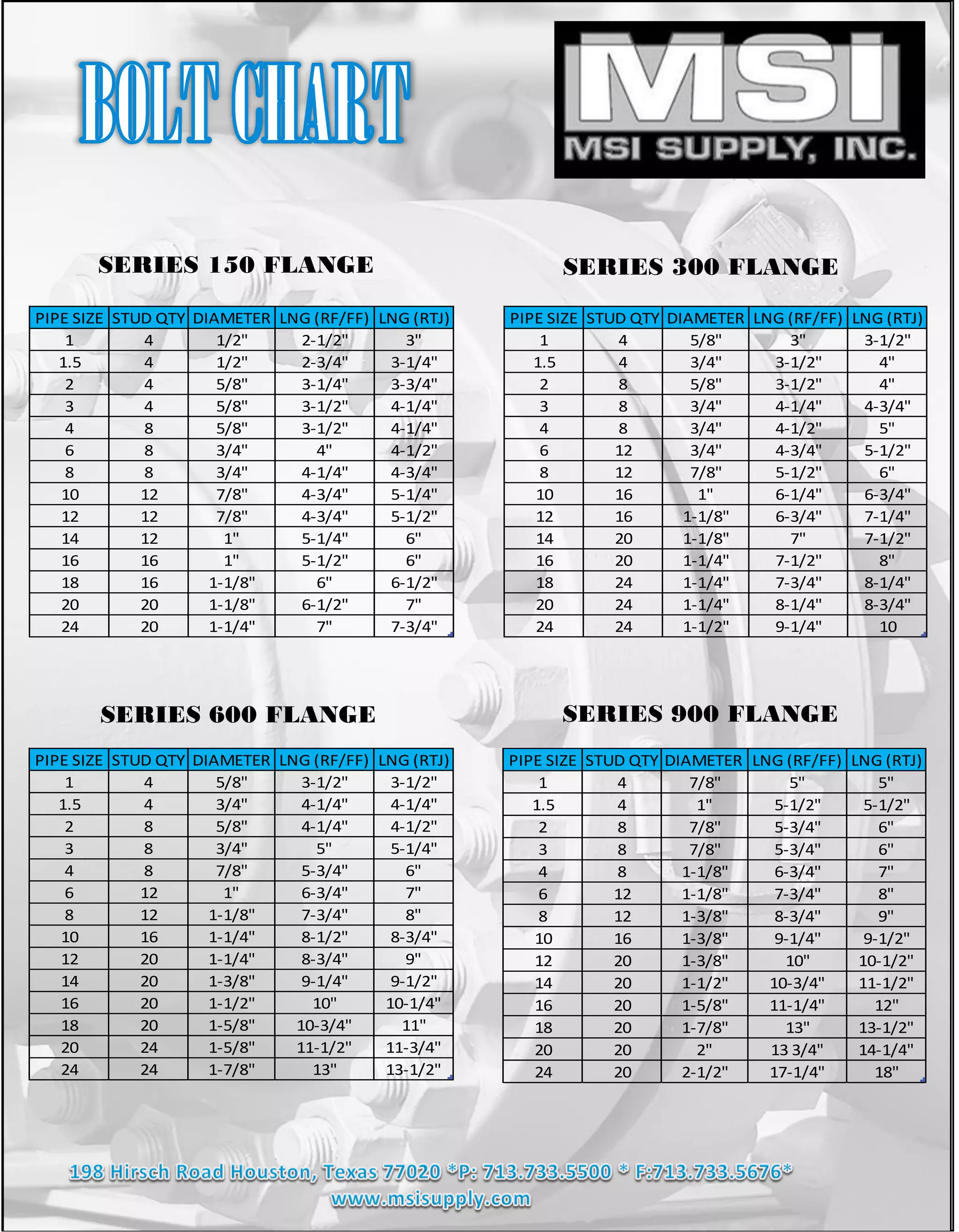
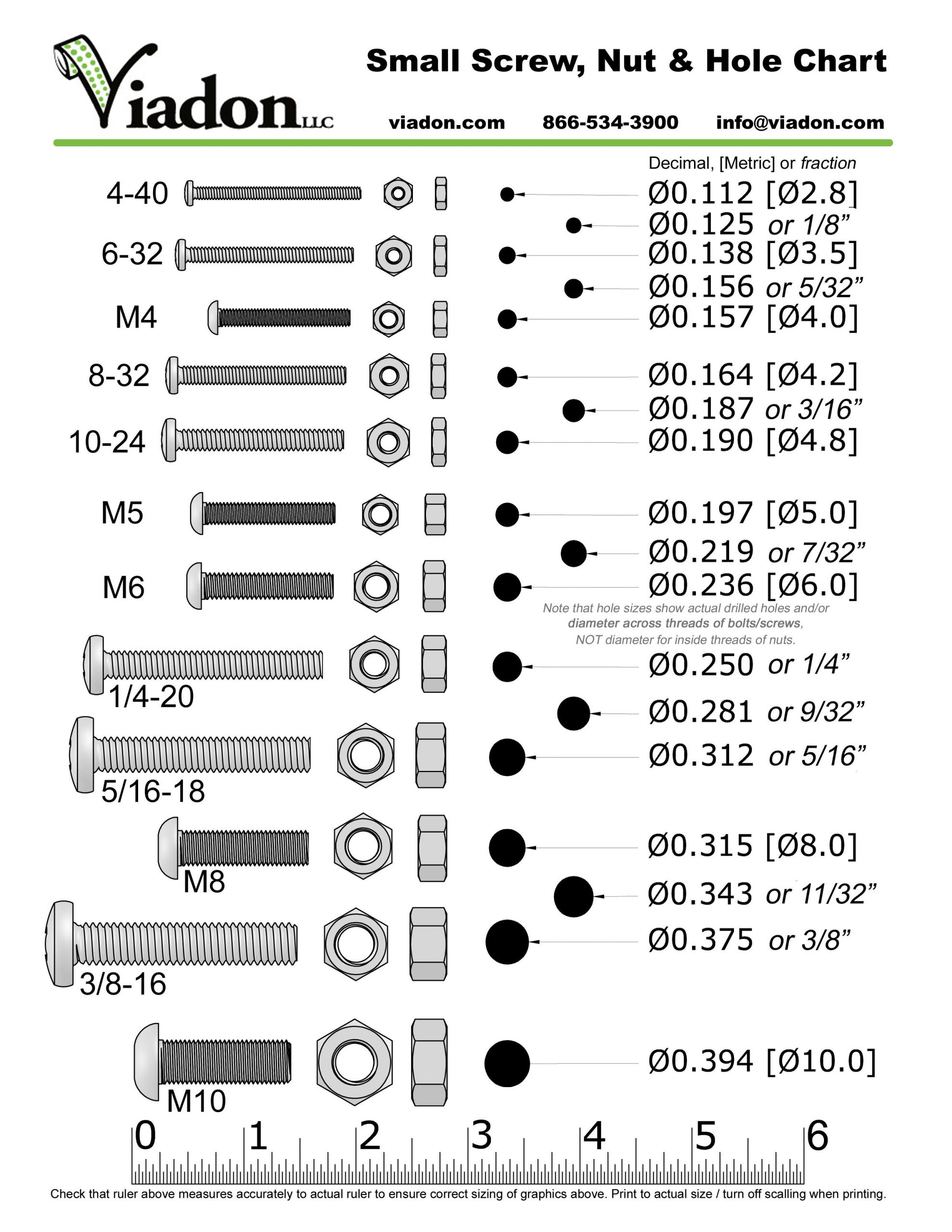
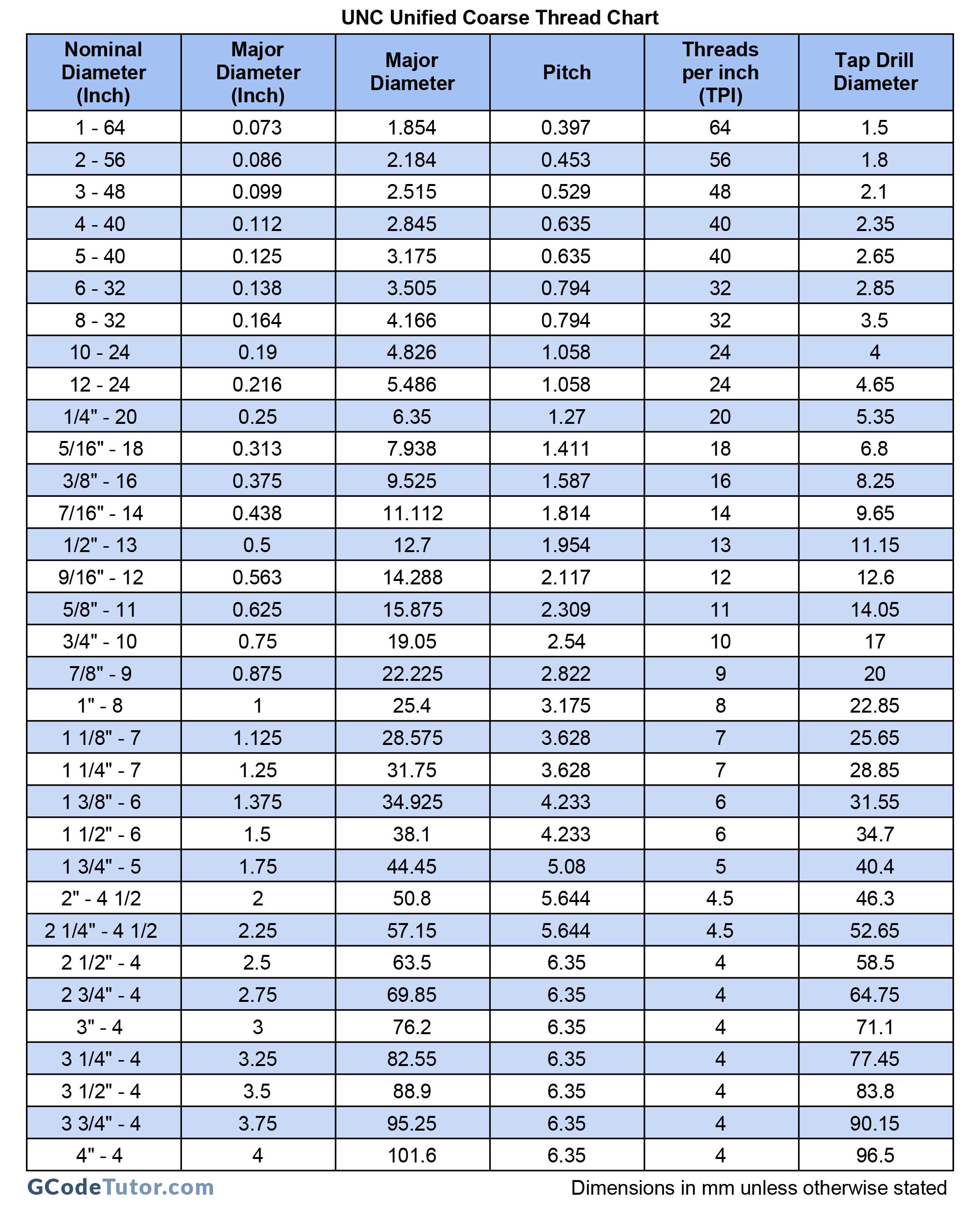
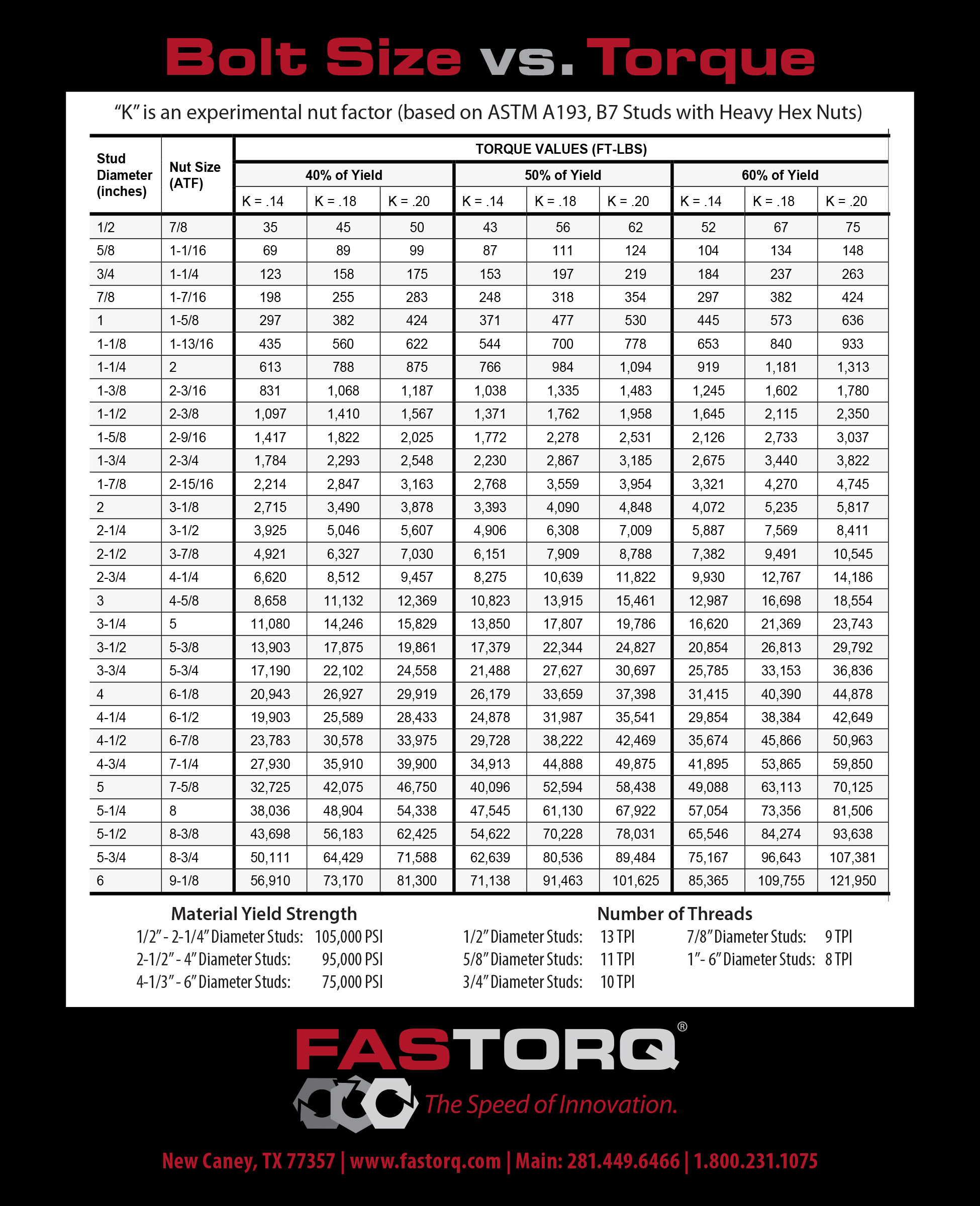
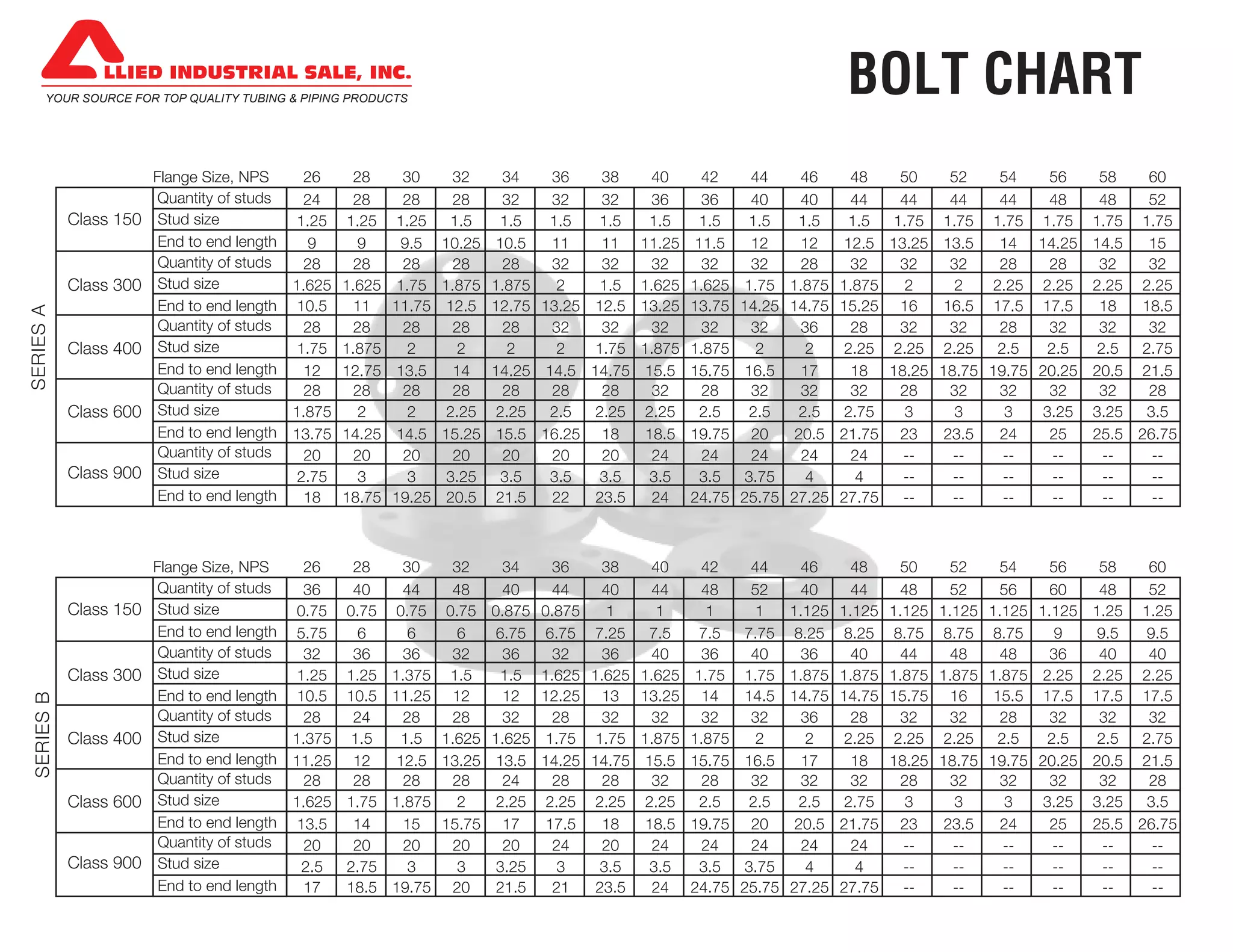
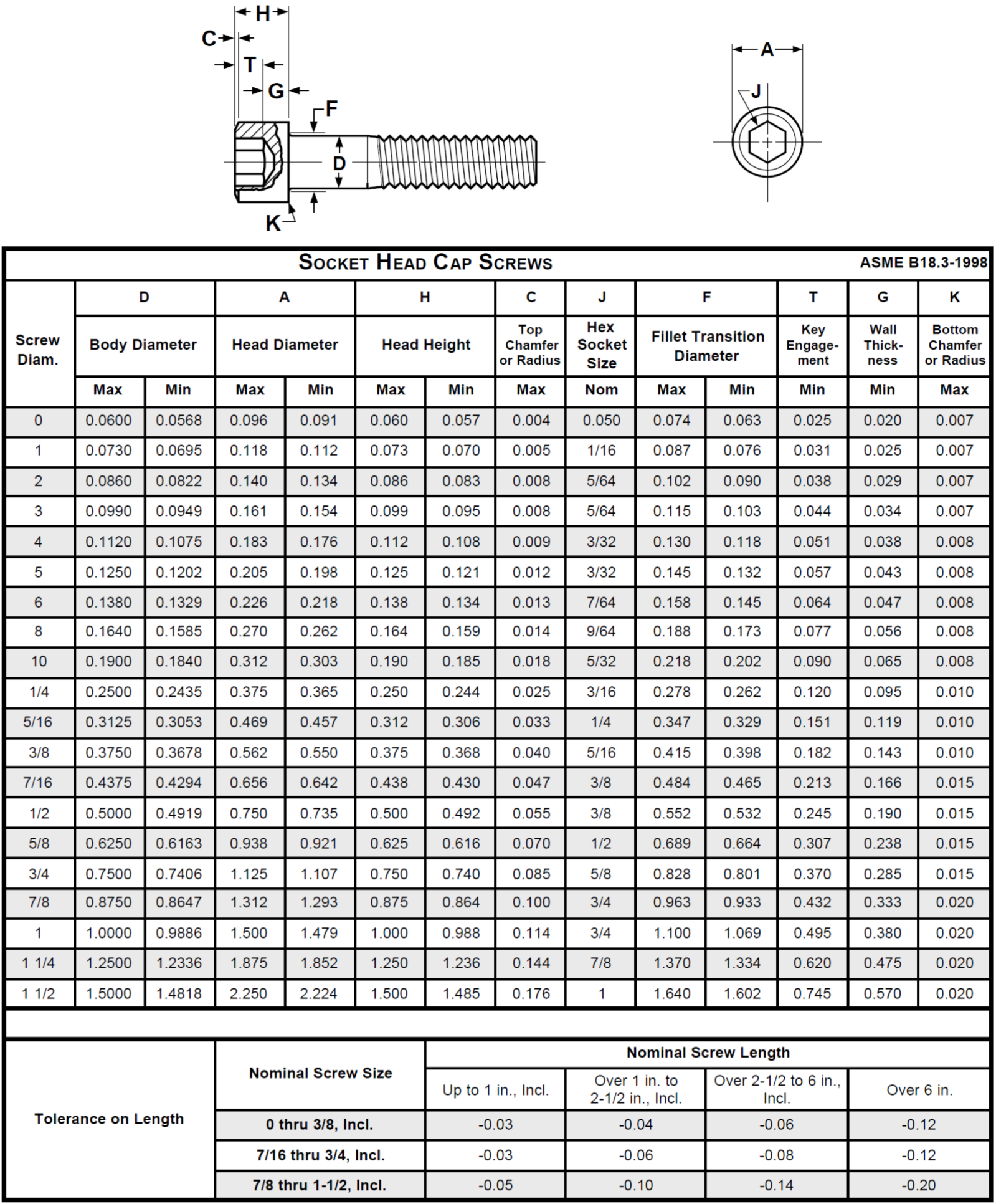
A bolt size chart is a handy tool for anyone working with bolts and fasteners. It's a simple yet effective way to ensure you're using the right size and type of bolt for your project. This guide will cover the basics of reading and using a bolt size chart, so you can tackle any fastening task with confidence.
These charts provide a quick reference for bolt dimensions, including length, diameter, and thread pitch. While the values may vary depending on the standard and region, a good chart will offer a clear and organized layout, making it easy to identify the bolt you need.
Understanding Bolt Size Charts
Bolt size charts are your practical guide to choosing the right bolt for any project. These charts provide a quick reference to help you match the bolt's size and specifications to your needs. It's like having a map to navigate the world of fasteners!
Key Details and Units
A bolt size chart typically includes essential information such as the bolt's diameter, length, thread pitch, and head type. These charts often follow specific standards, like the metric or imperial systems, so you'll find different charts for different regions and industries. The units used can vary, so it's crucial to know whether you're dealing with millimeters or inches.
Reading and Applying the Chart: A Step-by-Step Guide
- Start by identifying the bolt's primary purpose and the material it will fasten. This helps narrow down the options.
- Locate the diameter column on the chart. This is usually the first critical factor. Match the required diameter with the chart's values.
- Next, consider the length. The chart will provide a range of lengths for each diameter. Choose the length that best suits your project's needs.
- Thread pitch is the distance between threads. Different materials and applications may require specific thread pitches. Refer to the chart to select the appropriate pitch.
- Finally, identify the head type. Common head types include hex, socket cap, and flat. The chart will guide you on the available head types for your chosen diameter and length.
Variations and Differences
Bolt size charts can vary depending on the standard and the intended use. For instance, metric bolt sizes may have different thread pitches compared to imperial bolt standards. Additionally, specialized bolts for unique applications might have custom dimensions not found on standard charts. Always refer to the specific chart relevant to your project's needs.
Common Mistakes and How to Avoid Them
One common mistake is assuming all bolts are created equal. Different materials and applications require specific bolt dimensions. Always refer to the bolt size chart for the correct specifications. Another pitfall is ignoring the thread pitch. Using the wrong thread pitch can lead to stripped threads or poor fastening. Take the time to understand and select the right pitch.
Practical Tips for Accurate Results
When using a bolt size chart, always double-check the units. Mistakes can happen when converting between metric and imperial systems. Additionally, pay attention to the thread class, which indicates the thread's tolerance and fit. Using the wrong class can impact the bolt's performance and durability.
Double-Checking and Handling Exceptions
While bolt size charts are incredibly useful, they might not cover every edge case. For unique or specialized applications, it's best to consult the manufacturer's specifications. These can provide precise details and tolerances to ensure the bolt's performance and safety. Always err on the side of caution and double-check when dealing with critical applications.
Hey there! We've covered a lot of ground with this bolt size chart, and I hope it's given you a clear understanding of the basics. Remember, while the fundamentals remain the same, exact details might shift a little based on your specific situation or the standard you're working with.
So, the next time you're tackling a project and need a quick reference, feel free to bookmark this page. It's a handy tool to have in your back pocket, and you never know when you might need to size up those bolts!
Related: Find the Right Horse Color: A Simple Chart
A common misconception about the horse colors chart is that it's solely for identifying a horse's color; however, it serves a more nuanced purpose. This chart is an essential tool, offering a comprehensive guide to understanding and categorizing equine coat colors and patterns. It provides a structured way to navigate the diverse world of horse colors, ensuring accuracy and consistency.
Horse Colors Chart: A Guide to Equine Coat Colors
The horse colors chart is a valuable tool for anyone interested in understanding and identifying the diverse range of coat colors found in horses. This reference guide provides a comprehensive overview of the various colors and patterns, helping you accurately describe and categorize equine coats.
Key Color Categories and Terminology
The chart organizes horse coat colors into several main categories, each with its own unique characteristics. These categories include:
- Base Colors: The foundation colors, such as bay, black, and chestnut, form the basis of many other variations.
- Dilute Colors: When a dilution gene is present, it modifies the base color, resulting in shades like palomino, buckskin, and cremello.
- Patterned Coats: These include distinctive patterns like pinto, which features large patches of white, and appaloosa, known for its unique spotted patterns.
- Markings and White Patterns: Separate from coat colors, these include facial markings like stars and blazes, as well as white leg markings.
Practical Color Identification: Step-by-Step
To use the horse colors chart effectively:
- Start by identifying the base color. Is it bay, black, or chestnut? This forms the foundation.
- Look for any dilution effects. Does the horse's coat appear lighter than the base color? This could indicate the presence of a dilution gene.
- Note any distinctive patterns. Are there large white patches, indicating a pinto, or unique spots, suggesting an appaloosa?
- Observe and record any facial or leg markings. These add further detail to your color description.
- Combine these observations to determine the horse's overall coat color and pattern.
Variations and Differences Across Standards
It's important to note that horse colors chart standards may vary slightly between different regions and organizations. While the basic categories remain consistent, specific definitions and terminology can differ. For example, some charts may include more detailed subcategories for certain colors or patterns. Always refer to the specific standard or association for precise definitions.
Common Mistakes and How to Avoid Them
- Misinterpreting Dilution: Mistaking a dilute color for a base color is common. Always look for signs of dilution, such as lighter eyes or a lighter mane and tail.
- Confusing Patterns: Pinto and appaloosa patterns can be similar at first glance. Take time to observe the size, shape, and distribution of white or spotted areas.
- Neglecting Markings: Facial and leg markings are unique identifiers. Don't overlook these when describing a horse's color.
- Relying on One Reference: While the horse colors chart is a great tool, it's beneficial to cross-reference with other resources or experts to ensure accuracy.
Tips for Accurate Color Description
- Lighting and Time of Day: Observe the horse's coat in various lighting conditions and times of day. Some colors may appear different under different lighting.
- Distance and Angle: View the horse from different angles and distances to get a comprehensive understanding of its coat.
- Compare and Contrast: Use reference images or consult with experienced horse owners or breeders to compare and confirm your observations.
- Document and Record: Keep a record of the horse's color and markings, especially if you're working with multiple horses. This helps with accurate identification and description.
By following these steps and tips, you can accurately utilize the horse colors chart and enhance your understanding of equine coat colors.
Remember, while this chart serves as a fantastic reference, it's always wise to cross-reference with other resources or experts in your field to ensure you're up-to-date with the latest standards and practices.
Take a moment to review the specific requirements of your project or context. Every situation is unique, and while this guide provides a solid foundation, it's important to tailor your approach accordingly. Consider bookmarking this page for future reference; it might just save you some time and effort down the line!