


Stardew Valley Duck Feather Overview
You're here, perhaps with a Navajo clan chart in front of you, wanting a straightforward guide to understanding this unique system. These charts are an essential tool for anyone exploring Navajo culture and its intricate kinship ties. While the Navajo clan chart may seem complex at first, with its specific symbols and terms, it's a valuable resource for navigating the traditional Navajo family structure and its unique clan system diagram.
Understanding the Navajo Clan Chart
The navajo clan chart is a fascinating tool that provides insight into the traditional Navajo kinship system. It visually represents the complex web of relationships and connections within Navajo communities, offering a unique perspective on their cultural heritage.
Key Details and Categories
This chart is a reference guide to the Navajo clan system, which is based on a complex set of relationships and roles. It consists of various symbols and categories that represent different clans, their affiliations, and the associated kinship terms. The chart typically includes four main sections: clan names, kinship terms, clan affiliations, and symbols. Each section provides specific information to navigate the clan system effectively.
Reading the Chart: A Step-by-Step Guide
- Start by identifying the clan names. These are often represented by unique symbols or icons. Understanding the clan names is crucial as they form the foundation of the kinship system.
- Next, locate the kinship terms. These terms describe the relationships between individuals within the clan system. For example, there are specific terms for parents, siblings, cousins, and other extended family members.
- Clan affiliations are an essential part of the chart. They indicate the relationships between different clans and how they are interconnected. This section helps navigate the complex web of clan relationships.
- Symbols play a significant role in the navajo clan chart. Each symbol represents a specific clan or kinship term. Learning to recognize these symbols is key to understanding the chart's visual representation.
Common Variations and Differences
While the navajo clan chart provides a comprehensive overview, it's important to note that variations may exist across different Navajo communities and regions. These variations can include slight differences in kinship terms, clan names, or even the visual representation of symbols. It's essential to be aware of these potential variations when using the chart, especially when dealing with specific cultural contexts.
Avoiding Common Mistakes
One common mistake is assuming that the navajo clan chart is a universal guide applicable to all Navajo communities. While it provides a solid framework, it's crucial to respect the diversity within Navajo culture and be mindful of regional differences. Another pitfall is misinterpretation of symbols. Each symbol has a specific meaning, so it's essential to refer to reliable sources or consult with knowledgeable individuals to ensure accurate interpretation. Lastly, remember that the chart is a tool for understanding, not a strict rulebook. Flexibility and cultural sensitivity are key when applying the navajo clan chart in real-life situations.
Well, there you have it! A handy Navajo clan chart to guide you through the basics. Remember, this chart provides a general overview, so be sure to cross-reference and double-check any specific details or unique cases that may apply to your situation.
Consider bookmarking this page for future reference; it's a quick and easy way to refresh your memory on the Navajo clan system and its key components. Happy exploring!
Related: A Simple Piano Notes Chart Guide
You've landed here because you're seeking a piano notes chart to help you out, right? Maybe you're a musician looking for a quick reference, or a music enthusiast wanting to understand the notes better. Either way, these charts are a handy tool to have.
The great thing about piano notes chart is that they provide a visual overview, making it easier to grasp the layout and understand note frequencies. While there are different formats and variations, the core information remains the same, offering a simple and effective way to navigate the piano's vast range of notes.
What is a Piano Notes Chart?
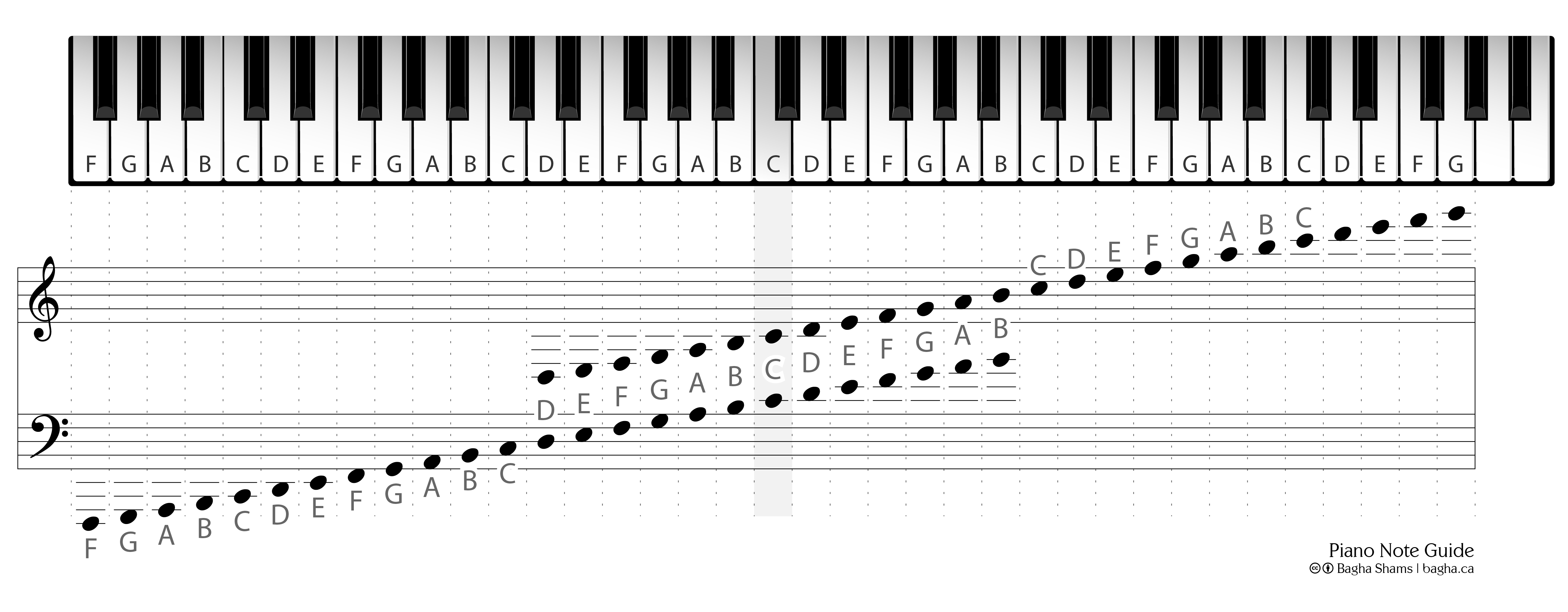
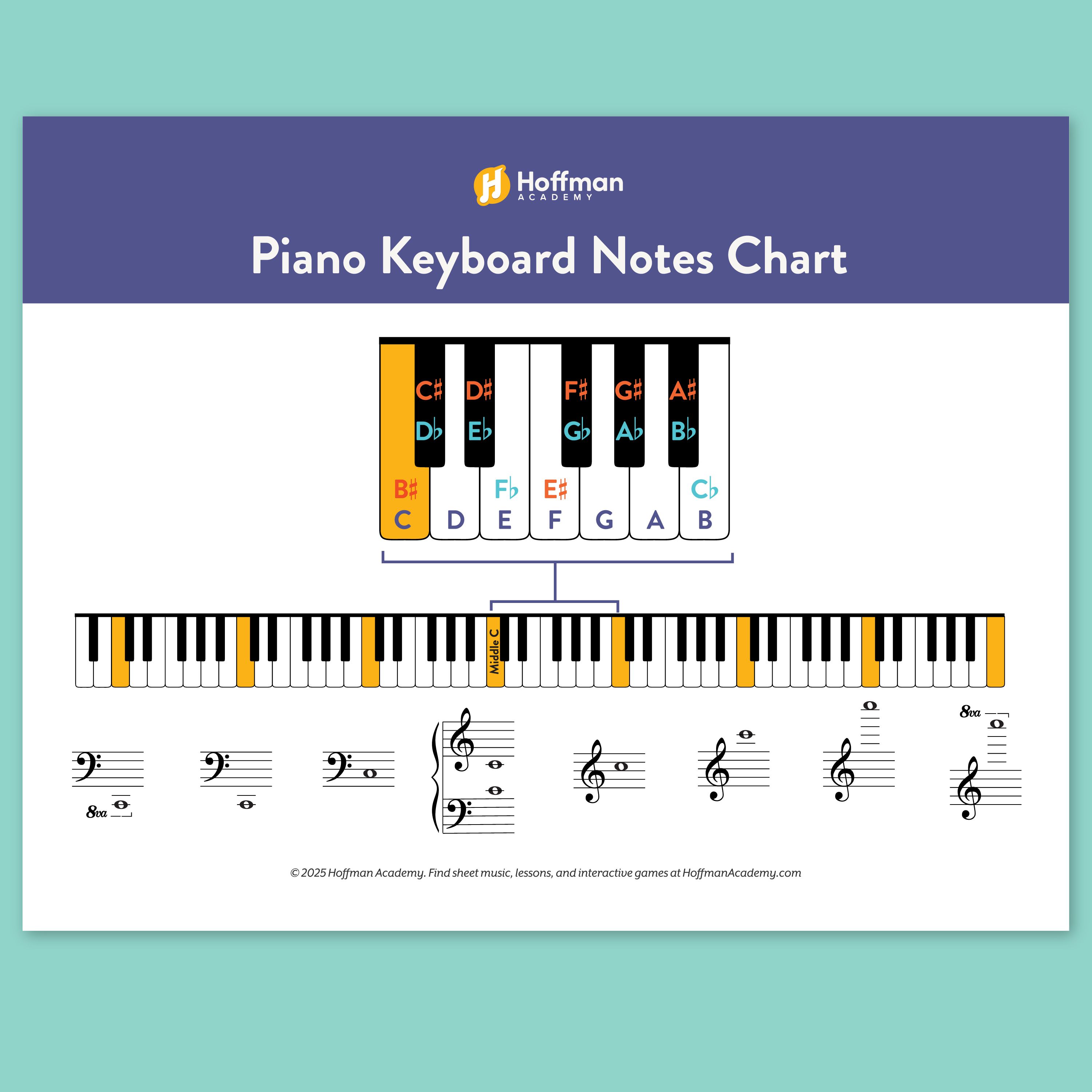
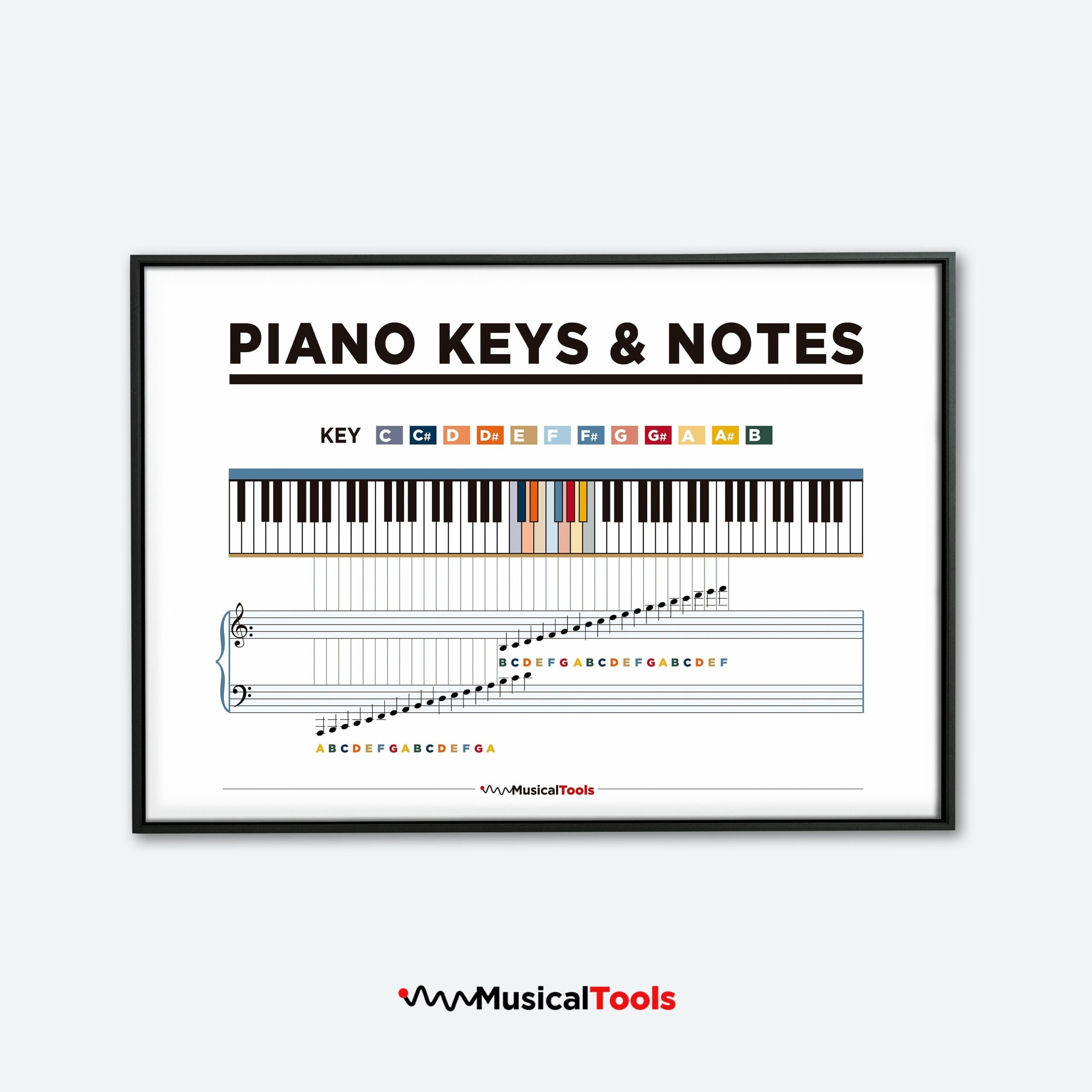
A piano notes chart is a visual representation that helps musicians and music enthusiasts understand the relationship between piano keys and the corresponding musical notes. It serves as a handy reference tool, especially for beginners, to grasp the layout of the piano keyboard and the notes it produces.
Key Details and Categories
The chart typically displays the piano keyboard's layout, with each key labeled according to its note. It covers the entire range of notes, from the lowest to the highest, and often includes multiple octaves. The notes are usually represented by their standard musical notation, such as C, D, E, F, G, A, and B, along with their respective sharps and flats. Additionally, some charts may include the frequency of each note, which is a numerical value indicating the pitch.
How to Read and Apply the Chart
Reading a piano notes chart is straightforward. Here's a step-by-step guide:
- Identify the Keyboard: The chart will display a visual representation of the piano keyboard, typically showing the white and black keys.
- Note Labels: Each key on the chart is labeled with its corresponding note. Look for the notes you need, whether it's a specific scale, chord, or a single note.
- Octaves and Range: Understand the octaves displayed on the chart. Octaves are indicated by numbers, and each octave contains a complete set of notes. The chart will usually cover multiple octaves to provide a comprehensive view.
- Sharps and Flats: Pay attention to the sharps (#) and flats (b) on the keys. These indicate the raised or lowered pitch of a note. For example, Cis a semitone higher than C, and Db is a semitone lower.
- Frequency (Optional): If the chart includes frequency values, these represent the pitch of each note in hertz (Hz). This information is useful for understanding the scientific aspect of pitch.
Variations and Differences
Piano notes charts may vary depending on the standard used. Different regions and music education systems might have slight variations in notation or labeling. For example, some charts might use scientific pitch notation, while others prefer the traditional letter names. Additionally, the range of notes covered can differ, especially when dealing with specialized keyboards or digital pianos with extended ranges.
Common Mistakes and How to Avoid Them
One common mistake is confusing the placement of sharps and flats. Remember, sharps raise the pitch, while flats lower it. Another pitfall is assuming all pianos have the same note distribution. While most standard pianos have 88 keys, some keyboards or digital pianos might have fewer keys, affecting the range of notes. Always double-check the specific keyboard you are using to ensure accuracy.
Practical Tips for Accurate Results
When using a piano notes chart, it's essential to familiarize yourself with the layout and understand the note names and their positions. Practice identifying notes by sight and sound. Start with the basic notes and gradually expand your knowledge to include sharps, flats, and different octaves. Additionally, consider using color-coded charts or stickers on your piano keys as a visual aid, especially if you are a beginner.
Double-Checking and Edge Cases
While piano notes charts provide a valuable reference, it's crucial to double-check specific note frequencies or tolerances for professional or precise applications. Some charts might not cover every possible note variation or custom keyboard setup. In such cases, consult specialized resources or seek guidance from music experts to ensure accuracy, especially when dealing with unique instruments or specific musical requirements.
Well, there you have it! You now possess a handy piano notes chart and the knowledge to use it effectively. Remember, when it comes to music and instruments, there's always room for variation and personal preference. So, ensure you check any specific requirements or standards relevant to your context.
Consider bookmarking this page for future reference. It's a quick and easy way to refresh your memory on those piano notes and their corresponding keys. Happy playing, and keep those fingers dancing!
Related: How to Read a Knife Steel Chart?
A knife steel chart is a handy tool for anyone wanting to understand knife steel properties and grades. It's a simple yet effective way to compare and contrast different steel types used in knife-making.
This guide will take you through the basics of reading and interpreting these charts, covering the key steel properties and how they impact your knife's performance. You'll discover the variations in steel hardness, composition, and grades, which can differ based on region and brand.
Understanding Steel Ratings
The knife steel chart is your go-to tool for comparing and understanding the different types of steel used in knife-making. It's a handy reference guide that simplifies the complex world of steel properties and grades. This chart helps you make informed decisions when choosing a knife, whether you're a chef, an outdoor enthusiast, or a collector.
Comparing Steel Options
The knife steel chart typically presents various steel types in a clear, organized manner. It often includes columns for steel grades, hardness ratings, and other relevant properties. You'll find a range of steel options, from common and affordable choices to premium, high-performance steels. Each steel type has its unique characteristics, and the chart helps you quickly grasp these differences.
Practical Steel Selection: A Step-by-Step Guide
Using the knife steel chart is straightforward:
Identify your needs: Determine what you'll primarily use the knife for, such as kitchen tasks, outdoor adventures, or collection purposes. Different steel types excel in different areas.
Check the chart: Locate the steel grades column and review the options. Look for steels suitable for your intended use, considering factors like edge retention, sharpness, and corrosion resistance.
Compare hardness: The hardness scale is a critical factor. Harder steels generally hold an edge longer but can be more brittle. Softer steels are more flexible and easier to sharpen but may dull faster. Find a balance that suits your needs.
Consider other properties: Besides hardness, the chart provides insights into steel composition, corrosion resistance, and ease of sharpening. These factors are crucial for long-term performance and maintenance.
Make an informed choice: With the chart's guidance, you can now select the steel that best aligns with your knife's intended use and your personal preferences.
Avoiding Common Misreadings
While the knife steel chart is a valuable tool, it's essential to interpret it accurately:
Understand the scale: Different charts may use varying hardness scales, like Rockwell C (HRC) or Mohs. Ensure you're familiar with the scale used in your chart.
Know your steel: Steel grades can vary between regions and manufacturers. Always double-check the exact specifications, especially for less common steels.
Consider real-world factors: The chart provides a snapshot of steel properties, but actual performance can vary based on knife design, heat treatment, and maintenance.
Key Factors Affecting Accuracy
Several factors influence the accuracy and real-world performance of steel in knives:
Heat treatment: This process can significantly impact a steel's hardness and overall performance. Well-heat-treated steel can outperform its chart rating.
Knife design: The geometry and thickness of the blade can affect how steel performs. A thinner blade may not fully utilize the potential of a high-hardness steel.
Maintenance: Proper care and sharpening techniques are crucial. Neglecting maintenance can lead to premature dulling, even with premium steels.
Environmental factors: Corrosion resistance is essential, especially for outdoor use. The chart provides a guide, but real-world conditions can vary.
Adapting the Chart for Your Needs
The knife steel chart is versatile and can be tailored to your specific requirements:
Focus on key factors: If you prioritize edge retention, narrow your search to steels known for their durability. If corrosion resistance is vital, choose steels with high chromium content.
Compare similar steels: When in doubt, compare steels within the same family. For instance, compare different stainless steel grades to find the best balance of hardness and corrosion resistance.
Seek expert advice: If you're unsure, consult knife experts or experienced users. They can provide valuable insights and recommendations based on their experience.
Keeping Your Reference Reliable
To ensure the knife steel chart remains a reliable reference:
Update regularly: Steel technology and manufacturing processes evolve. Stay updated with the latest charts and sources to access the most accurate information.
Cross-reference: When in doubt, compare multiple charts and sources. This helps verify the accuracy of the information and ensures you have a well-rounded understanding of steel properties.
Seek specialized charts: For specific knife types or uses, consider specialized charts. These charts provide detailed insights tailored to your needs, ensuring you make the best choice.
Hey there, I hope this guide has given you a clear understanding of knife steel charts and their practical use. Remember, these charts are a fantastic tool, but the exact details can vary, so always double-check the specific standards and sources you're working with.
Consider bookmarking this page for future reference; it's a quick and handy way to refresh your memory and ensure you're using the right info. There are plenty more guides like this on various topics, so feel free to explore and find the tools that work best for you!