


Steak Cuts Chart Editable Overview
A navy ribbon chart is a handy tool for anyone working with ribbons, especially those in the navy blue shade. This guide will give you a quick rundown on what these charts are and how they can be useful.
Ribbon charts are a simple yet effective way to visualize and understand ribbon measurements. They provide a clear overview of ribbon width, length, and size, ensuring accuracy and consistency. While the values may vary depending on the context and region, these charts offer a reliable reference point.
Understanding the Navy Ribbon Chart: A Quick Overview
The navy ribbon chart is a handy tool for anyone working with navy blue ribbons, whether for crafting, sewing, or other projects. It provides a visual guide to help you choose the right ribbon size and understand its dimensions. This chart is especially useful when you need precise measurements and want to avoid any guesswork.
Comparing Ribbon Sizes and Formats
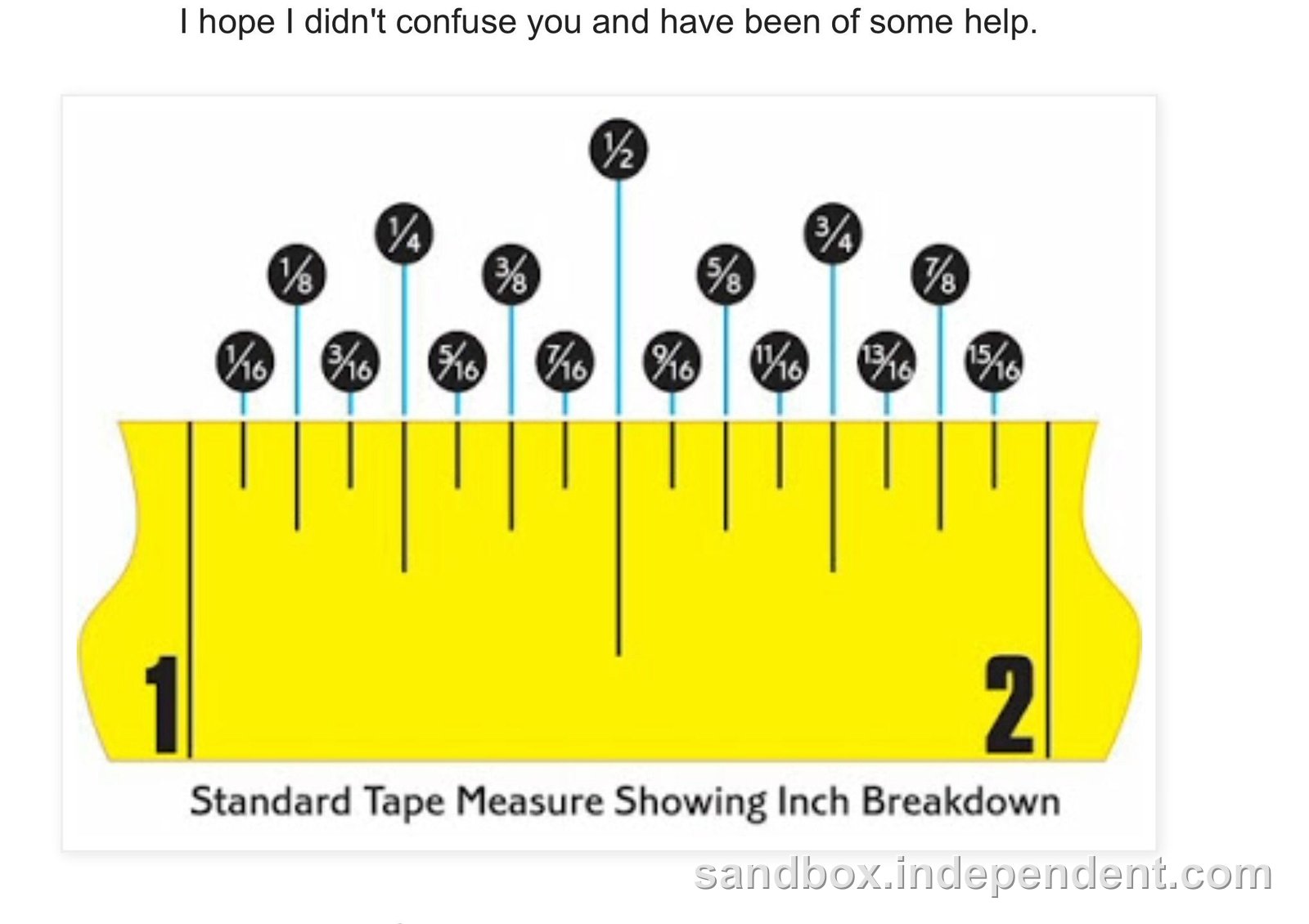
Ribbon sizes can vary, and the navy ribbon chart typically covers a range of standard widths and lengths. You'll find ribbon widths expressed in inches or centimeters, depending on the chart's standard. Common widths include 1/4", 1/2", 1", and 2" for inch-based charts, and 0.6 cm, 1.2 cm, 2.5 cm, and 5 cm for metric charts. Lengths can vary greatly, often offered in standard rolls of 10, 25, or 50 yards, or sold by the yard.
Step-by-Step Guide: Using the Navy Ribbon Chart Accurately
To use the navy ribbon chart effectively:
Identify the ribbon width you need for your project. This is crucial as it determines the ribbon's visual impact and functionality.
Refer to the chart to find the corresponding length options for that width. The chart will show you the standard roll lengths available for that width.
Consider the quantity you require. If you need a large quantity, it's often more cost-effective to opt for longer roll lengths, even if it exceeds your immediate needs.
Double-check the ribbon's intended use. Some ribbons, while similar in appearance, may have different purposes, such as gift wrapping or crafting. Ensure you choose the right type for your project.
Take note of any special features or finishes, such as wired edges or specialty prints, as these can impact the ribbon's behavior and appearance.
Avoiding Common Misreadings and Pitfalls
It's easy to misinterpret the navy ribbon chart if you're not familiar with ribbon terminology. Here are some common mistakes and how to avoid them:
Ribbon Width: Always clarify if the width is measured flat or folded. Some charts specify this, but others assume you know. Flat width is the full width, while folded width is half of that.
Ribbon Length: Be aware that some charts may list length in yards, while others use meters. Always check the units to ensure accuracy.
Special Features: Certain ribbons have unique features, like wired edges or printed patterns. These may not be immediately obvious on the chart, so always read the fine print or product description.
Color Variation: While the focus is on navy blue, different manufacturers may have slight variations in color shade. If color match is critical, request a sample or check reviews for consistency.
Factors Affecting Accuracy and Real-World Use
While the navy ribbon chart is a valuable tool, it's important to remember that real-world applications can vary. Here are some key factors to consider:
Manufacturing Tolerances: Ribbon dimensions can have slight variations due to manufacturing processes. Always allow for a small margin of error, especially for critical projects.
Material Stretch: Some ribbon materials, like satin or grosgrain, have more stretch than others. Consider this when choosing the ribbon, especially if precise measurements are essential.
Environmental Factors: Heat, humidity, and storage conditions can affect ribbon dimensions over time. Store your ribbons properly to minimize these effects.
Project Requirements: Different projects have unique demands. Always review your specific needs and consider factors like durability, ease of use, and visual appeal.
The navy ribbon chart is a practical guide, but it's just the starting point. By understanding these factors and using the chart accurately, you'll be well-equipped to choose the perfect ribbon for your projects.
Hey there! I hope this guide has given you a clear understanding of navy ribbon charts and their practical use. Remember, while the basics remain the same, the exact details might differ slightly based on your specific situation and the standards you're working with.
Feel free to explore other guides on our site for more detailed insights and variations. We've got a range of topics covered, so you can dive deeper into any area that piques your interest. Happy learning!
Related: How to Read a Cap Size Chart?
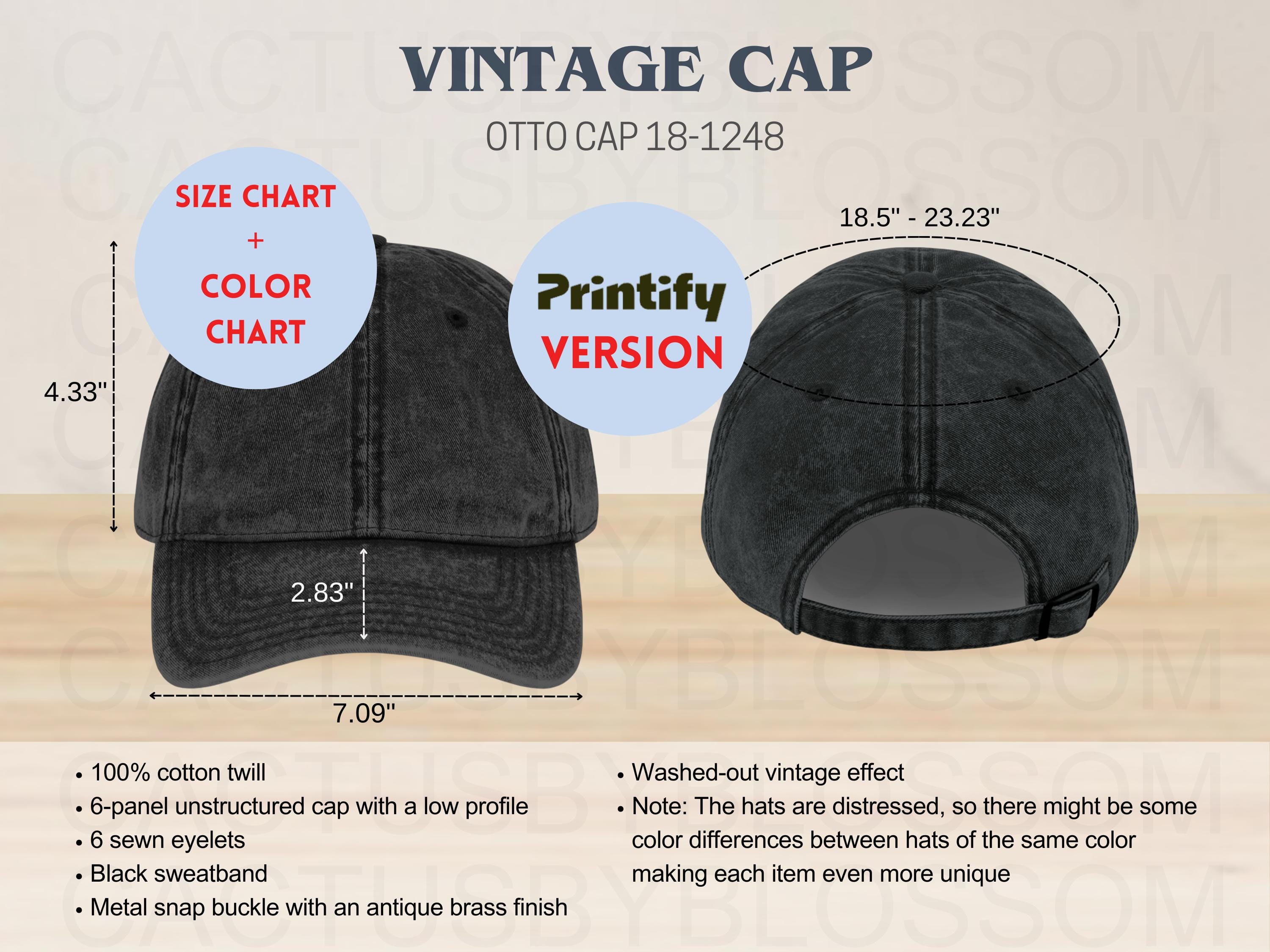
You're probably here because you need a quick fix, a simple solution to a sizing dilemma. Well, you've come to the right place! The cap size chart is your handy tool, a quick reference guide to ensure you get the perfect fit every time. It's a straightforward way to measure and match your head size to the right cap, and it's a lifesaver when you're in a rush or shopping online. This chart offers a simple solution, and it's worth familiarizing yourself with, especially if you want to avoid those pesky sizing mistakes!
Understanding the Chart: A Quick Overview
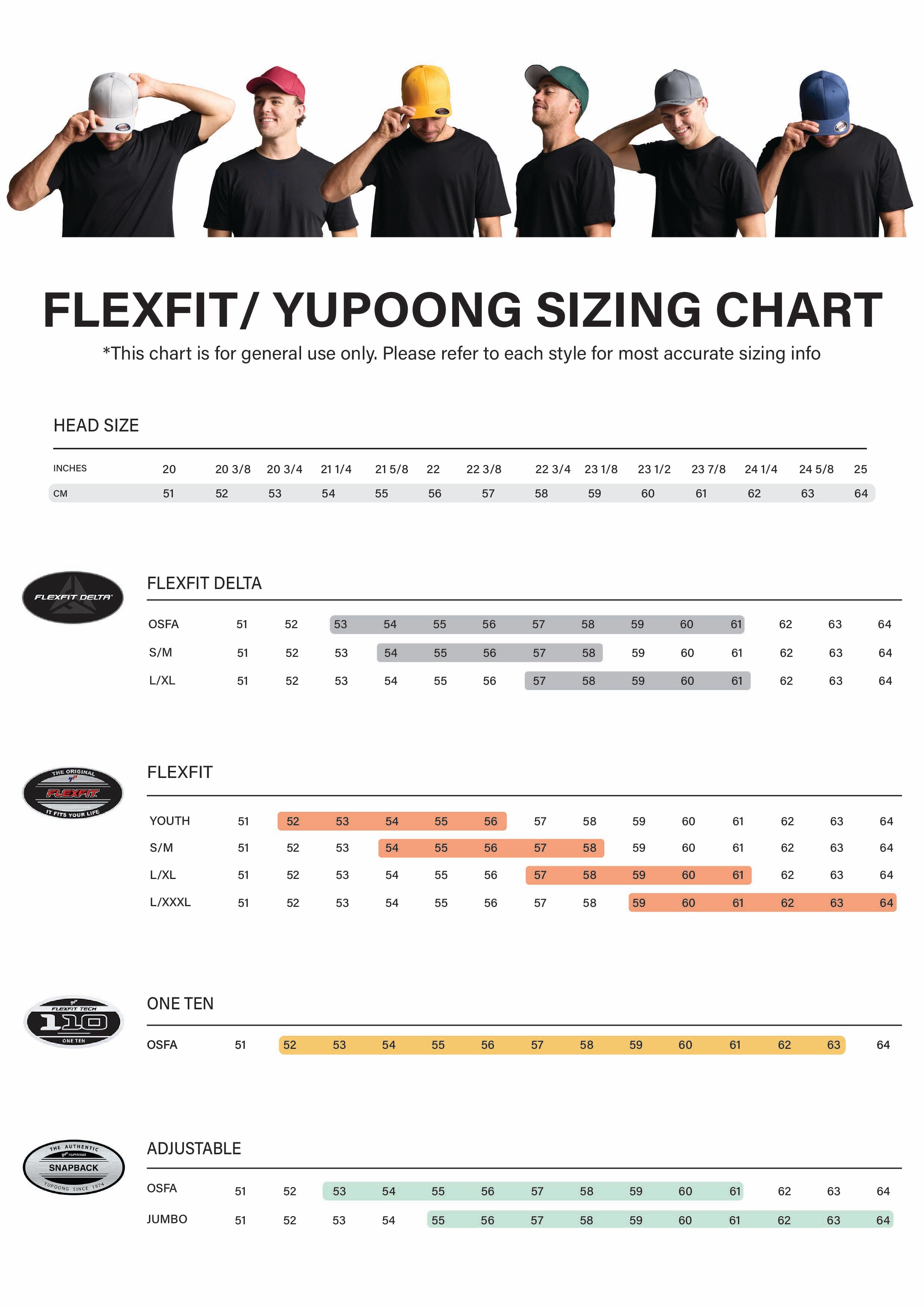
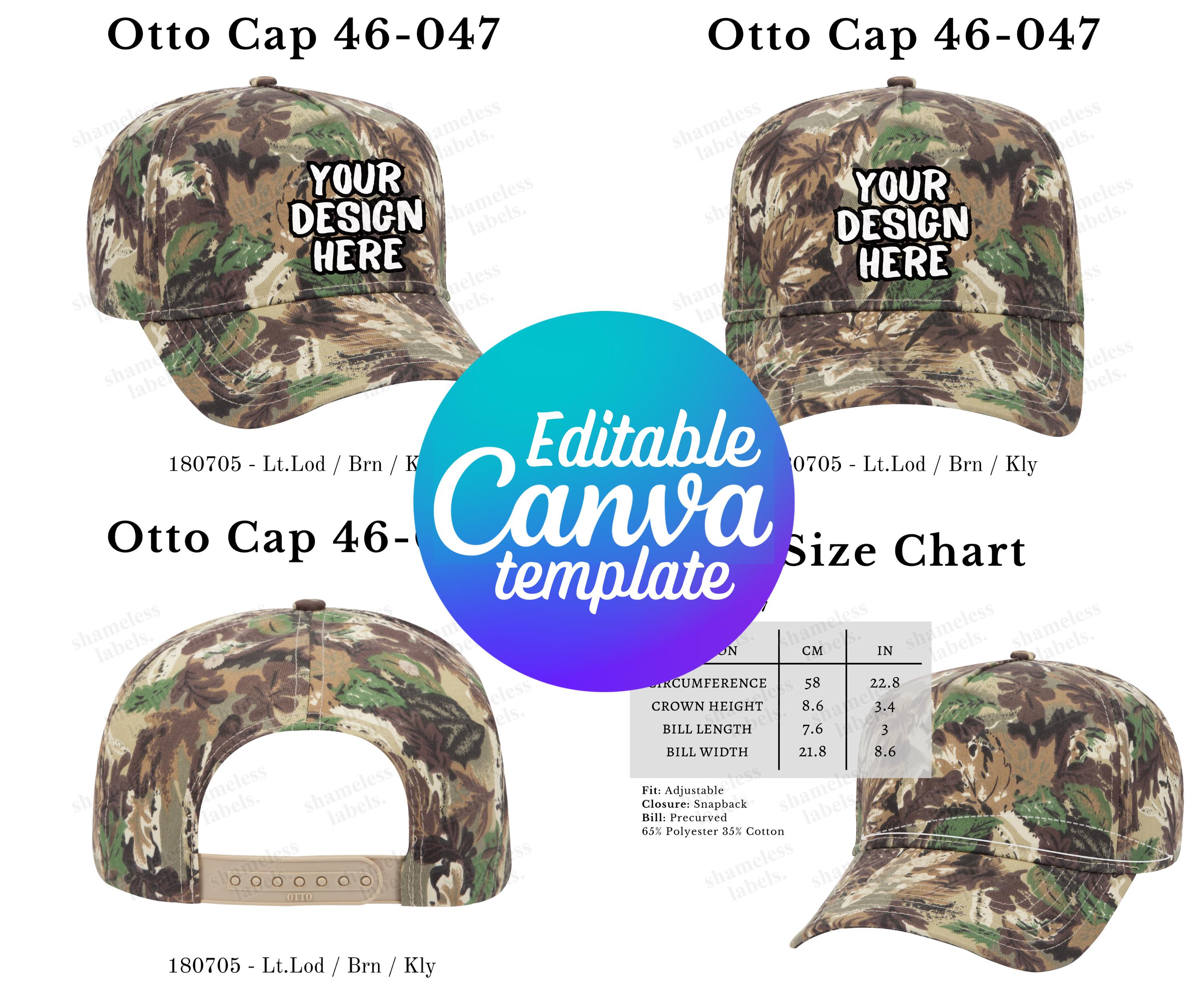
The cap size chart is a handy tool that helps you find the perfect fit for your headwear. It's a simple guide, often presented as a table or diagram, that matches your head measurements to the right cap size. This chart ensures your caps are neither too tight nor too loose, providing a comfortable and secure fit.
Comparing Common Cap Sizes and Standards
Cap size charts typically use two main standards: metric and imperial measurements. The metric system is widely used internationally and offers precise measurements in centimeters. On the other hand, the imperial system, common in the US, uses inches. These standards determine the cap circumference, which is the key measurement for finding your ideal cap size.
Step-by-Step Guide to Using the Cap Size Chart
Measure your head circumference: Take a flexible tape measure and wrap it around your head, just above your ears and across your forehead. Ensure it's not too tight or too loose. Note down the measurement in either centimeters or inches, depending on your preference or the chart's standard.
Refer to the cap size chart: Look for the column or row that corresponds to your head circumference measurement. The chart will provide you with a recommended cap size based on this measurement.
Adjust for comfort: While the chart offers a guide, personal preference plays a role. If you prefer a looser fit, consider going up a size. For a snugger fit, especially for activewear, you might want to choose a slightly smaller size.
Check the hat sizing chart: Some charts provide additional information, such as hat sizing. This can be useful if you're looking for a specific hat style and want to ensure it fits well.
Avoiding Common Misreadings and Pitfalls
It's important to remember that the cap size chart is a guide, and individual preferences may vary. While it provides a reliable starting point, you might need to make slight adjustments to find your perfect fit. Always double-check the chart's measurements and ensure they align with your head size guide. If you're between sizes, consider trying both and choosing the one that feels most comfortable.
Key Factors Affecting Accuracy and Real-World Use
Several factors can influence the accuracy of the cap size chart. Firstly, the chart's measurements may vary slightly depending on the manufacturer and the intended use of the cap. For instance, a baseball cap might have different sizing standards compared to a beanie. Additionally, personal factors like hair volume and style can impact the fit. If you have thick hair or a hairstyle that adds volume, you might need to adjust the size accordingly. Always consider these factors and refer to the specific cap's instructions or sizing guidelines for the most accurate fit.
Well, that's a wrap on our cap size chart adventure! We've covered a lot of ground, from understanding the different options to nailing down the key steps for accurate measurements.
Remember, when it comes to getting the right fit, always double-check your specific needs and the guidelines for your chosen standard or source. Exact values can vary slightly, so it's good to be aware of that.
Consider bookmarking this page for future reference; it's a handy tool to have at your fingertips when you need it most!
Related: Find the Perfect Fit: Chicos Size Chart Guide
Many shoppers may approach the chicos size chart with some hesitation, assuming it's a complex and confusing tool. However, it's quite the opposite; this chart is a straightforward and invaluable resource for anyone navigating the world of clothing sizes.
The beauty of the chicos size chart lies in its simplicity and consistency. While size charts can vary slightly across brands and regions, the Chicos chart offers a reliable and standardized guide, ensuring a seamless shopping experience for its customers. With a quick glance, you can confidently understand your size and make informed choices, whether you're shopping online or in-store.
Understanding the Chicos Size Chart
The chicos size chart is a valuable tool for anyone looking to find their perfect fit in Chicos clothing. It provides a clear and organized guide to help you determine your size based on your body measurements. By following this chart, you can ensure a comfortable and flattering fit for your Chicos wardrobe.
Key Details and Categories
The chicos sizing guide typically includes measurements for bust, waist, and hip, which are the primary categories to consider. These measurements are presented in inches or centimeters, depending on the standard being used. The chart offers a range of sizes, usually starting with smaller sizes and progressing to larger ones, covering a wide range of body types. It's important to note that Chicos, like many clothing brands, may have slight variations in their sizing charts, so always refer to the specific chart provided by Chicos for the most accurate information.
How to Read and Apply the Size Chart
To use the chicos size chart effectively, follow these steps:
- Measure your bust, waist, and hip using a measuring tape. Ensure the tape is straight and not twisted, and that it sits comfortably around your body without squeezing or sagging.
- Locate your measurements on the chart. Find the size that aligns with your bust, waist, and hip measurements. If your measurements fall between two sizes, consider the overall fit you prefer. A looser fit may be more comfortable, while a closer fit can create a more tailored look.
- Take into account the fabric and style of the garment. Some fabrics have more give, so a slightly smaller size may work, while structured garments may require a more precise fit.
- If you're between sizes or unsure, don't hesitate to contact Chicos' customer support for further guidance. They can provide additional advice based on the specific garment and your preferences.
Size Variations and Common Causes
It's important to understand that size charts can vary across brands and even within a brand's different product lines. Here are some factors that can contribute to size variations:
- Fabric and design: Different fabrics and styles can affect the fit and sizing of a garment. Stretchier fabrics may accommodate a wider range of sizes.
- Regional standards: Clothing size charts can differ based on regional standards. For example, a US size may not align perfectly with an international size chart.
- Body shape: Everyone's body is unique, and variations in body shape can impact how a size chart applies to you. Curves, height, and proportion can all influence the fit.
- Manufacturing tolerances: Even within a brand, there can be slight variations in sizing due to manufacturing processes. Always refer to the specific size chart for the garment you're interested in.
Remember, the chicos size chart is a helpful guide, but it's not an exact science. By understanding your body measurements and the factors that can influence sizing, you can make informed choices and find the perfect Chicos outfit that flatters your figure.
Chicos size charts are a handy tool to have at your disposal, especially when you need to find the perfect fit. Remember, these charts are a guide, and while they provide a consistent framework, exact values can vary.
So, before you finalize your measurements, take a moment to ensure you're using the right chart for your specific needs. With that in mind, you're all set to tackle your sizing challenges! Consider bookmarking this page for future reference; it might just save you some time and effort the next time you need to refer to a size chart.