



Steak Done Chart For Kids Overview
You're probably here because you need a quick reference or a simple explanation of the race anchor chart. This chart is a handy tool, a go-to resource, and a visual aid that can be incredibly useful for understanding and addressing racial issues. It offers a straightforward way to explore and navigate discussions on race, providing a clear format that can be adapted to various contexts. Whether you're an educator, a professional, or simply someone seeking to educate themselves, the race anchor chart is a valuable starting point, offering a structured approach to an important topic.
What is a Race Anchor Chart?
A race anchor chart is a visual tool that provides a quick reference guide to help understand and compare different races and their characteristics. It serves as a valuable resource, offering a concise overview of racial categories and their key attributes. This chart is particularly useful for educators, diversity trainers, and anyone seeking to promote inclusion strategies and foster an understanding of equity resources.
Key Metrics and Categories
The race anchor chart typically includes a range of categories to provide a comprehensive view. These may consist of: race or ethnic group names, associated regions or countries, population statistics, cultural or historical notes, and sometimes even language or dialect information. Each category is carefully selected to offer a well-rounded understanding of the diverse racial landscape. The chart's structure allows for easy comparison and reference, making it a practical tool for various educational and awareness-raising purposes.
How to Read and Apply the Chart
- Start by identifying the specific race or ethnic group you are interested in. Look for the corresponding category on the chart, which will often be listed alphabetically or grouped by region.
- Once you've located the race, scan the columns to find the relevant information. Common details include population size, notable cultural practices, historical background, and any other unique attributes associated with that race.
- Compare and contrast different races by moving across the chart horizontally. This allows you to quickly identify similarities and differences, aiding in a deeper understanding of racial diversity.
- For a more detailed analysis, refer to the notes or resources provided alongside the chart. These may offer further insights, personal stories, or educational materials to enhance your knowledge.
Variations and Differences
It's important to note that race anchor charts can vary depending on the context and the specific purpose for which they are designed. Different charts may emphasize certain categories over others, depending on the intended audience or the focus of the discussion. For instance, a chart aimed at educators might prioritize cultural practices and historical contexts, while a medical reference chart might highlight genetic predispositions and health considerations.
Common Mistakes and How to Avoid Them
One common mistake is treating the race anchor chart as an exhaustive resource. While it provides a valuable overview, it cannot capture the full complexity and diversity of human experiences. Avoid the pitfall of oversimplification by recognizing that each race or ethnic group is made up of unique individuals with their own stories and perspectives. Additionally, be mindful of the potential for stereotypes and generalizations. The chart should be used as a starting point for further exploration and understanding, not as a definitive guide to any specific race or culture.
Practical Tips for Accurate Results
When using a race anchor chart, it's crucial to cross-reference information with multiple sources to ensure accuracy. Remember that charts are often simplified representations and may not capture the full range of diversity within a race or ethnic group. Stay updated with the latest research and resources to avoid relying on outdated or biased information. Additionally, consider the context in which the chart is being used. For instance, a chart designed for a specific region may not accurately represent the global diversity of a particular race. Adapt your understanding and application of the chart accordingly.
Double-Checking and Handling Edge Cases
In certain situations, it's essential to double-check the exact specifications or tolerances, especially when dealing with sensitive topics or specific cultural practices. While the race anchor chart provides a useful framework, it's important to recognize that it may not cover every exception or unique circumstance. Be prepared to seek additional resources or consult experts when dealing with complex or nuanced racial issues. This ensures a more accurate and respectful understanding of diverse cultures and experiences.
Well, there you have it! A race anchor chart is a handy tool to have in your kit, offering a simple and visual way to keep track of key details. Remember, though, that these charts are just a guide, and the exact values or categories might differ slightly based on your specific context or the standard you're following.
So, before you put this knowledge into practice, take a moment to ensure you've considered all the unique aspects of your situation. And don't forget to explore our other resources; we've got plenty of practical guides to keep you informed and inspired!
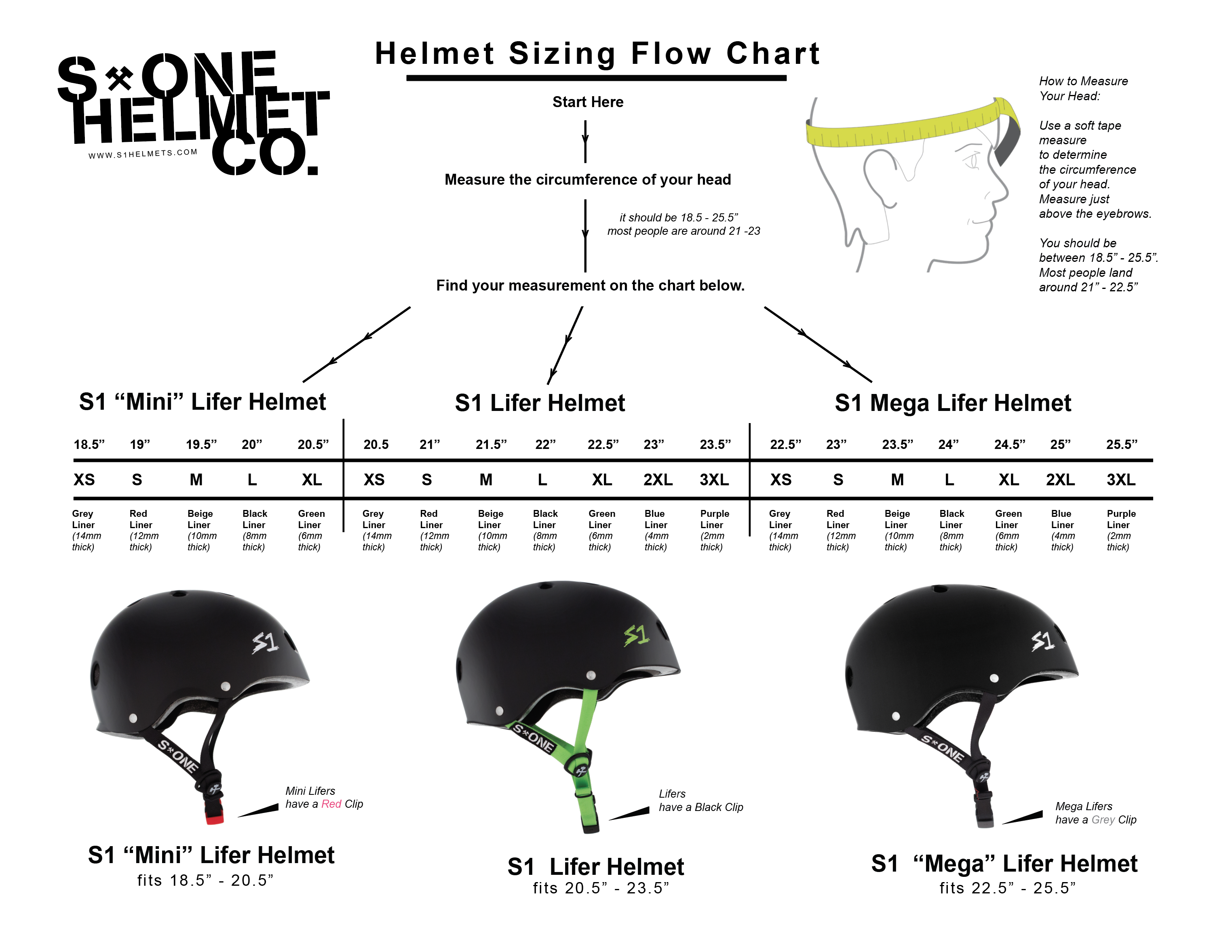
Related: How to Use the Helmet Size Chart
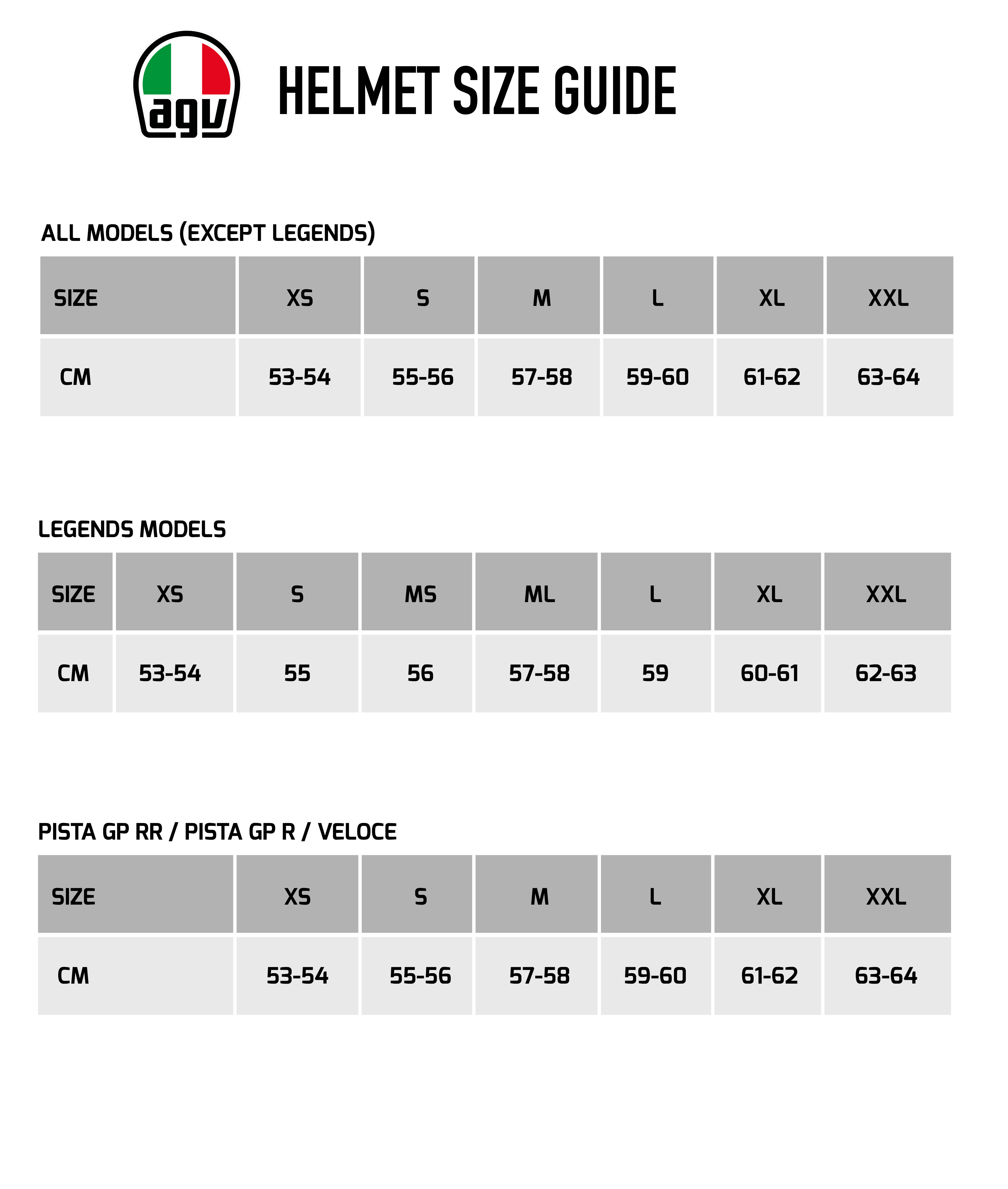
Many folks assume that a helmet size chart is a one-size-fits-all guide, but that's not always the case! While it's a handy tool, it's important to understand that these charts can vary and are tailored to specific standards and brands.
So, when you're measuring for a new helmet, whether it's for biking, skiing, or any other adventure, remember that the helmet size chart is your friend, but it's just one part of the sizing process. You'll want to ensure an accurate head circumference measurement and consult a helmet size guide or fitting guide for the best results.
Understanding Helmet Size Charts
Helmet size charts are your go-to guide for ensuring a perfect fit. They're like a map, showing you the different sizes and helping you find the right one for your head. These charts are essential for anyone looking to buy a helmet, be it for cycling, skiing, or any other activity.
Key Details and Categories
The helmet size chart typically includes two main measurements: head circumference and helmet size. Head circumference is the key measurement, often given in inches or centimeters, and it's a crucial factor in finding the right fit. Helmet sizes, on the other hand, can vary depending on the standard and the type of helmet. Some charts may use letters (e.g., S, M, L) or numerical ranges to represent sizes.
Reading and Applying the Chart
Using a helmet size chart is straightforward. Here's a step-by-step guide:
- Measure your head circumference. Wrap a flexible tape measure around the widest part of your head, just above your eyebrows and ears. Ensure it's not too tight or too loose.
- Refer to the chart and locate your head circumference measurement. This will give you a range of helmet sizes that should fit you.
- Try on helmets within this size range. Adjust the helmet's fit system (if available) to achieve a snug, comfortable fit.
- Ensure the helmet sits level on your head, covering your forehead and not tilting back. It should feel secure without excessive pressure.
Variations and Differences
Variations in helmet size charts can arise due to different standards and manufacturers. Here are some key factors to consider:
- Measurement Units: Some charts use inches, while others use centimeters. Always check the units to ensure accurate readings.
- International Standards: Different countries may have their own sizing standards. For example, the US and Europe might use different size ranges.
- Helmet Type: The chart may vary based on the helmet's purpose. A cycling helmet size chart might differ from a motorcycle helmet chart.
- Manufacturer Preferences: Some brands might have slightly different sizing guidelines, so always refer to their specific charts.
Common Mistakes and How to Avoid Them
When using a helmet size guide, avoid these common pitfalls:
- Wrong Measurement: Ensure you measure your head accurately. A slight difference can lead to an ill-fitting helmet.
- Assuming Sizes are Universal: Don't assume that all helmets of the same size will fit the same. Always refer to the specific chart for each helmet.
- Neglecting Comfort: A helmet should feel comfortable and secure. Don't sacrifice comfort for a "close enough" fit.
Practical Tips for Accurate Results
To ensure you get the perfect fit, consider these tips:
- Measure your head circumference multiple times to ensure consistency.
- If you're between sizes, opt for the larger size to allow for a comfortable fit.
- Try on helmets in-store if possible, as this gives you a better idea of the fit and comfort.
- Consider the shape of your head. Some helmets are designed for specific head shapes, so pay attention to this detail.
Double-Checking and Handling Exceptions
While helmet size charts are a great guide, there are some cases where you might need to double-check:
- If you have an unusually shaped head, consult an expert or a professional fitter.
- For custom-fit helmets, the manufacturer's guidelines should be followed precisely.
- In cases of extreme head sizes (very large or very small), specialized helmets might be required. Always check with experts or medical professionals in such cases.
Remember, a properly fitted helmet is crucial for your safety and comfort. Take the time to understand and utilize the helmet size chart effectively.
Well, there you have it! A helmet size chart is a handy tool to ensure a perfect fit, and it's important to understand the basics and know the potential variations.
Remember, while this guide offers a solid framework, every situation is unique. So, take a moment to consider your specific needs and requirements. Whether it's for cycling, skiing, or any other activity, ensure you're aware of any unique standards or guidelines that may apply. With that in mind, you're all set to measure and find the perfect helmet size!
Consider bookmarking this page for future reference; it's always good to have a quick and easy reminder when you need it. Happy measuring, and stay safe out there!
Related: Find the Right Horse Color: A Simple Chart
A common misconception about the horse colors chart is that it's solely for identifying a horse's color; however, it serves a more nuanced purpose. This chart is an essential tool, offering a comprehensive guide to understanding and categorizing equine coat colors and patterns. It provides a structured way to navigate the diverse world of horse colors, ensuring accuracy and consistency.
Horse Colors Chart: A Guide to Equine Coat Colors
The horse colors chart is a valuable tool for anyone interested in understanding and identifying the diverse range of coat colors found in horses. This reference guide provides a comprehensive overview of the various colors and patterns, helping you accurately describe and categorize equine coats.
Key Color Categories and Terminology
The chart organizes horse coat colors into several main categories, each with its own unique characteristics. These categories include:
- Base Colors: The foundation colors, such as bay, black, and chestnut, form the basis of many other variations.
- Dilute Colors: When a dilution gene is present, it modifies the base color, resulting in shades like palomino, buckskin, and cremello.
- Patterned Coats: These include distinctive patterns like pinto, which features large patches of white, and appaloosa, known for its unique spotted patterns.
- Markings and White Patterns: Separate from coat colors, these include facial markings like stars and blazes, as well as white leg markings.
Practical Color Identification: Step-by-Step
To use the horse colors chart effectively:
- Start by identifying the base color. Is it bay, black, or chestnut? This forms the foundation.
- Look for any dilution effects. Does the horse's coat appear lighter than the base color? This could indicate the presence of a dilution gene.
- Note any distinctive patterns. Are there large white patches, indicating a pinto, or unique spots, suggesting an appaloosa?
- Observe and record any facial or leg markings. These add further detail to your color description.
- Combine these observations to determine the horse's overall coat color and pattern.
Variations and Differences Across Standards
It's important to note that horse colors chart standards may vary slightly between different regions and organizations. While the basic categories remain consistent, specific definitions and terminology can differ. For example, some charts may include more detailed subcategories for certain colors or patterns. Always refer to the specific standard or association for precise definitions.
Common Mistakes and How to Avoid Them
- Misinterpreting Dilution: Mistaking a dilute color for a base color is common. Always look for signs of dilution, such as lighter eyes or a lighter mane and tail.
- Confusing Patterns: Pinto and appaloosa patterns can be similar at first glance. Take time to observe the size, shape, and distribution of white or spotted areas.
- Neglecting Markings: Facial and leg markings are unique identifiers. Don't overlook these when describing a horse's color.
- Relying on One Reference: While the horse colors chart is a great tool, it's beneficial to cross-reference with other resources or experts to ensure accuracy.
Tips for Accurate Color Description
- Lighting and Time of Day: Observe the horse's coat in various lighting conditions and times of day. Some colors may appear different under different lighting.
- Distance and Angle: View the horse from different angles and distances to get a comprehensive understanding of its coat.
- Compare and Contrast: Use reference images or consult with experienced horse owners or breeders to compare and confirm your observations.
- Document and Record: Keep a record of the horse's color and markings, especially if you're working with multiple horses. This helps with accurate identification and description.
By following these steps and tips, you can accurately utilize the horse colors chart and enhance your understanding of equine coat colors.
Remember, while this chart serves as a fantastic reference, it's always wise to cross-reference with other resources or experts in your field to ensure you're up-to-date with the latest standards and practices.
Take a moment to review the specific requirements of your project or context. Every situation is unique, and while this guide provides a solid foundation, it's important to tailor your approach accordingly. Consider bookmarking this page for future reference; it might just save you some time and effort down the line!