




Stranger Things Png Overview
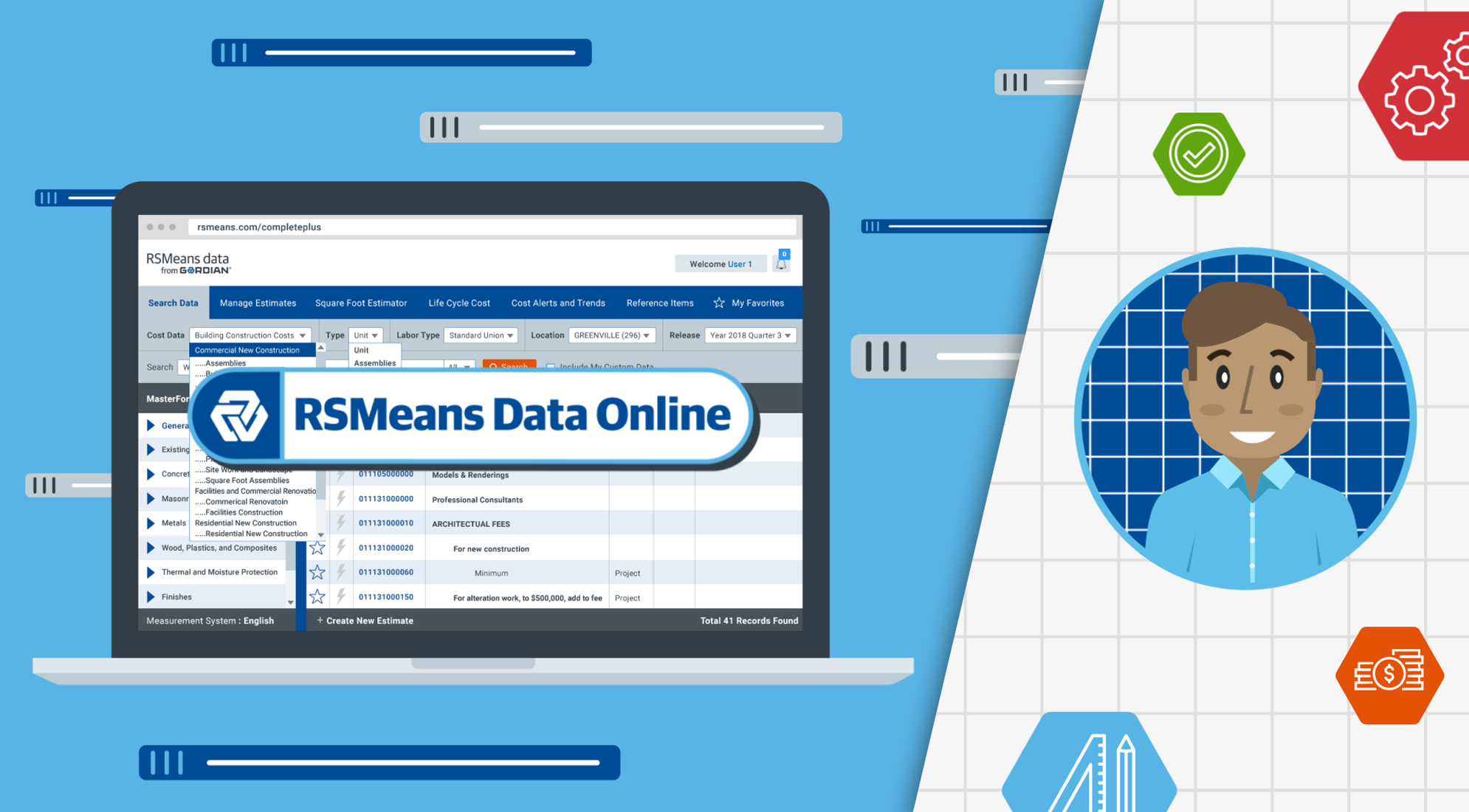
RS Means Cost Data has been on my mind lately as I plan a home renovation project. It's an important step to get the right info before you start, so I wanted to learn more.
I discovered that RS Means Cost Data is a valuable resource for anyone in the construction industry, whether you're a homeowner, a contractor, or a business owner. It's a comprehensive database that provides cost information for various construction projects, materials, and labor. This data is crucial for accurate estimating and budgeting, especially when you're considering a remodel or new build.
Understanding the Data
RS Means Cost Data offers a wealth of information, but it's not just a simple list of prices. The database includes detailed cost breakdowns for different construction tasks, materials, and equipment. It considers factors like location, labor rates, and material costs, which can vary significantly. For example, the cost of a bathroom renovation in Atlanta might be different from that in Helena due to regional variations in labor and material prices.
The data is also useful for comparing quotes from contractors. You can use RS Means Cost Data to ensure that the estimates you receive are fair and accurate. It's a great way to avoid overpaying or getting scammed. Just remember that the data is a guide, and actual costs can vary depending on the specifics of your project.
Hiring a Contractor
When it comes to hiring a contractor, RS Means Cost Data can be a valuable tool. It can help you understand the scope and cost of your project, so you know what to expect and can ask the right questions. Before hiring, check that the contractor has experience with similar projects and ask for references.
A good quote should include a detailed breakdown of costs, including materials, labor, and any additional fees. It's also a good idea to get multiple quotes to compare and ensure you're getting a competitive price. Remember, the cheapest quote might not always be the best option.
Company Names and Ideas
For those starting a construction business, choosing a name is an important step. A good name should be memorable, unique, and reflect your business values. Here are a few ideas:
- BuildRight Construction
- HomeCrafters
- Solid Foundations
- Modern Builders
- Eco-Friendly Renovations
Remember to check name availability and register your business locally to avoid any legal issues.
Jobs and Salaries
The construction industry offers a range of roles, from general contractors to estimators and project managers. Salaries can vary depending on experience, location, and the size of the company. For example, an estimator in a large firm in San Francisco might earn a different salary compared to one in a smaller town.
If you're looking for construction jobs, online job boards and local recruitment agencies are good places to start.
Data and Tools
RS Means Cost Data is just one of many tools available to the construction industry. Other resources include cost databases, escalation indexes, and outlook reports. These tools help businesses and homeowners plan and budget for construction projects, providing valuable insights into the industry.
Big Companies and the Industry
Large construction firms often have an advantage when it comes to resources and scale. They might have access to better materials, more specialized equipment, and a larger pool of skilled labor. However, smaller companies can offer personalized service and a more tailored approach.
The construction industry is diverse, and the size of the company doesn't always determine its success or quality of work. It's important to research and choose the right company for your specific needs, whether it's a large corporation or a local, family-run business.
So, whether you're a homeowner planning a renovation or a business owner looking to expand, RS Means Cost Data is a great resource to have in your toolkit. It's a simple yet powerful tool that can help you navigate the construction world with confidence.
Related: How to use a kitten age chart?
A kitten age chart is a handy tool for any cat lover or owner, offering a quick glimpse into a kitten's growth and development. This guide will cover the essentials, providing you with the knowledge to interpret and utilize a kitten age chart effectively.
From weeks to months, these charts outline standard milestones and common development stages, giving you an overview of your kitten's progress. While values may vary slightly depending on factors like breed and region, the charts offer a reliable reference point for cat enthusiasts and owners alike.
Understanding the Kitten Age Chart
The kitten age chart is a valuable tool for cat owners and enthusiasts, offering a visual representation of a kitten's growth and development over time. This chart provides a practical guide to understanding a kitten's age and the associated milestones.
Key Details and Categories
The kitten age chart typically presents age in weeks or months, with corresponding physical and behavioral changes. It covers a kitten's journey from birth to adulthood, usually up to one year. The chart may vary slightly depending on the standard used, but it generally follows a consistent format.
Reading and Applying the Chart
To use the kitten age chart accurately, follow these steps:
- Identify the age of your kitten in weeks or months.
- Locate the corresponding age range on the chart.
- Review the physical and behavioral characteristics listed for that age range.
- Compare these characteristics to your kitten's development.
- Note any significant variations or delays, which may indicate the need for veterinary attention.
For instance, a four-week-old kitten should be gaining weight steadily, with eyes and ears opening, and initial attempts at walking. By eight weeks, kittens should be fully weaned and showing more independence.
Variations in Growth
It's important to note that every kitten is unique, and growth rates can vary. Factors such as breed, nutrition, environment, and overall health can influence a kitten's development. Here are some key variations to consider:
- Breed: Different cat breeds have distinct growth patterns. For example, larger breeds may take longer to reach maturity.
- Nutrition: A well-balanced diet is crucial for healthy growth. Malnutrition can lead to stunted development.
- Environment: A stimulating and safe environment promotes healthy growth. Stress or lack of stimulation can impact a kitten's development.
- Health: Underlying health issues can affect growth. Regular veterinary check-ups are essential to identify and address any concerns.
Remember, the kitten age chart provides a general guide, and individual kittens may develop at their own pace. If you have concerns about your kitten's growth, consult a veterinarian for personalized advice.
Remember that while this chart provides a great starting point, the exact details may differ slightly based on your kitten's unique development and the specific guidelines you follow. Every kitten is an individual, so keep an eye on their progress and adjust your expectations accordingly.
Feel free to explore our other guides for more practical tips and insights into the wonderful world of kitten care. You'll find a wealth of information to support you and your furry friend through every stage of their growth and development.
Related: Unraveling the Size Chart Bicycle Mystery
A size chart bicycle is a handy tool for anyone looking to ensure a perfect fit when choosing a bike. This guide will navigate you through the process, offering a clear understanding of these charts and their applications.
Bicycle size guides, often presented as charts or diagrams, provide a quick reference for various bike dimensions. While values may differ across brands and regions, these charts are designed to help riders find their ideal fit, covering everything from frame sizes to wheel dimensions.
Understanding the Size Chart Bicycle: A Quick Overview
A size chart bicycle is a valuable tool for cyclists, offering a standardized guide to help you choose the right bike size. It provides a reference for various bike dimensions, ensuring a comfortable and efficient riding experience. This chart is essential for anyone seeking to purchase or customize their bicycle.
Comparing Size Chart Formats: Standards and Categories
Size charts can vary depending on the region and the type of bicycle. The two primary standards are the metric (international) and imperial (often used in the US) systems. These charts categorize bikes based on factors like frame size, wheel diameter, and rider height. For instance, a road bike sizing chart might focus on frame geometry, while a mountain bike dimensions chart may emphasize wheel size.
Step-by-Step Guide: Choosing the Right Size
- Identify the type of bike you need. Different bikes have unique size charts.
- Measure your body dimensions. Key measurements include your height, inseam, and arm reach.
- Refer to the size chart. Look for your measurements' intersection on the chart to find the recommended bike size.
- Consider personal preferences. If you prefer a more upright position, you might choose a slightly larger frame.
- Double-check with the manufacturer's specifications. Some brands may have slight variations in their size charts.
Avoiding Common Misreadings and Pitfalls
It's crucial to understand that size charts are general guides. Individual rider preferences and body proportions can vary, so the chart should be used as a starting point. Always consider your comfort and riding style. Misinterpreting the chart can lead to an ill-fitting bike, affecting your riding experience and potentially causing discomfort or safety issues.
Factors Affecting Accuracy: Real-World Considerations
Several factors can influence the accuracy of a size chart. Firstly, the chart's standard must match your location and bike type. Secondly, personal factors like flexibility, riding experience, and intended use can impact the ideal bike size. For example, a more experienced rider might prefer a slightly smaller frame for better control. Lastly, manufacturing tolerances can vary, so always check the bike's actual dimensions before purchase.
Choosing the Right Size Chart Format
The choice of size chart format depends on your needs and the type of bike. For instance, a frame size chart is ideal for road bikes, focusing on frame geometry. A wheel size reference is more relevant for mountain bikes, emphasizing wheel diameter. If you're unsure, a comprehensive bicycle size guide can provide an overview of various bike types and their sizing considerations.
Keeping Your Setup Reliable: Maintenance and Updates
To ensure the reliability of your size chart, keep it up-to-date with the latest standards and specifications. Regularly check for updates from reputable sources, especially if you frequently change bike types or brands. Additionally, consider keeping a record of your body measurements and preferred bike sizes to streamline future purchases or adjustments.
Remember, while this guide offers a comprehensive overview, the exact details may differ slightly based on the specific bike model or manufacturer. It's always a good idea to double-check the size charts provided by the brand you're interested in to ensure an accurate fit.
Feel free to bookmark this page for future reference. We've got plenty more practical guides to help you with your cycling adventures and ensure you have all the tools you need to make the most of your rides. Happy cycling!