



Suit Size Chart Black And White Overview
Many people assume that the Athleta size chart is a one-size-fits-all guide, but it's actually a flexible tool with some nuances. While it provides a great starting point, understanding your unique body shape and the brand's sizing standards is key.
The chart is a fantastic resource, offering a quick and easy reference for finding your perfect fit. However, it's worth noting that sizing can vary, so paying attention to the brand's specific measurements and any additional size guide tips they provide is a great way to ensure a comfortable and confident purchase.
Understanding the Athletea Size Chart
The athleta size chart is your guide to finding the perfect fit for your body. It's a handy tool that helps you navigate through the world of clothing sizes, ensuring you get the right fit every time. This chart is like a map, showing you the different sizes and measurements to consider when shopping at Athletea.
Comparing Size Standards and Formats
When it comes to size charts, there can be variations depending on the brand and region. Athletea's size chart follows a standard sizing guide, which is commonly used in the industry. However, it's always a good idea to check the specific size guide for any brand, as there might be slight differences. The chart usually includes measurements for bust, waist, hips, and height, which are key factors in determining your size.
Step-by-Step Guide to Measuring Yourself
Measuring yourself accurately is crucial for using the athleta size chart effectively. Here's a simple process to follow:
- Bust: Measure around the fullest part of your bust, keeping the measuring tape parallel to the floor. This measurement is key for tops and dresses.
- Waist: Find your natural waistline, usually just above your belly button. Measure around this point, ensuring the tape is snug but not tight.
- Hips: Stand with your feet together and measure around the fullest part of your hips. This measurement is essential for bottoms and some tops.
- Height: Simply stand tall and measure from the top of your head to the floor. This measurement is often used for dresses and jumpsuits.
By following these steps, you'll have the key measurements needed to refer to the athleta size chart and find your ideal size.
Avoiding Common Misreadings and Pitfalls
One common mistake is assuming that all brands use the same size standards. While athleta size chart follows a standard guide, it's always best to double-check the brand's specific size guide. Another pitfall is not considering your body's unique shape. The chart provides a general guide, but your personal measurements might vary slightly, especially if you have a curvier or more athletic build. Always trust your measurements and the chart as a starting point, but be open to trying on different sizes to find the perfect fit.
Factors Affecting Size Variations and Accuracy
Several factors can influence the accuracy of size charts and your personal measurements. Body shape, muscle tone, and even the time of day can affect your measurements. For instance, if you've just finished a workout, your muscles might be slightly more defined, impacting your measurements. Additionally, the fabric and design of the clothing can also play a role. Some fabrics have more stretch, while certain styles might be more fitted or relaxed. Always consider these factors and be open to trying on multiple sizes to ensure the best fit.
Remember, the athleta size chart is a practical tool to guide you, but your unique body and preferences are the ultimate deciders when it comes to finding the perfect fit.
Remember, size charts are a helpful guide, but they are not an exact science. Exact values may differ slightly between brands and standards, so it's always good to check the specific chart for your preferred brand. It's a quick and easy reference, and now you have the tools to ensure you get the perfect fit every time.
Feel free to explore our other guides for more practical tips and tricks. And don't forget to bookmark this page for future sizing adventures!
Related: Snot Colour Chart: A Quick Reference Guide
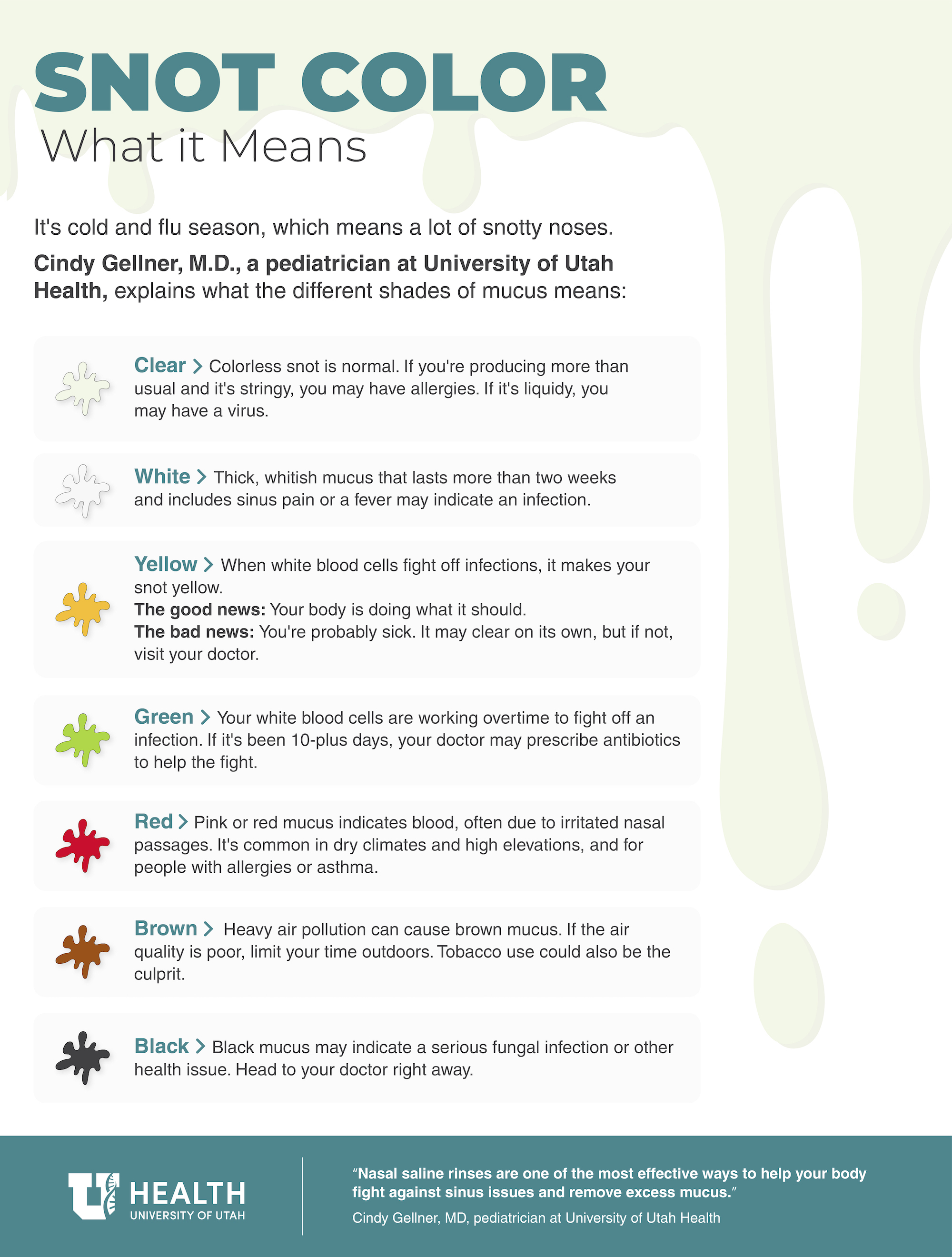
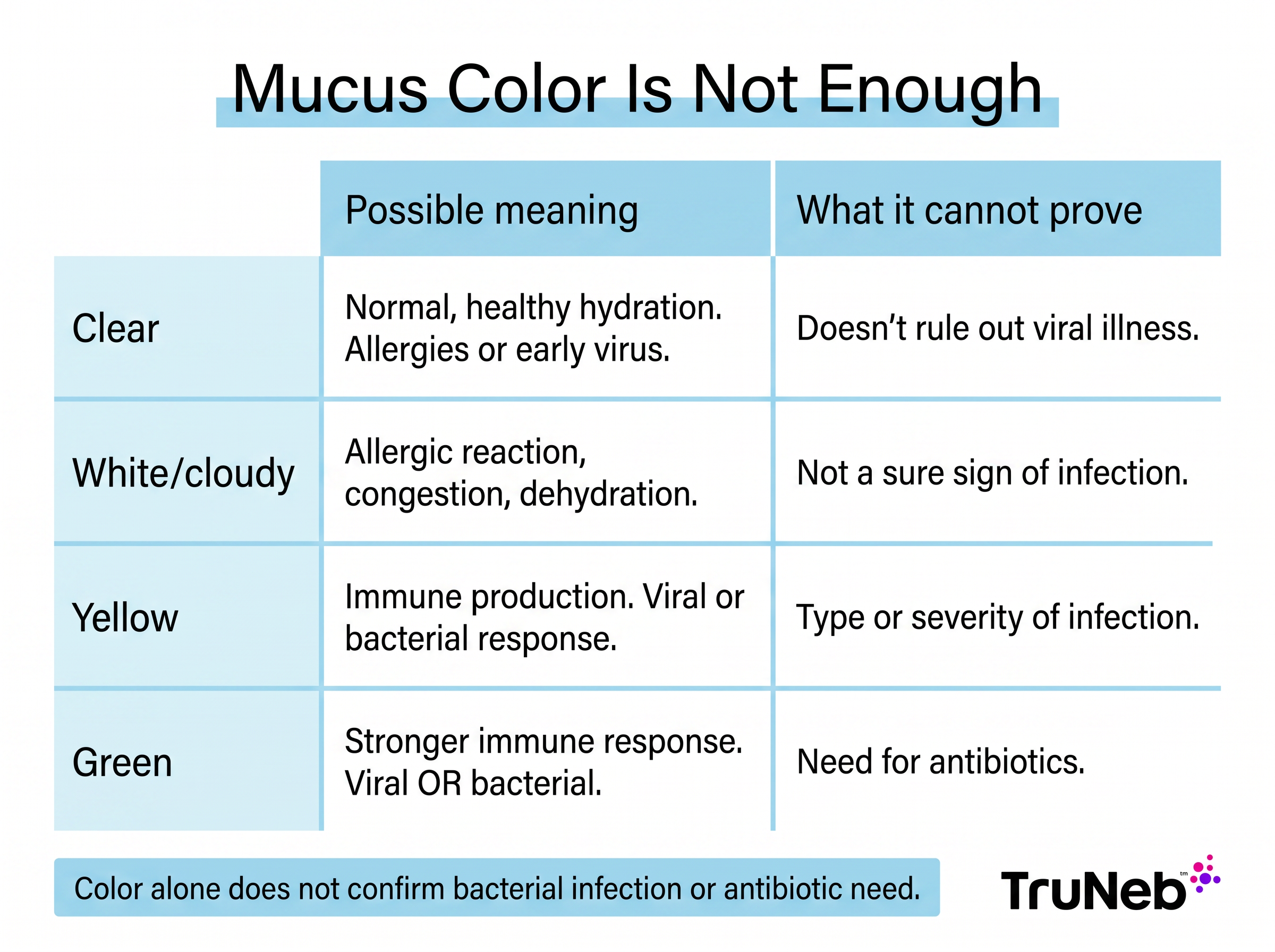
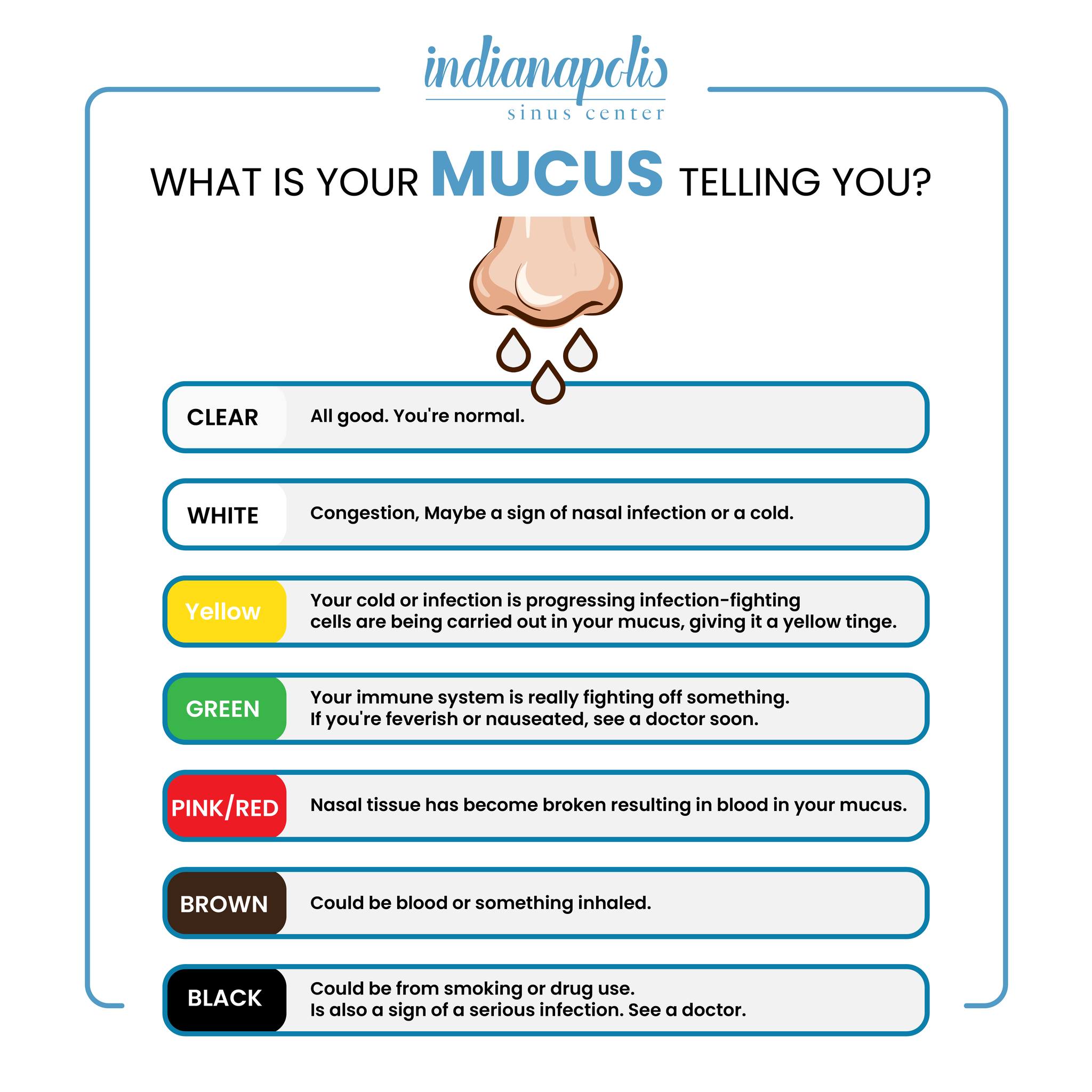
Many people tend to overlook the importance of a snot colour chart, assuming it's just a fun, quirky reference. However, this chart is a valuable tool for understanding your health and can provide useful insights. It's an easy-to-use guide that helps decode the colours and textures of your nasal discharge, offering a quick glimpse into potential health issues. While the specifics may vary slightly, the basic principles of the snot colour chart remain consistent and are a great starting point for anyone wanting to learn more about respiratory health.
The Snot Colour Chart: Your Practical Guide
The snot colour chart is a handy reference tool that can help you understand what your nasal discharge is trying to tell you about your health. It's a simple yet effective way to interpret the colors and textures of your mucus and gain some insight into potential health issues. This chart is a great starting point for anyone wanting to take a more proactive approach to their respiratory health.
Key Details and Categories
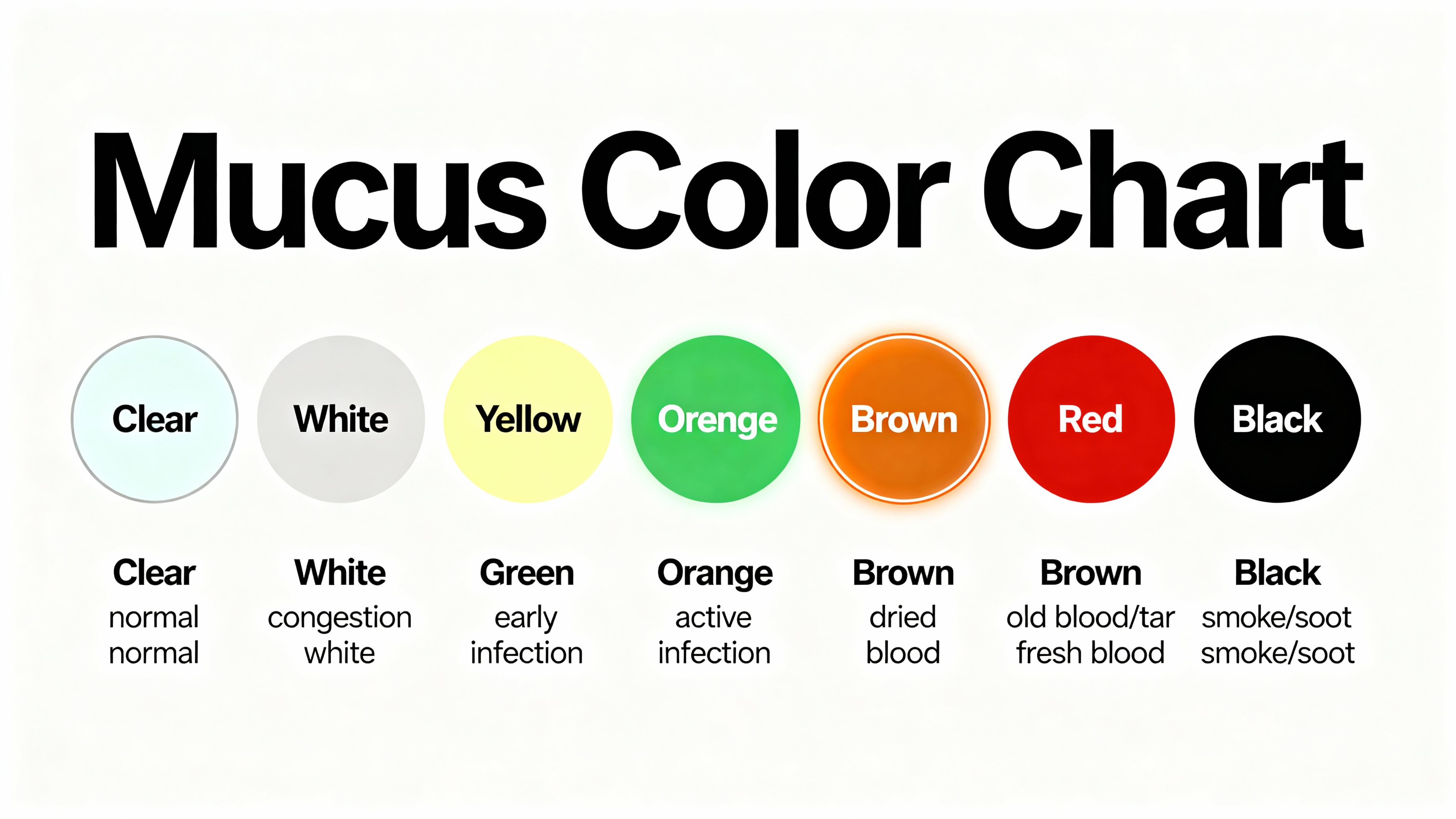
The snot colour chart typically features a range of colors, from clear to yellow, green, brown, and even black. Each color category represents a different stage or indication of potential health concerns. The chart also considers the thickness and consistency of the mucus, which can provide additional insights. For example, watery clear mucus might indicate an early cold, while thick yellow mucus could suggest a more advanced infection. It's important to note that the chart provides a general guide, and individual experiences may vary.
How to Read and Apply the Chart
Using the snot colour chart is straightforward. First, observe the color and texture of your nasal discharge. Then, match it to the closest color and description on the chart. Here's a step-by-step guide:
- Collect a sample of your mucus. You can do this by gently blowing your nose into a tissue.
- Examine the color and consistency. Is it clear, yellow, green, or another shade? Is it thin and runny or thick and sticky?
- Refer to the chart. Find the color and texture that most closely resembles your sample.
- Interpret the results. The chart will provide a general indication of what the color and texture might mean. For instance, clear mucus often indicates good health, while green mucus could suggest a bacterial infection.
- Monitor any changes. If your mucus color or texture changes, repeat the process and keep an eye on any developing symptoms.
Understanding Variations and Differences
It's important to remember that the snot colour chart provides a general guide, and individual experiences can vary. Factors such as diet, hydration, and environmental conditions can influence the color and texture of your mucus. Additionally, certain medications and supplements may also affect mucus production and appearance. For example, some antibiotics can cause your mucus to turn green, even if there is no bacterial infection present. Always consider these variables when interpreting the chart.
Common Mistakes and How to Avoid Them
One common mistake is relying solely on the snot colour chart without considering other symptoms. It's essential to pay attention to any accompanying signs, such as fever, cough, or congestion. Another pitfall is overinterpreting the chart; remember, it's a guide, and individual variations exist. Lastly, avoid comparing your mucus to others; everyone's body reacts differently. To ensure accuracy, always refer to the chart as a starting point and seek medical advice if you have concerns.
Practical Tips for Accurate Results
To get the most out of the snot colour chart, ensure you collect a fresh sample each time you want to assess your mucus. Also, consider keeping a record of your observations to track any changes over time. This can be especially useful if you're monitoring a potential illness or recovery progress. Additionally, stay hydrated and maintain a healthy diet to support your body's natural processes.
Double-Checking and Handling Exceptions
While the snot colour chart is a valuable tool, it's not a replacement for professional medical advice. If you have persistent or severe symptoms, or if your mucus color and texture don't align with the chart's indications, it's best to consult a healthcare professional. They can provide a more accurate diagnosis and recommend appropriate treatment. Remember, the chart is a guide, and individual health situations can be complex.
Well, there you have it! A snot color chart is a handy tool to have, and it's great to know the basics. Remember, while this guide provides a solid foundation, exact values can vary, so always check the specific standards or references relevant to your field.
Don't forget to explore other guides on our site for more practical insights and tips. We've got you covered with all sorts of interesting and useful topics!
Related: Understand Chicos Size Charts Easily
Many folks assume that chicos size charts are a one-size-fits-all deal, but that's a common misconception. These charts are actually tailored to the brand's unique sizing system, which can vary from other standard measurements.
So, while it's a simple reference tool, understanding how to read and interpret chicos size charts accurately is key to getting the perfect fit. It's all about knowing your measurements and finding the right correlation on the chart.
Understanding the Chicos Size Chart
The chicos size chart is a handy tool to help you find your perfect fit when shopping for clothing. It provides a clear guide to the standard measurements used by Chicos, ensuring you can easily navigate their sizing system. This chart is a great reference, especially when shopping online, as it gives you an accurate idea of the sizes available and how they correspond to your own measurements.
Comparing Size Chart Standards
Chicos' size chart follows a standard format, typically based on US sizing, which is widely used in North America. This chart provides measurements for various body parts, including bust, waist, hips, and inseam, to ensure a precise fit. It's important to note that while US sizing is common, other regions may use different standards, such as metric or European sizing. So, if you're used to a different system, it's a good idea to double-check the specific measurements and conversions.
Measuring Yourself for Accurate Sizing
To use the chicos size chart effectively, you'll need to take some key measurements. Here's a step-by-step guide:
- Bust: Measure around the fullest part of your bust, keeping the tape measure parallel to the floor.
- Waist: Measure your natural waistline, usually just above the belly button.
- Hips: Find the widest part of your hips and measure around, ensuring the tape is level with the floor.
- Inseam: For pants and jeans, measure from your crotch to the desired pant length.
Once you have these measurements, you can refer to the size chart and find the closest match. The chart will provide a range of measurements for each size, so you can choose the one that best fits your body.
Common Misreadings and How to Avoid Them
One common mistake is assuming that all clothing brands use the same size standards. While Chicos' size chart is a great guide, it's always a good idea to check the specific brand's size guide, especially if you're a regular customer. Another pitfall is measuring yourself incorrectly. Ensure you're measuring the right body parts and following the guidelines accurately. Finally, don't forget that sizing can vary slightly between different styles and fabrics, so always check the product details for any specific size notes.
Hey there, we hope you found this guide helpful and that it's now easier to navigate the world of Chicos size charts. Remember, while we've covered the basics, exact details might differ slightly, so always double-check with the brand's guidelines or consult our other guides for more specific info.
Consider bookmarking this page for future reference; it's a handy tool to have at your fingertips when you need to quickly look up those size charts!