


Suit Size Chart Easy Overview
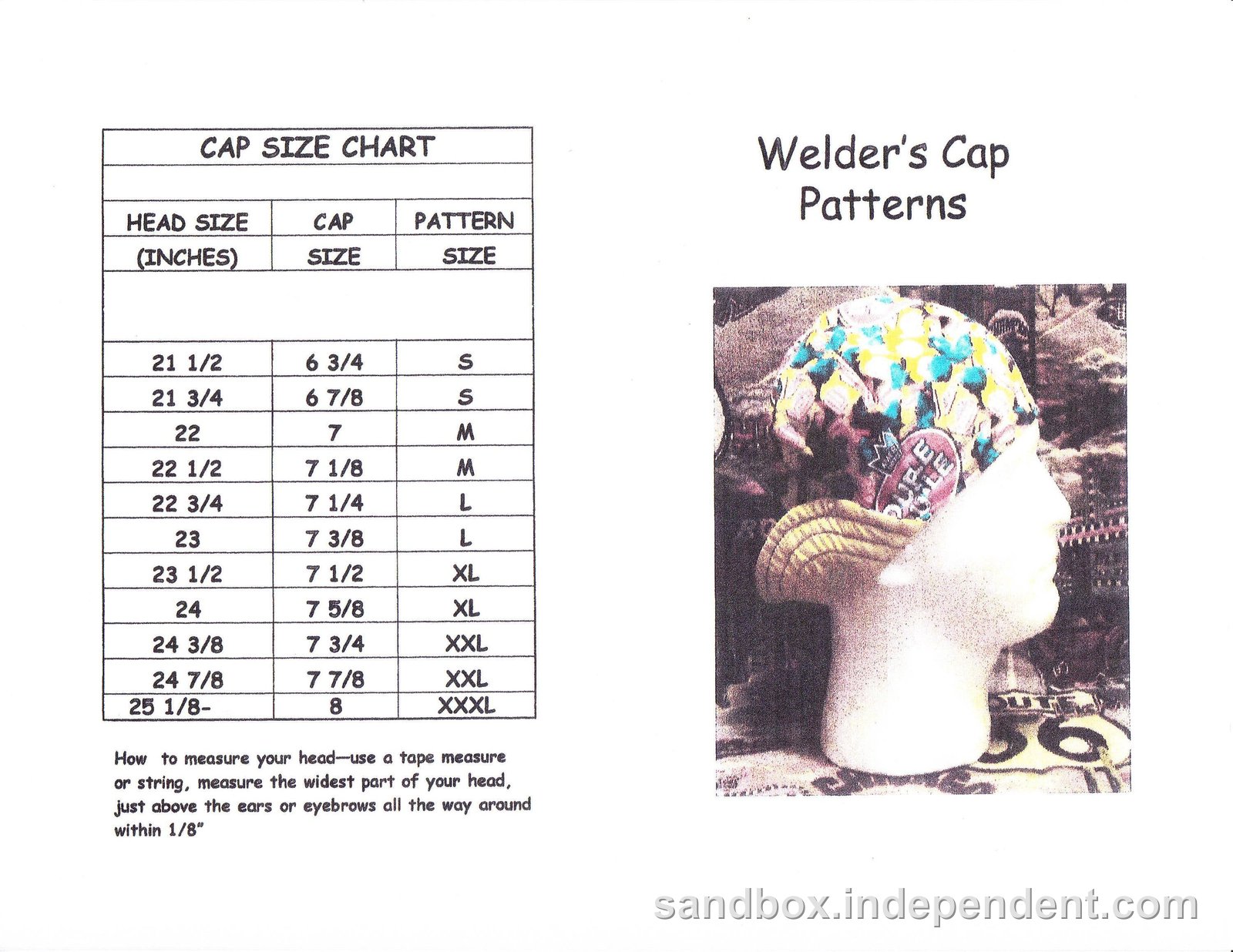
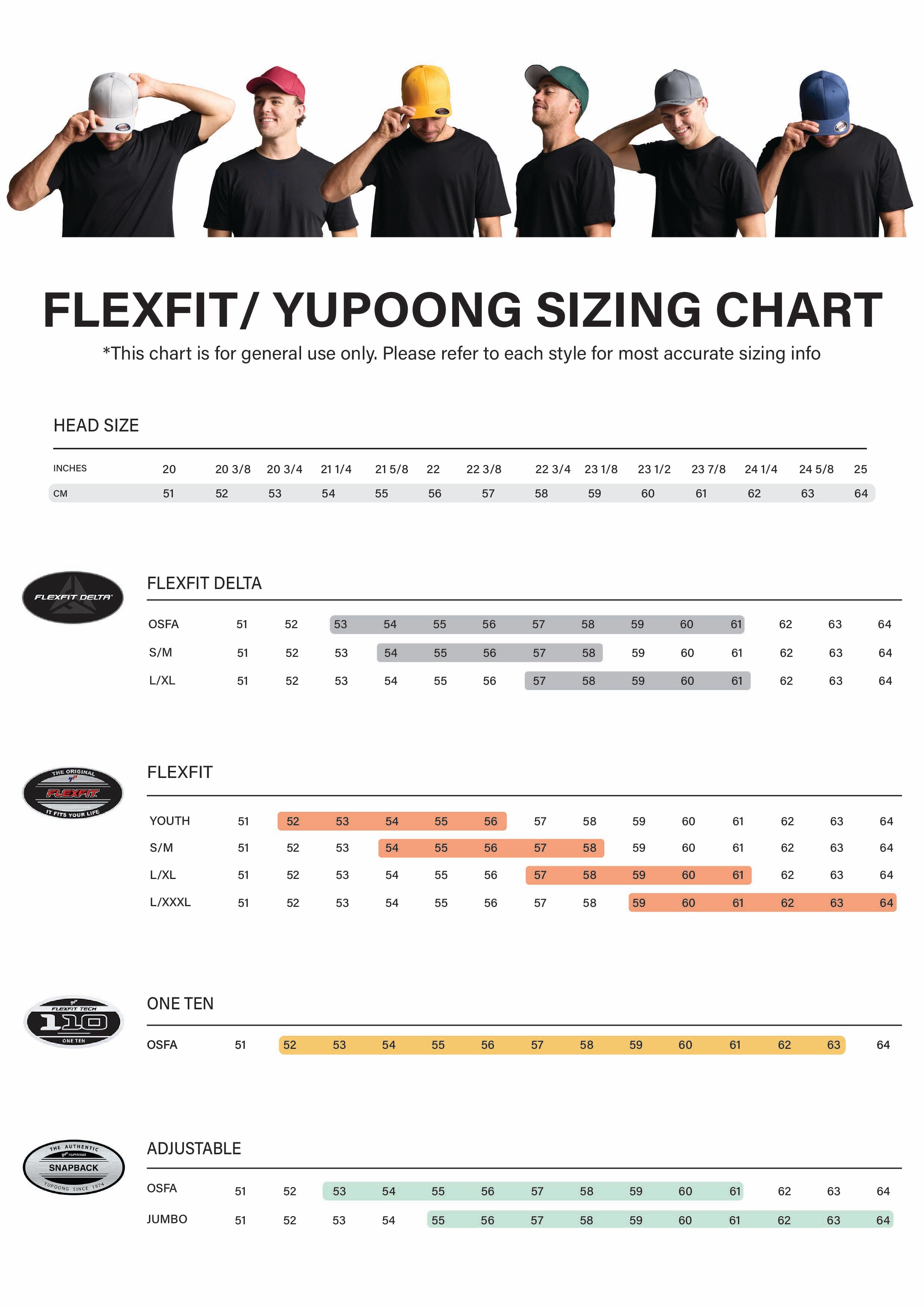
You're probably here because you need a quick fix, a simple solution to a sizing dilemma. Well, you've come to the right place! The cap size chart is your handy tool, a quick reference guide to ensure you get the perfect fit every time. It's a straightforward way to measure and match your head size to the right cap, and it's a lifesaver when you're in a rush or shopping online. This chart offers a simple solution, and it's worth familiarizing yourself with, especially if you want to avoid those pesky sizing mistakes!
Understanding the Chart: A Quick Overview
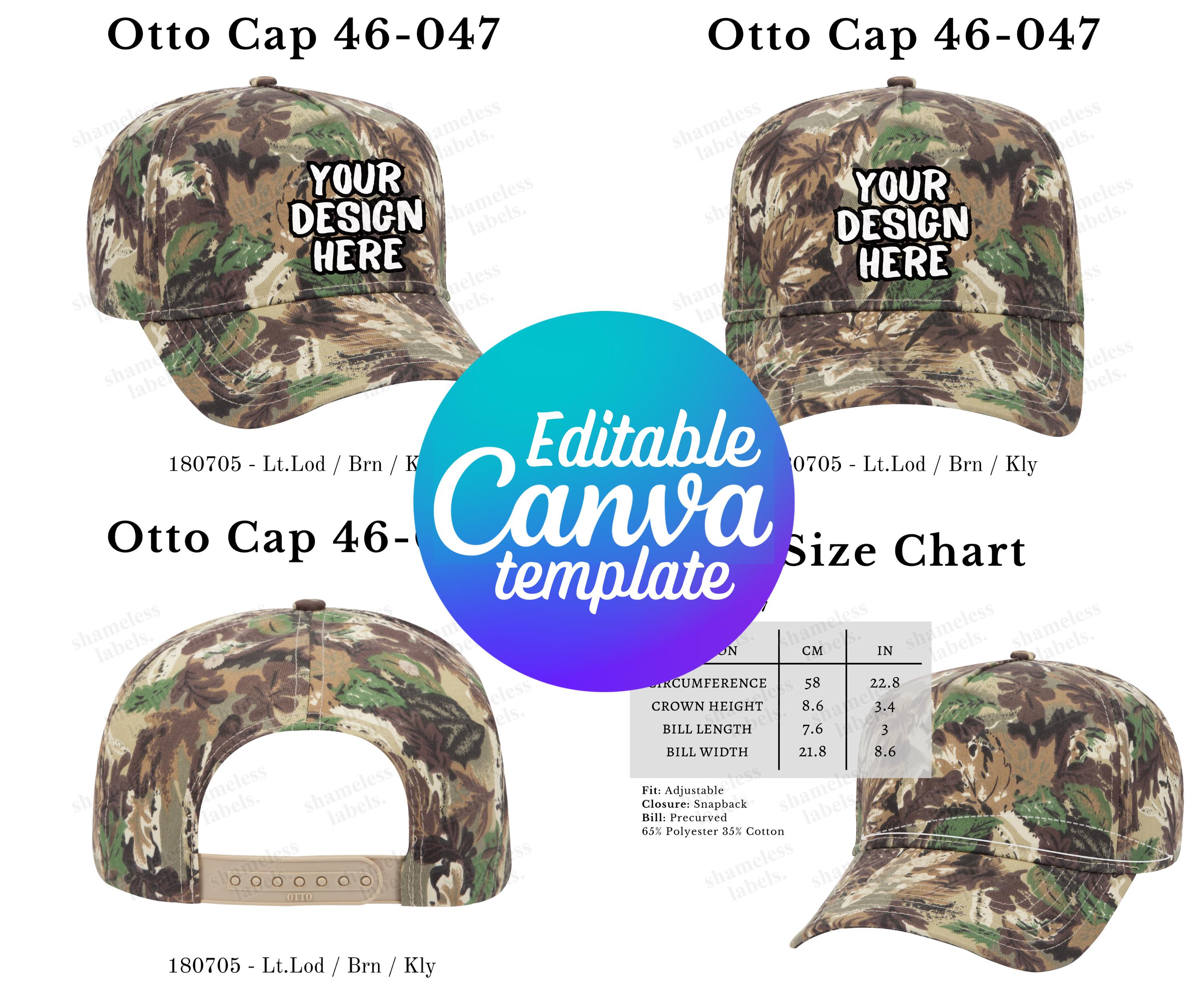
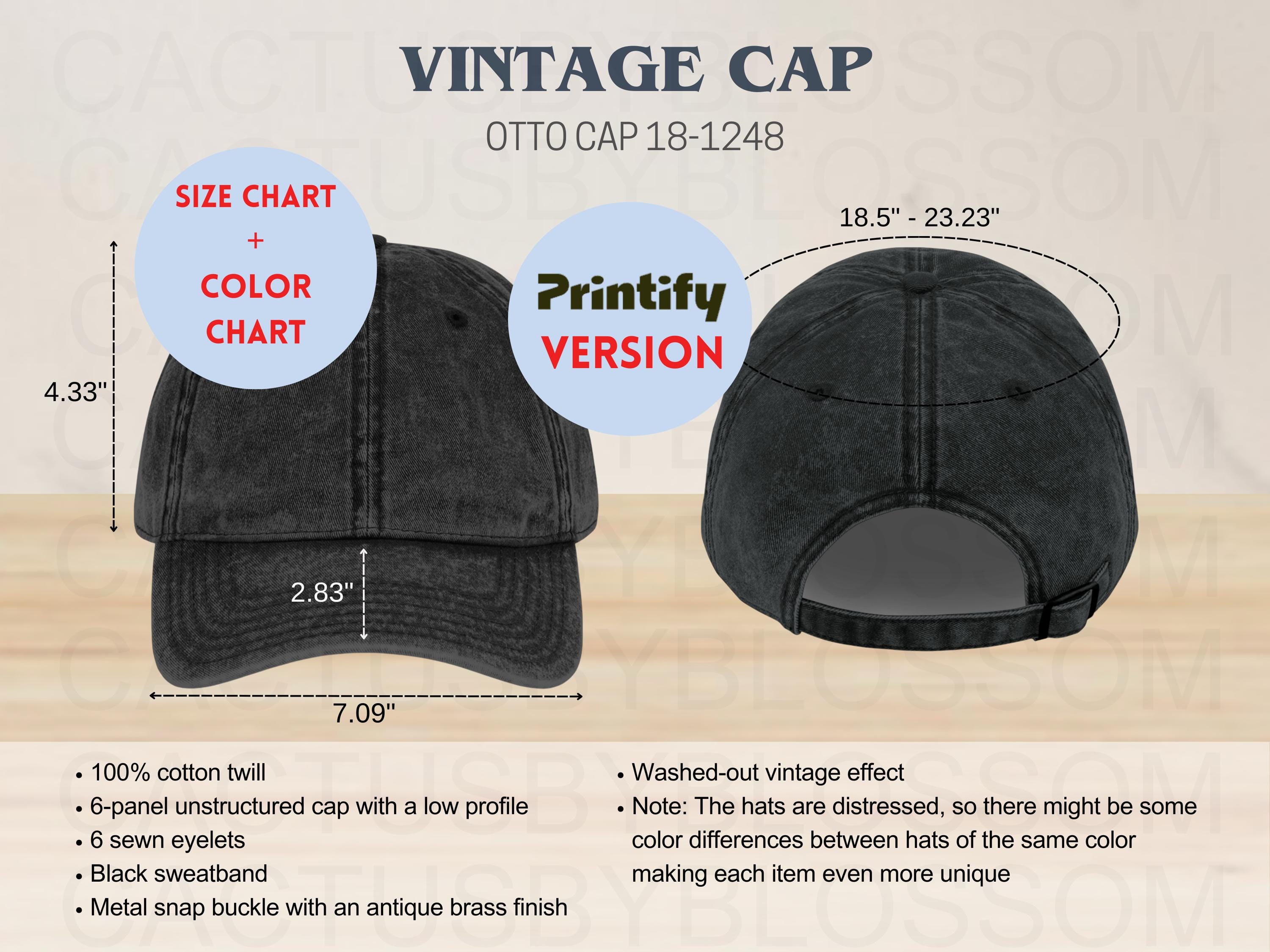
The cap size chart is a handy tool that helps you find the perfect fit for your headwear. It's a simple guide, often presented as a table or diagram, that matches your head measurements to the right cap size. This chart ensures your caps are neither too tight nor too loose, providing a comfortable and secure fit.
Comparing Common Cap Sizes and Standards
Cap size charts typically use two main standards: metric and imperial measurements. The metric system is widely used internationally and offers precise measurements in centimeters. On the other hand, the imperial system, common in the US, uses inches. These standards determine the cap circumference, which is the key measurement for finding your ideal cap size.
Step-by-Step Guide to Using the Cap Size Chart
Measure your head circumference: Take a flexible tape measure and wrap it around your head, just above your ears and across your forehead. Ensure it's not too tight or too loose. Note down the measurement in either centimeters or inches, depending on your preference or the chart's standard.
Refer to the cap size chart: Look for the column or row that corresponds to your head circumference measurement. The chart will provide you with a recommended cap size based on this measurement.
Adjust for comfort: While the chart offers a guide, personal preference plays a role. If you prefer a looser fit, consider going up a size. For a snugger fit, especially for activewear, you might want to choose a slightly smaller size.
Check the hat sizing chart: Some charts provide additional information, such as hat sizing. This can be useful if you're looking for a specific hat style and want to ensure it fits well.
Avoiding Common Misreadings and Pitfalls
It's important to remember that the cap size chart is a guide, and individual preferences may vary. While it provides a reliable starting point, you might need to make slight adjustments to find your perfect fit. Always double-check the chart's measurements and ensure they align with your head size guide. If you're between sizes, consider trying both and choosing the one that feels most comfortable.
Key Factors Affecting Accuracy and Real-World Use
Several factors can influence the accuracy of the cap size chart. Firstly, the chart's measurements may vary slightly depending on the manufacturer and the intended use of the cap. For instance, a baseball cap might have different sizing standards compared to a beanie. Additionally, personal factors like hair volume and style can impact the fit. If you have thick hair or a hairstyle that adds volume, you might need to adjust the size accordingly. Always consider these factors and refer to the specific cap's instructions or sizing guidelines for the most accurate fit.
Well, that's a wrap on our cap size chart adventure! We've covered a lot of ground, from understanding the different options to nailing down the key steps for accurate measurements.
Remember, when it comes to getting the right fit, always double-check your specific needs and the guidelines for your chosen standard or source. Exact values can vary slightly, so it's good to be aware of that.
Consider bookmarking this page for future reference; it's a handy tool to have at your fingertips when you need it most!
Related: A Guide to My WVU Chart Login
You've landed on this blog because you're seeking a quick solution, right? Well, you're in the right place. Let's talk about my WVU Chart login. This is your gateway to accessing important information and resources as a student. Think of it as your personal digital hub, where all your academic needs are met.
Your WVU Chart login is unique to you and provides a secure way to access various online services. From checking grades to resetting your password, it's a one-stop shop. While the specifics may vary slightly depending on your role and region, the process is straightforward and reliable.
A Quick Overview of Your WVU Chart Login
Your my wvu chart login is a secure gateway to your personal student account, offering a range of services and resources. This login system ensures you can access your academic records, financial information, and other essential tools with ease and peace of mind.
Comparing Login Options and Security Measures
When it comes to logging in, you have a few options to choose from, each with its own benefits and considerations. The standard login requires your unique username and password, which should be kept confidential. For added security, you can enable two-factor authentication, which provides an extra layer of protection by requiring a code sent to your device. This is especially useful for sensitive information.
Step-by-Step Guide to Logging In
Logging into your wvu chart student portal is straightforward. Here's a simple guide:
- Go to the WVU Chart Web page and locate the login button.
- Enter your username and password. Ensure you type these correctly, as case sensitivity matters.
- If you have enabled two-factor authentication, you will receive a code via text or email. Enter this code to complete the login process.
- You should now be logged in and able to access your student account and all its features.
Common Misreadings and How to Avoid Them
One common mistake is forgetting to enable case sensitivity when creating your password. Always ensure your password includes a mix of uppercase and lowercase letters, as well as numbers and special characters if allowed. Another pitfall is forgetting to check your spam folder for the two-factor authentication code. If you don't see the code in your inbox, check your spam or junk mail folder.
Factors Affecting Login Accuracy and Security
There are a few key factors that can impact the accuracy and security of your login:
- Password Strength: A strong password is essential. Avoid using personal information or common words. Instead, opt for a unique combination of characters.
- Account Security: Regularly review your security settings and ensure your contact information is up-to-date for two-factor authentication.
- Browser and Device: Using a secure browser and device is crucial. Ensure your browser is updated and has security features enabled.
- Public Wi-Fi: Avoid logging in on public networks, as they can be less secure. Use a private or trusted network whenever possible.
- Password Guidelines: Follow the password guidelines provided by WVU. These guidelines ensure your password is complex enough to protect your account.
By considering these factors and following the step-by-step guide, you can ensure a smooth and secure login process for your my wvu chart login.
Remember, every situation is unique, so be sure to review your specific needs and double-check the details. It's always a good idea to have a reliable reference guide like this one to avoid any potential pitfalls.
Feel free to bookmark this page for future use. It's a handy resource to have at your fingertips, and it's great to know you now have a clear understanding of the process and what to expect. Stay organized and keep those charts in check!
Related: How to use the cat chonk chart?
A common misconception about the cat chonk chart is that it's solely about judging a cat's appearance; however, this visual tool serves a much more practical purpose. The cat chonk chart, or feline weight chart, is an essential reference for cat owners, providing a clear guide to assess a cat's body condition and overall health. It offers a simple yet effective way to understand and monitor your cat's weight, ensuring they maintain an ideal and healthy size.
Understanding the Cat Chonk Chart
The cat chonk chart is a valuable tool for cat owners and veterinary professionals to assess a cat's body condition and determine if they are at a healthy weight. It provides a visual representation of different body types and helps identify if a cat falls within the ideal weight range. This chart is a simple yet effective way to monitor a cat's health and make informed decisions about their diet and lifestyle.
Key Details and Categories
The cat chonk chart typically consists of a reference grid or a series of images depicting cats with varying body conditions. It often includes categories such as "Underweight," "Ideal Weight," "Overweight," and "Obese." These categories are further divided into sub-ranges, providing a more detailed assessment. The chart may also feature additional information, such as breed-specific considerations and guidelines for different life stages. It is essential to note that the chart's accuracy depends on the standard used; some charts follow international guidelines, while others may be region-specific.
Interpreting Results: A Step-by-Step Guide
To use the cat chonk chart accurately, follow these steps:
- Familiarize yourself with the chart's layout and categories. Understand the visual representations and their corresponding weight ranges.
- Assess your cat's body condition by feeling their ribcage, spine, and hips. These areas should have a slight covering of fat but not be overly padded.
- Compare your cat's body condition to the images or descriptions on the chart. Look for similarities in terms of body shape, muscle definition, and overall appearance.
- Determine which category your cat falls into. If your cat's body condition aligns with the "Ideal Weight" category, they are likely at a healthy weight. If they are on the border or slightly above, it may indicate a need for weight management.
- Consult with a veterinarian if you have concerns or need further guidance. They can provide personalized advice and help you create a plan to maintain or improve your cat's health.
Variations and Differences Across Standards
It is important to note that cat body condition score charts may vary depending on the standard or region. Different organizations and veterinary associations may have slightly different criteria and weight ranges. Additionally, breed-specific considerations and individual factors can influence the interpretation of the chart. For instance, certain breeds may have naturally larger or smaller frames, affecting their ideal weight range. Always refer to reputable sources and consult professionals to ensure you are using the most appropriate chart for your cat's needs. While the cat chonk chart provides a helpful framework, it is essential to consider each cat's unique characteristics and consult experts for accurate weight management.
While the chart provides a clear and concise guide, it's important to remember that the specifics may differ slightly based on individual circumstances. Each cat is unique, and their health and weight journey is a personal one. So, keep an eye on your furry friend's progress and adjust as needed.
If you're keen to explore more practical guides like this, feel free to browse our other resources. We've got a range of topics covered, so you're sure to find something useful. Happy reading and here's to healthy, happy cats!