

Super Mario Mushroom Red Overview
Many people overlook the power of a well-designed talk of the charts, assuming they are just simple visual representations. However, these charts are so much more than meets the eye! They are a powerful tool to quickly grasp complex data and make informed decisions.
When used effectively, talk of the charts can provide a clear and concise overview, helping you understand trends, compare data, and even identify patterns. It's an essential skill to have, especially in a world where data visualization is key to effective communication.
Understanding Talk of the Charts
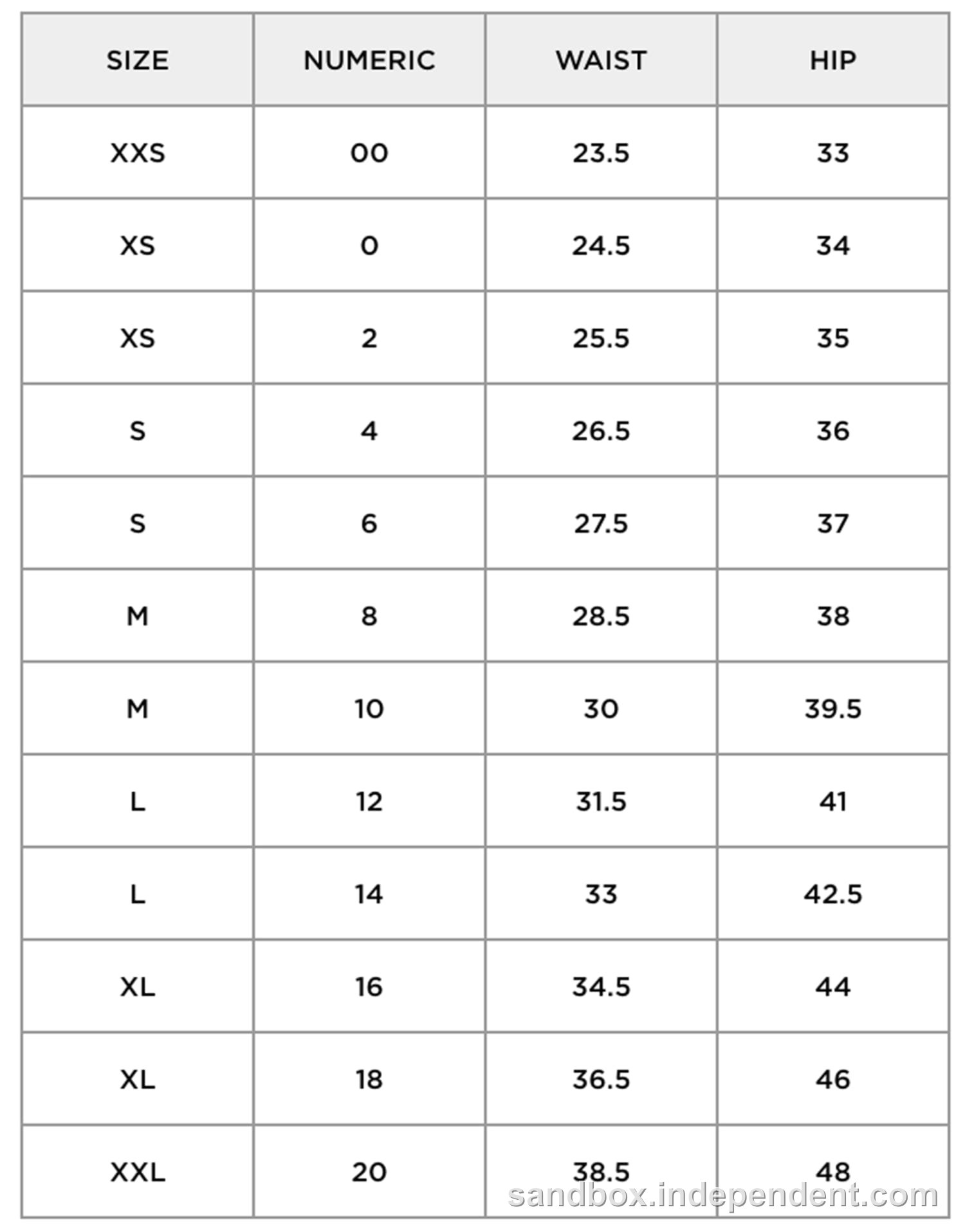
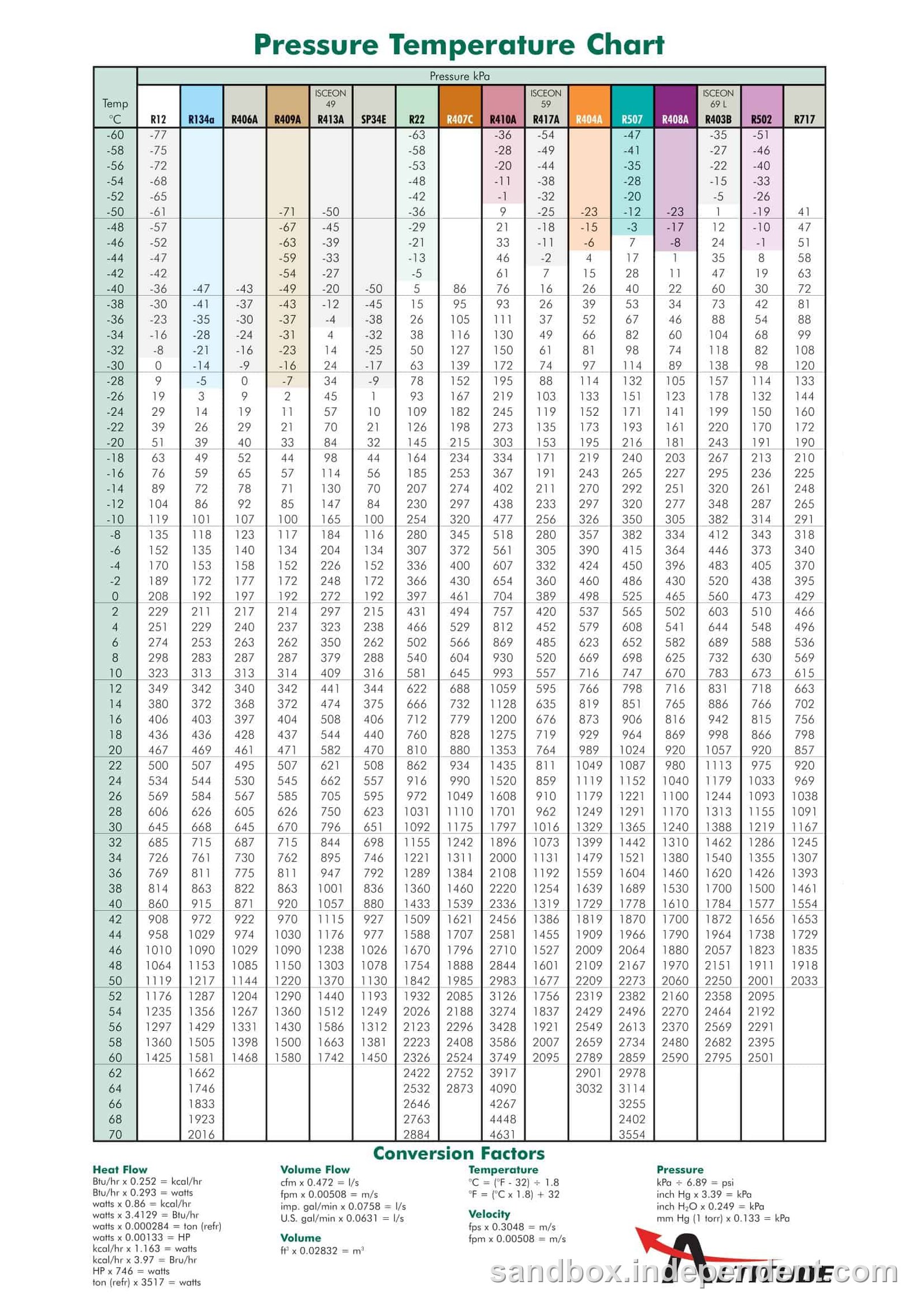
Talk of the charts is a powerful tool to visualize and understand data. It's a type of reference table that presents information in a clear, organized manner, making it easy to compare and analyze different values or categories. This guide will help you grasp the basics and use it effectively.
Key Details and Categories
Before diving in, let's cover some essentials. Talk of the charts typically includes columns for various categories or variables, and rows for different data points or samples. Each cell contains a value, often a measurement or a count. The chart's design principles aim for clarity and simplicity, using colors and labels to guide the reader.
Reading and Applying Talk of the Charts
Here's a step-by-step guide to interpreting talk of the charts:
Start by identifying the chart's purpose and the data it presents. The title and labels provide context.
Next, understand the categories or variables. These are the columns, and each represents a specific aspect or characteristic.
Read the values in the cells. These could be numbers, percentages, or even text, depending on the chart's purpose. Ensure you understand the units and any conversions needed.
Compare values within a category or across categories. This is where the chart's strength lies, allowing you to spot trends, outliers, or patterns.
Consider the colors and their meanings. Different shades or colors often represent different categories or ranges. A legend or key will explain these.
Use the chart to make informed decisions or draw insights. It's a visual aid to support your analysis and understanding of the data.
Variations and Differences
While talk of the charts follows standard principles, variations exist due to different standards, regions, or specific use cases. For instance, units of measurement may differ (e.g., US vs. metric), and certain industries may have unique categories or ranges. Always check the chart's specifications and, if in doubt, refer to the original source or relevant standards. Additionally, some charts may use advanced data visualization techniques, so understanding the basics is crucial before interpreting complex designs.
Hey there, we've covered a lot of ground with this talk of the charts! You now have a solid understanding of the core concept and how to navigate it. Remember, the specifics may differ slightly depending on your context, so keep an eye on those details.
Don't stop here! There's a whole library of practical guides and resources on our site, covering various topics. Feel free to explore and discover more handy tips and tricks to make your life easier. Happy learning!
Related: Unraveling the DVC Points Chart: A Simple Guide
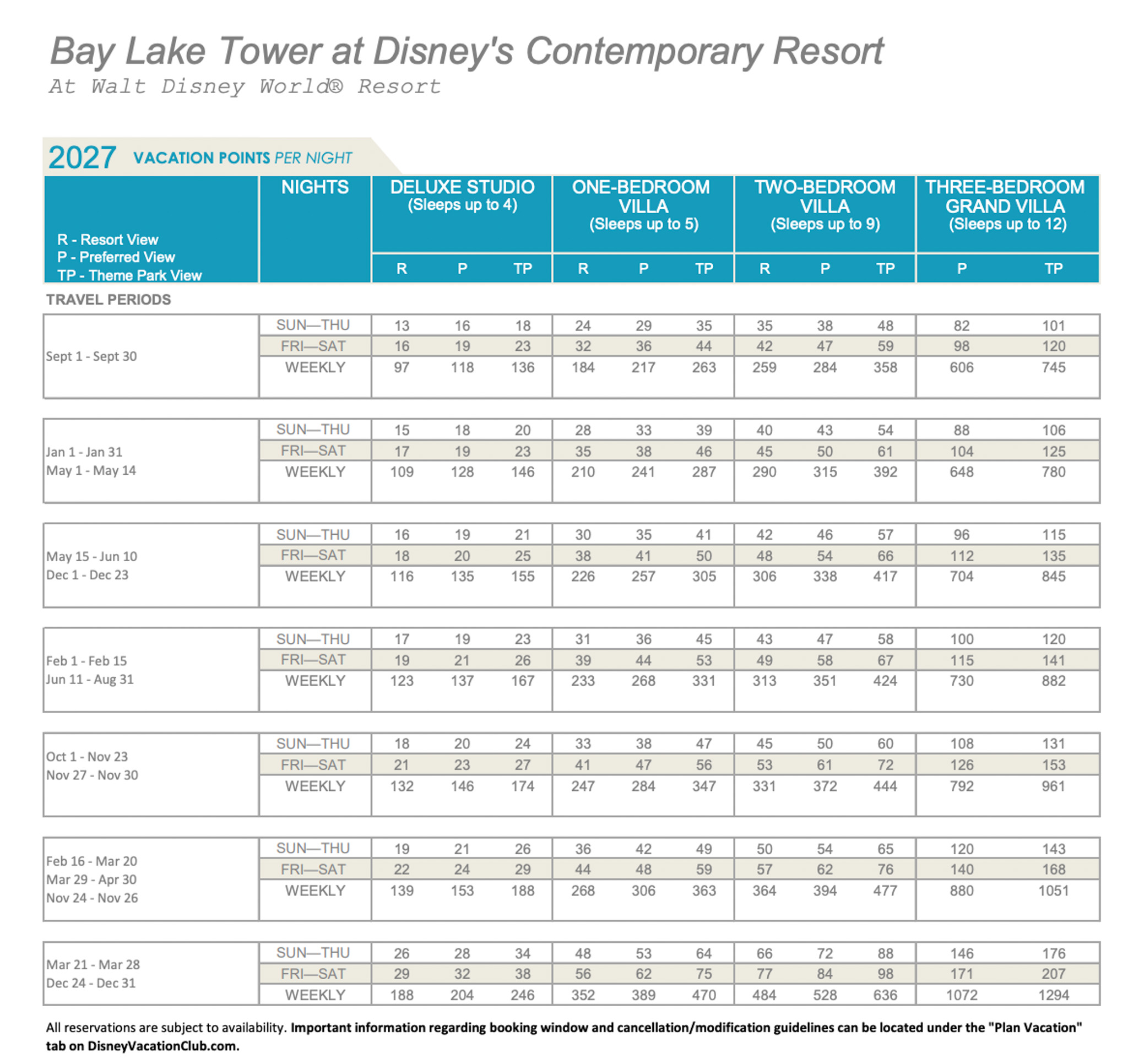
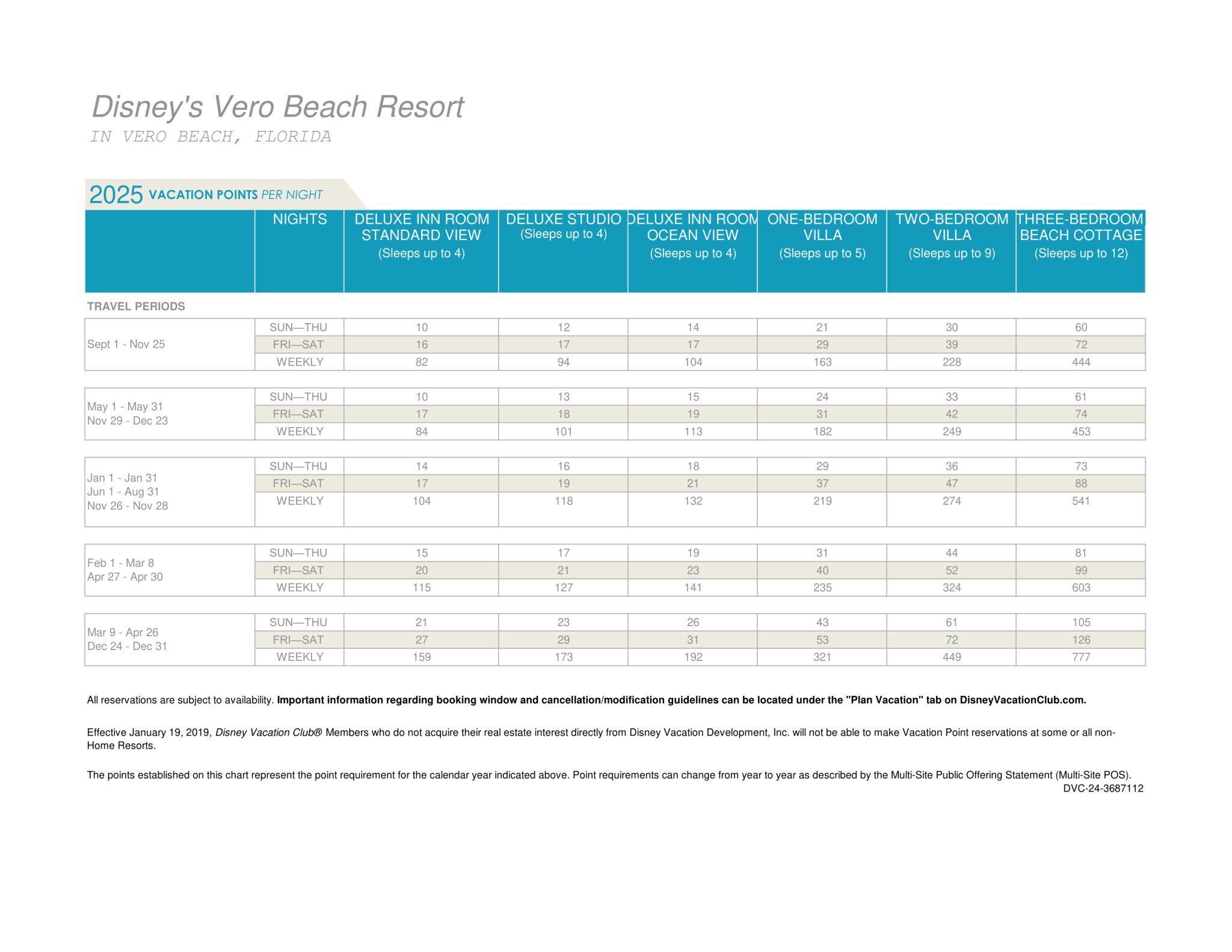
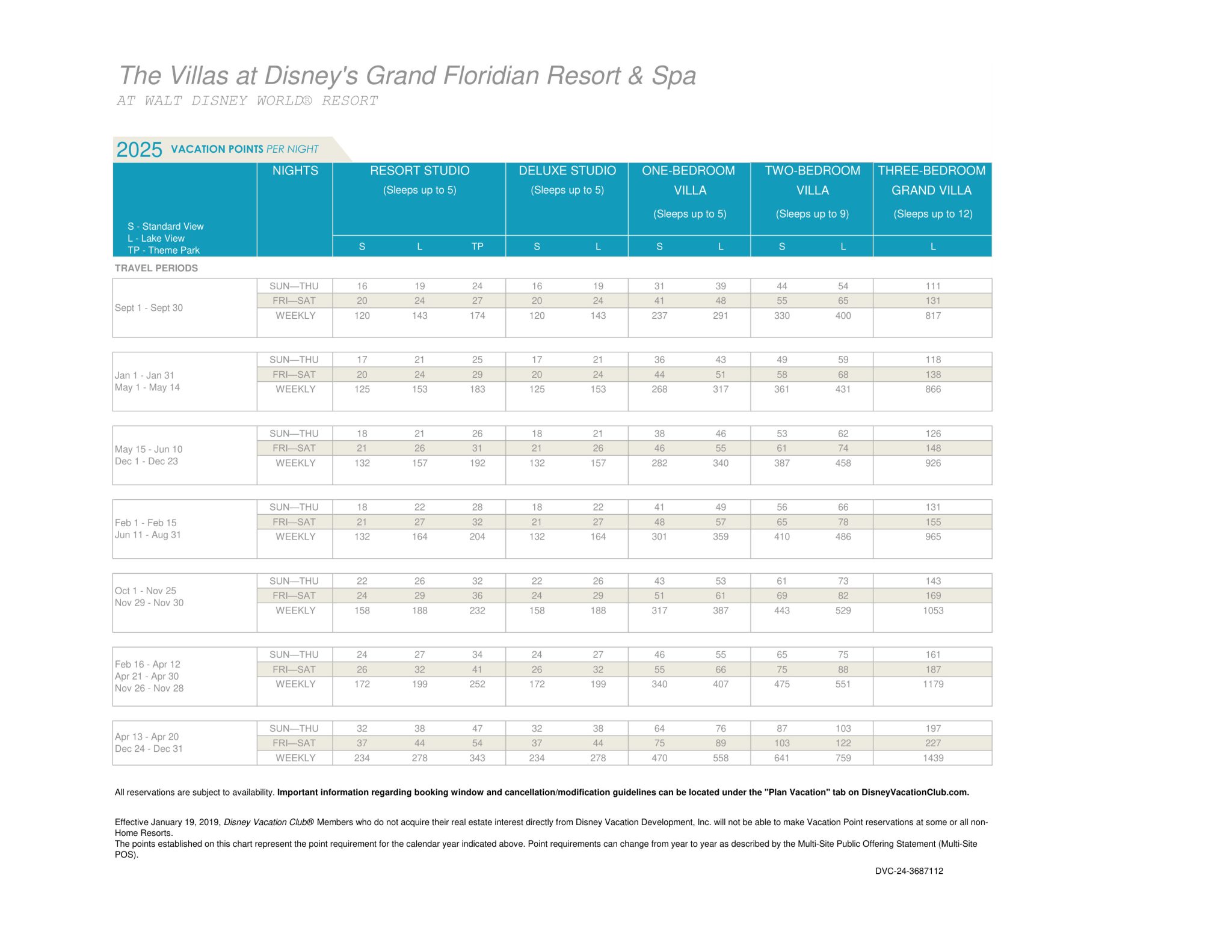
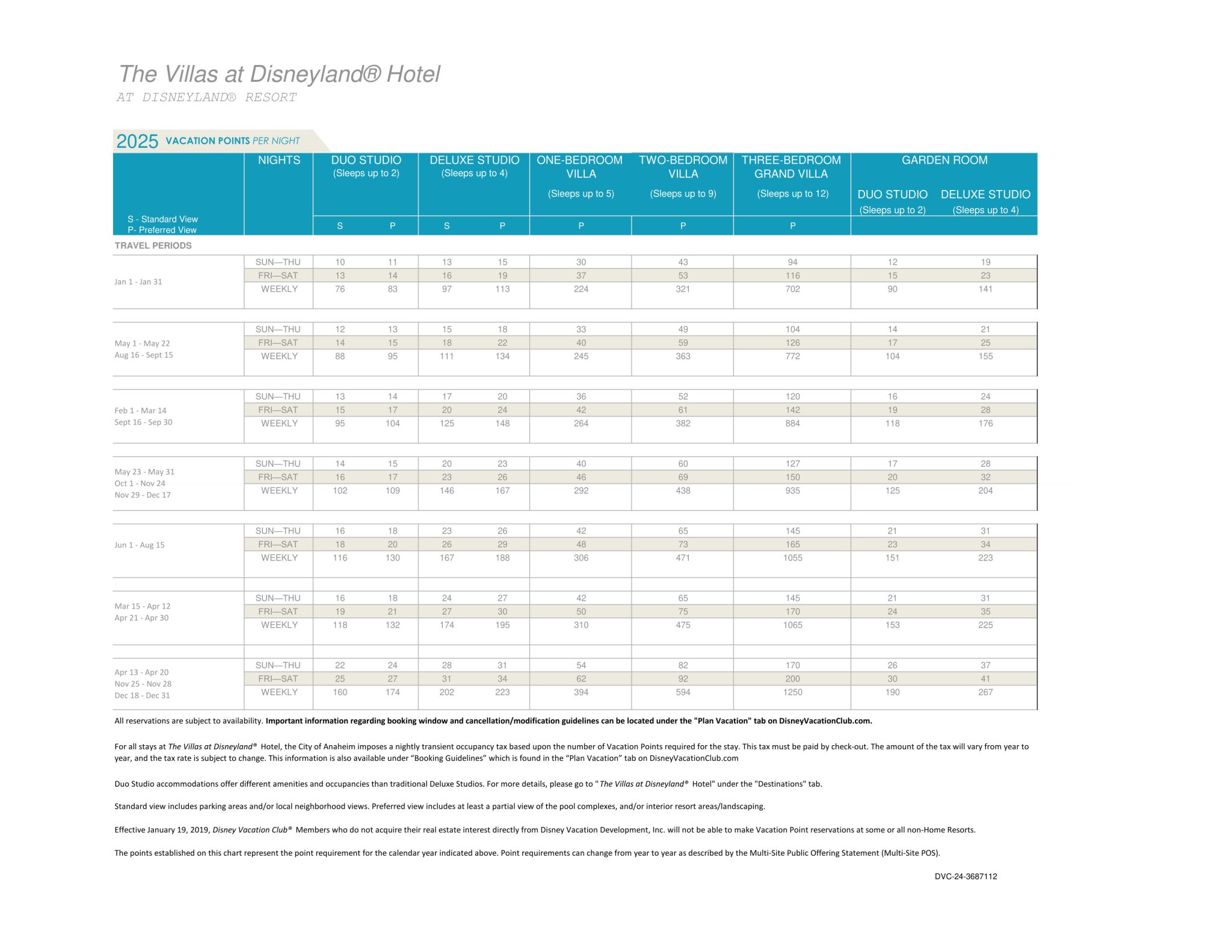
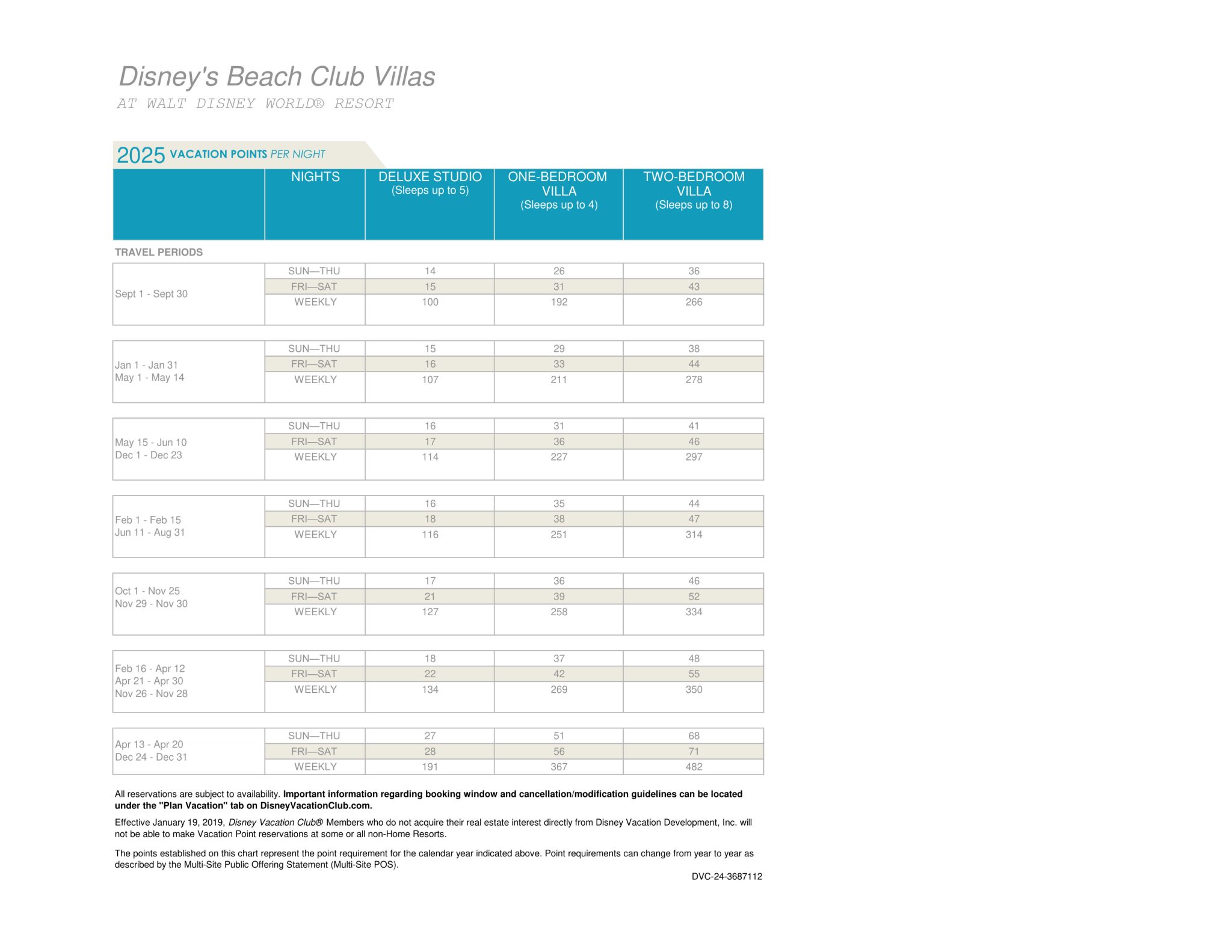
A DVC points chart is a handy tool for Disney Vacation Club members, offering a clear and concise way to visualize and understand their points system. This guide will take you through the essentials, covering what you need to know to navigate and utilize the DVC points chart effectively.
It's a simple yet powerful resource, providing an at-a-glance overview of your points and their potential, with variations depending on your region and membership type.
Understanding the DVC Points Chart
The DVC points chart is your guide to navigating the Disney Vacation Club (DVC) points system. It's a handy tool that helps you understand the value of your DVC points and how they can be used across different Disney resorts and accommodations. This chart is a reference for members to plan their vacations and make the most of their points.
Comparing Point Values and Categories
The DVC points chart typically displays point values for various Disney properties, categorized by resort and room type. You'll find columns for different resorts, with rows indicating the point cost for each room category. These categories might include standard rooms, preferred rooms, or even villas, each with its own point value. It's important to note that point values can vary based on the resort's location, amenities, and demand.
Reading the Points Chart: A Step-by-Step Guide
Start by identifying the resort you're interested in. Each resort will have its own column on the chart. Next, locate the specific room category you prefer. The corresponding point value will be displayed in that cell. For example, if you want a standard room at Resort A, find "Resort A" on the chart, then look for the "Standard Room" category. The point value in that cell is what you'll need for your stay. Remember, these points are flexible and can be used across different resorts, so you have options!
Avoiding Common Misreadings
One common pitfall is assuming that all resorts and room types have the same point values. This is not the case; each resort's point values are unique. Another mistake is not considering the time of year. Point values can fluctuate based on seasonality and demand, so always check the chart for the specific dates you're planning to travel. It's also important to note that the DVC points chart may not cover every single resort or room type. Some specialty accommodations or unique experiences might have their own point values, so it's wise to double-check with Disney or a DVC guide for these exceptions.
Factors Affecting Point Variations
Point values on the DVC points chart can vary due to several factors. Here are some key influences:
- Resort Location: Resorts in high-demand areas, like popular theme park locations, often have higher point values.
- Seasonality: Point costs can increase during peak travel seasons, such as school holidays or summer months.
- Room Amenities: Rooms with special features, like a balcony or a better view, may require more points.
- Resort Facilities: Resorts with extensive amenities, like water parks or multiple dining options, might have higher point values.
- Room Size and Capacity: Larger rooms or those accommodating more guests usually require more points.
Adapting the Chart for Your Needs
While the standard DVC points chart is a great starting point, you might need to adapt it for your specific vacation plans. Here are some tips:
- If you're planning a large family vacation, consider the room's capacity and ensure it aligns with your needs.
- For a more luxurious stay, look for resorts with higher-end amenities and check their point values.
- If you're flexible with dates, you can save points by choosing off-peak travel periods.
- Use a DVC points calculator or consult a Disney points conversion guide to estimate the points needed for your desired resort and room type.
- Keep an eye on vacation club points charts for any updates or changes, especially if you're planning far in advance.
Well, there you have it! A comprehensive guide to navigating the world of DVC points. We've covered the basics, compared the options, and provided a step-by-step process to ensure you're on the right track.
Remember, every situation is unique, so be sure to tailor these insights to your specific needs. Double-check the factors that impact your context, and you'll be well on your way to making informed decisions. This chart is a handy reference, so bookmark this page for future use. It's always good to have a quick reminder when you need it!
Related: Find Your Perfect BJJ Gi Size: A Simple Guide
You're here because you need to find the right size for your BJJ gi, and you want a quick, accurate solution. The BJJ gi size chart is your go-to resource, a simple yet effective tool to ensure you get the perfect fit. This chart, a sizing guide, provides a straightforward way to navigate the world of Brazilian jiu-jitsu gi sizes, offering standard measurements and recommendations. While values may vary slightly depending on the brand or region, the chart is a reliable starting point for your sizing journey.
Understanding the BJJ Gi Size Chart
The bjj gi size chart is your handy guide to finding the perfect fit for your Brazilian Jiu-Jitsu gi. It's a reference tool that simplifies the sizing process, ensuring you get a gi that's comfortable and functional for your training sessions.
Comparing Size Standards and Formats
Size charts for BJJ gis typically follow standard measurements based on body height and weight. These charts often provide a range of sizes, from extra small to extra large, with some brands offering even more specific sizing options like A1, A2, and so on. The key is to find the right balance between a gi that's not too baggy or too tight, allowing for freedom of movement and comfort during rolls.
Step-by-Step Guide to Using the Chart
Using the bjj gi size chart is straightforward. First, measure your height and weight accurately. Then, refer to the chart, which will typically have height and weight categories. Find the intersection of your height and weight categories to determine your gi size. For instance, if you're 5'10" and weigh 170 lbs, you might fall into the A2 size category.
Here's a simple step-by-step process:
- Measure your height and weight.
- Refer to the size chart and identify your height and weight categories.
- Determine the size that corresponds to the intersection of these categories.
- If you're between sizes, consider the fit you prefer. A tighter fit might be better for competition, while a looser fit could be more comfortable for training.
- Always double-check the brand's specific size guide, as some may have slight variations.
Avoiding Common Misreadings and Pitfalls
One common mistake is relying solely on your usual clothing size when choosing a BJJ gi. Bjj gi sizes often differ from regular clothing sizes, so it's crucial to refer to the specific gi size chart. Another pitfall is assuming all brands use the same size standards. While many follow similar guidelines, slight variations exist, so always check the brand's size guide.
Factors Affecting Accuracy and Real-World Use
Several factors can influence the accuracy of the bjj gi size chart. Firstly, the chart is a general guide, and individual body types can vary. For instance, someone with a broader chest or longer arms may need to consider these specific measurements when choosing a gi. Secondly, the fit preference can vary between practitioners. Some prefer a more tailored fit, while others opt for a looser, more traditional look.
Choosing the Right Format for Your Needs
When it comes to bjj gi size charts, you'll find various formats and standards. Some brands provide detailed charts with precise measurements for each size, while others offer a more simplified guide. If you're new to BJJ or unsure about your size, a detailed chart with measurements can be extremely helpful. However, experienced practitioners who know their preferred fit may find a simpler chart sufficient. It's essential to consider your needs and the brand's reputation when choosing a size chart.
Well, there you have it! A comprehensive guide to BJJ gi sizing charts, covering all the bases. We've compared the options, walked you through the process, and highlighted some potential pitfalls. Remember, when it comes to finding the perfect fit, context is key.
So, before you finalize your choice, take a moment to consider your personal preferences and the specific requirements of your practice. It's always a good idea to have this guide bookmarked for future reference, just in case you need a quick sizing reminder. Happy rolling!