









Super Why Pictures To Color Overview
You're probably here because you need to find the right shoe size for your little one, and you're right to turn to the infant shoe chart for guidance. It's a simple yet effective tool, a quick reference guide that takes the guesswork out of buying shoes for babies and toddlers. With various standards and measurements, the chart ensures you get the perfect fit, and it's a handy resource to have when you're in a rush or shopping online.
Understanding the Infant Shoe Chart
The infant shoe chart is your go-to guide for finding the perfect shoe size for your little one. It's a simple yet effective tool that ensures your baby's shoes fit comfortably and safely. This chart is a reference point, a map to navigate the world of tiny shoe sizes!
Key Details and Categories
Let's break down the basics. The infant shoe chart typically displays two main categories: shoe size and foot length. Shoe sizes are often represented by numbers or letters, depending on the standard you're using. For example, US infant shoe sizes might use numbers like 1, 2, or 3, while European shoe sizes might use letters like 16, 17, or 18. Alongside these sizes, you'll find the corresponding foot length, usually measured in centimeters (cm). This length represents the ideal foot size for that particular shoe size.
Step-by-Step Guide: Reading the Chart
Here's a simple guide to reading and using the infant shoe chart:
Measure your baby's foot length accurately. You can do this by placing their foot on a flat surface and measuring from the heel to the tip of their big toe.
Convert this measurement to centimeters if it's not already.
Locate the measured foot length on the chart.
Find the corresponding shoe size. This is the recommended size for your baby's foot.
If you're between sizes, it's generally better to go up to the next size to ensure comfort and allow room for growth.
Size Variations and Differences
It's important to note that shoe size charts can vary slightly depending on the brand or manufacturer. Some brands might have slightly different standards or measurements, especially when it comes to the width of the shoe. Additionally, regional differences can also impact the chart's measurements. For instance, US infant shoe sizes might differ slightly from international or metric standards. Always double-check the specific brand's or region's guidelines to ensure an accurate fit.
Common Mistakes and How to Avoid Them
One common mistake is assuming that all shoe size charts are the same. As mentioned, variations exist, so it's crucial to refer to the right chart for the brand or region you're shopping in. Another mistake is not measuring your baby's foot accurately. Ensure you get an exact measurement, as even a small difference can impact the fit. Finally, don't forget to consider the width of your baby's foot. Some brands offer different widths for the same length, so pay attention to this detail to ensure a comfortable fit.
Practical Tips for Accurate Sizing
When using the infant shoe chart, keep these tips in mind:
Measure your baby's feet regularly, especially during their first year, as they grow rapidly.
Always allow some room for growth. A slightly larger size is better than a tight fit.
Consider the type of shoe and its intended use. For example, boots might require a different fit compared to sandals.
If you're shopping online, ensure the website provides detailed size guides and conversion charts specific to their brand.
Don't forget to check the width of the shoe, especially if your baby has wider or narrower feet.
Remember, the infant shoe chart is a valuable tool, but it's always a good idea to double-check and ensure the perfect fit for your little one's growing feet!
Well, there you have it! A handy guide to navigating the world of infant shoe sizing. Remember, while this chart provides a great starting point, it's always wise to consider your unique circumstances.
So, before you hit the stores, take a moment to ensure you've got all the right measurements and any specific requirements for your little one's feet. It's a simple step that can save you time and ensure a perfect fit. And don't forget, you can always bookmark this page for a quick refresh when needed. Happy shopping!
Related: Whole House Remodeling Essential Guide
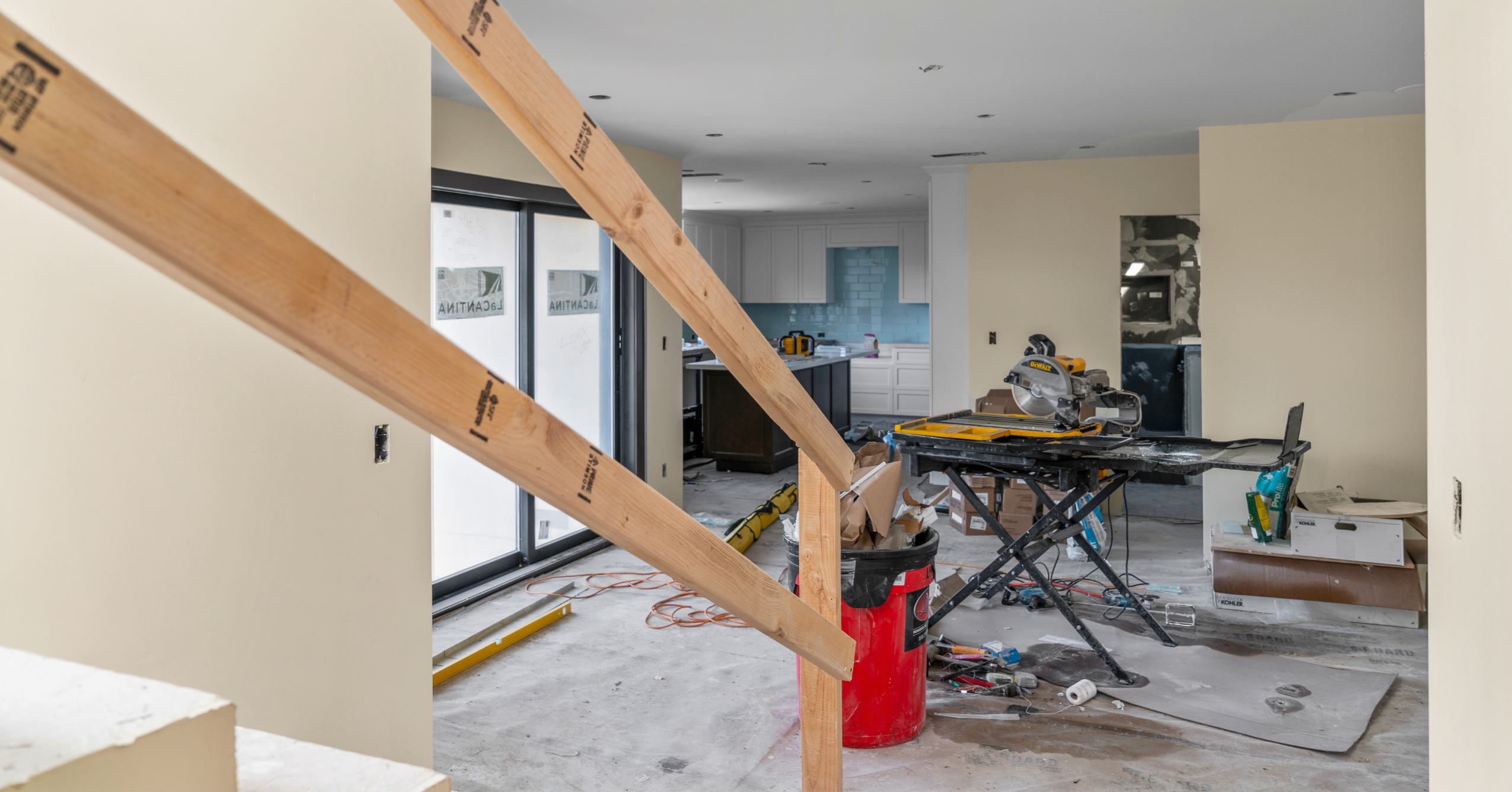
I just got home from work, and as I walk through my house, I can't help but think about how much I'd love to give it a whole new look. Whole house remodeling is on my mind, and I'm curious about the process and what it entails. It's an exciting prospect, but also a big undertaking, so I want to make sure I understand the ins and outs before diving in.
What Does Whole House Remodeling Mean?
Whole house remodeling is exactly what it sounds like: a complete transformation of your home. It's not just about updating one room or making small changes here and there. This type of project involves a major overhaul, where you can redesign and renovate every aspect of your living space. From the kitchen and bathrooms to the bedrooms and living areas, every room can get a fresh, modern look. It's a chance to create a home that truly reflects your style and meets your functional needs.
When considering whole house remodeling, it's important to think about the scope of the project. Do you want to change the layout and add new features, or is it more about updating the aesthetics and making everything look cohesive? The scale of your project will impact the cost and the length of time it takes to complete.
Finding the Right Contractor
One of the biggest decisions you'll make is choosing a contractor or building company. It's crucial to find someone who understands your vision and can bring it to life. Before hiring, ask for references and examples of their previous work. You want to ensure they have experience with projects similar to yours and that their style aligns with your own.
Get quotes from multiple contractors to compare prices and services. Make sure the quotes are detailed, outlining the work to be done, the materials to be used, and the estimated timeline. This will help you understand the costs and give you a sense of the contractor's organization and attention to detail.
Construction Jobs and Industry Tools
The construction industry offers a range of jobs, from general contractors and project managers to estimators and skilled tradespeople. Estimators, for example, use tools like RSMeans to calculate costs accurately. This data is essential for providing realistic quotes and managing projects effectively.
Large construction companies often have specialized teams and can take on more complex projects. They may have access to advanced tools and technologies, but that doesn't mean smaller companies can't deliver excellent results. It's all about finding the right fit for your whole house remodeling project.
Company Names and Branding
When starting a construction business, choosing a name is an important step. It should be memorable, reflect the nature of your work, and stand out in a crowded market. Some examples of unique and catchy names could be:
- BuildBright
- Crafted Spaces
- HomeRevamp
- Renova
- Constructo
Before finalizing a name, check its availability for domains and local business registration to avoid any legal issues.
Final Thoughts
Whole house remodeling is a significant investment, but it can transform your living space and enhance your daily life. It's an exciting process, and with the right planning and the help of a skilled contractor, you can achieve the home of your dreams. So, if you're thinking about taking on a whole house remodeling project, start by doing your research and getting those quotes!
Related: What is a Steel Gauge Chart?
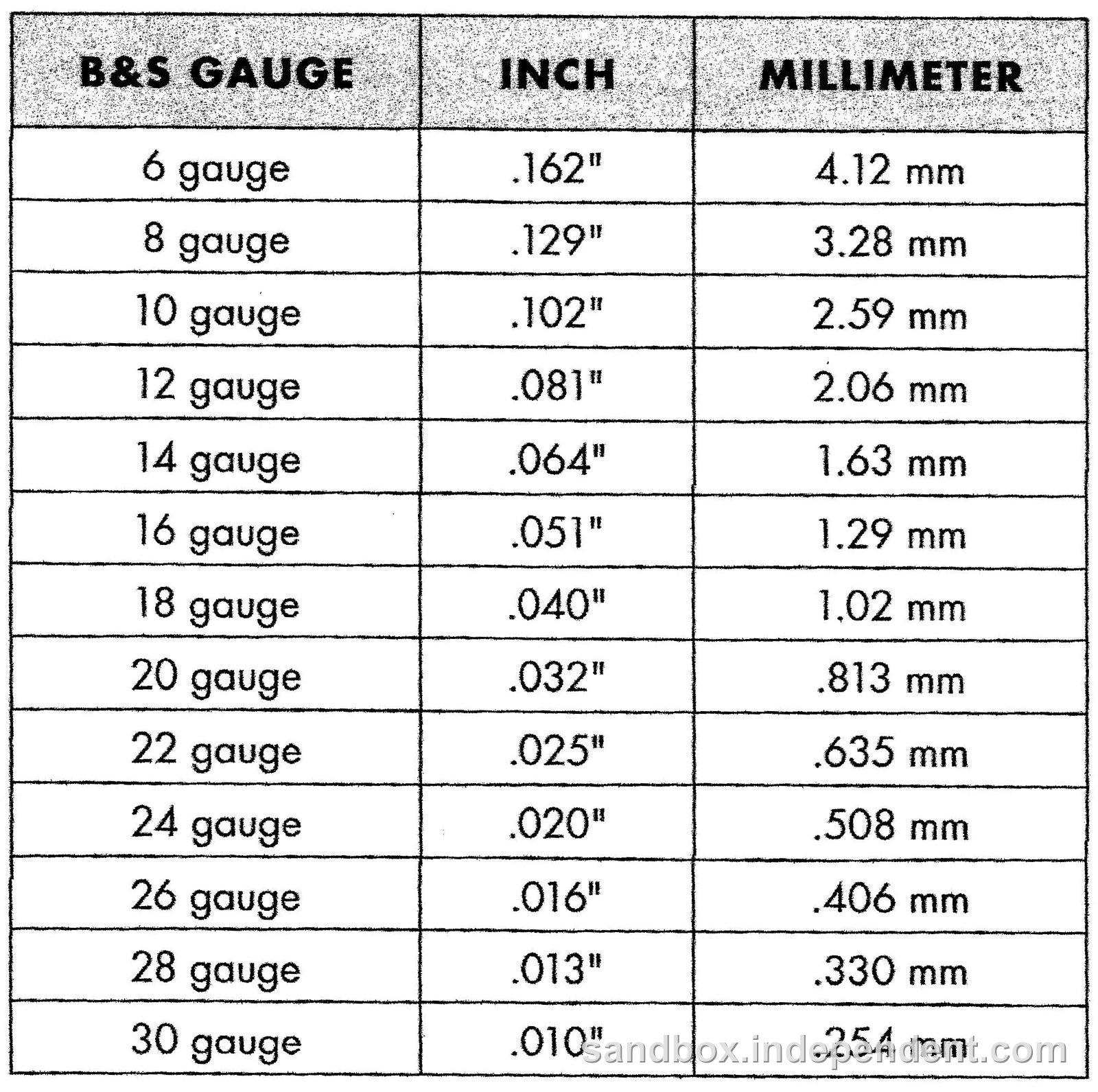
Frustrated by the lack of clear information on steel gauges? You're not alone. Many people are looking for a simple, reliable steel gauge chart to get the job done right. It's a common issue when working with steel, and having an accurate chart is essential.
This chart is your go-to guide, offering a quick reference for steel thicknesses, often with conversions to millimeters. While standards can vary, a good chart will cover the common gauge sizes and provide a reliable starting point for your projects.
Understanding the Steel Gauge Chart
The steel gauge chart is a handy reference tool that helps you quickly determine the thickness of steel materials. It provides a standardized way to measure and compare different steel products, making it an essential guide for various industries and DIY projects. This chart offers a simple and visual representation of steel thickness, ensuring consistency and accuracy in your measurements.
Comparing Gauge Standards and Formats
Steel gauge charts can vary depending on the standard being used. Two common standards are the American Wire Gauge (AWG) and the Standard Wire Gauge (SWG), each with its own set of measurements and categories. The AWG is widely used in the United States and is suitable for measuring wire and sheet metal thicknesses. On the other hand, the SWG is more common in the UK and some other countries, and it follows a different gauge system. It's crucial to know which standard your chart follows to ensure accurate readings.
Step-by-Step Guide to Using the Chart
Using a steel gauge chart is straightforward:
- Identify the type of steel you are working with, whether it's wire, sheet metal, or another form.
- Locate the appropriate chart for your steel type.
- Find the gauge number or range that corresponds to your steel. Gauge numbers typically decrease as thickness increases, so a lower gauge number indicates a thicker material.
- Refer to the chart to determine the exact thickness in millimeters (mm) or inches. Some charts may also provide additional information like weight per unit length or area.
- If you need to convert between gauges and millimeters, use the conversion factors provided on the chart or refer to a separate conversion table.
Common Misreadings and How to Avoid Them
Misinterpreting a steel gauge chart is easy if you're not familiar with the standards. One common mistake is assuming that all charts use the same gauge system. Always double-check the standard and ensure you are using the correct chart for your region or application. Additionally, pay attention to the units of measurement; some charts may use millimeters, while others use inches, so be consistent with your units.
Factors Affecting Gauge Accuracy and Real-World Use
Steel Type: Different types of steel, such as stainless steel or carbon steel, may have varying thickness tolerances, so it's essential to consider the specific steel you are working with.
Gauge to mm conversion: While charts provide conversions, it's always a good practice to cross-reference with other reliable sources to ensure accuracy, especially for critical applications.
Sheet metal gauge: For sheet metal, the gauge number can vary depending on the material and its intended use. Always check the specific gauge size for your project.
Variations: Steel thickness can also be affected by factors like temperature, manufacturing processes, and tolerances allowed by industry standards. These variations may result in slight differences between the chart's measurements and real-world steel thickness.
Common Causes: Misinterpretation of gauge numbers, using the wrong chart for the steel type, and not considering regional variations are some common causes of inaccurate readings.
By understanding these factors and being mindful of potential variations, you can ensure accurate measurements and select the right steel for your projects.
Well, that's a wrap on our steel gauge chart adventure! We've covered a lot of ground, from understanding the basics to navigating potential pitfalls. Remember, when it comes to precision, every detail matters, so take your time and double-check those measurements.
If you're keen to explore more practical guides and resources, feel free to browse our site. We've got a whole host of topics to keep you informed and inspired. Happy measuring, and until next time!