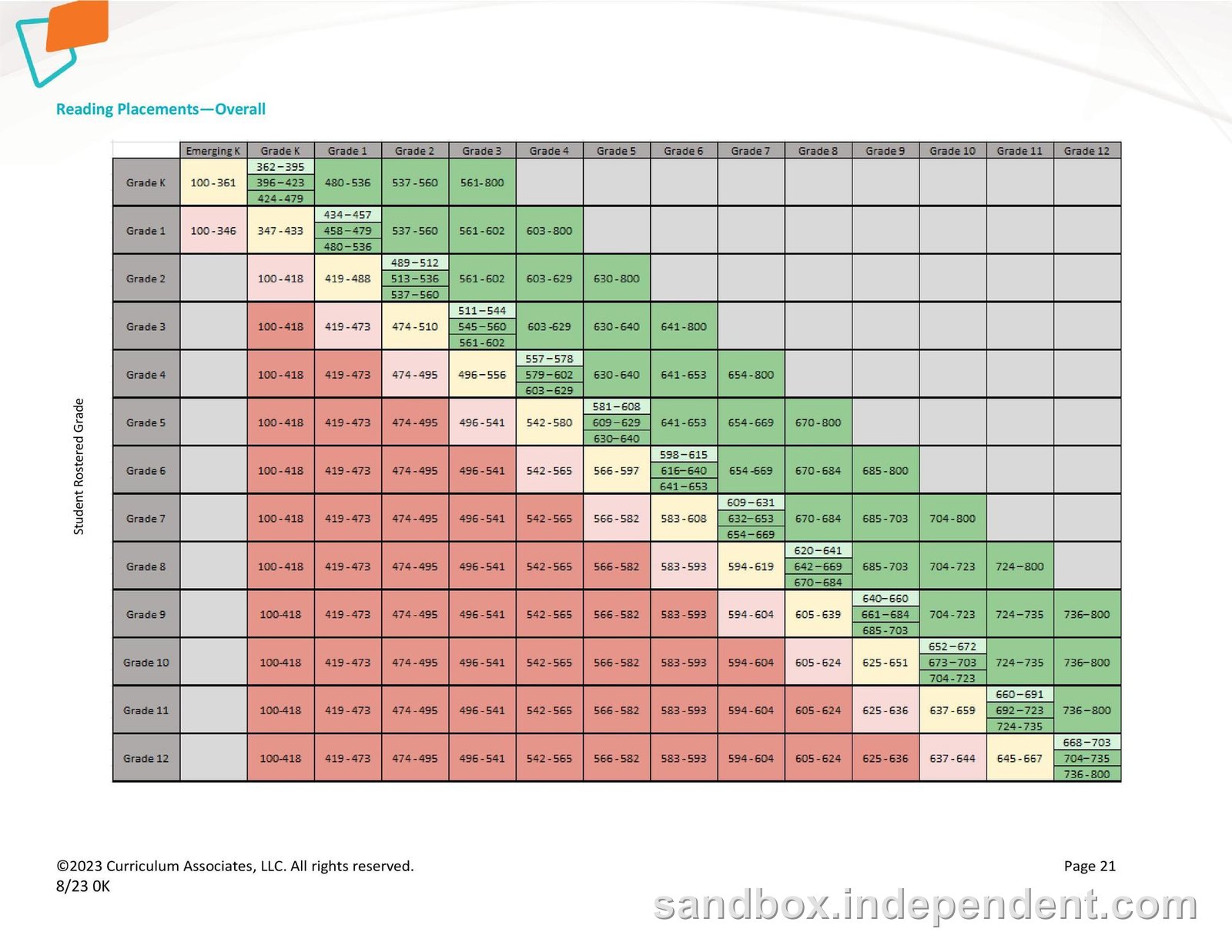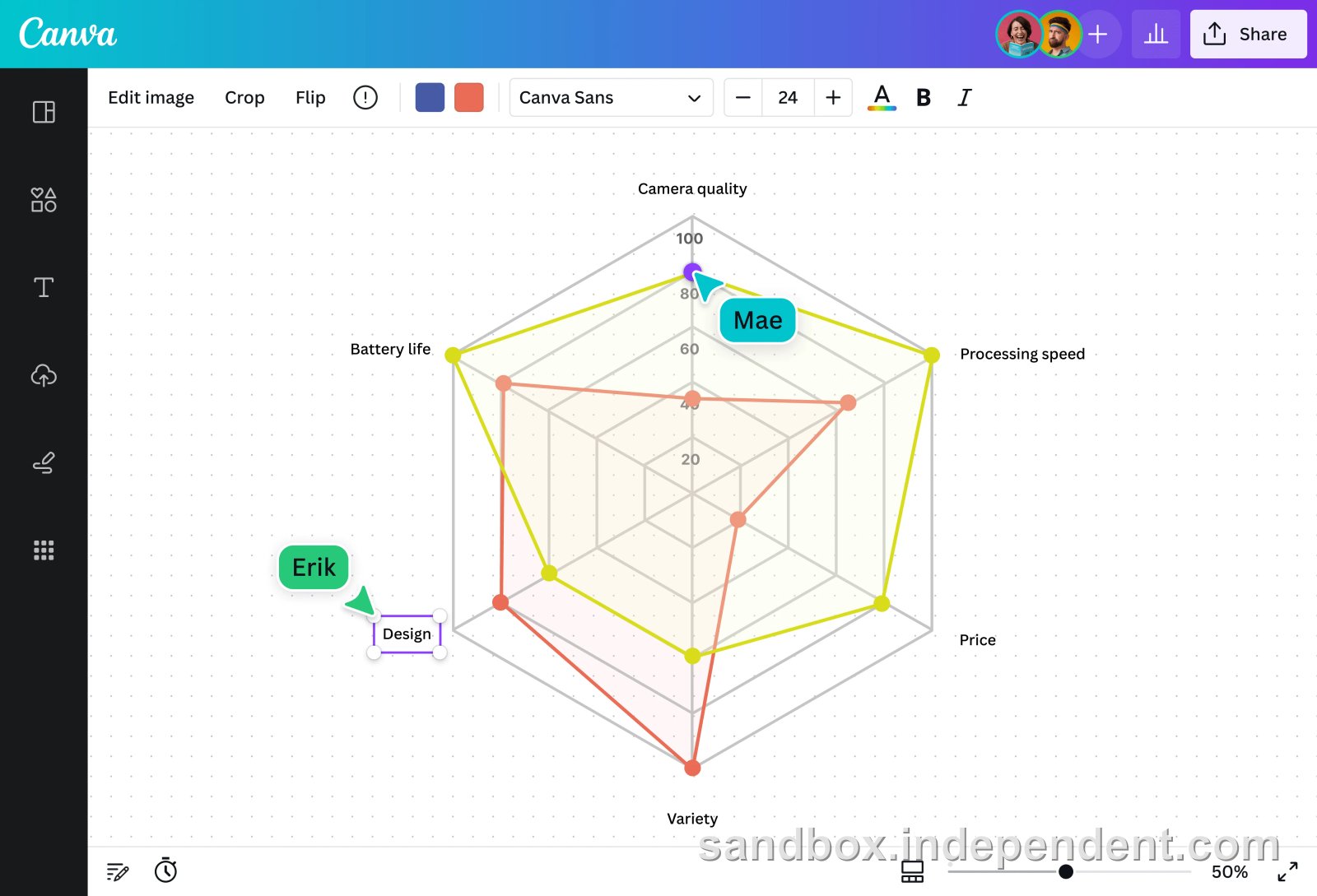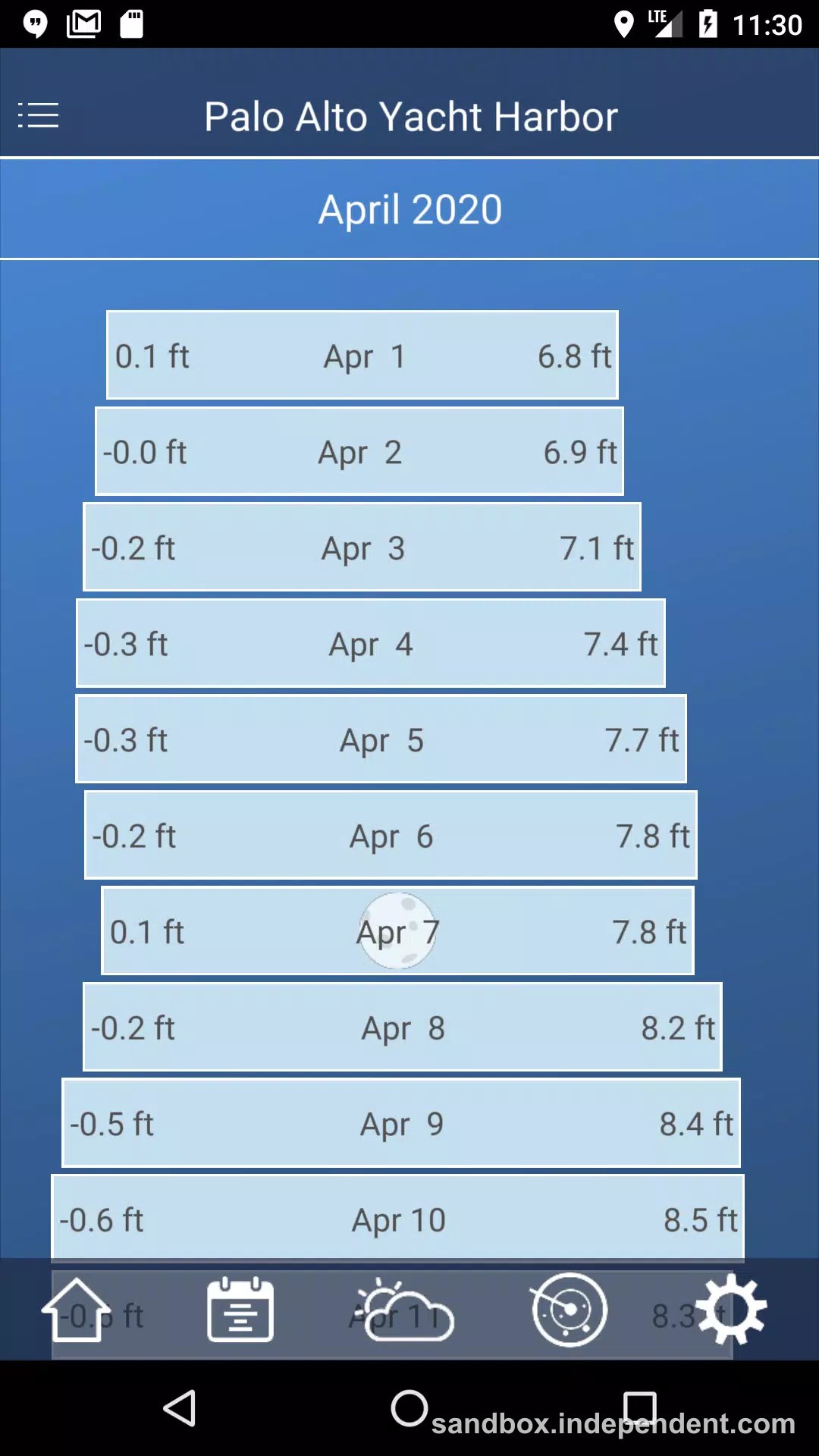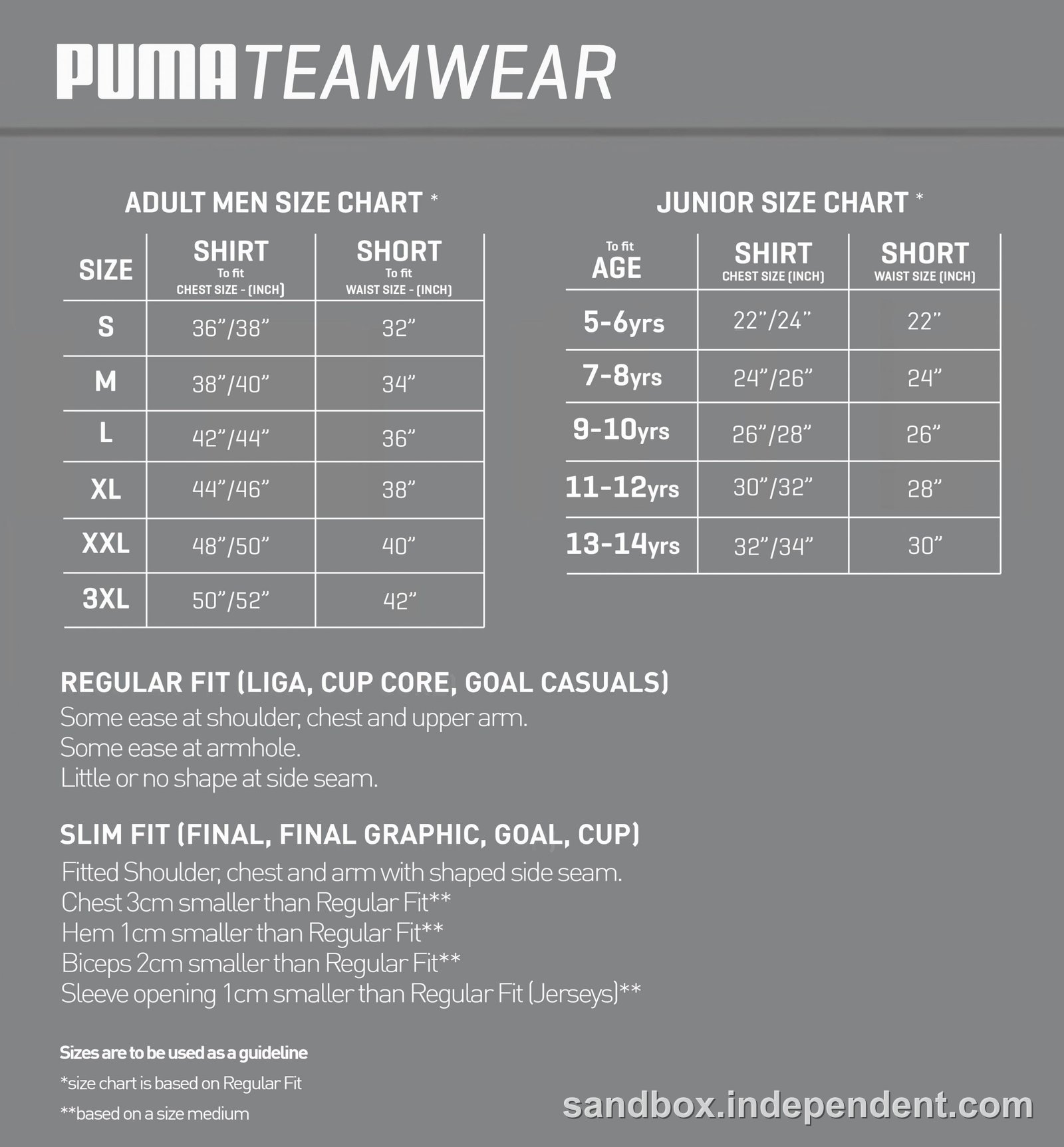




T Chart Example Black And White Overview
A jax depth chart is a valuable tool for any sports enthusiast or analyst, offering a clear snapshot of a team's player lineup and their positions. This guide will navigate you through the essentials, ensuring you can interpret and utilize the jax depth chart effectively. Whether you're a fan wanting to understand the team's strategy or a coach seeking insights, this reference will cover the basics, including the various formats and the key information it provides.
Understanding the Jax Depth Chart
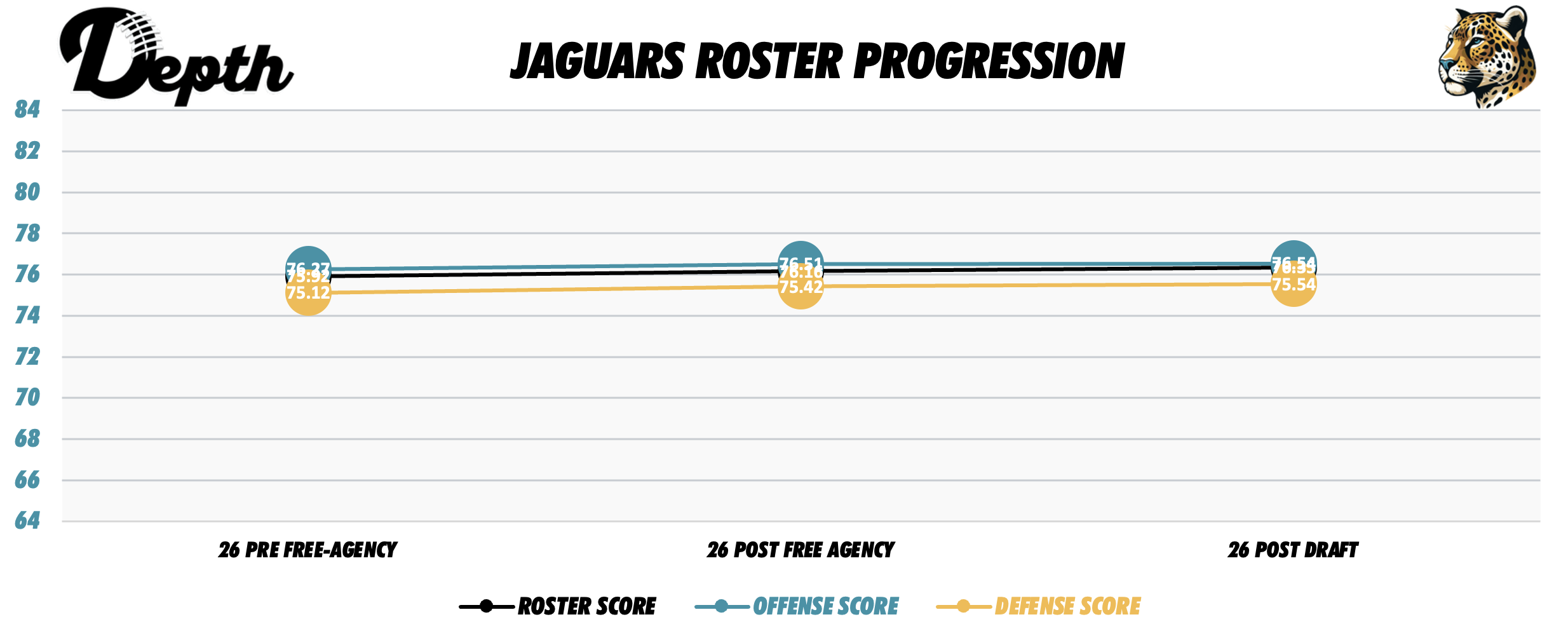
The jax depth chart is a valuable tool for sports enthusiasts, particularly those following American football, to gain insights into a team's player lineup and strategy. It provides a visual representation of the team's roster, highlighting the depth and talent across different positions. This chart is an essential reference for fans, analysts, and even coaches to assess a team's strengths and weaknesses.
Key Details and Categories
The jax depth chart typically consists of several columns representing different player positions, such as quarterback, running back, wide receiver, and so on. Each position is further divided into categories like starters, backups, and reserves. The chart also includes player names, jersey numbers, and sometimes additional stats or notes. It is important to note that the chart's layout and categories may vary slightly depending on the team and the specific depth chart format used.
Reading the Depth Chart: A Step-by-Step Guide
To read and interpret a jax depth chart effectively, follow these steps:
- Start by identifying the position groups. These are usually grouped together and labeled clearly.
- Within each position group, locate the starters. They are often listed first or highlighted in some way.
- Next, find the backups and reserves. These players provide depth and can step in if needed.
- Pay attention to the order of players within each position. It can indicate the team's preferred depth and strategy.
- Look for any notes or additional information provided. These may include injury statuses, player roles, or recent performance indicators.
- Compare the depth chart with the team's recent game statistics to understand how the lineup has been utilized.
Variations and Differences Across Standards
While the core structure of a jax depth chart remains consistent, there can be variations based on different standards and contexts. Here are some key factors to consider:
- NFL Depth Charts: In the context of the National Football League (NFL), depth charts often follow a standardized format, with specific positions and categories. However, teams may customize their charts to highlight unique strategies.
- International Standards: Outside the NFL, depth charts may vary based on the league or country. For instance, some international leagues may have different position names or categories.
- Team-Specific Strategies: Each team might have its own depth chart nuances to reflect their playing style and coaching preferences.
Common Mistakes and How to Avoid Them
When interpreting a jax depth chart, it is crucial to avoid these common pitfalls:
- Misinterpreting Player Roles: Ensure you understand the difference between starters, backups, and reserves. Starters are the first-choice players, while backups provide depth and can fill in for injured or rested starters.
- Overlooking Position Flexibility: Some players may be listed at multiple positions, indicating their versatility. Don't assume a player is strictly limited to one role.
- Ignoring Recent Changes: Depth charts can evolve quickly, especially with injuries or trades. Always check the chart's date to ensure you have the most up-to-date information.
Practical Tips for Accurate Analysis
To get the most out of your jax depth chart analysis:
- Compare Multiple Sources: Cross-reference depth charts from different reliable sources to ensure accuracy and catch any discrepancies.
- Stay Informed: Keep up with injury reports, player news, and coaching updates to understand the context behind depth chart changes.
- Analyze Trends: Look for patterns or trends in player performance and usage over multiple games. This can provide insights into a team's long-term strategy.
Double-Checking and Handling Exceptions
While jax depth charts are valuable, it's important to remember that they are snapshots of a team's lineup at a specific time. Here are some situations to double-check or consider:
- Injury Updates: If a player is injured, their status may change rapidly. Always verify their availability and potential replacements.
- Game-Time Decisions: Coaches may make last-minute lineup changes based on game plans or opponent strategies. Stay tuned for any late-breaking news.
- Position Flexibility: Some players can fill multiple roles. Confirm their primary position and understand how their versatility fits into the team's strategy.
Well, there you have it! The Jax Depth Chart is a handy tool, and I hope this guide has given you a clear understanding of how to utilize it effectively. Remember, while the basics remain consistent, the exact details might shift slightly based on your specific context or the source you're referencing.
Feel free to bookmark this page for future reference, and don't hesitate to explore other guides on similar topics. It's always beneficial to have a reliable resource at your fingertips!
Related: Understand Your Dog's Dental Health with a Teeth Chart
Many dog owners might assume that a dog teeth chart is a complex and intimidating tool, but it's actually a simple and incredibly useful resource. While it may seem like a foreign concept at first, this chart is a straightforward visual guide to understanding your dog's teeth. It's not as scary as it sounds! A dog teeth chart is a handy reference, offering a clear layout of your pup's dental structure, and it can vary slightly depending on the source.
Understanding the Dog Teeth Chart: A Practical Overview
The dog teeth chart is a handy reference tool for dog owners and veterinary professionals. It provides a visual representation of a dog's dental anatomy, offering insights into tooth positions, types, and development. This chart is an essential guide for anyone looking to maintain their furry friend's oral health.
Comparing Chart Formats and Standards
Dog teeth charts come in various formats, but the most common ones follow either the international or US standard. These standards dictate the tooth numbering system, ensuring consistency across veterinary practices. The international standard uses a three-digit system, while the US standard employs a simpler two-digit approach. Both systems have their merits, and it's crucial to know which standard your chart follows to interpret it accurately.
Step-by-Step Guide to Reading the Chart
Reading a dog teeth chart is straightforward once you know the basics. Here's a simple guide:
- Identify the tooth type: The chart typically categorizes teeth into incisors, canines, premolars, and molars. Each tooth type has a unique shape and function.
- Locate the tooth position: The chart displays teeth in their correct positions within the dog's mouth. Understand the left and right sides and the upper and lower jaws.
- Read the tooth notation: Each tooth has a specific notation, following the chosen standard. For instance, the international standard might label an upper right incisor as "101," while the US standard would use "UR1."
- Interpret the tooth's development: The chart often includes information on tooth eruption, showing when permanent teeth replace milk teeth. This is vital for monitoring a dog's dental development.
Avoiding Common Misreadings
Misinterpreting a dog teeth chart can lead to incorrect dental care. Here are some common pitfalls:
- Mixing up left and right sides: Always double-check the chart's orientation to ensure you're treating the correct side.
- Confusing tooth types: Incisors, canines, and premolars can look similar. Pay attention to their unique characteristics and positions.
- Ignoring the standard: Different standards use different notations. Ensure you're familiar with the one your chart follows.
- Assuming universal applicability: While charts provide a general guide, some breeds may have unique dental characteristics. Always consult a veterinarian for breed-specific advice.
Factors Affecting Accuracy
Several factors can influence the accuracy of a dog teeth chart:
- Breed variations: Different dog breeds have distinct dental anatomies. For instance, a Chihuahua's teeth may be smaller and more delicate than a German Shepherd's.
- Age: A dog's dental development changes over time. Puppies have milk teeth, which are replaced by permanent ones as they grow.
- Dental anomalies: Some dogs may have extra or missing teeth, impacted teeth, or other dental abnormalities. These cases require specialized attention.
- Standard variations: As mentioned, different standards exist. Always confirm the standard your chart follows to avoid confusion.
Choosing the Right Chart for Your Needs
When selecting a dog teeth chart, consider your specific requirements:
- Breed-specific charts: If you own a unique breed, opt for a chart tailored to that breed's dental characteristics.
- Age-appropriate charts: For puppies or senior dogs, choose charts designed for their specific dental stages.
- Specialized charts: Some charts focus on specific dental issues, like tooth extraction or orthodontic treatment. Select one relevant to your dog's needs.
- Digital vs. physical charts: Digital charts offer convenience, while physical charts provide a tangible reference. Choose based on your preference and accessibility.
Maintaining Reliable References
To ensure the accuracy and reliability of your dog teeth chart setup:
- Regularly update your chart: Dental science evolves, and new research may impact tooth identification and care. Stay informed and update your chart as needed.
- Consult professionals: Veterinarians and dental specialists are valuable resources. Seek their advice to ensure you're using the most appropriate and up-to-date charts.
- Double-check measurements: When in doubt, verify tooth measurements and positions with a trusted source. Accuracy is crucial for effective dental care.
- Keep a record: Maintain a log of your dog's dental history, including any anomalies or treatments. This record will help you track progress and identify potential issues.
Hey there, dog lovers! We hope this guide has given you a clear understanding of dog teeth charts and how to use them effectively. Remember, while we've covered the basics, the specifics can differ slightly, so always double-check your sources.
Feel free to bookmark this page for future reference; it's always handy to have a quick reminder when you need it. And don't forget to explore our other guides for more practical tips and tricks! We've got you covered.
Related: What is a screw sizes chart?
A screw sizes chart is a handy tool for anyone working with screws and fasteners. It's a simple yet effective way to ensure you're using the right screw for the job. This guide will show you how to navigate and utilize these charts, covering the basics and offering some practical tips.
You'll find these charts provide valuable information, from screw gauge measurements to thread pitch details. They can vary slightly depending on the standard or region, but the key is to understand the format and you'll be able to apply this knowledge to any project.
Understanding Screw Sizes Chart
The screw sizes chart is your practical guide to choosing the right screw for any project. It's a handy reference tool that simplifies the process of selecting screws based on their size and other key characteristics. This chart is a visual representation of screw dimensions, making it easy to identify and compare different screw types.
Key Details and Units
Before diving into the chart, let's understand the basics. Screw sizes are typically described using two main measurements: the diameter and the length. The diameter refers to the width of the screw's thread, while the length is the overall height of the screw from the head to the tip. These measurements are crucial for ensuring a proper fit and function.
Additionally, screws have different thread types, such as coarse or fine threads, which affect their strength and suitability for various materials. The chart will also indicate the thread pitch, which is the distance between threads.
Reading and Applying the Chart
Using the screw sizes chart is straightforward. First, identify the screw's intended use and the material it will be securing. Then, locate the relevant section on the chart that corresponds to your needs.
The chart typically organizes screws by diameter, with each row representing a specific diameter size. Within each row, you'll find columns indicating the length and other relevant details. Simply match the required diameter and length to find the perfect screw for your project.
For example, if you need a screw with a diameter of 6mm and a length of 25mm, locate the 6mm diameter row and scan across to find the 25mm length column. Here, you'll find the recommended screw size, along with any additional information, such as thread type and pitch.
Variations and Differences
It's important to note that screw sizes charts can vary depending on the standard being used. There are different measurement systems, like the metric system and imperial system, which use different units and ranges. Additionally, specific industries or applications may have their own unique standards and tolerances.
For instance, the metric system uses millimeters for screw sizes, while the imperial system uses inches. So, when referring to a screw sizes chart, ensure you are using the correct standard for your region or industry.
Common Mistakes and How to Avoid Them
One common mistake is assuming that all screw charts follow the same format and units. Always double-check the standard being used to avoid confusion and ensure accuracy.
Another pitfall is not considering the thread type and pitch. These factors are crucial for ensuring the screw's compatibility and performance. Always refer to the chart's key for an explanation of thread types and their meanings.
Lastly, remember that screw sizes can vary slightly between manufacturers. While the chart provides a general guide, it's always a good idea to verify the exact specifications with the manufacturer's documentation or consult with a professional for precise recommendations.
Well, there you have it! A handy guide to screw sizes and their charts. Remember, while these charts provide a solid foundation, exact values can differ slightly, so it's always good to double-check.
Don't stop here! Our site offers a range of practical guides to help you tackle various DIY and home improvement projects. Why not explore some more and discover new tips and tricks?