

Tandp Chart 410a Free Printable Overview
A common misconception about my UHealth Chart is that it's just another medical term to remember, but it's actually a powerful tool to keep track of your health journey. This personal health record, often in the form of a chart or table, is your go-to guide for understanding and managing your well-being. With my UHealth Chart, you'll find a simple and organized way to access and interpret your vital signs, common lab values, and more.
Understanding Your Data: A Guide to My UHealth Chart
Your personal health record is a powerful tool, and My UHealth Chart is a great way to keep track of your health data. This chart provides an overview of your vital signs and key metrics, helping you understand your body's performance. It's like having a reference guide right at your fingertips!
Interpreting Results: Categories and Standards
My UHealth Chart typically uses standard measurements and categories to ensure consistency. You'll find categories like blood pressure, heart rate, and temperature, each with its own set of values. These values often follow international standards, but it's essential to check if your chart uses metric or US units. Conversions are simple, but it's good to be aware!
Tracking Progress: Step-by-Step Guide
Here's a simple process to make the most of your My UHealth Chart:
- Familiarize yourself with the chart's layout. Understand the categories and their corresponding values.
- Record your vital signs regularly. Consistency is key! Aim for daily or weekly recordings.
- Compare your readings over time. Look for patterns or any significant changes.
- Discuss any concerns with your healthcare provider. They can provide insights and guidance based on your chart.
Common Misreadings and Pitfalls
While My UHealth Chart is a valuable tool, it's important to be aware of potential misreadings. Sometimes, people may misinterpret normal variations as issues. Remember, our bodies are unique, and values can fluctuate due to various factors like stress, activity levels, or even the time of day. Always consider the bigger picture and consult a professional if you have doubts. It's better to be safe than sorry!
Remember, while the steps and tips outlined here should work for most situations, every chart and its use can be a little different. It's always a good idea to refer to any specific instructions or guidelines provided with your chart, just to double-check.
We've got a whole library of helpful guides and resources here, so feel free to explore and find the ones that suit your needs. Happy charting!
Related: Find the Right Dog Size: A Simple Chart
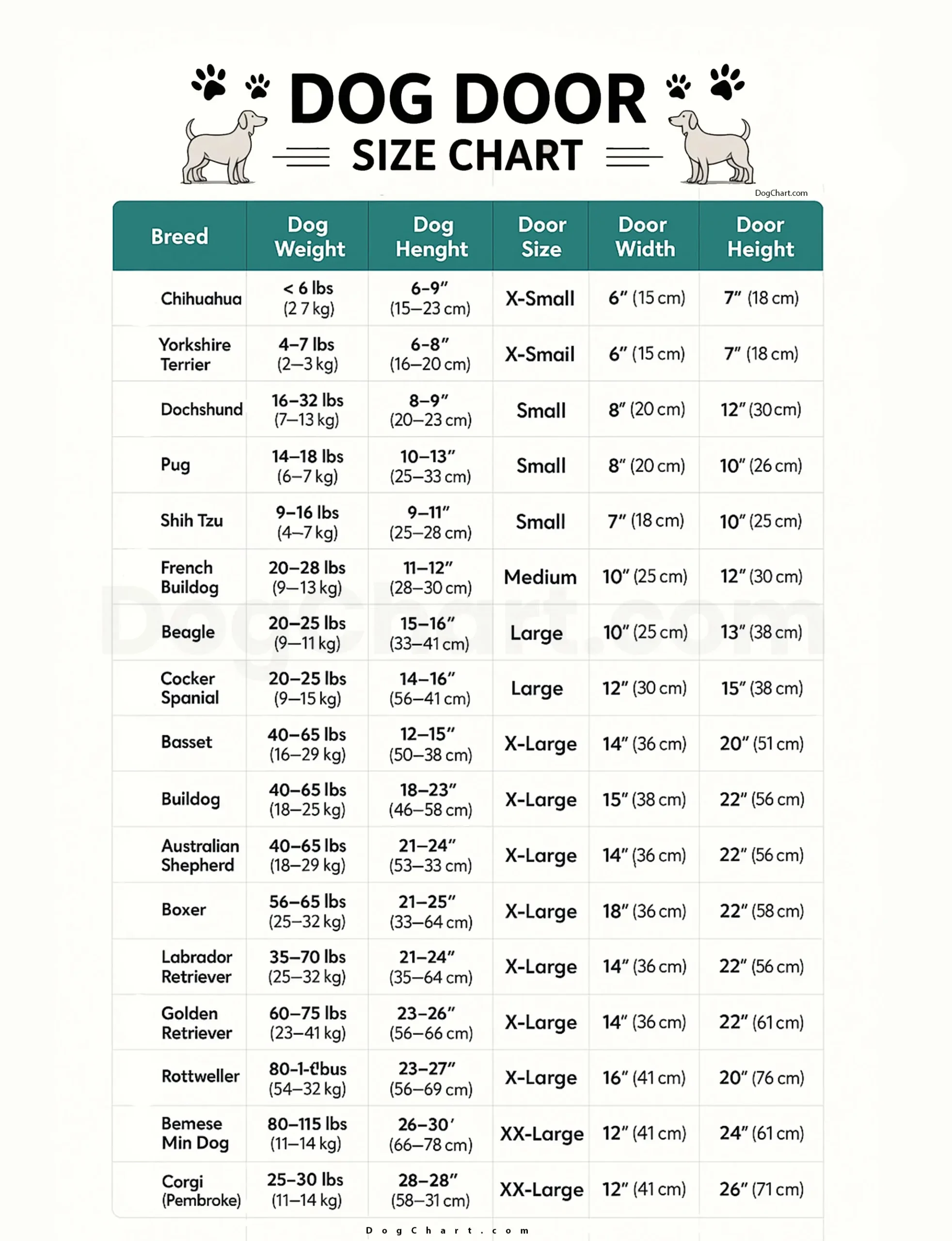
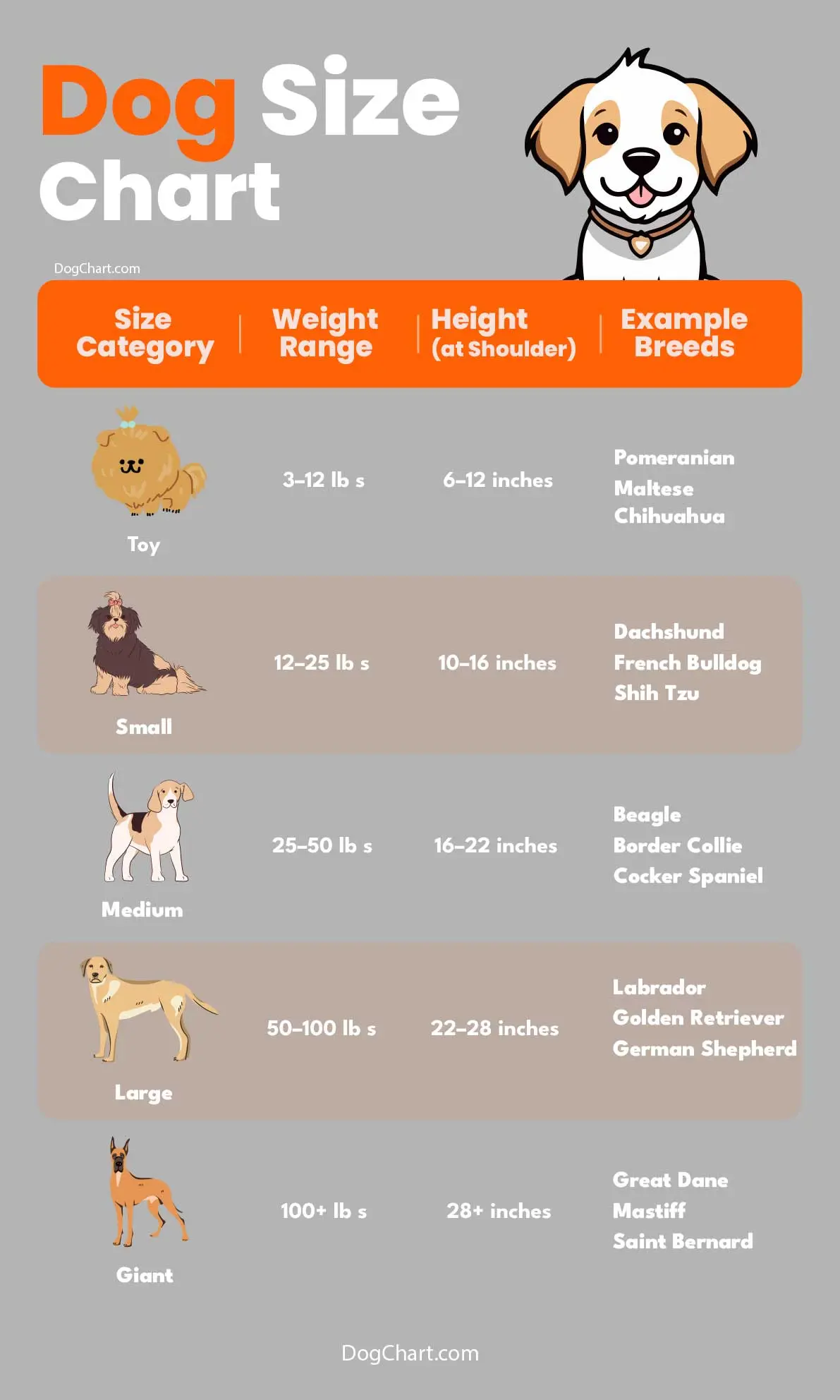
You're likely here because you need a quick reference, a reliable guide to help you understand dog size charts and their applications. These charts are an essential tool for anyone dealing with canine care, offering a simple yet effective way to visualize and compare dog sizes. From small dog breeds to larger ones, the dog size chart provides a clear overview, often including weight charts and breed size standards. It's a handy resource, especially when metric conversions or imperial measurements are involved.
Understanding the Dog Size Chart: A Practical Guide
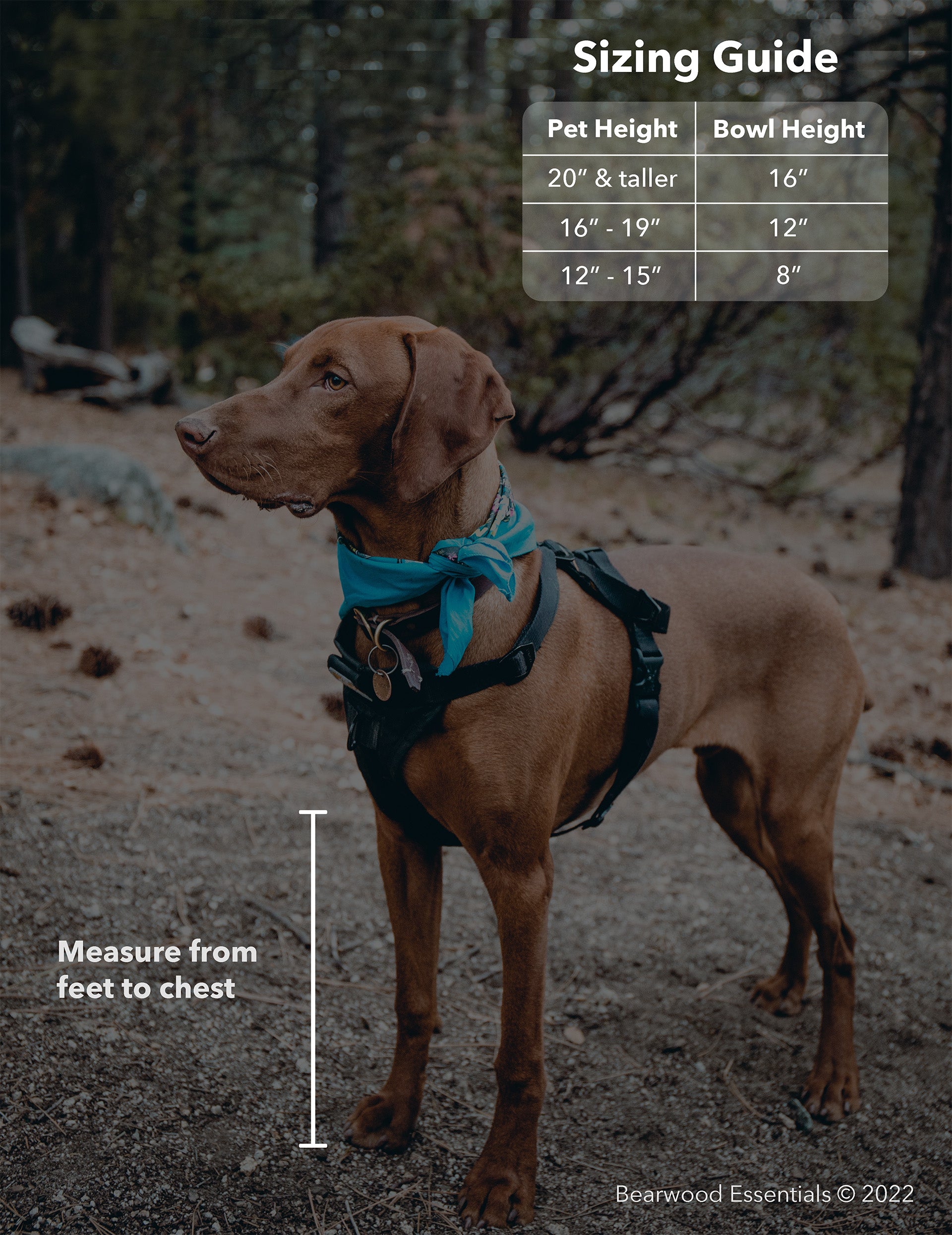
The dog size chart is a valuable tool for anyone wanting to quickly estimate a dog's size and understand its standard category. This chart provides a visual reference, typically using height and weight measurements, to categorize dogs into various size groups. It offers a convenient way to grasp the size range of different breeds and individual dogs.
Standard Size Categories: Comparing the Options
The dog size chart typically divides dogs into categories like small, medium, large, and extra-large. These categories are based on standardized height and weight ranges. For instance, a small dog might be defined as under 10 inches tall and weighing less than 20 pounds, while a large dog could be over 24 inches tall and weigh more than 50 pounds. These ranges can vary slightly between different charts and standards, so it's essential to check the specific guidelines you are using.
Measuring Your Dog: A Step-by-Step Guide
- Stand your dog upright on a flat surface, ensuring they are comfortable and relaxed.
- Use a measuring tape to record their height from the ground to the highest point of their shoulder or withers.
- Weigh your dog using a scale suitable for their size. Ensure they are stationary and the scale is level.
- Compare these measurements to the dog size chart to determine their size category.
Common Misreadings and How to Avoid Them
One common mistake is assuming that all dogs within a size category are the same. While the chart provides a standard, individual dogs can vary significantly within these ranges. Additionally, some breeds may have unique characteristics that affect their size, such as long legs or a heavy build. Always consider these factors and compare your dog's specific measurements to the chart rather than relying solely on their breed's typical size.
Key Factors Affecting Accuracy and Real-World Use
Several factors can impact the accuracy of the dog size chart. First, the chart's measurements are approximate and may not account for all variations in dog breeds and individuals. Second, dogs can change size over time, especially during growth or weight fluctuations. Regularly re-measuring your dog, especially if they are young or their weight is changing, ensures the most accurate assessment. Finally, remember that the chart is a guide, and individual dogs may not fit neatly into a single category. Always consider your dog's unique characteristics and consult a veterinarian for specific health or nutritional advice based on their size and breed.
Well, there you have it! A comprehensive guide to dog size charts, covering all the bases. Remember, while these charts provide a helpful framework, exact values may differ slightly based on various factors.
Feel free to explore our other guides for more practical insights. We've got plenty of resources to keep you informed and inspired, so take a look around and find something that piques your interest!
Related: Understand Chicos Size Charts Easily
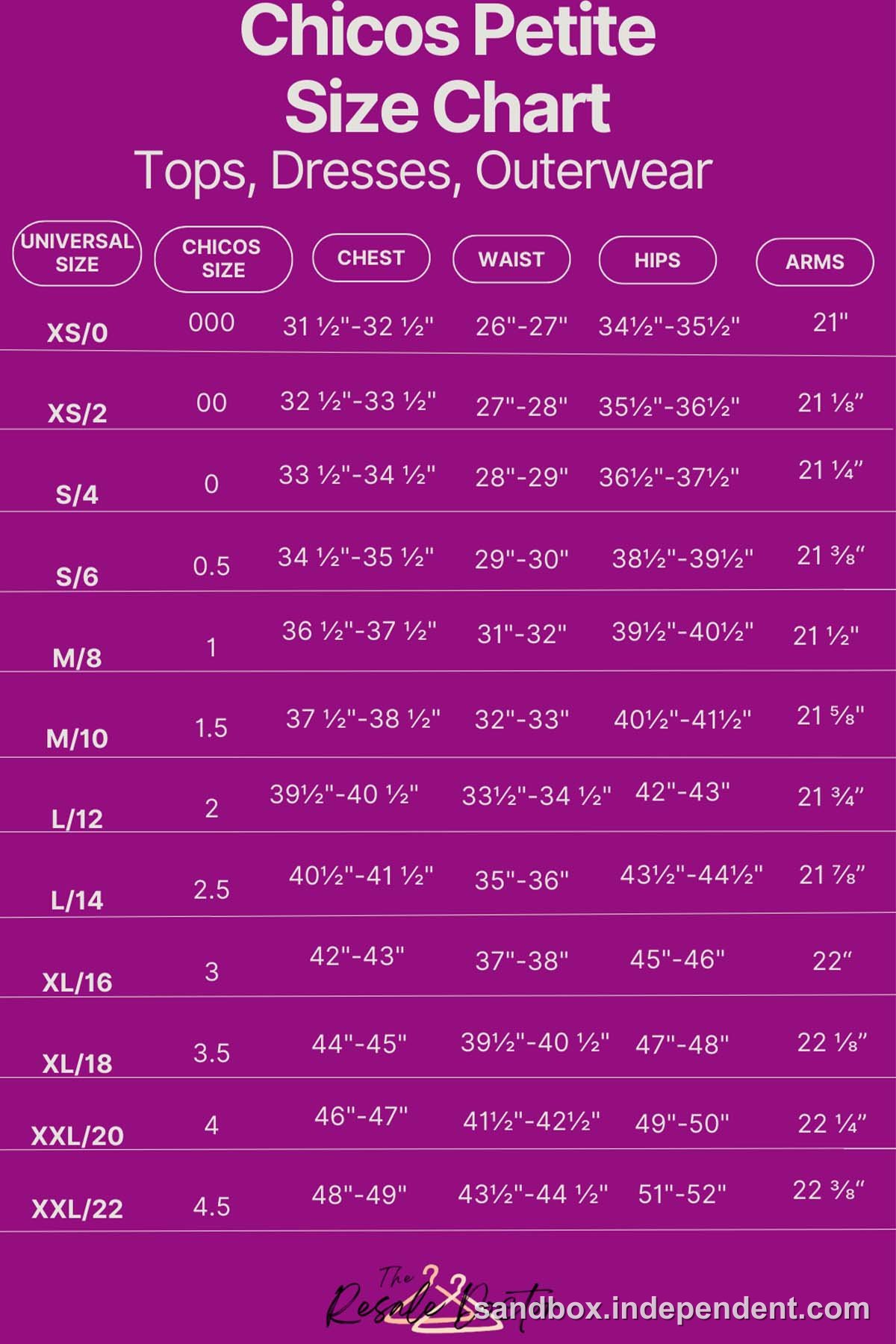
Many folks assume that chicos size charts are a one-size-fits-all deal, but that's a common misconception. These charts are actually tailored to the brand's unique sizing system, which can vary from other standard measurements.
So, while it's a simple reference tool, understanding how to read and interpret chicos size charts accurately is key to getting the perfect fit. It's all about knowing your measurements and finding the right correlation on the chart.
Understanding the Chicos Size Chart
The chicos size chart is a handy tool to help you find your perfect fit when shopping for clothing. It provides a clear guide to the standard measurements used by Chicos, ensuring you can easily navigate their sizing system. This chart is a great reference, especially when shopping online, as it gives you an accurate idea of the sizes available and how they correspond to your own measurements.
Comparing Size Chart Standards
Chicos' size chart follows a standard format, typically based on US sizing, which is widely used in North America. This chart provides measurements for various body parts, including bust, waist, hips, and inseam, to ensure a precise fit. It's important to note that while US sizing is common, other regions may use different standards, such as metric or European sizing. So, if you're used to a different system, it's a good idea to double-check the specific measurements and conversions.
Measuring Yourself for Accurate Sizing
To use the chicos size chart effectively, you'll need to take some key measurements. Here's a step-by-step guide:
- Bust: Measure around the fullest part of your bust, keeping the tape measure parallel to the floor.
- Waist: Measure your natural waistline, usually just above the belly button.
- Hips: Find the widest part of your hips and measure around, ensuring the tape is level with the floor.
- Inseam: For pants and jeans, measure from your crotch to the desired pant length.
Once you have these measurements, you can refer to the size chart and find the closest match. The chart will provide a range of measurements for each size, so you can choose the one that best fits your body.
Common Misreadings and How to Avoid Them
One common mistake is assuming that all clothing brands use the same size standards. While Chicos' size chart is a great guide, it's always a good idea to check the specific brand's size guide, especially if you're a regular customer. Another pitfall is measuring yourself incorrectly. Ensure you're measuring the right body parts and following the guidelines accurately. Finally, don't forget that sizing can vary slightly between different styles and fabrics, so always check the product details for any specific size notes.
Hey there, we hope you found this guide helpful and that it's now easier to navigate the world of Chicos size charts. Remember, while we've covered the basics, exact details might differ slightly, so always double-check with the brand's guidelines or consult our other guides for more specific info.
Consider bookmarking this page for future reference; it's a handy tool to have at your fingertips when you need to quickly look up those size charts!