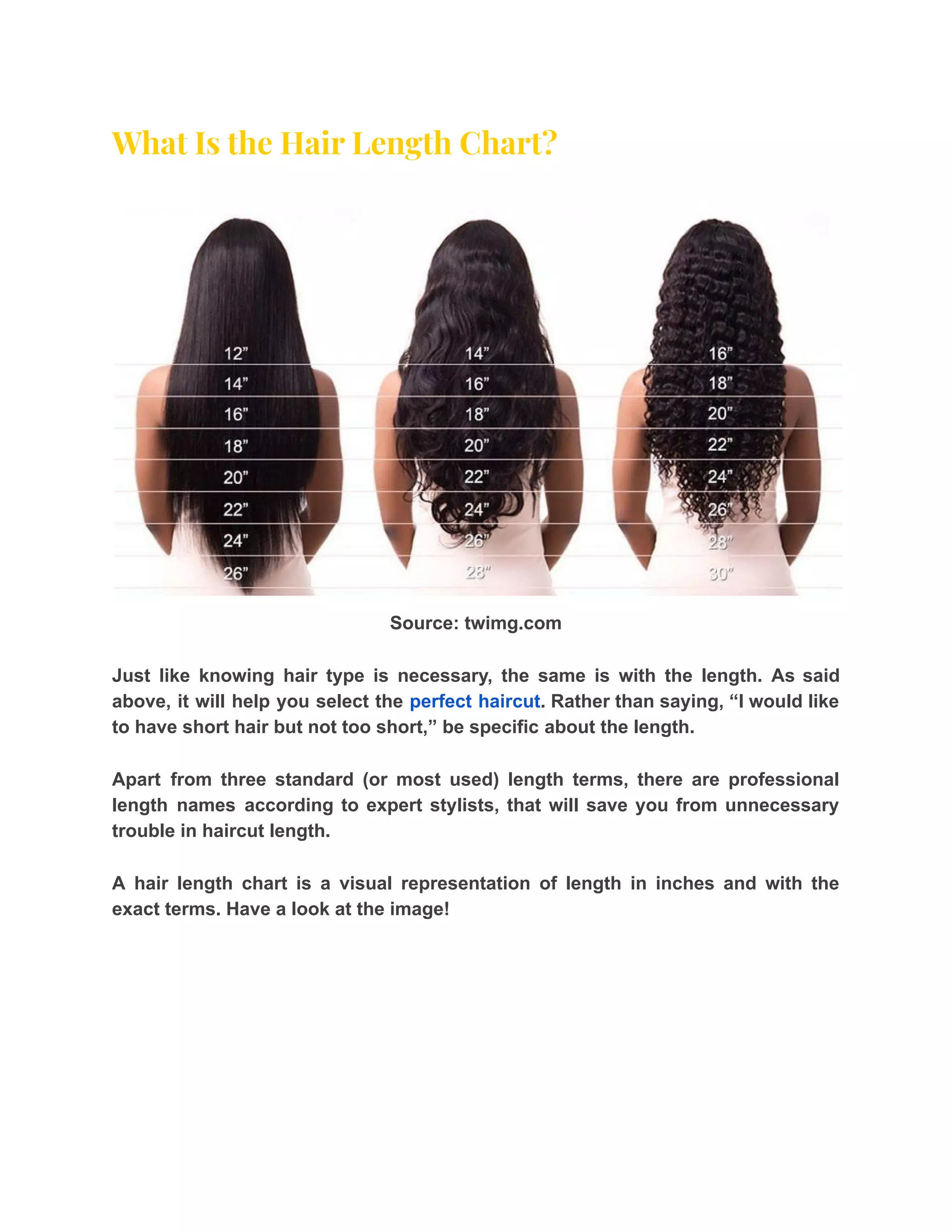


Tape Measure Chart Sheet Overview
A common pitfall when working with flange bolt charts is assuming they are universal and consistent across industries. In reality, these charts can vary based on factors like standards, regions, and specific applications. It's essential to understand that a flange bolt chart is a tailored tool, providing precise information for a particular context.
These charts offer a quick reference for flange bolt dimensions, including sizes, strengths, and markings. While the format may differ, the purpose remains the same: to ensure accurate selection and application of flange bolts, a critical component in many industries.
Understanding the Flange Bolt Chart
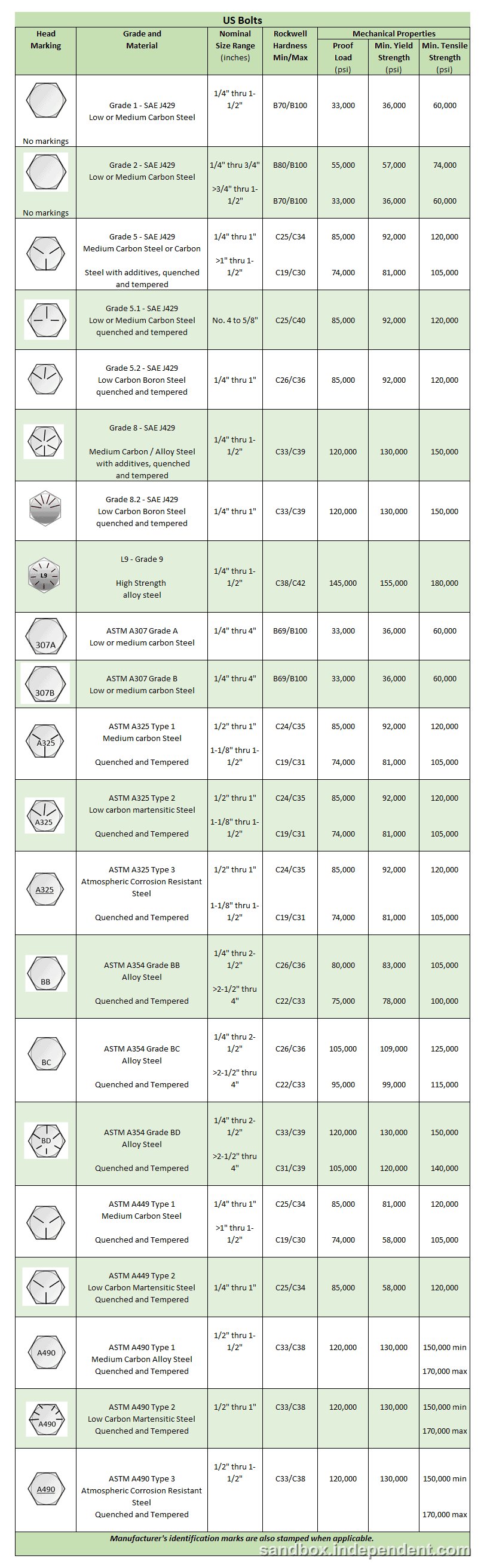
The flange bolt chart is a valuable reference tool for anyone working with flange connections. It provides a quick and practical guide to selecting the right bolts for your project. This chart offers a visual representation of various bolt sizes, strengths, and specifications, ensuring accurate choices for your application.
Comparing Standards and Formats
Different standards and regions may have variations in flange bolt charts. For instance, the metric bolt chart follows international standards, while the ANSI B18.2.1 is specific to the US. These charts detail bolt dimensions, including head size, shank length, and thread pitch, ensuring compatibility with flange dimensions. Additionally, bolt strength is indicated by markings on the head, following standards like SAE J429.
Applying the Flange Bolt Chart: A Step-by-Step Guide
To use the flange bolt chart effectively, follow these steps:
- Identify the flange size and type you are working with. This information is crucial for selecting the correct bolt.
- Refer to the chart and locate the corresponding flange size. Each flange size will have a range of recommended bolt sizes and strengths.
- Choose the bolt size that best fits your application, considering factors like load capacity and space constraints.
- Check the bolt head markings to ensure you select bolts with the appropriate strength rating.
- Confirm the thread pitch and length of the bolts to ensure they match the flange's thread and provide sufficient grip.
Common Misreadings and Pitfalls
While the flange bolt chart is a precise tool, misreadings can occur. Here are some common pitfalls:
- Failing to consider the specific standard or region's chart: Different standards may have variations in dimensions and markings. Always use the correct chart for your application.
- Neglecting to check bolt head markings: These markings indicate bolt strength and must match your requirements.
- Assuming all charts are universal: While charts provide general guidelines, some applications may require specific bolt dimensions or strengths. Always double-check exact specifications, especially for critical applications.
Key factors to consider:
- Flange size and type
- Bolt size and strength
- Thread pitch and length
- Specific application requirements
By following these guidelines and being mindful of potential variations, you can accurately utilize the flange bolt chart for your projects.
Remember, while this guide offers a comprehensive overview, the exact details may differ slightly depending on your specific needs and the standards you follow. It's always a good idea to refer to the latest editions of the relevant standards and consult with experts when making critical decisions.
Feel free to explore our other guides for more practical insights and tips. We've got a range of topics covered, so you can find the information you need to tackle various projects with confidence. Happy learning and exploring!
Related: What is the "kilo chart to lbs"?
You're probably here because you need a quick conversion reference, and the kilo chart to lbs is a handy tool for just that. It's a simple yet effective way to get accurate weight conversions from kilograms to pounds, and it's great for those who need a reliable, visual guide. This chart, or weight conversion table, is a practical solution, especially when you're in a hurry and need a straightforward answer.
Understanding the Kilo Chart to Lbs
The kilo chart to lbs is a simple yet effective tool for converting weights between the metric and imperial systems. It provides a quick and easy reference for those who need to make weight conversions, especially when dealing with kilograms and pounds. This chart is a handy guide, offering a visual representation of the relationship between these two common units of measurement.
Comparing Metric to Imperial Weight Standards
The chart typically displays a range of weights in kilograms on one axis and the corresponding values in pounds on the other. It's a straightforward way to visualize and understand the conversion process. You'll often find these charts with clear labels and color-coding, making it easy to identify the relevant values. For instance, a common format might show weights in kilograms on the left, with the equivalent pound values increasing rightwards.
Step-by-Step: Using the Kilo Chart to Lbs
To use the chart, simply locate the weight you wish to convert on the kilogram scale. Follow the row or column to find the corresponding value in pounds. It's as simple as that! For example, if you want to know how many pounds are in 5 kilograms, just find the 5 kg mark on the chart and read the value it aligns with on the pound scale. This method is quick and accurate, perfect for on-the-go conversions.
- Identify the weight in kilograms.
- Locate this value on the chart.
- Follow the row or column to the corresponding pound value.
- Read the value to get your conversion.
Common Measurement Mistakes and How to Avoid Them
While the kilo chart to lbs is a great tool, it's important to be aware of potential variations. Different standards and regions may have slight differences in their conversion factors. Always double-check the specific standard or region you're working with to ensure accuracy. Here are some key factors to consider:
- Imperial units can vary slightly depending on the context and region.
- Metric system conversions may have small differences due to rounding or specific application needs.
- Always check the chart's legend or key to understand any specific symbols or color codes.
- Be mindful of any additional factors, like the weight of packaging, which might affect the final result.
So, there you have it, a handy kilo-to-pound conversion chart to keep at your fingertips. With this simple guide, you can easily navigate between the two measurement systems and avoid any potential confusion.
Remember, while this chart provides a quick and practical solution, exact values can vary slightly depending on the specific standard or source you're working with. So, it's always a good idea to double-check your context and requirements before making any final calculations. Bookmark this page for a handy reference, and you'll be a conversion pro in no time!
Related: How to Read a Hair Length Chart?
You're likely here because you're seeking a simple, straightforward answer about hair length. Perhaps you're curious about the different categories and measurements used to describe hair length, or maybe you're looking for a quick reference guide to understand your own hair's growth progress.
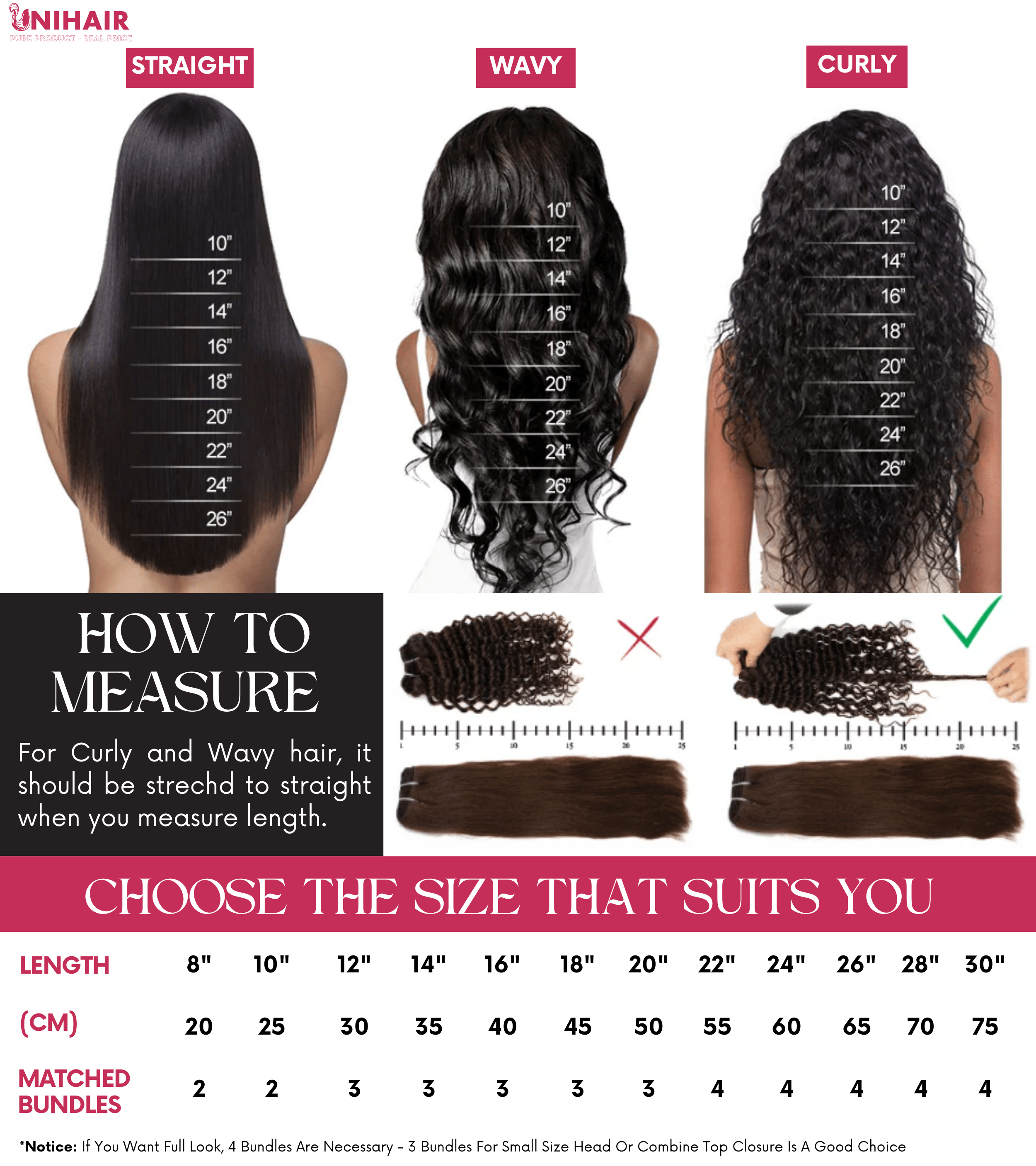
The hair length chart is a valuable tool, offering a visual representation of various hair lengths, often categorized into standard ranges. These charts can provide a clear indication of your hair's current length and its potential for growth, and they may also offer insights into the time frames associated with different growth stages. While the specific values and formats can vary, the concept remains a practical and accessible way to measure and monitor hair length.
Hair Length Chart: A Comprehensive Guide
The hair length chart is a valuable tool for anyone interested in understanding and measuring hair growth and styles. It provides a standardized reference, allowing you to categorize and compare hair lengths accurately. This guide will help you navigate the chart, understand its categories, and use it effectively.
Key Details and Categories
The hair length chart typically uses inches or centimeters as its primary unit of measurement. It categorizes hair lengths into distinct ranges, often with descriptive names or codes. Common categories include:
- Short Hair: Usually up to 4 inches (or 10 cm) in length.
- Medium Hair: Ranges from 4 to 12 inches (10 to 30 cm).
- Long Hair: Hair exceeding 12 inches (30 cm) in length.
These categories are further divided into sub-ranges to provide more specific measurements. For instance, medium hair might be divided into medium-short (4-6 inches) and medium-long (6-12 inches) sections.
Reading the Chart: A Step-by-Step Guide
Identify the unit of measurement used on the chart. This is crucial, as it ensures accurate interpretation. Common units are inches (in) or centimeters (cm).
Locate the category that best describes your hair length. If your hair falls between two categories, consider the average or consult a professional for a precise measurement.
Within each category, you'll often find sub-ranges or specific measurements. These provide more detail and can be useful for precise styling or growth tracking.
Some charts may also include visual representations or diagrams, offering a quick reference for length comparison.
Common Length Variations and Their Causes
Hair length can vary due to several factors, leading to differences in measurements and categories. These variations are influenced by:
- Natural Hair Growth: Hair grows at different rates for each individual, and growth rates can vary over time.
- Styling and Cutting: Regular trims and styling choices can significantly impact perceived hair length.
- Regional Standards: Hair length standards may differ across regions, especially when comparing imperial (US) and metric (international) systems.
It's important to consider these factors when using a hair length chart, especially when comparing your hair to others or following styling guides.
Avoiding Common Mistakes
To ensure accurate use of the hair length chart, avoid these common pitfalls:
Relying solely on visual estimates: While visual comparisons can be helpful, they may not always provide precise measurements. Always refer to the chart for accurate categorization.
Ignoring personal growth rates: Everyone's hair grows at a unique pace. Regularly measuring and tracking your hair's growth will provide more accurate results over time.
Assuming universal standards: Hair length standards can vary, especially across regions. Always double-check the specific standard being used on the chart.
Forgetting to consider styling: The way you style your hair can impact its perceived length. Take this into account when categorizing your hair length.
By understanding these potential variations and following the step-by-step guide, you can accurately utilize the hair length chart for practical styling tips and growth tracking.
Remember, while this chart provides a handy reference, exact details can vary, so always double-check if you're working with specific standards or unique contexts.
Feel free to bookmark this page for future use, and if you're curious about other practical guides, you might find our other articles just as helpful!